Injustice is a pervasive and complex concept that transcends geographical, cultural, and temporal boundaries, manifesting in various forms that deeply impact individuals and communities.
At its core, injustice refers to the violation of principles of fairness, equity, and moral rightness within social, political, economic, and legal contexts. The intricate nature of injustice makes it challenging to encapsulate in a singular definition, as its manifestations evolve and adapt to the dynamics of society.
One fundamental aspect of injustice lies in the unequal distribution of resources and opportunities.
Economic injustice, for instance, is evident when certain groups or individuals face systemic barriers preventing them from accessing basic needs, education, or employment opportunities. This form of inequality perpetuates cycles of poverty and limits the upward mobility of marginalised communities, creating a stark contrast between the privileged and the disenfranchised.
Social injustice encompasses discrimination based on race, gender, ethnicity, sexual orientation, or other defining characteristics. Prejudice and bias embedded within societal structures lead to unequal treatment, limiting the rights and opportunities available to certain groups. Discriminatory practices can manifest in subtle ways, such as microaggressions, or in more overt forms like systemic racism, reinforcing power imbalances and perpetuating stereotypes that fuel inequality.
Within the legal system, injustice emerges when the application of laws and regulations favours particular groups while disadvantaging others. Legal injustices can range from biased law enforcement practices to discriminatory sentencing, ultimately eroding trust in the judicial system. In some instances, unjust laws themselves may exist, further marginalising specific communities and impeding progress toward a more equitable society.
Political injustice often stems from the abuse of power, corruption, and the suppression of dissent. When leaders prioritize personal gain over the welfare of their constituents, democratic principles are undermined, leading to a lack of representation and accountability. Authoritarian regimes, censorship, and voter suppression are among the myriad ways political injustice can manifest, stifling the voices of those who seek a fair and inclusive governance structure.
Injustice is not solely confined to a macroscopic level; it permeates interpersonal relationships as well.
In everyday life, individuals may experience injustice through bullying, harassment, or exclusion based on personal characteristics. The repercussions of such injustices extend beyond immediate harm, contributing to the perpetuation of harmful social norms and attitudes.
Efforts to combat injustice require a comprehensive approach that addresses its multifaceted nature. Education and awareness play crucial roles in dismantling stereotypes and challenging ingrained biases.
Legal and policy reforms are essential to ensure the fair treatment of all individuals, regardless of their background. Grassroots movements and advocacy are powerful tools for challenging systemic injustices, fostering a collective commitment to building a more equitable and inclusive society.
In conclusion, injustice is a complex and pervasive phenomenon that manifests in various forms across societal structures. It encompasses economic, social, legal, and political dimensions, as well as interpersonal relationships.
Understanding the intricacies of injustice is essential for fostering meaningful change, as it empowers individuals and communities to challenge systemic inequalities and work towards a more just and equitable world.
The Ministry of Injustice is not the Ministry of Justice nor is it affiliated in any way with the justice system, legal profession, police or any other law enforcement agencies.
“Publicity is the very soul of justice. . . . It keeps the judge himself, while trying, under trial….Where there is no publicity there is no justice”
Jeremy Bentham – Mr Justice Cobb: ‘Justice must be seen to be done’
Latest Articles ↓
- Presumption of Innocence
 The presumption of innocence is a basic principle of the… Read more: Presumption of Innocence
 - His Honour Judge Daniel Sawyer
 Judge Daniel Sawyer, known as His Honour Judge Daniel Sawyer,… Read more: His Honour Judge Daniel Sawyer
 - UK National Centre for Information Defence
 Prime Minister Andy Burnham used his first United Nations General… Read more: UK National Centre for Information Defence
 - Judges Behaving Badly and His Honour Judge Simon Oliver
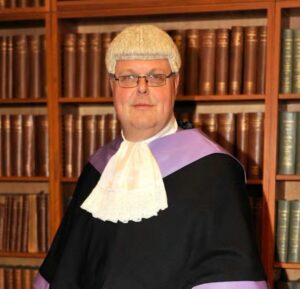 On the 27th August 2026 the Crown Prosecution Service announced… Read more: Judges Behaving Badly and His Honour Judge Simon Oliver
 - Jo Morris Barrister
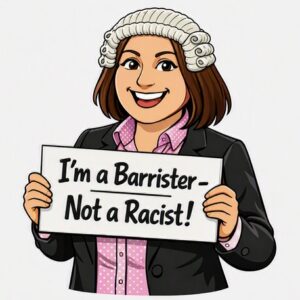 Jo Morris is a practising criminal barrister of Drystone Chambers… Read more: Jo Morris Barrister
 - Good Law Project
 The Good Law Project is a UK campaigning organisation that… Read more: Good Law Project
 - Police Federation of England and Wales (PFEW)
 The Police Federation of England and Wales (PFEW) is the… Read more: Police Federation of England and Wales (PFEW)
 - What is the Criminal Justice System (CJS) Common Platform ?
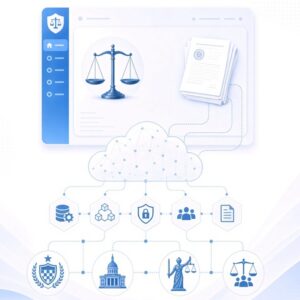 The Criminal Justice System Common Platform (also known as HMCTS… Read more: What is the Criminal Justice System (CJS) Common Platform ?
 - Strategic Lawsuit Against Public Participation (SLAPPs)
 Strategic Lawsuits Against Public Participation, or SLAPPs, are legal actions… Read more: Strategic Lawsuit Against Public Participation (SLAPPs)
 - His Honour Judge Tony Baumgartner – Recorder of Westminster
 Judge Tony Alan Walter Baumgartner, known as His Honour Judge… Read more: His Honour Judge Tony Baumgartner – Recorder of Westminster
 - New Protocol for Legal Professionals to Raise Informal Concerns About Judges Behaviour
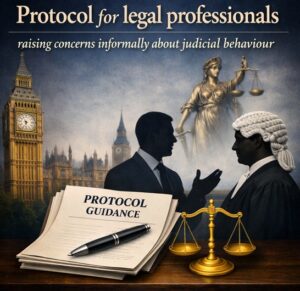 On the 8th July 2026, the Courts and Tribunals Judiciary… Read more: New Protocol for Legal Professionals to Raise Informal Concerns About Judges Behaviour
 - The Policing Performance System
 In April 2026, His Majesty’s Inspectorate of Constabulary and Fire… Read more: The Policing Performance System
Most Popular ↓
You should always seek formal legal advice from a qualified and reputable lawyer (solicitor or barrister).
There are a number of links to Free and Paid For Legal Resources and Legal Organisations on the Free Legal Advice , Legal Aid and Pro Bono pages.
[post_title] was last updated on the 15th October 2026
