
The UK Home Office has released an updated version of the Crime Recording Rules for Frontline Officers and Staff, effective April 26th 2025. This 47-page document outlines the standardised procedures for recording crimes, ensuring consistency and accuracy across police forces in England and Wales. The guidelines aim to improve data integrity, enhance public trust, and support effective policing by providing clear instructions for officers and staff on the front lines.
Key Updates and Objectives
The 2025 update builds on previous frameworks, refining the rules to reflect evolving crime trends, technological advancements, and feedback from law enforcement. It emphasizes the importance of recording crimes based on victim reports and available evidence, adhering to the National Crime Recording Standard (NCRS). The primary goal remains unchanged: to ensure crime data is victim-focused, transparent, and consistent, enabling better resource allocation and policy-making.
Core Principles
- Victim-Centered Approach: Crimes must be recorded when a victim reports an incident, unless there is credible evidence to the contrary. The threshold for recording remains “on the balance of probabilities.”
- Timeliness: Officers are required to log crimes within 24 hours of the report, barring exceptional circumstances.
- Accuracy: The rules specify how to classify offenses, from violent crimes to cybercrimes, ensuring alignment with legal definitions under UK law.
Notable Changes in 2025
While the document retains much of its foundational structure, updates include:
- Digital and Cybercrime: Expanded guidance on recording online offenses, such as fraud, harassment, and data breaches, reflecting their growing prevalence.
- Hate Crimes: Strengthened emphasis on identifying and flagging hate-motivated incidents, with clearer criteria for officers.
- Outcome Recording: Enhanced rules for documenting investigation outcomes, aiming to improve accountability and public reporting.
Practical Guidance for Officers
The document provides detailed scenarios and examples to assist frontline staff. For instance, it clarifies how to handle cases involving multiple victims or offenders, and when to record a crime as “attempted” versus “completed.” It also addresses common challenges, such as distinguishing between civil disputes and criminal acts.
Implications for Policing
These rules are part of a broader effort to modernize crime recording in the UK. By standardizing processes, the Home Office seeks to reduce administrative burdens on officers, allowing more time for active policing. The updates also respond to public and governmental calls for greater transparency in crime statistics, particularly amid debates over policing priorities and funding.
The Crime Recording Rules for Frontline Officers and Staff 2025 is a critical resource for law enforcement, balancing operational practicality with the need for reliable data. As crime continues to evolve, this framework ensures police forces are equipped to adapt while maintaining public confidence.
Check out our articles on What is a Police and Crime Commissioner ?, Sussex Police, Policing, Police News, Policing by Consent, Police Professional Standards Department, Independent Office for Police Conduct (IOPC), Two Tiered Policing, Thought Police, Wasting Police Time, Police Community Support Officers (PCSO), Met Police, Chief Constable Jo Shiner, R v Sussex Justices and the highly questionable Sussex Family Justice Board.
The Ministry of Injustice is not the Ministry of Justice nor is it affiliated in any way with the justice system, legal profession, police or any other law enforcement agencies.
“Publicity is the very soul of justice. . . . It keeps the judge himself, while trying, under trial….Where there is no publicity there is no justice”
Jeremy Bentham – Mr Justice Cobb: ‘Justice must be seen to be done’
Latest Articles ↓
- His Honour Judge Daniel Sawyer
 Judge Daniel Sawyer, known as His Honour Judge Daniel Sawyer,… Read more: His Honour Judge Daniel Sawyer
 - UK National Centre for Information Defence
 Prime Minister Andy Burnham used his first United Nations General… Read more: UK National Centre for Information Defence
 - Judges Behaving Badly and His Honour Judge Simon Oliver
 On the 27th August 2026 the Crown Prosecution Service announced… Read more: Judges Behaving Badly and His Honour Judge Simon Oliver
 - Jo Morris Barrister
 Jo Morris is a practising criminal barrister of Drystone Chambers… Read more: Jo Morris Barrister
 - Good Law Project
 The Good Law Project is a UK campaigning organisation that… Read more: Good Law Project
 - Police Federation of England and Wales (PFEW)
 The Police Federation of England and Wales (PFEW) is the… Read more: Police Federation of England and Wales (PFEW)
 - What is the Criminal Justice System (CJS) Common Platform ?
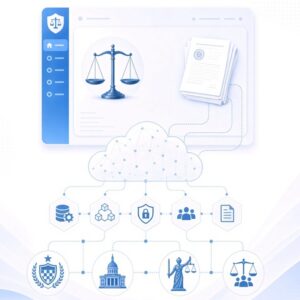 The Criminal Justice System Common Platform (also known as HMCTS… Read more: What is the Criminal Justice System (CJS) Common Platform ?
 - Strategic Lawsuit Against Public Participation (SLAPPs)
 Strategic Lawsuits Against Public Participation, or SLAPPs, are legal actions… Read more: Strategic Lawsuit Against Public Participation (SLAPPs)
 - His Honour Judge Tony Baumgartner – Recorder of Westminster
 Judge Tony Alan Walter Baumgartner, known as His Honour Judge… Read more: His Honour Judge Tony Baumgartner – Recorder of Westminster
 - New Protocol for Legal Professionals to Raise Informal Concerns About Judges Behaviour
 On the 8th July 2026, the Courts and Tribunals Judiciary… Read more: New Protocol for Legal Professionals to Raise Informal Concerns About Judges Behaviour
 - The Policing Performance System
 In April 2026, His Majesty’s Inspectorate of Constabulary and Fire… Read more: The Policing Performance System
 - What is the Judicial College ?
 The Judicial College serves as the central pillar of professional… Read more: What is the Judicial College ?
Most Popular ↓
You should always seek formal legal advice from a qualified and reputable lawyer (solicitor or barrister).
There are a number of links to Free and Paid For Legal Resources and Legal Organisations on the Free Legal Advice , Legal Aid and Pro Bono pages.
[post_title] was last updated on the 6th October 2026
