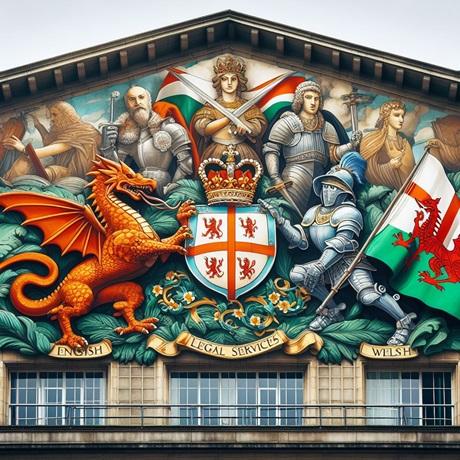
The Legal Services Board (LSB) is an independent regulatory body that oversees the legal services sector in England and Wales. Its role is multifaceted, encompassing standards-setting, approval, regulation of legal services providers, and consumer guidance. Here are the key aspects of the LSB:
- Purpose and Oversight:
- The LSB was established under the Legal Services Act 2007.
- It ensures effective regulation, transparency, and fairness in legal services.
- The LSB directly regulates lawyers practicing in England and Wales through approved regulators.
- It oversees the Solicitors Disciplinary Tribunal and the Office for Legal Complaints (which administers the Legal Ombudsman scheme).
- The LSB also maintains the list of reserved legal activities.
- Reshaping Legal Services Strategy:
- The LSB’s strategy aims to reshape legal services to better meet society’s needs.
- It focuses on fair outcomes, confidence-building, and improved services.
- The Reshaping Legal Services Conference 2024 explored these themes.
- Ethics, Transparency, and Diversity:
- The LSB works on projects related to professional ethics, market transparency, and legal technology and innovation.
- It promotes a diverse legal services sector accessible to all.
History and Role of the Legal Services Board
The primary mission of the Legal Services Board is to ensure the effective regulation of legal services, promoting transparency, fairness, and consumer protection.
- Background and Reforms:
- The Legal Service Act 2007 aimed to modernize the legal sector by introducing independent oversight.
- It designated professional representative bodies (such as the Bar Council and the Law Society) as approved regulators.
- These regulators were required to delegate their regulatory functions to independent arms overseen by the LSB.
- Approved Regulators and Licensing Authorities:
- The LSB directly regulates lawyers practicing in England and Wales through approved regulators.
- Some of these regulators also serve as licensing authorities, granting licenses to alternative business structures (ABS) that provide reserved legal activities.
- Let’s explore the approved regulators and their areas of regulation:
- Solicitors:
- Approved Regulator (AR): Law Society (representative body)
- Independent Regulatory Body: Solicitors Regulation Authority (SRA)
- Reserved Legal Activities Regulated:
- Right of audience
- Conduct of litigation
- Reserved instrument activities
- Probate activities
- Administration of oaths
- Barristers:
- Approved Regulator (AR): Bar Council (representative body)
- Independent Regulatory Body: Bar Standards Board (BSB)
- Reserved Legal Activities Regulated (similar to solicitors)
- Chartered Legal Executives:
- Approved Regulator (AR): Chartered Institute of Legal Executives (CILEX) (representative body)
- Independent Regulatory Body: CILEx Regulation
- Reserved Legal Activities Regulated (similar to solicitors)
- Licensed Conveyancers:
- Approved Regulator (AR): Council for Licensed Conveyancers (CLC) (regulatory body, no representative functions)
- Reserved Legal Activities Regulated (specific to conveyancing)
- Patent Attorneys:
- Approved Regulator (AR): Chartered Institute of Patent Attorneys (CIPA) (representative body)
- Independent Regulatory Body: Intellectual Property Regulation Board
- Reserved Legal Activities Regulated (similar to solicitors)
- Trade Mark Attorneys:
- Approved Regulator (AR): Chartered Institute of Trade Mark Attorneys (CITMA) (representative body)
- Independent Regulatory Body: Intellectual Property Regulation Board
- Reserved Legal Activities Regulated (similar to solicitors)
- Oversight and Recommendations:
- The LSB supervises the entire regulatory framework.
- It oversees the Solicitors Disciplinary Tribunal and recommends amendments to the list of reserved legal activities.
- The LSB also ensures the Office for Legal Complaints (which administers the Legal Ombudsman scheme) operates effectively.
For more detailed information, visit the Legal Services Board website.
Check out our articles on What is the Law ?, Rule of Law, Open Justice, Law Society, Law Commission and the highly questionable Sussex Family Justice Board.
The Ministry of Injustice is not the Ministry of Justice nor is it affiliated in any way with the justice system, legal profession, police or any other law enforcement agencies.
“Publicity is the very soul of justice. . . . It keeps the judge himself, while trying, under trial….Where there is no publicity there is no justice”
Jeremy Bentham – Mr Justice Cobb: ‘Justice must be seen to be done’
Latest Articles ↓
- His Honour Judge Daniel Sawyer
 Judge Daniel Sawyer, known as His Honour Judge Daniel Sawyer,… Read more: His Honour Judge Daniel Sawyer
 - UK National Centre for Information Defence
 Prime Minister Andy Burnham used his first United Nations General… Read more: UK National Centre for Information Defence
 - Judges Behaving Badly and His Honour Judge Simon Oliver
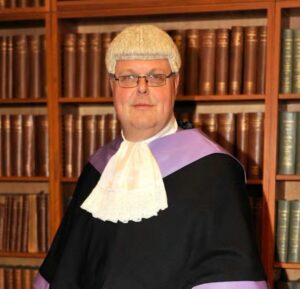 On the 27th August 2026 the Crown Prosecution Service announced… Read more: Judges Behaving Badly and His Honour Judge Simon Oliver
 - Jo Morris Barrister
 Jo Morris is a practising criminal barrister of Drystone Chambers… Read more: Jo Morris Barrister
 - Good Law Project
 The Good Law Project is a UK campaigning organisation that… Read more: Good Law Project
 - Police Federation of England and Wales (PFEW)
 The Police Federation of England and Wales (PFEW) is the… Read more: Police Federation of England and Wales (PFEW)
 - What is the Criminal Justice System (CJS) Common Platform ?
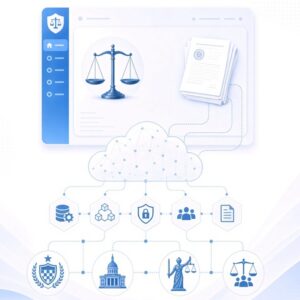 The Criminal Justice System Common Platform (also known as HMCTS… Read more: What is the Criminal Justice System (CJS) Common Platform ?
 - Strategic Lawsuit Against Public Participation (SLAPPs)
 Strategic Lawsuits Against Public Participation, or SLAPPs, are legal actions… Read more: Strategic Lawsuit Against Public Participation (SLAPPs)
 - His Honour Judge Tony Baumgartner – Recorder of Westminster
 Judge Tony Alan Walter Baumgartner, known as His Honour Judge… Read more: His Honour Judge Tony Baumgartner – Recorder of Westminster
 - New Protocol for Legal Professionals to Raise Informal Concerns About Judges Behaviour
 On the 8th July 2026, the Courts and Tribunals Judiciary… Read more: New Protocol for Legal Professionals to Raise Informal Concerns About Judges Behaviour
 - The Policing Performance System
 In April 2026, His Majesty’s Inspectorate of Constabulary and Fire… Read more: The Policing Performance System
 - What is the Judicial College ?
 The Judicial College serves as the central pillar of professional… Read more: What is the Judicial College ?
Most Popular ↓
You should always seek formal legal advice from a qualified and reputable lawyer (solicitor or barrister).
There are a number of links to Free and Paid For Legal Resources and Legal Organisations on the Free Legal Advice , Legal Aid and Pro Bono pages.
[post_title] was last updated on the 5th October 2026
