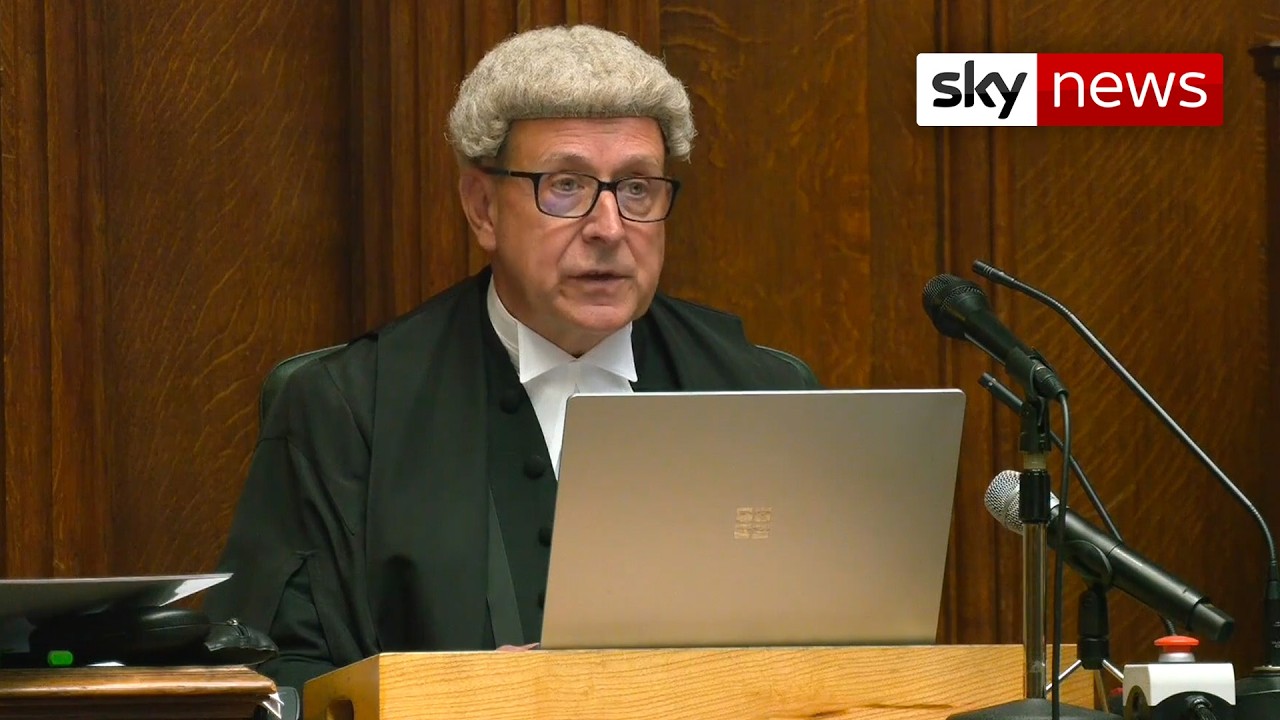
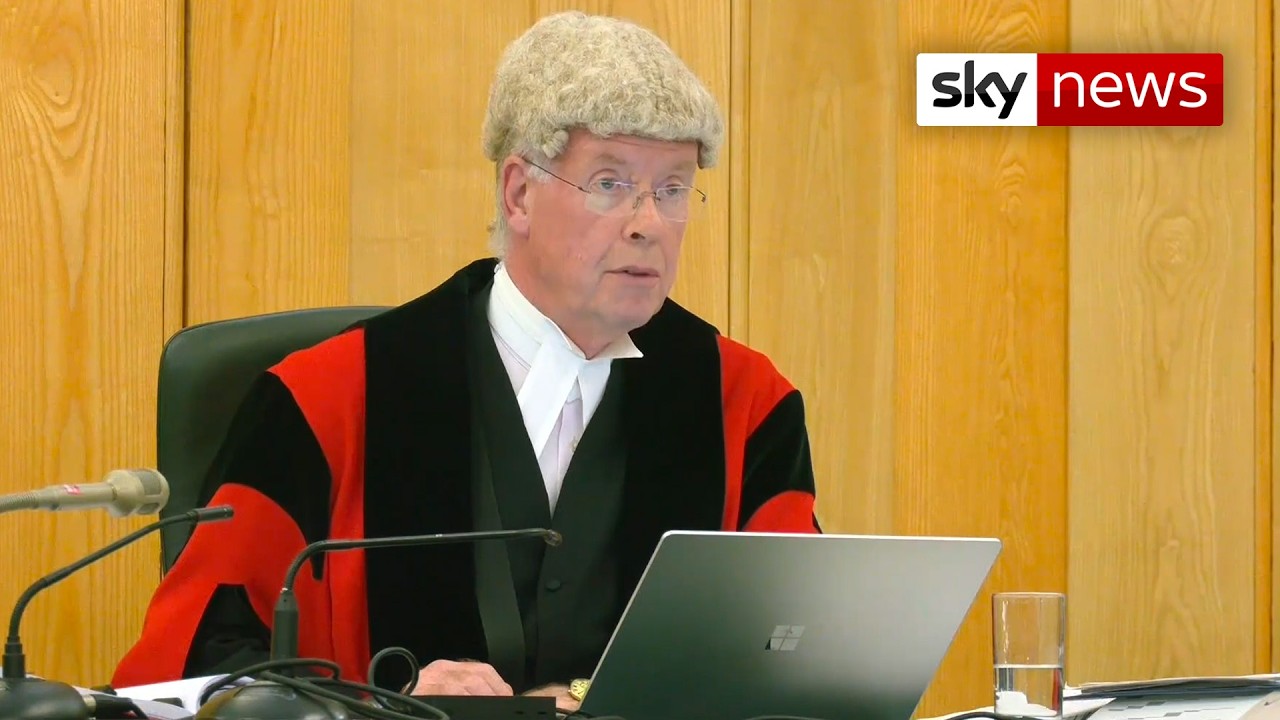
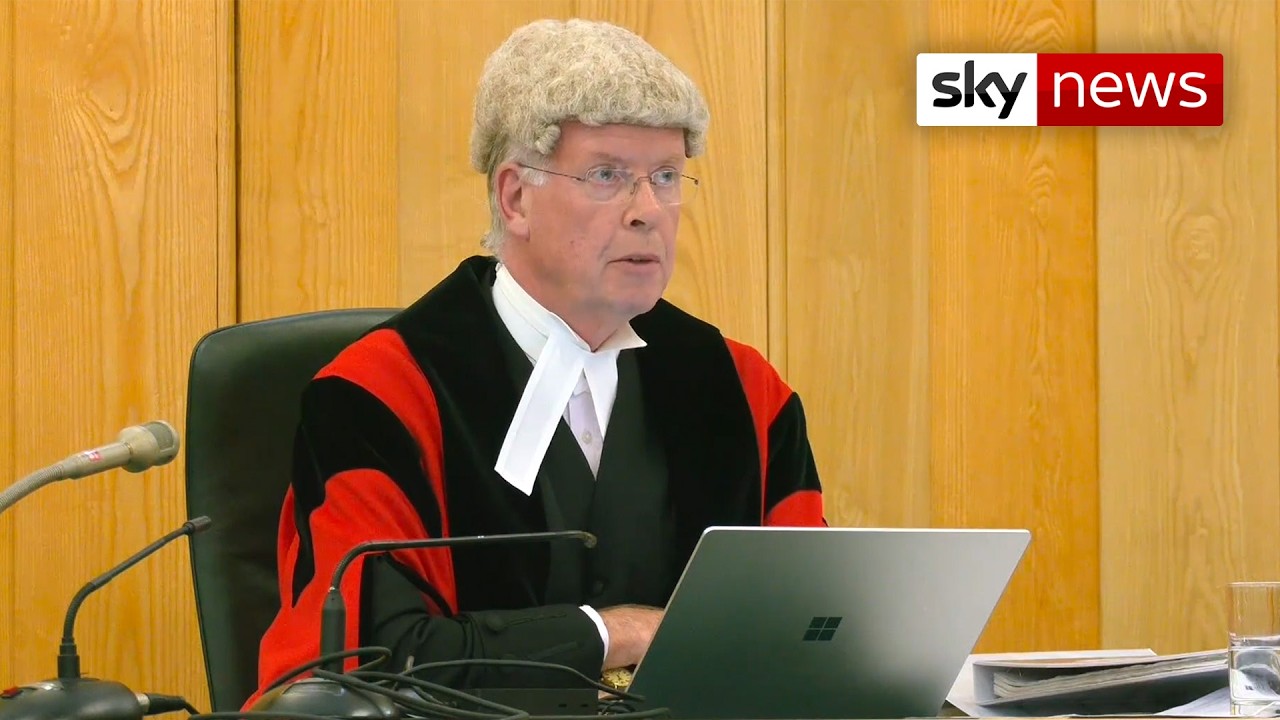
The latest cases in the Crown Court and Court of Appeal are available on the Sky News Courts YouTube channel. These videos are a real opportunity to see justice in action.
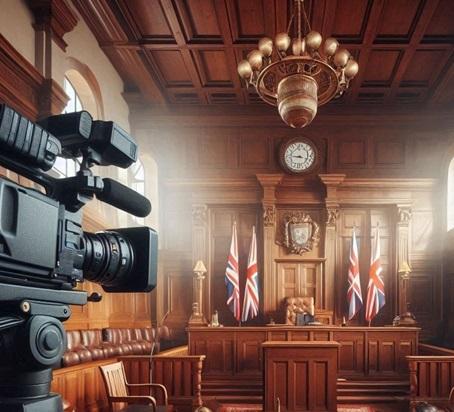
Section 41 of the Criminal Justice Act 1925 (CJA 1925) makes it an offence to take any photograph, make or attempt to make any portrait or sketch of a justice or a witness in, or a party to, any proceedings before the court, either in the courtroom or its precincts.
The Crimes and Courts Act 2013 allows the ban to be disapplied in certain circumstances by secondary legislation. For instance, the Court of Appeal and Competition Appeal Tribunal can broadcast proceedings. The Crown court can broadcast sentencing remarks. The Supreme Court is excluded from the two bans because cases heard by the UK’s highest court, which was established in 2009, would have previously been heard in the House of Lords where broadcasting was allowed.
See Photography in Court for more information.
High Profile Cases Videos
Latest Court Proceedings Videos
Please be advised that videos may contain graphic descriptions of serious crimes, including murder and sexual offences.
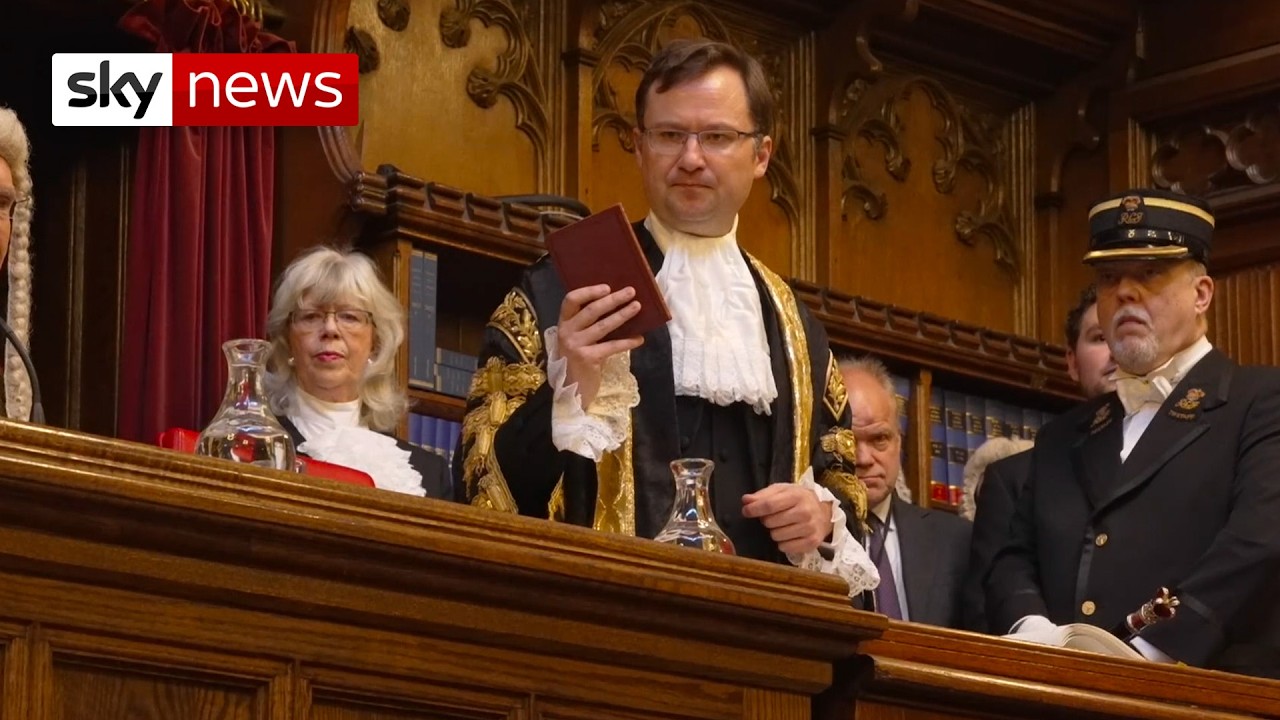
Alex Norris sworn in as new Lord Chancellor
The ceremony at the Royal Courts of Justice took place on the first day of the new legal year ...(1 October) and follows his appointment as Lord Chancellor and Secretary of State for Justice in July 2026. He was previously Minister of State at the Home Office.
The Lady Chief Justice, Baroness Carr, conducted the swearing in ceremony.
She said: “[You] have a deep understanding of every government’s first duty: to protect its citizens.“
She continued: “Taking the oath here, today, once more affirms – publicly – the particular, the fundamental relationship that the Lord Chancellor has with the judiciary, and the office’s statutory duty to defend judicial independence.“
The Lady Chief Justice also swore in the Attorney General, Ellie Reeves MP, who was previously Solicitor General.
In addition, Andy Slaughter MP was sworn in as Solicitor General.
The Lady Chief Justice’s speech can be read in full at: https://www.judiciary.uk/rt-hon-alex-norris-sworn-in-as-the-new-lord-chancellor/
SUBSCRIBE to our YouTube channel for more videos: https://www.youtube.com/channel/UCF3HqeLrCkZgARQfyqj1m-g?view_as=subscriber
Follow Sky News on Twitter: https://twitter.com/skynews and https://twitter.com/skynewsbreak
Like us on Facebook: https://www.facebook.com/skynews
Follow us on Instagram: https://www.instagram.com/skynews
For more content go to http://news.sky.com and download our apps:
Apple https://itunes.apple.com/gb/app/sky-news/id316391924?mt=8
Android https://play.google.com/store/apps/details?id=com.bskyb.skynews.android&hl=en_GBShow More


Check out our related articles on Rule of Law, Open Justice, Lady Chief Justice, Is the Law Black and White ?, Abuse of Process, What Does Lady Justice Symbolise ?, McKenzie Friend, Can a Judge Direct a Jury to Find a Defendant Not Guilty ?, Law Society, Law Commission, McKenzie Friend Right of Audience, Solicitors, Solicitors Regulation Authority, Barristers, Bar Council of England and Wales, Bar Standards Board, Contra Mundum, R v Sussex Justices, Police Impartiality and the highly questionable Sussex Family Justice Board.
The Ministry of Injustice is not the Ministry of Justice nor is it affiliated in any way with the justice system, legal profession, police or any other law enforcement agencies.
“Publicity is the very soul of justice. . . . It keeps the judge himself, while trying, under trial….Where there is no publicity there is no justice”
Jeremy Bentham – Mr Justice Cobb: ‘Justice must be seen to be done’
Latest Articles ↓
- Presumption of Innocence
 The presumption of innocence is a basic principle of the… Read more: Presumption of Innocence
 - His Honour Judge Daniel Sawyer
 Judge Daniel Sawyer, known as His Honour Judge Daniel Sawyer,… Read more: His Honour Judge Daniel Sawyer
 - UK National Centre for Information Defence
 Prime Minister Andy Burnham used his first United Nations General… Read more: UK National Centre for Information Defence
 - Judges Behaving Badly and His Honour Judge Simon Oliver
 On the 27th August 2026 the Crown Prosecution Service announced… Read more: Judges Behaving Badly and His Honour Judge Simon Oliver
 - Jo Morris Barrister
 Jo Morris is a practising criminal barrister of Drystone Chambers… Read more: Jo Morris Barrister
 - Good Law Project
 The Good Law Project is a UK campaigning organisation that… Read more: Good Law Project
 - Police Federation of England and Wales (PFEW)
 The Police Federation of England and Wales (PFEW) is the… Read more: Police Federation of England and Wales (PFEW)
 - What is the Criminal Justice System (CJS) Common Platform ?
 The Criminal Justice System Common Platform (also known as HMCTS… Read more: What is the Criminal Justice System (CJS) Common Platform ?
 - Strategic Lawsuit Against Public Participation (SLAPPs)
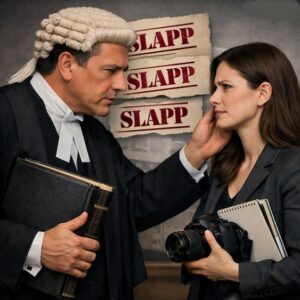 Strategic Lawsuits Against Public Participation, or SLAPPs, are legal actions… Read more: Strategic Lawsuit Against Public Participation (SLAPPs)
 - His Honour Judge Tony Baumgartner – Recorder of Westminster
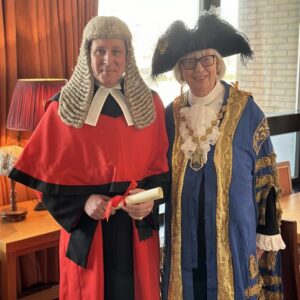 Judge Tony Alan Walter Baumgartner, known as His Honour Judge… Read more: His Honour Judge Tony Baumgartner – Recorder of Westminster
 - New Protocol for Legal Professionals to Raise Informal Concerns About Judges Behaviour
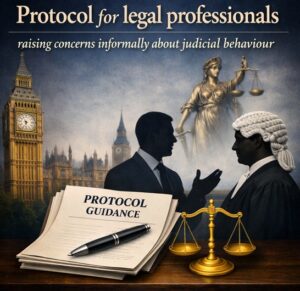 On the 8th July 2026, the Courts and Tribunals Judiciary… Read more: New Protocol for Legal Professionals to Raise Informal Concerns About Judges Behaviour
 - The Policing Performance System
 In April 2026, His Majesty’s Inspectorate of Constabulary and Fire… Read more: The Policing Performance System
Most Popular ↓
You should always seek formal legal advice from a qualified and reputable lawyer (solicitor or barrister).
There are a number of links to Free and Paid For Legal Resources and Legal Organisations on the Free Legal Advice , Legal Aid and Pro Bono pages.