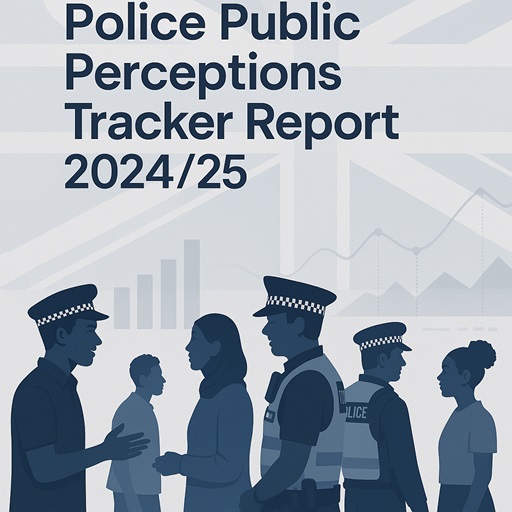
The Independent Office for Police Conduct (IOPC) undertake regular surveys to assess the public’s perceptions of the police, as well as their confidence in the police complaints system and the IOPC.
The IOPC also seek regular feedback from their stakeholders to understand what is working well and where improvement may be needed.
This feedback helps shape and inform the IOPC’s wider work to influence changes in policing, ensure accountability and encourage best practice and high standards of service. The surveys are an important tool for measuring the progress of the IOPC.
The IOPC/Police Public Perceptions Tracker Report 2024/25 published on the 17th June 2025 by the Independent Office for Police Conduct (IOPC) presents findings from a survey conducted by YouGov, tracking public attitudes towards policing and the IOPC in England and Wales.
Public Perceptions Tracker Key findings for 2024/25 – IOPC
- Half of the pubic say they feel positive towards the police (49%) and this sentiment has remained stable over the last three years.
- 48% of the public say they were not confidence in the police dealing fairly with complaints made against them (versus 42% who were confident).
- A majority of the public say that they would complain if unhappy about an officer’s behaviour towards them.
- Awareness of the IOPC is at the highest level since we were created but remains below the level when we were the IPCC.
- A majority of the public think that the IOPC is completely or somewhat independent of the police (70%).
Must Read ! Sussex Police, the King and High Sheriff
Overview of the Police Public Perceptions Tracker Report 2024/25
- Purpose: The report tracks public awareness of the IOPC, perceptions of its independence, confidence in the police complaints system, and attitudes towards the police, providing insights to improve policing oversight.
- Methodology: Data was collected through online surveys conducted in four waves (April, July, November, December 2024, and January 2025) with a sample of more than 4,000 adults, weighted to represent the UK adult population. The data was gathered by YouGov.
Other Key Findings
- Awareness of the IOPC:
- Awareness of the IOPC remains high, with 70% of respondents having heard of the organization, consistent with recent years.
- However, detailed knowledge remains low, with 54% of respondents unsure about the IOPC’s specific role or activities.
- Perception of IOPC Independence:
- 43% of respondents believe the IOPC is independent from of the police, a slight increase from previous years.
- Perceptions vary by demographic: older respondents (65+) and white respondents are more likely to view the IOPC as independent, while Black respondents and younger people (18–24) are more skeptical.
- Confidence in the IOPC:
- Confidence in the IOPC doing a “good job” job increased marginally to 47%**, up from 44% in 2023/24.
- 52% believe the IOPC can help improve policing by identifying areas for learning, though only 38% are confident it holds police accountable.
- Likelihood of Making a Police Complaint:
- 56% of respondents would likely make a complaint if dissatisfied with police conduct, stable compared to prior years.
- Barriers to complaining include lack of trust in the process (34%) and fear of repercussions (22%), particularly among minority groups.
- Public Views on Police:
- Negative sentiment towards the police has risen, with 28% expressing negative feelings in January 2025, up from 14% in January 2020.
- Confidence in how police handle complaints dropped to 35%, influenced by high-profile cases like the Sarah Everard murder and other police misconduct scandals.
- 44% believe police are effective at maintaining law and order, but only 30% trust them to act fairly.
- Demographic Variations:
- Black and Asian respondents report lower confidence in the IOPC and police compared to white respondents.
- Younger people (18–34) are less likely to trust the complaints system or feel positive about the police.
- Women are slightly more likely than men to express concerns about police fairness and accountability.
- Contextual Challenges:
- The report notes a challenging context for policing, with trust eroded by recent misconduct cases and media coverage.
- The IOPC’s role in addressing systemic issues, like race discrimination and violence against women, is seen as critical but faces public skepticism.
Implications and Recommendations
- Enhancing Awareness: The IOPC should focus on increasing public understanding of its role to boost trust and engagement.
- Addressing Barriers: Targeted outreach to minority and younger groups could reduce barriers to making complaints.
- Improving Trust: Strengthening transparency and communication about how complaints are handled may improve perceptions of police accountability.
- Learning Opportunities: The IOPC’s work in identifying police learning opportunities is valued, but more visible outcomes could enhance public confidence.
Conclusion
The 2024/25 Public Perceptions Tracker highlights steady IOPC awareness but persistent challenges in public trust towards both the IOPC and the police. While slight improvements in confidence and perceptions of independence are noted, negative views of policing and scepticism about complaint handling underscore the need for continued reform and engagement to rebuild trust.
Check out our articles on Policing by Consent, Police Impartiality, Police Professional Standards Department, Are the Police for Hire ?, Crime Reporting, What is a Police and Crime Commissioner ?, Sussex Police, Policing, Police News, Two Tiered Policing, Thought Police, Police Digital Service, Knowledge Hub – Police Digital Service, Wasting Police Time, Police Community Support Officers (PCSO), Met Police, Chief Constable Jo Shiner, R v Sussex Justices and the highly questionable Sussex Family Justice Board.
The Ministry of Injustice is not the Ministry of Justice nor is it affiliated in any way with the justice system, legal profession, police or any other law enforcement agencies.
“Publicity is the very soul of justice. . . . It keeps the judge himself, while trying, under trial….Where there is no publicity there is no justice”
Jeremy Bentham – Mr Justice Cobb: ‘Justice must be seen to be done’
Latest Articles ↓
- Presumption of Innocence
 The presumption of innocence is a basic principle of the… Read more: Presumption of Innocence
 - His Honour Judge Daniel Sawyer
 Judge Daniel Sawyer, known as His Honour Judge Daniel Sawyer,… Read more: His Honour Judge Daniel Sawyer
 - UK National Centre for Information Defence
 Prime Minister Andy Burnham used his first United Nations General… Read more: UK National Centre for Information Defence
 - Judges Behaving Badly and His Honour Judge Simon Oliver
 On the 27th August 2026 the Crown Prosecution Service announced… Read more: Judges Behaving Badly and His Honour Judge Simon Oliver
 - Jo Morris Barrister
 Jo Morris is a practising criminal barrister of Drystone Chambers… Read more: Jo Morris Barrister
 - Good Law Project
 The Good Law Project is a UK campaigning organisation that… Read more: Good Law Project
 - Police Federation of England and Wales (PFEW)
 The Police Federation of England and Wales (PFEW) is the… Read more: Police Federation of England and Wales (PFEW)
 - What is the Criminal Justice System (CJS) Common Platform ?
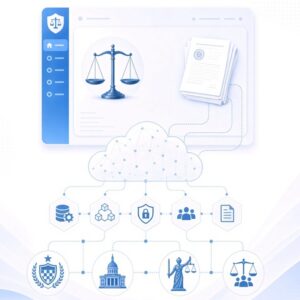 The Criminal Justice System Common Platform (also known as HMCTS… Read more: What is the Criminal Justice System (CJS) Common Platform ?
 - Strategic Lawsuit Against Public Participation (SLAPPs)
 Strategic Lawsuits Against Public Participation, or SLAPPs, are legal actions… Read more: Strategic Lawsuit Against Public Participation (SLAPPs)
 - His Honour Judge Tony Baumgartner – Recorder of Westminster
 Judge Tony Alan Walter Baumgartner, known as His Honour Judge… Read more: His Honour Judge Tony Baumgartner – Recorder of Westminster
 - New Protocol for Legal Professionals to Raise Informal Concerns About Judges Behaviour
 On the 8th July 2026, the Courts and Tribunals Judiciary… Read more: New Protocol for Legal Professionals to Raise Informal Concerns About Judges Behaviour
 - The Policing Performance System
 In April 2026, His Majesty’s Inspectorate of Constabulary and Fire… Read more: The Policing Performance System
Most Popular ↓
You should always seek formal legal advice from a qualified and reputable lawyer (solicitor or barrister).
There are a number of links to Free and Paid For Legal Resources and Legal Organisations on the Free Legal Advice , Legal Aid and Pro Bono pages.
[post_title] was last updated on the 15th October 2026
