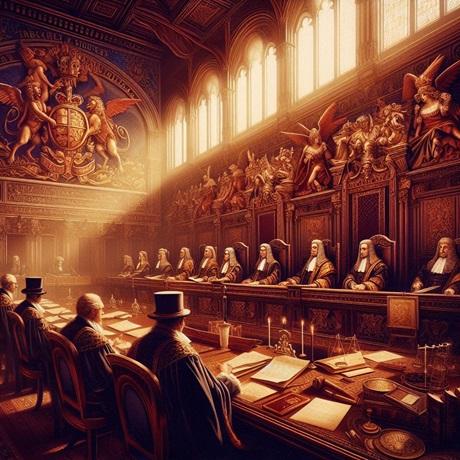
A judgment, also known as a judicial decision or court ruling, is the final decision made by a court of law in a legal case or dispute. It represents the court’s official decision on the matters brought before it and typically resolves the legal issues in question.
It is the culmination of legal proceedings, where a judge evaluates evidence, arguments and applicable laws to arrive at a verdict. Whether it’s a criminal case, family dispute, civil dispute or administrative matter, a judgment carries significant consequences for the parties involved.
A judgment may include various elements such as:
- Findings of Fact: The court’s determination of what events or circumstances occurred in the case.
- Conclusions of Law: The legal principles applied by the court to the facts of the case to reach a decision.
- Decision or Disposition: The specific outcome or ruling of the case, which could include a verdict of guilty or not guilty (in a criminal case), or a judgment for the plaintiff or defendant (in a civil case).
- Orders: Any specific actions or remedies ordered by the court as part of the judgment, such as monetary damages, injunctions, or other relief.
A court judgment is typically written and issued by a judge or a panel of judges. It is a formal and legally binding document that concludes the legal proceedings in the case, although it may be subject to appeal or modification under certain circumstances.
Sometimes, judgment is reserved, which means withholding a final opinion until more information is available. It acknowledges the complexity of issues and avoids premature conclusions.
These are the latest judgments published by the Courts and Tribunals Judiciary of England and Wales.
- Case Nos: BL-2021-000365 AND BL-2023-001171 In the High Court of JusticeBusiness and Property DivisionBusiness List Date: 23 October 2026 Before:Mr Justice Adam Johnson Between:Nebahat Evyap Isbilen – and – Selman Turk and ors – and –Hanson Asset Management Limited The post Nebahat Evyap Isbilen -v- Selman Turk and ors appeared first on Courts and Tribunals Judiciary.
- In the Bristol Crown Court R -v- Yasmeen Ali Sentencing Remarks of Mr Justice Linden The post R -v- Yasmeen Ali appeared first on Courts and Tribunals Judiciary.
- Case No: CA-2025-002755 In the Court of Appeal (Civil Division)on Appeal from the High Court of JusticeKing’s Bench DivisionAdministrative Court Date: 22 October 2026 Before: Lord Justice BakerLord Justice Lewisand Lord Justice Butcher Between: The King(on the application of CKT and DGT (by his mother and litigation friend CKT)-v-(1) Twyford Church of England Academies Trust(2) […] The post CKT and […]
- Case No: CA-2025-001643 In the Court of Appeal (Civil Division)on Appeal from the High Court of JusticeBusiness and Property Courts of England and WalesCommercial Court (KBD) Date: 21/10/2026 Before : Lord Justice MalesLord Justice WhippleandLord Justice Miles Between : The Republic of Mozambique -v- Privinvest Shipbuilding Sal (Holding) & Ors– and –(1) Ms Clara Martinez […] The post The Republic […]
- Case No: CH-2025-000115 In the High Court of Justice Business and Property DivisionAppeals List On appeal from decision no. O/0257/25 of Allan James, Hearing Officer for theRegistrar, dated 20 March 2025, under s76(2) of the Trade Marks Act 1994 Date: 23 October 2026 Before: Mr Justice Richards Between: Fifth Avenue Entertainment LLC -and- Commodore Entertainment […] The post Fifth Avenue […]
The Ministry of Injustice is not the Ministry of Justice nor is it affiliated in any way with the justice system, legal profession, police or any other law enforcement agencies.
“Publicity is the very soul of justice. . . . It keeps the judge himself, while trying, under trial….Where there is no publicity there is no justice”
Jeremy Bentham – Mr Justice Cobb: ‘Justice must be seen to be done’
Latest Articles ↓
- Presumption of Innocence
 The presumption of innocence is a basic principle of the… Read more: Presumption of Innocence
 - His Honour Judge Daniel Sawyer
 Judge Daniel Sawyer, known as His Honour Judge Daniel Sawyer,… Read more: His Honour Judge Daniel Sawyer
 - UK National Centre for Information Defence
 Prime Minister Andy Burnham used his first United Nations General… Read more: UK National Centre for Information Defence
 - Judges Behaving Badly and His Honour Judge Simon Oliver
 On the 27th August 2026 the Crown Prosecution Service announced… Read more: Judges Behaving Badly and His Honour Judge Simon Oliver
 - Jo Morris Barrister
 Jo Morris is a practising criminal barrister of Drystone Chambers… Read more: Jo Morris Barrister
 - Good Law Project
 The Good Law Project is a UK campaigning organisation that… Read more: Good Law Project
 - Police Federation of England and Wales (PFEW)
 The Police Federation of England and Wales (PFEW) is the… Read more: Police Federation of England and Wales (PFEW)
 - What is the Criminal Justice System (CJS) Common Platform ?
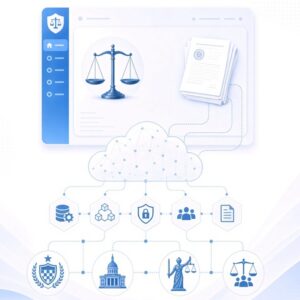 The Criminal Justice System Common Platform (also known as HMCTS… Read more: What is the Criminal Justice System (CJS) Common Platform ?
 - Strategic Lawsuit Against Public Participation (SLAPPs)
 Strategic Lawsuits Against Public Participation, or SLAPPs, are legal actions… Read more: Strategic Lawsuit Against Public Participation (SLAPPs)
 - His Honour Judge Tony Baumgartner – Recorder of Westminster
 Judge Tony Alan Walter Baumgartner, known as His Honour Judge… Read more: His Honour Judge Tony Baumgartner – Recorder of Westminster
 - New Protocol for Legal Professionals to Raise Informal Concerns About Judges Behaviour
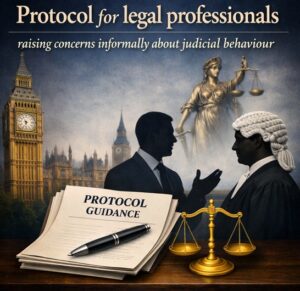 On the 8th July 2026, the Courts and Tribunals Judiciary… Read more: New Protocol for Legal Professionals to Raise Informal Concerns About Judges Behaviour
 - The Policing Performance System
 In April 2026, His Majesty’s Inspectorate of Constabulary and Fire… Read more: The Policing Performance System
Most Popular ↓
You should always seek formal legal advice from a qualified and reputable lawyer (solicitor or barrister).
There are a number of links to Free and Paid For Legal Resources and Legal Organisations on the Free Legal Advice , Legal Aid and Pro Bono pages.
[post_title] was last updated on the 15th October 2026
