
The Council of the Inns of Court (COIC), established as a charitable organization in 2014, plays a pivotal role in the legal community of the United Kingdom by overseeing professional standards and advocacy training for barristers. Based in London, COIC operates under the aegis of four historic Inns of Court—Lincoln’s Inn, Inner Temple, Middle Temple, and Gray’s Inn, each of which has its roots deeply embedded in centuries of legal tradition.
Structure and Leadership
The COIC is governed by a board comprising distinguished members from the legal field, including Anne Sharp CBE, Greg Dorey CVO, Christopher Ghika KCVO CBE, Marion Smith KC, and Brigadier Stephen Cartwright OBE. This diverse leadership reflects the Council’s commitment to a broad spectrum of legal expertise and administrative oversight. The recent appointment of Andy Russell as the new Director of COIC in August 2024 marks a new chapter in its operational direction, following the commendable tenure of his predecessor, James Wakefield.
Current Board members of the Council of the Inns of Court
- The Rt. Hon. Lord Justice Green (President)
- Janet Bignell KC, Lincoln’s Inn
- Anne Sharp CBE, Under Treasurer of Lincoln’s Inn
- Judge Jill Frances, Inner Temple
- Greg Dorey CVO, Sub-Treasurer of the Inner Temple
- Chantal-Aimee Doerries KC, Middle Temple
- Christopher Ghika KCVO CBE, Under Treasurer of Middle Temple
- Marion Smith KC, Gray’s Inn
- Brigadier Stephen Cartwright OBE, Under Treasurer of Gray’s Inn
Operational Arms
Under the COIC’s umbrella, two significant bodies operate:
- The Bar Tribunal and Adjudication Service (BTAS): This entity manages the disciplinary proceedings for barristers. It’s responsible for ensuring that members of the bar adhere to the highest standards of professional conduct. Recent updates to the sanctions guidelines by BTAS reflect a meticulous review of disciplinary practices, aiming for consistency and fairness in legal accountability.
- The Inns of Court College of Advocacy (ICCA): Committed to educational excellence, ICCA provides training not just for barristers but also for future legal professionals. Its focus on advocacy skills and professional ethics positions it as a hub for legal education, with initiatives like the ICCA Bar Course, which is validated by King’s College London, underscoring its academic rigor.
Mission and Impact
COIC’s mission is rooted in promoting the rule of law through advocacy excellence. By facilitating training, setting standards, and responding to legal consultations, COIC influences the broader legal landscape beyond the immediate confines of the Inns. Its efforts ensure that advocacy remains a cornerstone of justice, with a commitment to high ethical standards.
Founded by the Inns of Court, COIC works with them in strengthening the rule of law through excellence in professional and ethical education and in maintaining the highest standards of professional conduct. In practice this means that COIC will seek to promote:
• excellence in advocacy and professional knowledge
Statement of purpose – Council of the Inns of Court
• ethical practice and integrity
• an accessible, diverse, and inclusive profession
• a collaborative profession.
Historical Context and Cultural Significance
The Inns of Court, where COIC is deeply integrated, have historical ties not only to legal education but also to cultural and theatrical activities during the English Renaissance. This rich heritage underscores the COIC’s role not just as a regulatory body but as a custodian of legal tradition and culture.
The Council of the Inns of Court, through its structured governance, educational initiatives, and disciplinary oversight, continues to be a vital institution for the legal profession in the UK. Its operations ensure that the legal practitioners are not only well-trained but also held to a standard that upholds the integrity of the law.
As the COIC moves forward under new leadership, its role in shaping the future of advocacy and legal ethics remains as crucial as ever, maintaining the delicate balance between tradition and modernity in the legal world.
Check out our articles on Barristers, Direct Access Barristers, Inns of Court, Bar Standards Board, Bar Council, Law Society, Legal Services Board, Rule of Law, Lincoln’s Inn and the highly questionable Sussex Family Justice Board.
The Ministry of Injustice is not the Ministry of Justice nor is it affiliated in any way with the justice system, legal profession, police or any other law enforcement agencies.
“Publicity is the very soul of justice. . . . It keeps the judge himself, while trying, under trial….Where there is no publicity there is no justice”
Jeremy Bentham – Mr Justice Cobb: ‘Justice must be seen to be done’
Latest Articles ↓
- His Honour Judge Daniel Sawyer
 Judge Daniel Sawyer, known as His Honour Judge Daniel Sawyer,… Read more: His Honour Judge Daniel Sawyer
 - UK National Centre for Information Defence
 Prime Minister Andy Burnham used his first United Nations General… Read more: UK National Centre for Information Defence
 - Judges Behaving Badly and His Honour Judge Simon Oliver
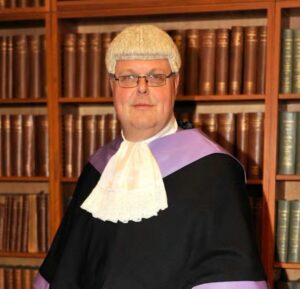 On the 27th August 2026 the Crown Prosecution Service announced… Read more: Judges Behaving Badly and His Honour Judge Simon Oliver
 - Jo Morris Barrister
 Jo Morris is a practising criminal barrister of Drystone Chambers… Read more: Jo Morris Barrister
 - Good Law Project
 The Good Law Project is a UK campaigning organisation that… Read more: Good Law Project
 - Police Federation of England and Wales (PFEW)
 The Police Federation of England and Wales (PFEW) is the… Read more: Police Federation of England and Wales (PFEW)
 - What is the Criminal Justice System (CJS) Common Platform ?
 The Criminal Justice System Common Platform (also known as HMCTS… Read more: What is the Criminal Justice System (CJS) Common Platform ?
 - Strategic Lawsuit Against Public Participation (SLAPPs)
 Strategic Lawsuits Against Public Participation, or SLAPPs, are legal actions… Read more: Strategic Lawsuit Against Public Participation (SLAPPs)
 - His Honour Judge Tony Baumgartner – Recorder of Westminster
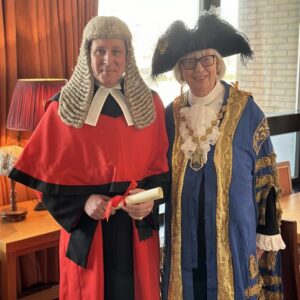 Judge Tony Alan Walter Baumgartner, known as His Honour Judge… Read more: His Honour Judge Tony Baumgartner – Recorder of Westminster
 - New Protocol for Legal Professionals to Raise Informal Concerns About Judges Behaviour
 On the 8th July 2026, the Courts and Tribunals Judiciary… Read more: New Protocol for Legal Professionals to Raise Informal Concerns About Judges Behaviour
 - The Policing Performance System
 In April 2026, His Majesty’s Inspectorate of Constabulary and Fire… Read more: The Policing Performance System
 - What is the Judicial College ?
 The Judicial College serves as the central pillar of professional… Read more: What is the Judicial College ?
Most Popular ↓
You should always seek formal legal advice from a qualified and reputable lawyer (solicitor or barrister).
There are a number of links to Free and Paid For Legal Resources and Legal Organisations on the Free Legal Advice , Legal Aid and Pro Bono pages.
[post_title] was last updated on the 12th October 2026
