
In England and Wales, barristers are regulated professionals bound by strict ethical standards outlined in version 5.0 of the Bar Standards Board (BSB) Handbook.
Lying on a CV by a barrister risks serious professional and criminal consequences, but whether such misconduct warrants disbarment depends on the nature, intent and impact of the deception.
This article examines whether a barrister who falsifies their CV should be disbarred.
What is Disbarment ?
Disbarment is the formal process by which a barrister is stripped of their professional status and prohibited from practising as a barrister in England and Wales.
It is overseen by the Bar Standards Board (BSB), the regulatory body for barristers, through its Disciplinary Tribunal. When a barrister is disbarred, their name is removed from the Bar’s register, and they lose the right to represent clients in court, provide legal advice as a barrister, or hold themselves out as a member of the profession.
Disbarment is permanent unless the barrister successfully appeals or applies for readmission after a significant period, which is rare and subject to stringent conditions.
Ethical Standards and Duties
Barristers are governed by the Bar Standards Board Core Duties, particularly Core Duty 3 (acting with honesty and integrity) and Core Duty 5 (not behaving in a way that diminishes public trust in the profession).
Falsifying a CV, whether to secure pupillage, tenancy in chambers, or client instructions, breaches these duties. The severity of the lie determines the sanction. Minor exaggerations, such as overstating involvement in a case or inflating academic grades, may lead to disciplinary measures like fines, reprimands or suspension.
However, significant falsehoods, such as fabricating academic qualifications, professional credentials, or Bar membership are considered grave misconduct, potentially justifying disbarment especially if they enable unqualified practice or harm clients.
Bar Standards Board Disciplinary Process
The BSB Disciplinary Process is designed to investigate complaints against barristers and impose sanctions for breaches of the BSB Handbook, particularly Core Duties like honesty and integrity (Core Duty 3) and maintaining public trust (Core Duty 5).
Misconduct, such as falsifying a CV, can trigger this process if it undermines a barrister’s fitness to practise or the profession’s reputation.
The process is transparent, independent, and aims to protect the public while ensuring fairness for the barrister. It involves several stages, from receiving a complaint to potential tribunal hearings and sanctions, including disbarment for serious cases.
Stage 1: Receiving and Assessing Complaints
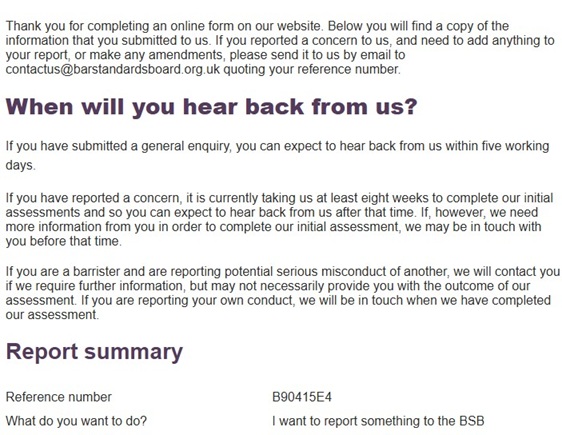
The process begins when the BSB receives a complaint, which may come from clients, colleagues, employers, courts, or the public.
For example, a complaint might allege a barrister misrepresented qualifications on their CV to secure pupillage or tenancy. The BSB’s Professional Conduct Department assesses whether the complaint raises a potential breach of the BSB Handbook.
Minor issues may be resolved informally or dismissed if they lack evidence.
If the complaint suggests serious misconduct, such as fabricating credentials, it proceeds to investigation. The BSB may also initiate investigations without a formal complaint if it becomes aware of potential misconduct such as through media reports or regulatory checks.
Stage 2: Investigation
During the investigation, the BSB gathers evidence, which may include documents, witness statements or the barrister’s response.
For a CV-related lie, this could involve verifying academic records, professional qualifications, or employment history. The BSB may contact universities, employers, or chambers to confirm the accuracy of the barrister’s claims.
The barrister is given an opportunity to respond to the allegations. The investigation determines whether there is sufficient evidence to refer the case to a Disciplinary Tribunal or resolve it through alternative means, such as an administrative sanction (e.g., a fine or warning for minor breaches).
Stage 3: Disciplinary Tribunal
If the investigation finds evidence of serious misconduct, the case is referred to an independent Disciplinary Tribunal, administered by the Bar Tribunals and Adjudication Service (BTAS).
The tribunal, typically comprising a legally qualified chair and lay members, hears evidence from both the BSB and the barrister. For a CV lie, the tribunal assesses factors like the severity of the deception (e.g., exaggerating case experience versus fabricating a degree), intent, harm caused (to clients, courts, or competitors) and the barrister’s remorse or corrective actions.
The BSB Sanctions Guidance treats dishonesty as an aggravating factor, and tribunals may impose sanctions ranging from reprimands to disbarment.
Sanctions and Outcomes
Sanctions depend on the misconduct’s severity. Minor CV exaggerations might result in fines, reprimands, or temporary suspension, while serious falsehoods, like practising without qualifications, could lead to disbarment, removing the barrister from the profession.
The tribunal’s decision balances proportionality with the need to protect the public and uphold professional standards. Decisions are often published on the BSB and BTAS websites, reinforcing transparency.
Barristers can appeal to the High Court, but successful appeals are rare without procedural errors or new evidence.
Impact of the Lie
The consequences of the lie are critical in determining the sanction or criminal proceedings for fraud.
If the falsehood directly affects the administration of justice, for example, by misleading courts or clients about expertise, it is more likely to result in severe penalties, including disbarment.
Even if the lie is confined to a CV used to secure pupillage or employment, it remains serious, as it may deprive others of opportunities and undermine trust in the selection process.
(1) A person is in breach of this section if he—
(a) dishonestly makes a false representation, and
(b) intends, by making the representation—
(i) to make a gain for himself or another, or
(ii) to cause loss to another or to expose another to a risk of loss.
(2) A representation is false if—
(a) it is untrue or misleading, and
(b) the person making it knows that it is, or might be, untrue or misleading.
Fraud by false representation – Fraud Act 2006 – Section 2
Public confidence in the legal profession is paramount, and the BSB prioritises protecting this trust. Dishonesty, even outside direct practice, risks tarnishing the profession’s reputation particularly if it becomes public knowledge.
Precedents and Proportionality
BSB disciplinary findings provide examples of outcomes. In severe cases, such as a barrister practising without proper qualifications, disbarment is common to safeguard the public and uphold professional standards. Less egregious cases, where no direct harm occurs, might result in suspension or conditions on practice.
Barrister Anurag Mohindru KC a ‘brilliantly successful’ barrister has been disbarred for lying that he studied at Oxford – Daily Mail – 15/09/25
His Honour Judge Inman KC – the High Court Judge that never was !
Tribunals aim to balance proportionality with deterrence, ensuring sanctions reflect the misconduct’s severity while discouraging future breaches.
Conclusion
A barrister who lies on their CV should face disbarment if the deception is serious, intentional, and undermines their fitness to practise or public trust in the profession.
Minor or unintentional misrepresentations are more likely to attract lesser sanctions, such as fines or suspension. The BSB Disciplinary Tribunal makes the final determination based on evidence and context.
Read the reviews of Junior Sussex Barrister Gavin Howe and Legal 500 Junior Barrister Eleanor Battie.
Check out our related articles on Bullying, Harassment and Discrimination at the Bar, The Secret Barrister, Barristers, Direct Access Barrister, Barristers Behaving Badly, Inns of Court, Council of the Inns of Court, Bar Standards Board, Bar Tribunal and Adjudication Services, Bar Council, Rule of Law, Open Justice, Innocent until Proven Guilty and the highly questionable Sussex Family Justice Board.
The Ministry of Injustice is not the Ministry of Justice nor is it affiliated in any way with the justice system, legal profession, police or any other law enforcement agencies.
“Publicity is the very soul of justice. . . . It keeps the judge himself, while trying, under trial….Where there is no publicity there is no justice”
Jeremy Bentham – Mr Justice Cobb: ‘Justice must be seen to be done’
Latest Articles ↓
- Presumption of Innocence
 The presumption of innocence is a basic principle of the… Read more: Presumption of Innocence
 - His Honour Judge Daniel Sawyer
 Judge Daniel Sawyer, known as His Honour Judge Daniel Sawyer,… Read more: His Honour Judge Daniel Sawyer
 - UK National Centre for Information Defence
 Prime Minister Andy Burnham used his first United Nations General… Read more: UK National Centre for Information Defence
 - Judges Behaving Badly and His Honour Judge Simon Oliver
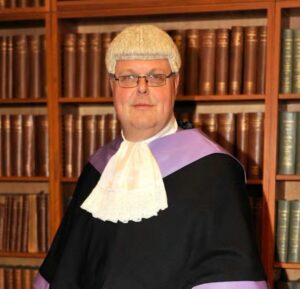 On the 27th August 2026 the Crown Prosecution Service announced… Read more: Judges Behaving Badly and His Honour Judge Simon Oliver
 - Jo Morris Barrister
 Jo Morris is a practising criminal barrister of Drystone Chambers… Read more: Jo Morris Barrister
 - Good Law Project
 The Good Law Project is a UK campaigning organisation that… Read more: Good Law Project
 - Police Federation of England and Wales (PFEW)
 The Police Federation of England and Wales (PFEW) is the… Read more: Police Federation of England and Wales (PFEW)
 - What is the Criminal Justice System (CJS) Common Platform ?
 The Criminal Justice System Common Platform (also known as HMCTS… Read more: What is the Criminal Justice System (CJS) Common Platform ?
 - Strategic Lawsuit Against Public Participation (SLAPPs)
 Strategic Lawsuits Against Public Participation, or SLAPPs, are legal actions… Read more: Strategic Lawsuit Against Public Participation (SLAPPs)
 - His Honour Judge Tony Baumgartner – Recorder of Westminster
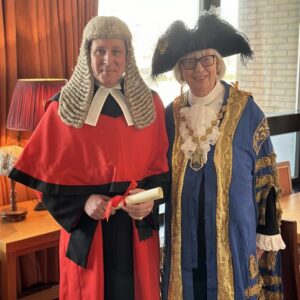 Judge Tony Alan Walter Baumgartner, known as His Honour Judge… Read more: His Honour Judge Tony Baumgartner – Recorder of Westminster
 - New Protocol for Legal Professionals to Raise Informal Concerns About Judges Behaviour
 On the 8th July 2026, the Courts and Tribunals Judiciary… Read more: New Protocol for Legal Professionals to Raise Informal Concerns About Judges Behaviour
 - The Policing Performance System
 In April 2026, His Majesty’s Inspectorate of Constabulary and Fire… Read more: The Policing Performance System
Most Popular ↓
You should always seek formal legal advice from a qualified and reputable lawyer (solicitor or barrister).
There are a number of links to Free and Paid For Legal Resources and Legal Organisations on the Free Legal Advice , Legal Aid and Pro Bono pages.
[post_title] was last updated on the 15th October 2026
