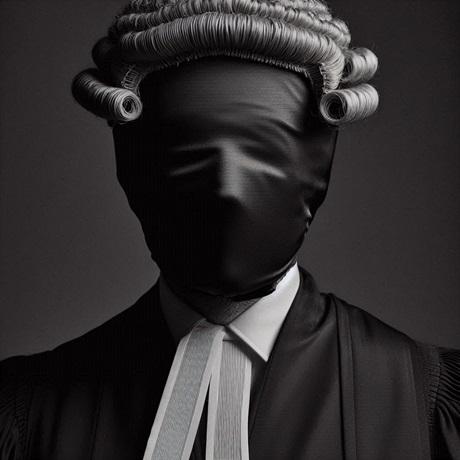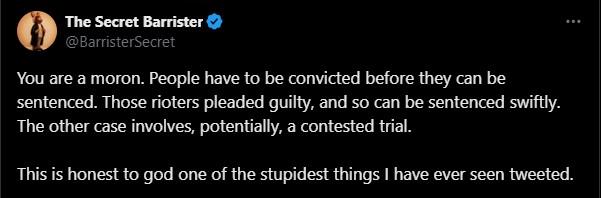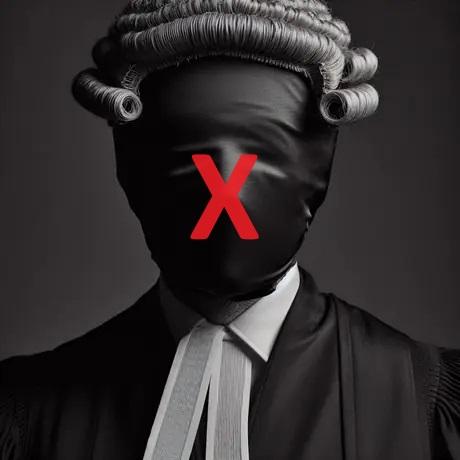
A complaint was made to the Bar Standards Board about The Secret Barrister on the 8th August 2024.
On the 13th August 2024, The Bar Standards Board replied “…It is possible the person may not even be a barrister”
Update 23rd August 2024 – Paul Embery wrote an article Crossing swords with the ‘Secret [and very intolerant] Barrister’
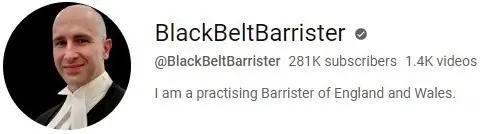
The Secret Barrister should not be confused with the BlackBelt Barrister.
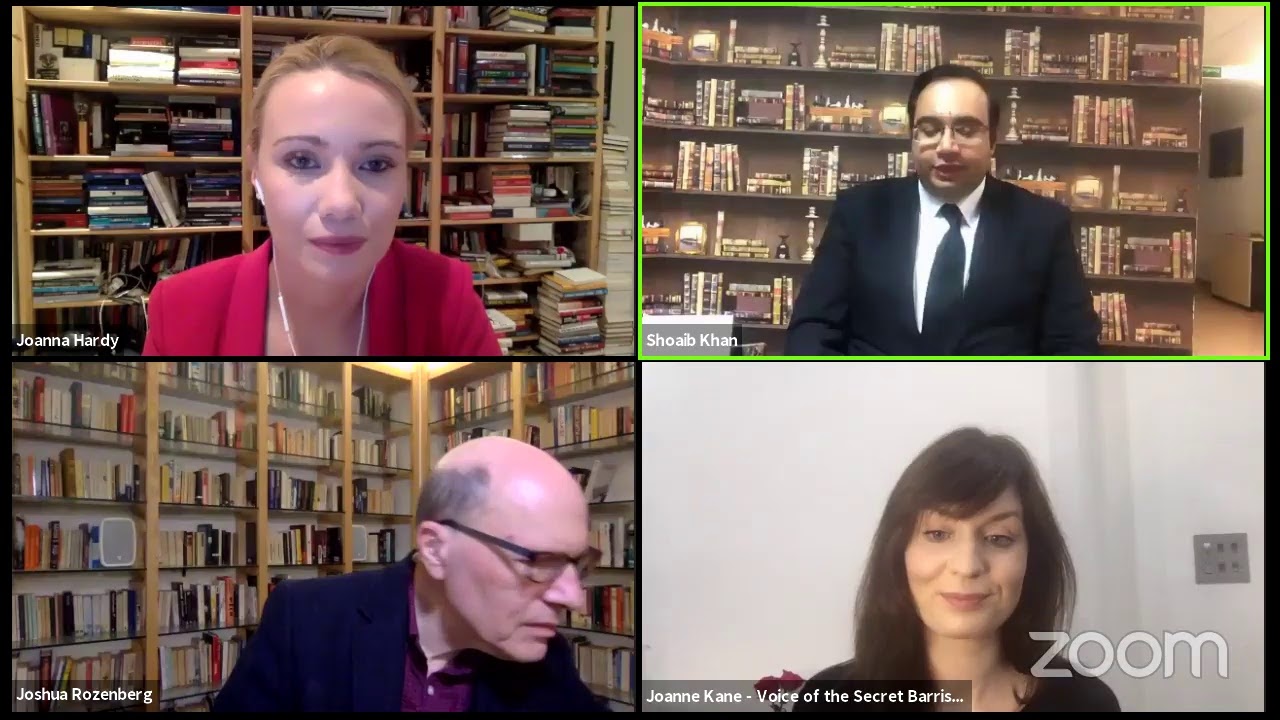
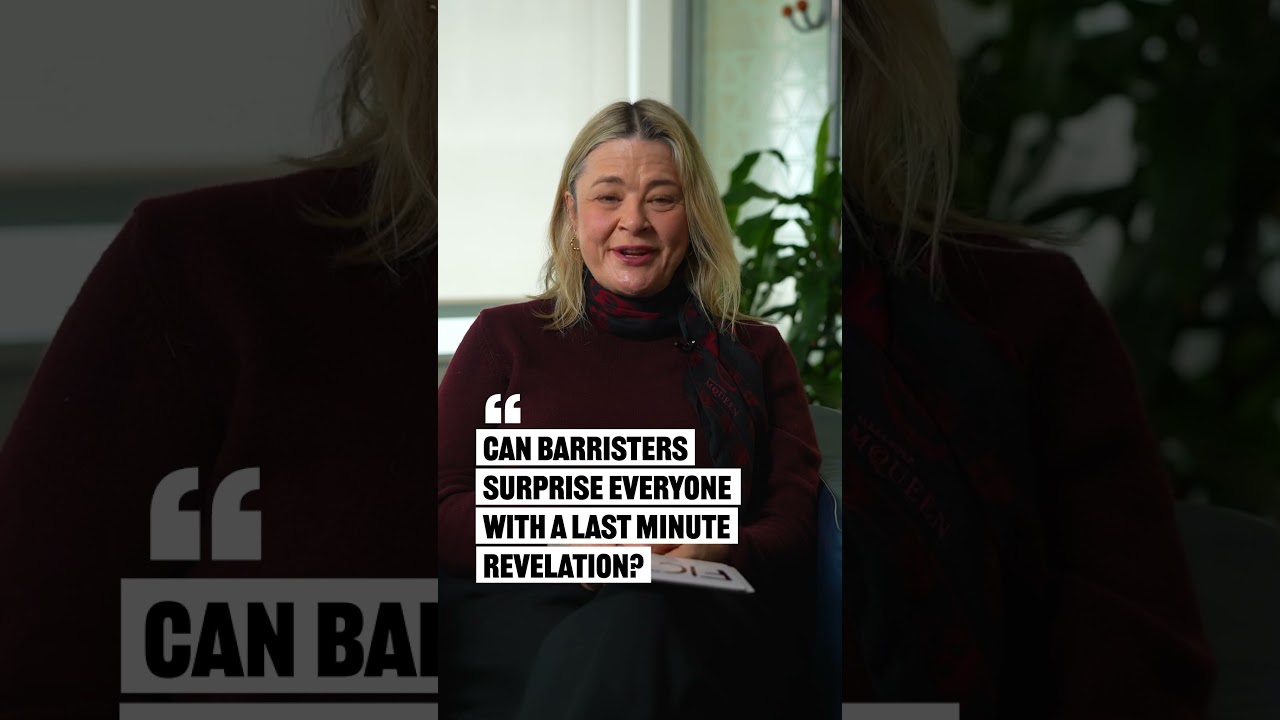
A Google Search for The Secret Barrister shows that they are an Award-winning Sunday Times No.1 bestselling author much lauded by the public and legal profession.
The Secret Barrister states on their Secret Barrister website….
“The Secret Barrister is a junior barrister specialising in criminal law, and part-time author and blogger.”
The Secret Barrister also state (correctly) that they have won an award from the Law Society.
“In 2018, the Secret Barrister was named Legal Personality of The Year at the Law Society Awards.”
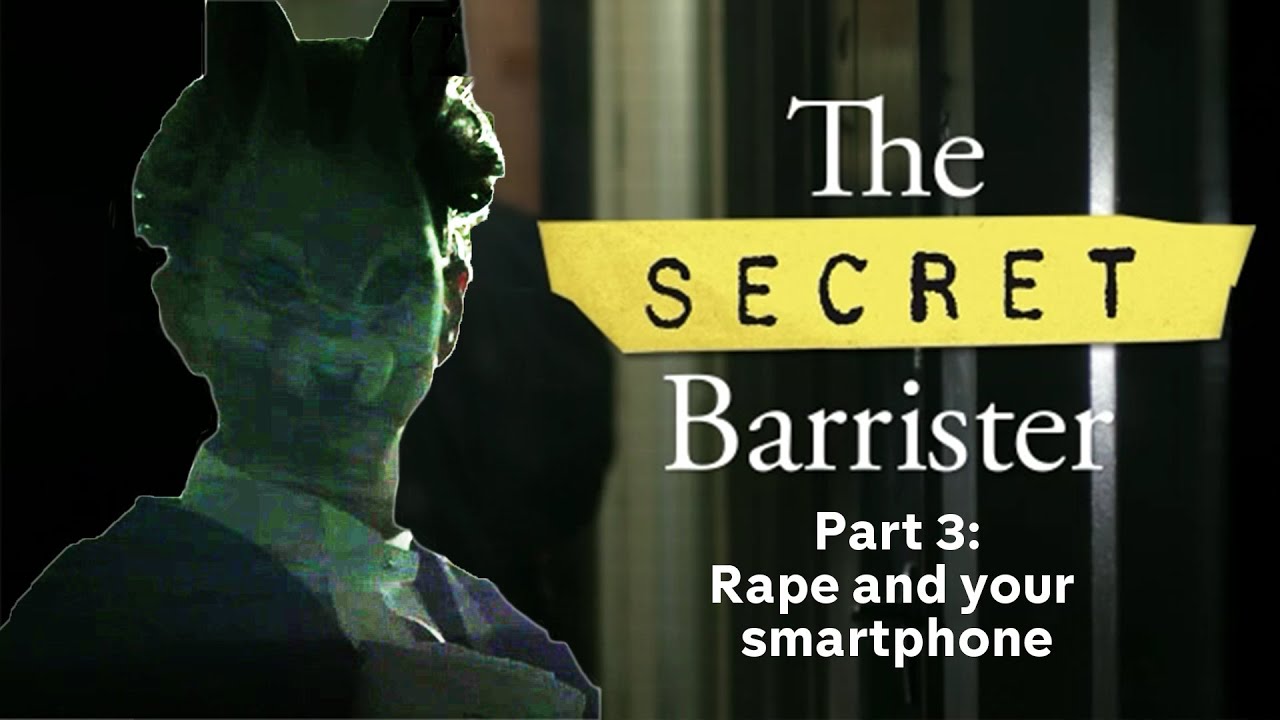
“In 2020, Channel 4 News produced a four-part documentary series, The Secret Barrister: Disordered Justice.” The series can be viewed here.
Since 2015, a barrister practising criminal law in the UK started blogging and tweeting under the pseudonym ‘The Secret Barrister’.
The Secret Barrister – Legal 500
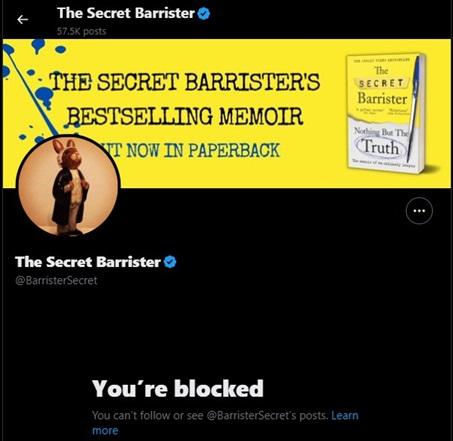
The Secret Barrister regularly posts on X (formerly Twitter) and they have a blue tick which shows that they are verified and a criminal lawyer.
Seems a bit odd that the Bar Standards Board don’t think the Secret Barrister is a Barrister !
If the Secret Barrister is not a Barrister then surely this should be of concern to the Bar Standards Board ? This would also be an offence under the Legal Services Act 2007 ?
It is highly likely that The Bar Standards Board know :-
- The identity of the Secret Barrister
- That the Secret Barrister is a barrister regulated by the Bar Standards Board
The Secret Barrister is, contrary to the email from the Bar Standards Board Contact and Assessment Team, most definitely identifiable and should be subject to proper investigation in the public interest.
The Bar Standards Board Corporate Services Team have been asked to explain. They have 20 working days to do so.
From: BSB Contact Us <[email protected]>
Sent: Tuesday, August 13, 2024 2:48 PM
To: Dom Watts
Subject: RE: Reporting a concerns about a practising barrister (The Secret Barrister) 2024/1910Dear Mr Watts
Thank you for your email and for sharing your concerns with us.
However, we are only able to deal with matters about a barrister that is identifiable, and it is the reporter’s responsibility to provide us with the name. It is possible the person may not even be a barrister; therefore, we will not be able to assess this matter further and the case is now closed in our system. If you want to make a report in the future, you will need to provide us with the name of the barrister and evidence of your concern.
We are sorry that we are unable to help at this time.
Kind regards,
Contact and Assessment Team
Bar Standards Board
Email: [email protected]
Bar Standards Board Email – Secret Barrister
Is The Secret Barrister Lyndon Harris of 6KPW Barrister Chambers ?
Check out our related articles on The Secret Barrister, Barristers, Direct Access Barrister, Barristers Behaving Badly, Inns of Court, Council of the Inns of Court, Bar Standards Board, Bar Tribunal and Adjudication Services, Bar Council, Rule of Law, Open Justice, Innocent until Proven Guilty and the highly questionable Sussex Family Justice Board.
The Ministry of Injustice is not the Ministry of Justice nor is it affiliated in any way with the justice system, legal profession, police or any other law enforcement agencies.
“Publicity is the very soul of justice. . . . It keeps the judge himself, while trying, under trial….Where there is no publicity there is no justice”
Jeremy Bentham – Mr Justice Cobb: ‘Justice must be seen to be done’
Latest Articles ↓
- Presumption of Innocence
 The presumption of innocence is a basic principle of the… Read more: Presumption of Innocence
 - His Honour Judge Daniel Sawyer
 Judge Daniel Sawyer, known as His Honour Judge Daniel Sawyer,… Read more: His Honour Judge Daniel Sawyer
 - UK National Centre for Information Defence
 Prime Minister Andy Burnham used his first United Nations General… Read more: UK National Centre for Information Defence
 - Judges Behaving Badly and His Honour Judge Simon Oliver
 On the 27th August 2026 the Crown Prosecution Service announced… Read more: Judges Behaving Badly and His Honour Judge Simon Oliver
 - Jo Morris Barrister
 Jo Morris is a practising criminal barrister of Drystone Chambers… Read more: Jo Morris Barrister
 - Good Law Project
 The Good Law Project is a UK campaigning organisation that… Read more: Good Law Project
 - Police Federation of England and Wales (PFEW)
 The Police Federation of England and Wales (PFEW) is the… Read more: Police Federation of England and Wales (PFEW)
 - What is the Criminal Justice System (CJS) Common Platform ?
 The Criminal Justice System Common Platform (also known as HMCTS… Read more: What is the Criminal Justice System (CJS) Common Platform ?
 - Strategic Lawsuit Against Public Participation (SLAPPs)
 Strategic Lawsuits Against Public Participation, or SLAPPs, are legal actions… Read more: Strategic Lawsuit Against Public Participation (SLAPPs)
 - His Honour Judge Tony Baumgartner – Recorder of Westminster
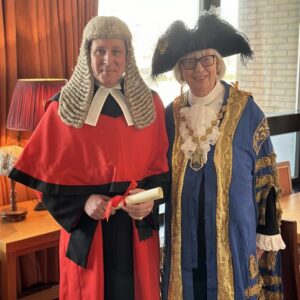 Judge Tony Alan Walter Baumgartner, known as His Honour Judge… Read more: His Honour Judge Tony Baumgartner – Recorder of Westminster
 - New Protocol for Legal Professionals to Raise Informal Concerns About Judges Behaviour
 On the 8th July 2026, the Courts and Tribunals Judiciary… Read more: New Protocol for Legal Professionals to Raise Informal Concerns About Judges Behaviour
 - The Policing Performance System
 In April 2026, His Majesty’s Inspectorate of Constabulary and Fire… Read more: The Policing Performance System
Most Popular ↓
You should always seek formal legal advice from a qualified and reputable lawyer (solicitor or barrister).
There are a number of links to Free and Paid For Legal Resources and Legal Organisations on the Free Legal Advice , Legal Aid and Pro Bono pages.