Categories
Criminal Justice Law Legal Analysis

What is the Criminal Cases Review Commission ?

The Criminal Cases Review Commission (CCRC) stands as a vital institution within the criminal justice system, dedicated to investigating potential miscarriages of justice.

Established in 1997 under the Criminal Appeal Act 1995, the CCRC was created in response to high-profile cases, such as the Birmingham Six and Guildford Four, which exposed systemic flaws in the justice system. Its primary role is to review cases where individuals believe they have been wrongfully convicted or sentenced, offering a crucial safety net for those failed by the courts.

Applications and investigations (April 1997 – April 2025)
  • 33,299 applications received (including all ineligible cases)
  • 32,157 cases completed
  • 937 cases under review
    205 awaiting consideration
Referrals and decisions (April 1997 – April 2025)
  • 873 cases referred to appeal courts
  • 844 appeals heard by the courts
  • 591 successful appeals
    235 decisions upheld
    18 abandoned by applicant
Criminal Cases Review Commission – Facts and Figures

Is the UK Criminal Justice System Broken ?

The CCRC operates independently of the government, courts, and police, ensuring impartiality in its investigations. Based in Birmingham, England, it serves England, Wales, and Northern Ireland, while Scotland has its own equivalent, the Scottish Criminal Cases Review Commission.

The commission comprises a team of case reviewers, legal experts, and investigators who meticulously examine applications to determine whether there is new evidence or arguments that could warrant referring a case back to the appeal courts.

The process begins when an individual, or their representative, submits an application to the CCRC. Applicants must have already exhausted the standard appeal process, as the commission does not function as a secondary appeal court. Instead, it focuses on identifying cases where there is a “real possibility” that a conviction or sentence would not be upheld if new evidence or legal arguments were considered. This high threshold ensures that only cases with substantial grounds for review are referred to the Court of Appeal or, in some instances, the Crown Court.

The Criminal Cases Review Commission powers are extensive, allowing it to access documents, interview witnesses, and commission forensic tests or expert reports. For example, it can request DNA analysis or re-examine witness statements that may have been overlooked or misinterpreted during the original trial. Since its inception, the commission has reviewed thousands of cases, with over 700 referrals leading to overturned convictions or modified sentences by 2023. Notable successes include the quashing of convictions in cases like those of Sally Clark, wrongly convicted of murdering her children, and Victor Nealon, whose conviction was overturned after DNA evidence pointed to another suspect.

Despite its achievements, the CCRC faces challenges. Limited funding and resources can lead to delays in case reviews, with some applicants waiting years for a resolution. Critics argue that the “real possibility” test sets too high a bar, potentially excluding cases where miscarriages of justice may have occurred but lack definitive new evidence. Additionally, the commission has no authority to overturn convictions itself; it can only refer cases to the appeal courts, which may uphold the original decision.

The Criminal Cases Review Commission work is particularly significant in an era where public trust in the justice system is often tested. High-profile cases, such as the Post Office Horizon scandal, have underscored the need for an independent body to address systemic failures.

The commission’s ability to adapt to emerging technologies, like advanced forensic techniques, has also strengthened its role in uncovering truths that were previously inaccessible.

Public awareness of the CCRC remains relatively low, and many eligible individuals may not know they can apply for a review. To address this, the commission engages in outreach efforts, including working with legal professionals and advocacy groups to ensure that those who need its services are informed.

Its commitment to transparency is evident in its detailed annual reports, which outline its activities and highlight significant cases.In conclusion, the Criminal Cases Review Commission plays an indispensable role in safeguarding justice in the UK.

By providing a mechanism to correct wrongful convictions and sentences, it upholds the principle that no one should suffer unjustly under the law. While challenges remain, the CCRC’s dedication to fairness and its ability to evolve with the times ensure it remains a cornerstone of the criminal justice system, offering hope to those who have been let down by the courts.

The email address for general inquiries to the Criminal Cases Review Commission (CCRC) is [email protected].

Check out our articles on Rule of Law, Open Justice, Justice System, Criminal Justice, R v Sussex Justices, Forensic Science Regulator, Litigants in Person, McKenzie Friend, Reasonable Person Test, What is Bail ?, Do you Have to Bow to a Judge ?, Can you Email a Judge ?, Can you Criticise a Judge ? and the highly dubious Sussex Family Justice Board.


The Ministry of Injustice is not the Ministry of Justice nor is it affiliated in any way with the justice system, legal profession, police or any other law enforcement agencies.


Latest Articles


Most Popular


You should always seek formal legal advice from a qualified and reputable lawyer (solicitor or barrister).

There are a number of links to Free and Paid For Legal Resources and Legal Organisations on the Free Legal Advice , Legal Aid and Pro Bono pages.


Categories
Criminal Justice Free Speech Law Legal Analysis Police

Did Bobby Vylan and the BBC break the law at Glastonbury 2025 ?

The performance by Bob Vylan at Glastonbury 2025, where frontman Bobby Vylan (reportedly Pascal Robinson-Foster) led chants of “death, death to the IDF” and “from the river to the sea, Palestine will be free,” has prompted an investigation by Avon and Somerset Police to determine if any criminal offences were committed.

In any investigation by the police, it is vitally important that there should no suggestion of two tier policing or two tier justice.

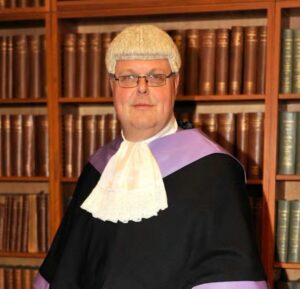
His Honour Judge Melbourne Inman KC (The Recorder of Birmingham and The High Court Judge that never was) sentenced Lucy Connolly at Birmingham Crown Court to two years and seven months in prison for publishing written material that incited racial hatred.

Can you email a judge such as the Lady Chief Justice of England and Wales about a dishonest judge such as HHJ Melbourne Inman ?

Potential Offenses Under UK Law

  1. Incitement to Racial or Religious Hatred (Public Order Act 1986, Section 18)
    • Description: This section makes it an offense to use threatening, abusive, or insulting words or behaviour with the intent to stir up racial or religious hatred, or where such hatred is likely to be stirred up. The maximum penalty is seven years in prison.
    • Relevance to Bob Vylan: UK Lawyers for Israel (UKLI) have suggested that Bobby Vylan’s chants, particularly “death, death to the IDF,” may breach this section by causing harassment, alarm, or distress and potentially stirring up racial or religious hatred, given the reference to the Israeli Defense Forces (IDF). The phrase “from the river to the sea” is contentious, with some interpreting it as a call for the elimination of Israel, which could be seen as targeting Jewish self-determination or inciting hatred against Jewish people. However, others argue it is a call for Palestinian liberation, and its interpretation depends heavily on context.
    • Analysis: For a conviction, prosecutors must prove intent to stir up hatred or that hatred was likely to result. The performance context—a music festival with a politically charged atmosphere—may complicate proving intent, as artistic expression often enjoys some legal protection. However, the explicit call for “death” to a specific group (the IDF) could be seen as crossing into threatening language, especially if interpreted as targeting Israeli nationals or Jewish people broadly. The lack of immediate violence following the performance might weaken the case for “likelihood” of hatred being stirred up, but public reaction and the broadcast’s reach could be considered aggravating factors.
  2. Incitement to Violence (Common Law or Public Order Act 1986, Section 4)
    • Description: Incitement to violence is an offense under common law or Section 4 of the Public Order Act, which addresses threatening or abusive behaviour intended to cause fear of violence or provoke immediate unlawful violence. The maximum penalty under Section 4 is six months in prison.
    • Relevance to Bob Vylan: Bobby Vylan’s statement, “We are the violent punks, because sometimes you have to get your message across with violence because that is the only language some people speak,” alongside the “death to the IDF” chant, has been cited as potential incitement to violence. Shadow Home Secretary Chris Philp and former Home Secretary Baroness Smith have argued that the chant constitutes incitement, with Philp calling for prosecution.
    • Analysis: The threshold for incitement requires a clear intention to provoke violence and a likelihood of it occurring. The chant’s violent imagery could be interpreted as incitement, particularly in a charged political context. However, the festival setting, where provocative rhetoric is common in punk performances, and the absence of immediate violence may suggest the statement was performative rather than a direct call to action. Bobby Vylan’s broader comments about using violence to communicate could be scrutinised, but artistic expression and political protest often blur legal lines, making prosecution challenging without evidence of specific intent or immediate harm.
  3. Causing Harassment, Alarm, or Distress (Public Order Act 1986, Section 5)
    • Description: This section criminalises threatening or abusive words or behaviour within the hearing or sight of a person likely to be caused harassment, alarm, or distress. It carries a fine as the maximum penalty.
    • Relevance to Bob Vylan: UKLI has claimed that the chant “death, death to the IDF” could breach Section 5 by causing distress to audience members or viewers, particularly those who identify with Israel or the Jewish community.
    • Analysis: This offense has a lower threshold than Section 18, as it does not require intent to stir up hatred, only that the behaviour was threatening or abusive and likely to cause distress. The chant’s explicit call for “death” could meet this threshold, especially given its broadcast to a wide audience. However, the festival context and Bob Vylan’s history of provocative performances (e.g., addressing racism and political issues) might frame the chant as artistic or political expression, potentially protected under free speech principles. The subjective nature of “distress” makes this offense plausible but less severe.
  4. Broadcasting Material Stirring Up Racial Hatred (Public Order Act 1986, Section 22)
    • Description: This section makes it an offense for a broadcaster to transmit material that is likely to stir up racial hatred, particularly if it was reasonably practicable to remove the content before broadcast. The maximum penalty is seven years in prison.
    • Relevance to Bob Vylan and the BBC: The BBC’s live broadcast of Bob Vylan’s performance has been criticised for potentially breaching this section, as the chant was aired without being cut. UKLI and former BBC Director Danny Cohen have argued that the BBC’s failure to intervene constitutes a criminal offense, especially given prior antisemitism training for staff.
    • Analysis: While this offense primarily applies to the BBC, it indirectly implicates Bob Vylan as the source of the content. The BBC issued an on-screen warning about “very strong and discriminatory language” during the livestream, suggesting awareness of the content’s potential impact. However, the decision to continue broadcasting for over 40 minutes before removing the performance from iPlayer could be seen as a failure to exercise due diligence. For Bob Vylan, this offense would only apply if they were complicit in ensuring the broadcast, which seems unlikely. The focus here is more on the BBC’s editorial decisions than the band’s actions.

Additional Context and Considerations

  • Police Investigation: Avon and Somerset Police are reviewing video footage to assess whether any offenses were committed. This indicates that no charges have been filed as of June 30, 2025, and the investigation is ongoing. The police’s focus is on both Bob Vylan’s and Kneecap’s performances, suggesting a broader scrutiny of politically charged acts at Glastonbury.
  • Political and Public Reaction: The performance has drawn condemnation from Prime Minister Keir Starmer, Culture Secretary Lisa Nandy, and Conservative leader Kemi Badenoch, who labeled it “grotesque” and “hate speech.” The Israeli Embassy criticised the chants as advocating for the dismantling of Israel, raising concerns about normalising extremist language. Conversely, civil liberties groups have warned that prosecuting such performances risks blurring the line between censorship and accountability, highlighting the tension between free speech and hate speech laws.
  • Festival and BBC Response: Glastonbury organisers, including Emily Eavis, condemned the chants as “appalling” and emphasised that they do not endorse performers’ views. The BBC removed the performance from iPlayer and issued a statement calling the comments “deeply offensive,” but faced criticism for not cutting the live feed sooner.
  • Bob Vylan’s Statement: Bobby Vylan (reportedly Pascal Robinson-Foster) stood by his comments in a social media post, framing them as a call for a change in foreign policy and expressing solidarity with Palestinians. He acknowledged receiving both support and hatred but did not retract his statements.
  • Context of the Performance: Bob Vylan’s set included a screen displaying “Free Palestine – United Nations have called it a genocide – the BBC calls it a ‘conflict,’” reflecting their broader critique of26 of UK and US foreign policy. Their punk-rap style often involves provocative political commentary, which may argue for the chants being artistic expression.

Critical Perspective

The case highlights a tension between free speech, artistic expression, and legal boundaries around hate speech and incitement. UK hate speech laws, particularly under the Public Order Act, are designed to prevent harm but can be vague, leading to debates about their application to political or artistic statements. The phrase “from the river to the sea” is particularly contentious—interpreted by some as a legitimate call for Palestinian rights and by others as antisemitic or genocidal. The legal outcome may hinge on whether the chants are deemed to target a racial or religious group (e.g., Jewish people) or a military institution (the IDF), as well as the intent and context of the performance.

The BBC’s role raises questions about media responsibility. The broadcaster’s failure to cut the feed, despite prior antisemitism training, suggests a lapse in editorial judgment, but prosecuting a broadcaster for live content is rare and would require clear evidence of intent or negligence. The broader political context—intense public and governmental scrutiny of Israel-Palestine rhetoric—may amplify the case’s visibility but also risks politicising legal enforcement, potentially chilling free expression at cultural events like Glastonbury.

Conclusion

Bob Vylan’s performance may potentially breach Sections 5, 18, or 4 of the Public Order Act 1986, depending on interpretations of intent, context, and impact. The “death to the IDF” chant is the most likely basis for any charges due to its explicit violent imagery, though proving incitement or hatred in a festival setting is challenging. The ongoing police assessment suggests no immediate charges, and any prosecution would need to balance legal thresholds with free speech considerations. The BBC faces separate scrutiny under Section 22, but this is less directly tied to Bob Vylan’s actions.

Other legislation may also apply and be considered by the Avon and Somerset Police and the Crown Prosecution Service (CPS).

Image of Bobby Vylan – Yui Mok/PA

Check out our articles on the  Foul and Absuive Language, Justice System, Open Justice, Rule of Law, R v Sussex Justices, Victims’ Right to Review, Litigants in Person, McKenzie Friend, Do you Have to Bow to a Judge ?, Can you Email a Judge ?, Can you Criticise a Judge ? and the highly dubious Sussex Family Justice Board.


The Ministry of Injustice is not the Ministry of Justice nor is it affiliated in any way with the justice system, legal profession, police or any other law enforcement agencies.


Latest Articles


Most Popular


You should always seek formal legal advice from a qualified and reputable lawyer (solicitor or barrister).

There are a number of links to Free and Paid For Legal Resources and Legal Organisations on the Free Legal Advice , Legal Aid and Pro Bono pages.
Categories
Law Legal Analysis

What is the Open Justice Licence ?

The Open Justice Licence, as outlined on the UK National Archives website, represents a significant step in making UK court judgments more accessible to the public, researchers, and legal professionals.

This initiative managed by The National Archives, who are the guardians of over 1,000 years of iconic national documents., promotes transparency in the justice system by allowing free reuse of court judgments under specific terms in the interests of Open Justice.

Open justice is a fundamental constitutional principle and necessary for the rule of law. The purpose of this licence is to support open justice.

The National Archives – Purpose of the Open Justice licence

What is the Open Justice Licence?

The Open Justice Licence is a permissive licensing framework that governs the reuse of court judgments and tribunal decisions published on the National Archives’ Case Law website. It enables individuals, organizations, and businesses to copy, publish, distribute, and adapt these judgments for both non-commercial and commercial purposes, provided they adhere to the licence’s conditions. The licence aligns with the UK government’s commitment to open data and transparency in the judicial process, ensuring that legal information is accessible to a wide audience.

Key Features of the Open Justice Licence

The Open Justice Licence is designed to be straightforward and user-friendly. Its main provisions include:

  1. Free Reuse: Users are permitted to copy, publish, distribute, and transmit court judgments without needing to seek explicit permission, as long as they comply with the licence terms.
  2. Commercial and Non-Commercial Use: The licence allows both types of use, meaning that judgments can be incorporated into commercial products (e.g., legal databases or analytical tools) or used for academic, journalistic, or personal purposes.
  3. Attribution Requirement: Users must acknowledge the source of the judgments by including a specific attribution statement: “Contains public sector information licensed under the Open Justice Licence v1.0.” For judgments from specific courts, such as the UK Supreme Court, additional attribution to the relevant court is required.
  4. No Endorsement Implication: Users must not imply that their reuse of the judgments is officially endorsed by The National Archives or the judiciary unless explicitly authorized.
  5. No Modifications to Meaning: While users can adapt or summarize judgments, they must ensure that the meaning or interpretation of the original content is not distorted.
  6. Compliance with Other Laws: The licence does not override other legal obligations, such as data protection laws (e.g., GDPR) or copyright restrictions on third-party content embedded within judgments, such as images or excerpts from other works.

Scope of the Licence

The Open Justice Licence applies to judgments and decisions published on The National Archives’ Case Law website. This includes a wide range of documents from courts and tribunals across the UK, such as the Supreme Court, Court of Appeal, High Court, and various tribunals. However, the licence only covers content owned by the Crown or created by judicial officers in their official capacity. Any third-party material within judgments (e.g., copyrighted images or quoted texts) is not covered and requires separate permission for reuse.

Why the Open Justice Licence Matters

The Open Justice Licence is a cornerstone of the UK’s commitment to open justice, a principle that emphasizes transparency, accountability, and public access to the workings of the legal system. By making court judgments freely available, the licence serves several critical purposes:

  • Public Access to Justice: It ensures that citizens can access and understand legal decisions that affect society, fostering trust in the judicial process.
  • Support for Legal Research: Academics, students, and legal professionals can analyze case law to study legal trends, precedents, and societal impacts without financial or bureaucratic barriers.
  • Innovation in Legal Tech: The licence enables developers to create tools like legal databases, AI-powered case analysis platforms, or educational resources, driving innovation in the legal sector.
  • Global Transparency: By aligning with open data standards, the licence positions the UK as a leader in judicial transparency, potentially inspiring similar initiatives worldwide.

Practical Applications

The Open Justice Licence opens up numerous possibilities for individuals and organizations. For example:

  • Journalists can publish excerpts of judgments to report on high-profile cases, enhancing public understanding of legal outcomes.
  • Legal Tech Companies can integrate judgments into platforms that offer case law analysis or predictive tools for legal professionals.
  • Academics and Students can use judgments for research, teaching, or coursework without worrying about copyright restrictions.
  • Civic Organizations can leverage judgments to advocate for policy changes or raise awareness about legal issues.

Limitations and Responsibilities

While the Open Justice Licence is permissive, it comes with responsibilities. Users must ensure that their reuse complies with the licence terms, particularly regarding attribution and avoiding misrepresentation. Additionally, users must be cautious about third-party content within judgments, as this may require separate permissions. For instance, a judgment might include a copyrighted photograph or a lengthy excerpt from a book, which would not fall under the Open Justice Licence.

Users should also be mindful of data protection laws. Judgments may contain personal data, such as names of individuals involved in cases. Any reuse must comply with applicable privacy regulations, such as the UK GDPR, to avoid legal repercussions.

Broader Implications

The Open Justice Licence reflects a broader global movement towards open access to public sector information. By removing barriers to the reuse of court judgments, the UK is fostering a more informed society and encouraging innovation in how legal information is disseminated and analyzed. This initiative complements other open data efforts by The National Archives, such as the UK Government Licensing Framework, which promotes the reuse of public sector information.

Moreover, the licence underscores the importance of balancing transparency with responsibility. By requiring proper attribution and prohibiting misrepresentation, it ensures that the integrity of judicial documents is maintained while still promoting widespread access.

Conclusion

The Open Justice Licence is a powerful tool for advancing transparency and accessibility in the UK’s legal system. By allowing free reuse of court judgments under clear and fair terms, it empowers individuals, organizations, and businesses to engage with the law in meaningful ways. Whether for research, journalism, legal practice, or technological innovation, the licence opens up a wealth of opportunities while upholding the principles of open justice. For anyone looking to explore or utilize UK case law, the Open Justice Licence is a gateway to a more transparent and inclusive legal landscape.

For more details, visit the official Open Justice Licence page.

Check out our articles on Open Justice, Justice System, Rule of Law, R v Sussex Justices, Litigants in Person, McKenzie Friend, Reasonable Person Test, What is Bail ?, Do you Have to Bow to a Judge ?, Can you Email a Judge ?, Can you Criticise a Judge ? and the highly dubious Sussex Family Justice Board.


The Ministry of Injustice is not the Ministry of Justice nor is it affiliated in any way with the justice system, legal profession, police or any other law enforcement agencies.


Latest Articles


Most Popular


You should always seek formal legal advice from a qualified and reputable lawyer (solicitor or barrister).

There are a number of links to Free and Paid For Legal Resources and Legal Organisations on the Free Legal Advice , Legal Aid and Pro Bono pages.

Categories
Law Legal Analysis Police

Foul and Abusive Language

Foul and abusive language, along with threatening behaviour, can have significant legal consequences under the Public Order Act 1986 and other legislation.

These laws aim to maintain public safety, prevent disorder, and protect individuals from harassment or distress.

The Public Order Act 1986

The Public Order Act 1986 is the primary piece of legislation in the UK addressing behaviour that disrupts public order, including the use of foul, abusive, or threatening language and behaviour.

Public Order Act 1986 – Section 5

  • This is the least serious offense, covering the use of threatening or abusive words or behaviour (or disorderly behaviour) likely to cause harassment, alarm, or distress to someone within hearing or sight. Since 2014, the term “insulting” was removed from this section, meaning only threatening or abusive language applies. No intent is required, but the prosecution must show someone was likely to be affected, even if no one actually was. The maximum penalty is a fine up to £1,000. Defences include proving the conduct was reasonable or that the defendant had no reason to believe anyone would be affected.

For an offense to be committed under Section 5:

  • The behaviour must occur in a public or private place (though not within a dwelling unless it affects someone outside).
  • There must be intent to cause harassment, alarm, or distress, or the behaviour must be likely to do so.
  • No actual victim needs to be present; it is enough that the behaviour could reasonably cause distress to someone who might witness it.

Example: Shouting profanities or abusive insults in a public place, such as a street or park, could lead to a Section 5 offense if it alarms or distresses passersby.

Public Order Act 1986 – Section 4A

  • This offense involves threatening, abusive, or insulting words or behaviour with the intent to cause harassment, alarm, or distress, and it must actually cause such effects to someone (not necessarily the targeted person). It carries a higher penalty than Section 5, with up to 6 months imprisonment or a fine up to £5,000. A defence exists if the conduct was reasonable or occurred inside a dwelling where it wasn’t heard outside.
  • Section 4: This covers threatening, abusive, or insulting words or behaviour with the intent to cause another person to fear immediate unlawful violence or to provoke such violence. It’s more serious, with a maximum penalty of 6 months imprisonment (or up to 2 years if racially or religiously aggravated). Like other sections, it doesn’t apply inside a dwelling if both parties are inside.

Key Notes:

  • The term “insulting” was removed from Section 5 in 2014 following campaigns arguing it restricted free speech, but it remains in Sections 4 and 4A.
  • Context matters: Courts assess whether language is abusive or threatening based on circumstances, not just the words used. For example, swearing at police may not always qualify unless it exceeds what officers typically encounter.
  • Dwelling Exception: No offense under these sections is committed if the language is used inside a dwelling (e.g., a home) and only heard by others inside that or another dwelling.
  • Racially or Religiously Aggravated Offenses: If the language involves hostility based on race or religion, penalties increase under the Crime and Disorder Act 1998.
  • Free Speech Defence: Sections 4A and 5 allow a defence if the conduct was reasonable, interpreted in light of freedom of expression under the Human Rights Act. Prosecutions must be necessary and proportionate.

Examples:

  • Shouting abusive slurs in public could fall under Section 5 if it’s likely to cause distress, or Section 4A if intended to distress someone who is actually affected.
  • Threatening language causing fear of immediate violence could trigger Section 4.
  • Cases like DPP v Harvey (2011) show that swearing alone (e.g., “fuck”) may not suffice for a conviction if no one is shown to be alarmed or distressed.

Public Order Act 1986 – Section 3

Section 3 addresses affray, which involves using or threatening unlawful violence in a way that would cause a person of reasonable firmness to fear for their safety. This could include threatening behaviour in a public setting, such as brandishing a weapon or engaging in violent acts accompanied by abusive language.

Penalties: Affray carries a maximum penalty of seven years’ imprisonment.

Other Relevant Legislation

While the Public Order Act 1986 is the cornerstone for addressing foul language and threatening behaviour, other laws may also apply depending on the context:

Communications Act 2003

Section 127 of the Communications Act 2003 addresses foul, abusive, or threatening language in online or electronic communications. It criminalises sending messages that are grossly offensive, indecent, obscene, or menacing via public communication networks (e.g., social media, text messages, or emails).

Example: Posting abusive or threatening comments on platforms like X could lead to prosecution under this section.

Penalties: Up to six months’ imprisonment or a fine.

Protection from Harassment Act 1997

The Protection from Harassment Act 1997 addresses harassment, which can include repeated abusive language or threatening behaviour that causes distress. Section 2 makes it an offense to pursue a course of conduct that amounts to harassment, while Section 4 covers conduct causing fear of violence.

Penalties: Harassment can lead to up to six months’ imprisonment, while causing fear of violence carries a maximum of seven years.

Criminal Justice and Public Order Act 1994

The Criminal Justice and Public Order Act 1994 extended the powers of the police to deal with public order offenses, including those involving abusive or threatening behaviour at public events or gatherings. It also introduced provisions for tackling antisocial behaviour, which may overlap with foul language or threatening conduct.

Malicious Communications Act 1988

The Malicious Communications Act 1988 targets communications (letters, electronic messages, etc.) that are indecent, grossly offensive, or threatening with the intent to cause distress or anxiety. It overlaps with the Communications Act 2003 but focuses specifically on malicious intent.

Penalties: Up to seven years’ imprisonment for serious cases.

Hate Crime Legislation

If foul or abusive language is motivated by hostility toward protected characteristics (e.g., race, religion, sexual orientation, disability, or transgender identity), it may be prosecuted as a hate crime under the Crime and Disorder Act 1998 or as an aggravated offense under the Criminal Justice Act 2003. Courts may impose harsher penalties for offenses with a hate element.

Example: Using racially abusive language in a public place could lead to charges under the Public Order Act with an aggravated penalty due to racial hostility.

Contextual Factors and Defences

When determining whether foul language or threatening behaviour constitutes an offence, courts consider:

  • Context: Was the language used in a heated argument, a public protest, or a private setting? Context can affect whether the behaviour is deemed likely to cause distress.
  • Intent: Public Order Act 1986 Sections 4 and 4A require proof of intent, while Section 5 does not.
  • Reasonableness: Courts assess whether a “reasonable person” would find the behaviour threatening or distressing.

Defences may include:

  • The behaviour was not intended to cause distress or alarm.
  • The language or behaviour occurred in a private setting with no public impact.
  • The conduct was reasonable in the circumstances (e.g., part of a lawful protest).

Real-World Application

Foul and abusive language often becomes a legal issue in public spaces like streets, public transport, or sporting events. For example:

  • A person shouting profanities at a bus driver could be charged under Section 5 for causing distress.
  • Threatening a shopkeeper with violence while using abusive language could lead to a Section 4 charge.
  • Posting threatening messages on X targeting an individual could result in prosecution under the Communications Act 2003 or Malicious Communications Act 1988.

Police and prosecutors also consider public interest when deciding whether to charge someone. Minor incidents may result in warnings or community resolutions rather than formal prosecution.

Conclusion

Foul and abusive language and threatening behaviour are addressed through a robust framework of UK legislation, primarily the Public Order Act 1986, alongside laws like the Communications Act 2003, Protection from Harassment Act 1997, and Malicious Communications Act 1988.

Understanding the scope of these laws is crucial for navigating public interactions, both in physical spaces and online, and for fostering a respectful and safe society.

Check out our articles on the Justice System, Open Justice, Rule of Law, R v Sussex Justices, Victims’ Right to Review, Litigants in Person, McKenzie Friend, Do you Have to Bow to a Judge ?, Can you Email a Judge ?, Can you Criticise a Judge ? and the highly dubious Sussex Family Justice Board.


The Ministry of Injustice is not the Ministry of Justice nor is it affiliated in any way with the justice system, legal profession, police or any other law enforcement agencies.


Latest Articles


Most Popular


You should always seek formal legal advice from a qualified and reputable lawyer (solicitor or barrister).

There are a number of links to Free and Paid For Legal Resources and Legal Organisations on the Free Legal Advice , Legal Aid and Pro Bono pages.

Categories
Law Legal Analysis Police

Office for Communications Data Authorisations

The Office for Communications Data Authorisations (OCDA) is a critical institution in the United Kingdom, established to oversee the lawful acquisition of communications data by public authorities. Operating under the framework of the Investigatory Powers Act 2016 (IPA), the OCDA plays a pivotal role in balancing national security, law enforcement, and the protection of individual privacy. This article explores the purpose, functions, and significance of the Office for Communications Data Authorisations, shedding light on its operations and its impact on modern governance.

The Investigatory Powers Commissioner (currently Sir Brian Leveson) is the head of OCDA and delegates his powers to authorise communications data requests to OCDA Authorising Officers. He also leads the Investigatory Powers Commissioner’s Office (IPCO). IPCO was set up to provide independent oversight of the use of all investigatory powers by intelligence agencies, police forces and other public authorities.

Office for Communications Data Authorisations Governance

What is the OCDA?

The Office for Communications Data Authorisations was created in 2018 as an independent body responsible for authorising requests from public authorities, such as police forces, intelligence agencies, and other relevant bodies, to access communications data. Communications data refers to the “who, when, where, and how” of a communication—such as phone call logs, email metadata, or internet connection records—without accessing the content of the communication itself.

The OCDA operates under the oversight of the Investigatory Powers Commissioner, ensuring that requests for communications data are necessary, proportionate, and compliant with legal and ethical standards. Its establishment marked a significant reform in the UK’s investigatory powers framework, introducing greater transparency and accountability to the process.

Purpose and Responsibilities

The primary purpose of the Office for Communications Data Authorisations is to ensure that access to communications data is lawful and respects the rights of individuals. Its key responsibilities include:

  1. Authorising Requests: The OCDA reviews and approves or rejects applications from public authorities seeking access to communications data. This includes data held by telecommunications operators, such as phone companies or internet service providers.
  2. Ensuring Compliance: The OCDA ensures that requests comply with the principles of necessity and proportionality, as outlined in the IPA. This means that data access must be justified by a legitimate purpose, such as preventing crime, protecting national security, or safeguarding public safety, and must not be overly intrusive.
  3. Protecting Privacy: By acting as an independent gatekeeper, the OCDA safeguards citizens’ privacy rights, ensuring that personal data is not accessed arbitrarily or without proper justification.
  4. Providing Oversight: The OCDA works closely with the Investigatory Powers Commissioner’s Office (IPCO) to maintain high standards of accountability. It submits to regular inspections and audits to ensure its processes are robust and transparent.
  5. Streamlining Processes: The OCDA replaced the previous system of internal authorisations within public authorities, reducing the risk of conflicts of interest and standardising the approval process across different agencies.

How the Office for Communications Data Authorisations Operates

The OCDA is staffed by independent authorising officers, including experienced judicial figures and experts in communications and data protection. When a public authority submits a request for communications data, the OCDA evaluates it based on strict criteria:

  • Necessity: Is the data essential for achieving a specific, lawful purpose, such as investigating a crime or preventing a terrorist attack?
  • Proportionality: Is the intrusion into an individual’s privacy justified by the potential benefits of accessing the data?
  • Legality: Does the request comply with the provisions of the IPA and other relevant legislation, such as the Human Rights Act 1998?

The OCDA uses a secure, centralised system to process requests efficiently while maintaining strict confidentiality. Decisions are made promptly to ensure that law enforcement and security operations are not unduly delayed, but thorough scrutiny is applied to prevent misuse.

The Legal Framework: Investigatory Powers Act 2016

The OCDA was established under the Investigatory Powers Act 2016, often referred to as the “Snooper’s Charter” by critics. The IPA provides the legal basis for public authorities to access communications data, but it also introduced stricter oversight mechanisms, including the creation of the OCDA. The Act requires that all requests for communications data (except in emergencies) be approved by an independent body, a role fulfilled by the OCDA.

The IPA also mandates the “double lock” mechanism for certain intrusive powers, such as interception of communications content, where approval from both a senior official and a Judicial Commissioner is required. While the OCDA primarily deals with communications data (not content), its work aligns with this broader framework of oversight and accountability.

Challenges and Controversies

The OCDA operates in a complex and often controversial space, where the demands of security and privacy frequently clash. Key challenges include:

  • Balancing Privacy and Security: Critics argue that access to communications data, even if limited to metadata, can still reveal deeply personal information about individuals’ lives. The OCDA must navigate these concerns while enabling legitimate law enforcement activities.
  • Public Trust: High-profile cases of data misuse or surveillance overreach in the past have fueled public skepticism about government access to personal data. The OCDA’s transparency and independence are critical to maintaining trust.
  • Technological Evolution: Rapid advancements in technology, such as encrypted messaging apps and virtual private networks (VPNs), pose challenges for both data acquisition and oversight. The OCDA must adapt to these changes to remain effective.
  • Resource Constraints: As the volume of data requests grows, the OCDA must ensure it has the resources and expertise to handle applications efficiently without compromising on scrutiny.

Achievements and Impact

Since its inception, the OCDA has processed thousands of requests annually, playing a vital role in supporting investigations into serious crimes, terrorism, and other threats to public safety. By centralising and standardising the authorisation process, it has reduced the risk of inconsistent or improper approvals that existed under the previous system.

The OCDA’s work has also contributed to greater transparency. The Investigatory Powers Commissioner publishes annual reports detailing the number of requests processed, the types of authorities involved, and any errors or breaches identified during inspections. This openness helps reassure the public that the system is subject to rigorous oversight.

The Future of the OCDA

As digital communications continue to evolve, the OCDA’s role will become increasingly complex. Emerging technologies, such as artificial intelligence and quantum computing, could transform the nature of communications data and the methods used to access it. The OCDA will need to stay ahead of these developments to maintain its effectiveness.

Additionally, ongoing debates about privacy and surveillance will shape the OCDA’s future. Striking the right balance between enabling law enforcement and protecting civil liberties will remain a core challenge. Public engagement, clear communication, and robust oversight will be essential to sustaining trust in the OCDA’s work.

Conclusion

The Office for Communications Data Authorisations is a cornerstone of the UK’s investigatory powers framework, ensuring that access to communications data is lawful, necessary, and proportionate. By providing independent oversight, the OCDA safeguards both national security and individual privacy, navigating the delicate balance between these competing priorities. As technology and societal expectations evolve, the OCDA’s role will remain critical in upholding the rule of law and protecting the rights of citizens in an increasingly connected world.

Check out our articles on Thought Police, Policing, Police News, Policing by Consent, Two Tiered Policing, Wasting Police Time, National Security Online Information Team (NSOIT), Counter Disinformation Data Platform (CDDP) and the highly questionable Sussex Family Justice Board.


The Ministry of Injustice is not the Ministry of Justice nor is it affiliated in any way with the justice system, legal profession, police or any other law enforcement agencies.


Latest Articles


Most Popular


You should always seek formal legal advice from a qualified and reputable lawyer (solicitor or barrister).

There are a number of links to Free and Paid For Legal Resources and Legal Organisations on the Free Legal Advice , Legal Aid and Pro Bono pages.

Categories
Criminal Justice Government Law Legal Analysis Legal Professionals

Crown Prosecution Service

The Crown Prosecution Service (CPS) plays a crucial role in the criminal justice system of the United Kingdom and was established in 1986.

The CPS is responsible for prosecuting criminal cases that have been investigated by the police and other investigative organisations in England and Wales. The CPS is independent and make decisions independently of the police and government.

Stephen Parkinson is the current Director of Public Prosecutions. He was appointed by the Attorney General and took up post on 1st November 2023. He will step down at the end of October 2028 when his five-year appointment as head of the CPS comes to an end.

The Director of Public Prosecutions (DPP) is the third most senior public prosecutor after the Attorney General (AG) and the Solicitor General (SG).

HM Crown Prosecution Service Inspectorate (HMCPSI) holds a statutory duty to inspect the operations of the Crown Prosecution Service (CPS).

History of the Crown Prosecution Service

The Crown Prosecution Service traces its roots back to the ancient office of the Director of Public Prosecutions (DPP), which was created in 1879 by the Prosecution of Offences Act 1879.

It was not until the Prosecution of Offences Act 1985 that the CPS officially came into existence. The Act aimed to streamline the prosecution process and create an independent authority responsible for making prosecution decisions.

Functions and Responsibilities

  1. Prosecutorial Decision-Making: One of the primary functions of the CPS is to make fair and independent decisions about whether to prosecute individuals accused of committing criminal offenses. The CPS reviews evidence gathered by the police and decides whether there is sufficient evidence to proceed with a case.
  2. Preparing and Presenting Cases: The CPS is responsible for preparing cases for court and presenting evidence during trials. They work closely with the police, victims, and witnesses to ensure a robust prosecution. Crown Prosecutors present the case on behalf of the state, aiming to secure a conviction and promote public confidence in the justice system.
  3. Victim and Witness Support: The CPS places significant importance on supporting victims and witnesses throughout the criminal justice process. They provide assistance, advice, and information to ensure their voices are heard and their rights are protected. This support helps to build confidence in the justice system and facilitates the fair treatment of all parties involved.

Organisational Structure

The CPS operates in England and Wales, divided into fourteen geographical Areas. Each Area is headed by a Chief Crown Prosecutor (CCP), responsible for managing the prosecution services within their jurisdiction. At the national level, the Director of Public Prosecutions (DPP) leads the CPS and oversees its operations.

Independence and Accountability

To maintain its independence and impartiality, the CPS operates separately from the police and other law enforcement agencies. Prosecutors must act in the interests of justice and consider the public interest when making prosecution decisions. However, they are also accountable for their decisions and must provide reasons for not prosecuting cases where the evidence is insufficient.

Evolving Challenges and Reforms

The CPS continually adapts to meet the challenges posed by an evolving criminal landscape. It has responded to technological advancements and new types of crime, such as cybercrime and terrorism, by developing specialised units and expertise. Additionally, reforms have aimed to improve efficiency and effectiveness, ensuring timely and fair justice for all.

Key Achievements

Over the years, the CPS has achieved several significant milestones. Notably, it played a pivotal role in implementing the Victims’ Right to Review Scheme, giving victims the right to request a review of a CPS decision not to prosecute. The CPS has also been at the forefront of initiatives to combat hate crime, violence against women, and child exploitation.

The Crown Prosecution Service serves as the backbone of the UK’s criminal justice system. Through its independent and fair decision-making, preparation of cases, and support for victims and witnesses, the CPS upholds the rule of law and ensures justice for all.

As it continues to evolve and adapt to changing circumstances, the CPS remains committed to its fundamental principles of fairness, accountability, and public interest.

Check out our related articles on the Director of Public Prosecutions (DPP), Crown Prosecution Service Inspectorate, Crown Prosecution Service (CPS) Complaints and Feedback, Victims’ Right to Review (VRR), Rule of Law, Open Justice, Is the Law Black and White ?, Abuse of Process, What Does Lady Justice Symbolise ?, McKenzie Friend, Can a Judge Direct a Jury to Find a Defendant Not Guilty ?,Law Society, Law Commission, McKenzie Friend Right of Audience, Solicitors, Solicitors Regulation Authority, Barristers, Bar Council of England and Wales, Bar Standards Board, Contra Mundum, R v Sussex Justices, Police Impartiality and the highly questionable Sussex Family Justice Board.


The Ministry of Injustice is not the Ministry of Justice nor is it affiliated in any way with the justice system, legal profession, police or any other law enforcement agencies.


Latest Articles


Most Popular


You should always seek formal legal advice from a qualified and reputable lawyer (solicitor or barrister).

There are a number of links to Free and Paid For Legal Resources and Legal Organisations on the Free Legal Advice , Legal Aid and Pro Bono pages.

Categories
Law Legal Analysis

Victims’ Right to Review – Crown Prosecution Service (CPS)

The Victims’ Right to Review (VRR) Scheme, established by the Crown Prosecution Service (CPS) in England and Wales, is a pivotal mechanism designed to ensure transparency and accountability in the criminal justice system.

Launched in June 2013 it gives effect to the principles set out in the case of Killick (R v Christopher Killick EXCA 1608 [2011]).

The scheme allows victims of crime to request a review of certain CPS decisions not to prosecute or to discontinue a case.

This article explores the purpose, scope, eligibility, process, and significance of the Victims’ Right to Review Scheme, as outlined on the CPS website.

Purpose of the VRR Scheme

The Victims’ Right to Review (VRR) Scheme was introduced to enhance public confidence in the CPS by providing victims with a clear and accessible way to challenge decisions they believe are incorrect. It reflects the CPS’s commitment to fairness, ensuring that victims’ voices are heard and that decisions not to proceed with a case are thoroughly scrutinized. The scheme aligns with the broader principles of the Code of Practice for Victims of Crime emphasising victims’ rights to fair treatment and justice.

Scope of the Scheme

The VRR Scheme applies to specific CPS decisions, including:

  1. Decisions not to bring charges after a police investigation.
  2. Decisions to discontinue or withdraw criminal proceedings in court.
  3. Decisions where no evidence is offered, leading to the case being dropped.

However, the scheme does not cover:

  • Cases where the CPS advises the police against charging due to insufficient evidence early in the investigation.
  • Decisions to accept a guilty plea to a lesser charge or fewer offenses.
  • Cases involving only minor offenses, such as summary-only offenses (unless they involve domestic abuse or hate crimes).
  • Cases where the victim has died or cannot be identified.

Who Can Request a Review?

The VRR Scheme is primarily designed for victims, as defined under the Code of Practice for Victims of Crime. Eligible victims include:

  • Individuals directly affected by the crime.
  • Close relatives of a deceased victim.
  • Parents or guardians of victims under 18.
  • Businesses or charities, in certain circumstances, if they are victims of the crime.

In some cases, a representative, such as a family member or advocate, may request a review on behalf of the victim, provided they have the victim’s consent or act in their best interests.

The Review Process

The VRR process is structured to be straightforward and transparent, with two main stages:

  1. Local Resolution: The first step involves a review by a prosecutor independent of the original decision-maker, typically from the same CPS area. This stage aims to resolve concerns quickly, often within 20 working days. The reviewing prosecutor examines whether the original decision was correct based on the evidence and the CPS’s legal tests, which include:
    • The evidential test: Is there a realistic prospect of conviction?
    • The public interest test: Is prosecution in the public interest?
  2. Independent Review: If the victim remains dissatisfied with the local resolution outcome, they can request an independent review by the CPS Appeals and Review Unit or another senior prosecutor from a different CPS area. This stage ensures an impartial reassessment of the case.

Victims are informed of the outcome in writing, with clear explanations of the decision. If the review finds the original decision was wrong, the CPS may resume proceedings, provided it is legally possible (e.g., within time limits for certain offenses or before a trial concludes).

How to Request a Review

Victims can request a review by contacting the CPS directly, typically within three months of the original decision. The CPS provides multiple channels for submitting a request, including:

  • Online: Via the CPS website or email.
  • In Writing: By sending a letter to the relevant CPS office.
  • Through the Police: Victims can ask the police to liaise with the CPS on their behalf.

The CPS encourages victims to provide specific reasons for their request, such as perceived errors in the decision-making process, to help focus the review.

Significance of the VRR Scheme

The VRR Scheme plays a critical role in promoting accountability within the CPS. By allowing victims to challenge decisions, it ensures that prosecutorial errors or oversights can be corrected, potentially leading to justice being served. The scheme also empowers victims, giving them a voice in a system where they may otherwise feel marginalized. Since its inception, thousands of victims have used the VRR Scheme, with a small but significant number of cases resulting in overturned decisions and resumed prosecutions.

Moreover, the scheme contributes to continuous improvement within the CPS. Reviews often highlight areas for training or policy refinement, ensuring that future decisions are more robust and victim-centered.

Challenges and Considerations

While the VRR Scheme is a vital tool, it has limitations. Not all decisions can be reviewed, and the scheme cannot guarantee that a case will proceed to prosecution. Victims may also find the process emotionally challenging, particularly if the outcome remains unchanged. The CPS acknowledges these challenges and strives to communicate outcomes sensitively, offering support resources where appropriate.

Conclusion

The Victims’ Right to Review Scheme is a cornerstone of the CPS’s commitment to victim-centered justice. By providing a clear, accessible, and transparent process for challenging prosecutorial decisions, the scheme ensures that victims have a meaningful opportunity to seek accountability. While it is not a guarantee of prosecution, it reinforces trust in the criminal justice system and underscores the importance of victims’ rights. For those seeking to learn more or initiate a review, the CPS website article Victims’ Right to Review Scheme offers comprehensive guidance and resources to navigate the process.

By empowering victims and fostering accountability, the VRR Scheme continues to uphold the principles of fairness and justice in England and Wales.

Check out our related articles on the Crown Prosecution Service (CPS), Rule of Law, Open Justice, Victims’ Right to Review (VRR), Is the Law Black and White ?, Abuse of Process, What Does Lady Justice Symbolise ?, McKenzie Friend, Can a Judge Direct a Jury to Find a Defendant Not Guilty ?, Law Society, Law Commission, McKenzie Friend Right of Audience, Solicitors, Solicitors Regulation Authority, Barristers, Bar Council of England and Wales, Bar Standards Board, Contra Mundum, R v Sussex Justices, Police Impartiality and the highly questionable Sussex Family Justice Board.


The Ministry of Injustice is not the Ministry of Justice nor is it affiliated in any way with the justice system, legal profession, police or any other law enforcement agencies.


Latest Articles


Most Popular


You should always seek formal legal advice from a qualified and reputable lawyer (solicitor or barrister).

There are a number of links to Free and Paid For Legal Resources and Legal Organisations on the Free Legal Advice , Legal Aid and Pro Bono pages.

Categories
Law Legal Analysis Police

What is Bail ?

Bail is a fundamental aspect of the criminal justice system in England and Wales, allowing individuals accused of a crime to remain out of custody while awaiting trial or further legal proceedings. This article explains what bail is, how it works, the types of bail, and the conditions that may be imposed, providing a clear overview for those seeking to understand the process.

What is Bail?

Bail is the temporary release of a person accused of a crime, granted by a court, police, or other authorized body, with the expectation that they will attend future court hearings or comply with specific requirements. It ensures that individuals are not unnecessarily detained before their guilt or innocence is determined, balancing the rights of the accused with public safety and the integrity of the judicial process.

In England and Wales, bail is governed primarily by the Bail Act 1976, which establishes a general presumption in favour of granting bail unless specific exceptions apply. The decision to grant or deny bail depends on factors such as the nature of the offense, the risk of the accused absconding, or the potential for further offenses.

Types of Bail

There are two main types of bail in England and Wales:

  1. Police Bail:
    • Pre-Charge Bail: After an arrest, the police may release a suspect on bail while they continue their investigation. This is often referred to as “released under investigation” (RUI) if no bail conditions are imposed. The Policing and Crime Act 2017 introduced reforms to limit the duration of pre-charge bail to 28 days initially, with extensions subject to oversight, to prevent prolonged uncertainty for suspects.
    • Post-Charge Bail: If the police charge a suspect, they may grant bail for the individual to appear at court at a later date.
  2. Court Bail:
    • Once a case reaches the courts (Magistrates’ Court, Crown Court, or higher courts), a judge or magistrate decides whether to grant bail. This typically occurs during an initial hearing or when a case is adjourned. Court bail may come with stricter conditions than police bail, depending on the circumstances.

The Bail Decision Process

When deciding whether to grant bail, the court or police consider several factors under the Bail Act 1976, including:

  • The likelihood of the defendant attending court.
  • The risk of the defendant committing further offenses while on bail.
  • The potential for the defendant to interfere with witnesses or obstruct justice.
  • The nature and seriousness of the alleged offense.
  • The defendant’s character, past conduct, and community ties.

For certain serious offenses (e.g., murder or specific firearms offenses), the presumption in favor of bail is reversed, meaning the defendant must demonstrate why bail should be granted.

If bail is denied, the defendant is remanded in custody, meaning they are held in prison until their next court appearance or trial. However, courts must justify their reasons for refusing bail, ensuring decisions align with the principles of fairness and necessity.

Bail Conditions

Bail is often granted with conditions to ensure compliance and protect the public. Common conditions in England and Wales include:

  • Reporting: Requiring the defendant to report to a police station at regular intervals.
  • Residence: Mandating that the defendant live at a specific address.
  • Curfew: Restricting the defendant to their home during certain hours, sometimes enforced with an electronic tag.
  • No-Contact Orders: Prohibiting contact with specific individuals, such as victims or witnesses.
  • Surety or Security: Requiring a third party (a surety) to guarantee the defendant’s compliance, or the payment of a sum of money as a security deposit (rarely used).

Failure to comply with bail conditions can result in arrest, revocation of bail, or additional charges.

Conditional vs. Unconditional Bail

  • Unconditional Bail: The defendant is released with no specific restrictions, only the requirement to attend court as directed.
  • Conditional Bail: The defendant must comply with specific conditions, as outlined above, tailored to the case’s circumstances.

Appeals and Variations

If bail is refused, defendants can appeal the decision to a higher court, such as the Crown Court (for Magistrates’ Court decisions) or the High Court (for Crown Court decisions). Similarly, defendants or prosecutors can request a variation of bail conditions if they are deemed too restrictive or insufficient.

Special Considerations

  • Youth Defendants: For individuals under 18, the courts prioritize alternatives to custody, such as release to a responsible adult or youth-specific bail conditions, reflecting their vulnerability.
  • Immigration Cases: Defendants who are not UK citizens may face additional scrutiny, with immigration status potentially influencing bail decisions.
  • Domestic Abuse Cases: Courts may impose stricter conditions, such as no-contact orders, to protect victims.

Why is Bail Important?

Bail serves as a cornerstone of justice in England and Wales, upholding the principle that individuals are innocent until proven guilty. By allowing defendants to remain in the community, it minimizes disruption to their lives while ensuring accountability through conditions and oversight. However, it also protects society by enabling authorities to impose restrictions or detain those deemed a significant risk.

Conclusion

In England and Wales, bail is a critical mechanism that balances individual rights with public safety. Governed by the Bail Act 1976 and shaped by subsequent reforms, the system ensures that decisions are fair, transparent, and proportionate. Whether granted by the police or courts, bail reflects the justice system’s commitment to due process, allowing defendants to prepare for their case while meeting necessary obligations to the court and society.

Check out our articles on Justice System, Open Justice, Rule of Law, R v Sussex Justices, Litigants in Person, McKenzie Friend, Reasonable Person Test, Do you Have to Bow to a Judge ?, Can you Email a Judge ?, Can you Criticise a Judge ? and the highly dubious Sussex Family Justice Board.


The Ministry of Injustice is not the Ministry of Justice nor is it affiliated in any way with the justice system, legal profession, police or any other law enforcement agencies.


Latest Articles


Most Popular


You should always seek formal legal advice from a qualified and reputable lawyer (solicitor or barrister).

There are a number of links to Free and Paid For Legal Resources and Legal Organisations on the Free Legal Advice , Legal Aid and Pro Bono pages.

Categories
Law Legal Analysis Police

Counter Disinformation Data Platform (CDDP)

In a move that has sparked alarm among civil liberties advocates, the Labour government in the United Kingdom is reportedly advancing plans to deploy artificial intelligence (AI) to monitor social media for what it deems “concerning” content.

According to a recent article from the Free Speech Union (FSU), this initiative involves a £2.3 million contract awarded to Faculty AI by the Department for Science, Innovation and Technology (DSIT).

The goal ? To develop a sophisticated system capable of trawling through online posts to detect potential threats to “public safety” and “national security.” While the government frames this as a necessary step to counter disinformation and foreign interference, critics warn it could herald a chilling new era of state-sponsored censorship.

The Counter Disinformation Data Platform: Scope and Ambiguity

At the heart of this initiative is the Counter Disinformation Data Platform (CDDP), a tool originally developed under the auspices of the Counter Disinformation Unit (CDU), now rebranded as the National Security Online Information Team (NSOIT). The platform is designed to identify “foreign interference,” detect deepfakes, and analyse social media narratives. DSIT insists its current focus is narrow—targeting threats like election meddling by hostile states. However, documents obtained through Freedom of Information (FoI) requests by Big Brother Watch reveal a broader potential. An executive summary notes that while the CDDP’s present emphasis is on national security, it “has the ability to be pivoted to focus on any priority area.” This flexibility has raised red flags among those who fear it could easily be turned toward domestic dissent or controversial opinions.

The Labour government’s stated justification hinges on protecting the public from misinformation—a term that, historically, has proven slippery in its application. During the COVID-19 pandemic, the CDU was criticized for compiling dossiers on journalists, academics, and MPs who questioned official narratives, even when their speech was lawful. Past targets included voices skeptical of lockdown policies, vaccine mandates, or alternative treatments like hydroxychloroquine—later validated to some extent by research from Oxford University. This precedent fuels concerns that “concerning” could become a catch-all label for anything that challenges the government’s preferred storyline.

A £2.3 Million Investment in Control?

The £2.3 million contract with Faculty AI underscores the scale of Labour’s ambitions. The London-based firm, once backed by Matt Clifford—until recently the Prime Minister’s AI opportunities adviser—promises a system that can sift through vast amounts of online data to flag posts for “action.” What that action entails remains vague. Will it involve reporting to policymakers? Pressuring social media platforms to remove content? Or even direct intervention by law enforcement? The lack of transparency only deepens suspicions.

Jake Hurfurt of Big Brother Watch has accused the government of dodging accountability, noting that it continues to withhold “huge swathes of information” about the CDDP despite inquiries from Parliament and the Intelligence and Security Committee. This opacity echoes criticisms leveled at the NSOIT’s earlier incarnations, which leveraged ties to intelligence agencies to operate beyond public scrutiny. For a government led by Sir Keir Starmer, who once built his reputation as a human rights lawyer, the irony of such secrecy is not lost on observers.

Free Speech Under Siege ?

The FSU, a staunch defender of expression rights, sees this as part of a broader Labour assault on free speech. Lord Young, a prominent voice within the organization, has called the move “politically unwise,” especially given the timing. Across the Atlantic, the incoming Trump-Vance administration has signaled a rollback of censorship efforts, with figures like JD Vance decrying threats to “basic liberties” at the Munich Security Conference. Meanwhile, the UK appears to be doubling down, targeting platforms—many of them American-owned—like X, which has already clashed with European regulators over content moderation.

The implications for ordinary citizens are stark. Posts on X reflect growing unease, with users labeling the plan “Orwellian” and likening it to “thought crime policing.” One grandmother in Greater Manchester recently faced police questioning over a Facebook post calling for Labour councillors to resign—a chilling anecdote cited by civil liberties groups. If AI-driven surveillance scales up, such incidents could become routine, with algorithms casting a wide net over political critique, satire, or even casual venting.

The Slippery Slope of “Concerning” Content

What exactly constitutes “concerning” content? FoI documents reveal past CDU preoccupations with “anti-vaxx rhetoric,” criticism of COVID-19 vaccines, and discussions around 5G or alternative cancer treatments—topics that, while divisive, often fall within the realm of lawful debate. The CDDP’s ability to pivot suggests it could just as easily target climate skepticism, gender-critical views, or anti-government sentiment. Without clear boundaries, the risk of overreach looms large.

Critics argue this aligns with Labour’s broader regulatory agenda, including the Online Safety Act, which empowers Ofcom to fine tech giants for failing to curb “harmful” but legal speech. The FSU has long warned that such measures incentivize platforms to preemptively censor, stifling dissent under the guise of safety. The CDDP could supercharge this trend, marrying human bias with algorithmic efficiency to silence voices at scale.

A Crossroads for Liberty ?

The Labour government stands at a crossroads. Its AI surveillance push could position the UK as a leader in combating digital threats—or as a cautionary tale of authoritarian creep. For now, the balance between security and freedom hangs in the air, with civil liberties groups like the FSU vowing to fight back. Whether through public pressure, legal challenges, or international backlash, the battle over this technology’s use will shape the future of free expression in Britain.

The question remains: can a government that prides itself on progressive values justify peering into the thoughts of its citizens? Or will this £2.3 million experiment prove a step too far, even for those who champion safety over liberty?

Check out our articles on Office for Communications Data Authorisations, National Security Online Information Team (NSOIT), Thought Police, Policing, Police News, Policing by Consent, Two Tiered Policing, Wasting Police Time, and the highly questionable Sussex Family Justice Board.


The Ministry of Injustice is not the Ministry of Justice nor is it affiliated in any way with the justice system, legal profession, police or any other law enforcement agencies.


Latest Articles


Most Popular


You should always seek formal legal advice from a qualified and reputable lawyer (solicitor or barrister).

There are a number of links to Free and Paid For Legal Resources and Legal Organisations on the Free Legal Advice , Legal Aid and Pro Bono pages.

Categories
Criminal Justice Law Legal Analysis Police

Thought Police

In George Orwell’s seminal novel 1984, the Thought Police represent the ultimate tool of oppression, monitoring and punishing individuals not just for their actions but for their very thoughts. Orwell’s dystopian vision was a warning, a fictional exaggeration meant to provoke reflection on the dangers of authoritarian control. Yet, in 2025, that fiction seems to be inching closer to reality, as evidenced by a disturbing incident in Britain that has reignited debates about free speech, police priorities, and the creeping specter of thought control.

According to the Daily Mail article Knock knock, it’s the Thought Police, published on the 22nd February 2025, Helen Jones, a 54-year-old grandmother from Stockport, found herself on the receiving end of a police visit—not for committing a crime, but for posting criticism of local Labour councillors on Facebook. The councillors in question were embroiled in a scandal uncovered by The Mail on Sunday, involving a WhatsApp group where offensive messages, including a Labour MP’s wish that an elderly constituent would die were shared. Jones’s post called for their resignation, a sentiment many might consider a reasonable exercise of free expression. Yet, within 48 hours of a complaint, two plain-clothes officers knocked on her door.

Greater Manchester Police conceded that Jones had committed no crime. No charges were filed, no laws were broken. Still, the visit left her shaken, too intimidated to post on social media again. “I’ve effectively been silenced,” she told the Daily Mail. Critics have likened the officers’ actions to those of East Germany’s Stasi, the notorious secret police known for stifling dissent through fear and surveillance. The comparison is stark, but it’s hard to ignore the parallels: a citizen targeted not for illegal acts, but for voicing an opinion.

The Daily Mail published a follow up article on the 24th February 2025, Fury deepens over ‘sinister’ Thought Police targeting

This incident raises uncomfortable questions about the state of free speech in Britain. At a time when police resources are stretched thin—thousands of serious crimes, from burglaries to assaults, go uninvestigated due to lack of manpower—why were detectives dispatched to confront a grandmother over a Facebook post?

The speed of the response is particularly jarring. The Daily Mail notes that within two days of the complaint, officers were at Jones’s door, a stark contrast to the often sluggish investigations into violent offenses or property crimes. It suggests a troubling skew in priorities, where policing thoughts takes precedence over policing streets.

The “Hope you Die” WhatsApp scandal itself is a messy affair. It led to the sacking of Health Minister Andrew Gwynne and the suspension of Burnley MP Oliver Ryan and 11 Labour Councillors after their vile messages came to light.

Public outrage was swift, and Jones was far from alone in her criticism. Yet, her case isn’t isolated. The Daily Mail article points to a growing trend of police investigating social media posts, citing examples like columnist Allison Pearson, feminist writer Julie Bindel, and former policeman Harry Miller, whose name was logged in a non-crime hate incident database for his online comments. These cases suggest a pattern: authorities increasingly treating speech as a potential offense, even when it falls short of illegality.

BlackBeltBarristerMonumental waste of police time (Though Police)

What’s driving this shift? Some argue it’s the fallout of vague hate speech laws, which give police broad discretion to interpret what constitutes an offense. Others point to a cultural shift, where public criticism—especially of those in power—prompts swift complaints from offended parties, triggering police action. In Jones’s case, the complaint’s origin remains unclear, but the response was immediate and intimidating. It’s a tactic that doesn’t need to result in prosecution to be effective; the mere act of a police visit can chill dissent, as it did for Jones.

The implications are profound. If expressing frustration with elected officials online can summon detectives to your doorstep, what’s next? The Daily Mail quotes critics accusing the police of wasting resources on “thought crimes” while real criminals roam free. It’s a sentiment echoed across social media, where users have decried the incident as an overreach of power and a betrayal of public trust. The phrase “Thought Police” has trended, not as a literary allusion, but as a lived experience.

This isn’t to say police shouldn’t investigate genuine threats or incitements to violence—those have clear legal boundaries. But Jones’s post, by all accounts, was neither. It was a call for accountability, not a call to harm. The distinction matters. When authorities blur the line between policing actions and policing opinions, they risk eroding the very freedoms they’re meant to protect.

Orwell’s Thought Police didn’t just punish; they instilled fear, ensuring citizens self-censored to avoid scrutiny. Helen Jones’s story suggests Britain may be flirting with a similar dynamic. As she retreats from social media, silenced by the knock of a detective, one wonders how many others will follow suit. The Daily Mail article serves as both a report and a warning: when the state prioritizes thoughts over crimes, the dystopia Orwell imagined ceases to be fiction. It becomes our reality.

British ‘thought police’ order pensioner to apologise for ‘upsetting’ Facebook post or face investigation

Thames Valley Police – Thought Police for a Facebook Post
Thames Valley Police

Check out our articles on Policing, Police News, Policing by Consent, Police Impartiality, Free Speech Union, Two Tiered Policing, Wasting Police Time, National Security Online Information Team (NSOIT), Counter Disinformation Data Platform (CDDP) and the highly questionable Sussex Family Justice Board.


The Ministry of Injustice is not the Ministry of Justice nor is it affiliated in any way with the justice system, legal profession, police or any other law enforcement agencies.


Latest Articles


Most Popular


You should always seek formal legal advice from a qualified and reputable lawyer (solicitor or barrister).

There are a number of links to Free and Paid For Legal Resources and Legal Organisations on the Free Legal Advice , Legal Aid and Pro Bono pages.

Rule of Law - Open Justice - Policing By Consent