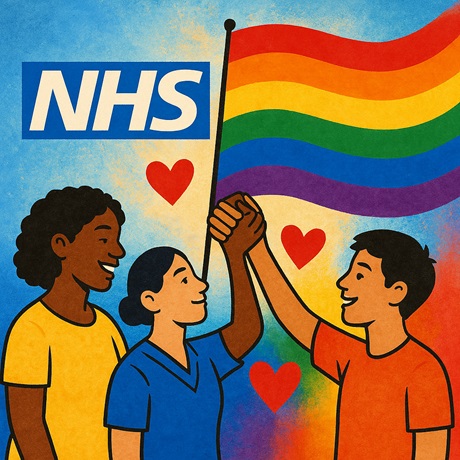
The judgment by Mr Justice Linden in Smith v Chief Constable of Northumbria Police [2025] EWHC 1805 (Admin) ruled that Northumbria Police breached their duty of impartiality by allowing uniformed officers to actively participate in the Newcastle Pride in the City 2024 event, displaying symbols like the Progress Pride flag.
The court found that such participation gave the impression of endorsing a contested ideological position specifically, gender ideology, potentially undermining public trust in the police’s ability to act impartially, particularly in disputes involving gender-critical individuals and transgender rights supporters.
This ruling has implications for other public bodies, like the NHS, which are also expected to maintain impartiality in their public-facing activities. The judgment suggests that public institutions should avoid actions that could be perceived as aligning with one side of a polarising debate, even under the guise of inclusivity.
For the NHS, this could mean reconsidering participation in Pride (LGBTQIA+) events if it involves official branding, uniformed staff, or symbols like the Progress Pride flag, which the court noted is associated with trans activism and may exclude those with gender-critical views.
However, the ruling does not outright ban participation in Pride events. It emphasises that public bodies must ensure their actions do not create a perception of bias. The NHS could still engage with Pride in a neutral capacity, such as providing health services or safety support, as long as it avoids endorsing specific ideological positions. For example, staffing informational stalls without Pride insignia or ensuring staff participate in a personal capacity (not in uniform or with official branding) could align with the impartiality requirement.
There are broader considerations. Some argue that Pride has become politicised, particularly with slogans and symbols tied to contested issues like transgender rights, which could complicate NHS involvement. Others contend that supporting Pride is about promoting inclusivity for marginalised groups, like the LGBT+ community, and withdrawing could harm community trust, especially among those who feel underserved by healthcare systems.
The judgment, however, prioritises impartiality over these community engagement goals, suggesting that public bodies must tread carefully to avoid legal challenges.
The NHS may wish to reassess its approach to Pride participation, ensuring any involvement is strictly neutral, avoids ideological symbols, and prioritises its core mission of equitable healthcare delivery. It’s worth noting that the ruling’s scope is specific to the police, and no direct legal precedent applies to the NHS yet, but the principle of impartiality likely extends to other public bodies.
The NHS might also consider public consultation or clear guidelines to balance inclusivity with neutrality, especially given the ruling’s broader implications for public institutions.
Ultimately, the decision depends on how the NHS interprets its impartiality obligations and whether it can engage with Pride in a way that doesn’t signal taking sides in ideological debates.
Check out our related articles on Can a Woman Have a Penis ?, Rule of Law, Open Justice, Is the Law Black and White ?, What Does Lady Justice Symbolise ?, Can a Judge Direct a Jury to Find a Defendant Not Guilty ?, Law Society, Law Commission, Solicitors, Solicitors Regulation Authority, Barristers, Bar Council of England and Wales, Bar Standards Board, Contra Mundum, R v Sussex Justices, Police Impartiality and the highly questionable Sussex Family Justice Board.
The Ministry of Injustice is not the Ministry of Justice nor is it affiliated in any way with the justice system, legal profession, police or any other law enforcement agencies.
“Publicity is the very soul of justice. . . . It keeps the judge himself, while trying, under trial….Where there is no publicity there is no justice”
Jeremy Bentham – Mr Justice Cobb: ‘Justice must be seen to be done’
Latest Articles ↓
- His Honour Judge Daniel Sawyer
 Judge Daniel Sawyer, known as His Honour Judge Daniel Sawyer,… Read more: His Honour Judge Daniel Sawyer
 - UK National Centre for Information Defence
 Prime Minister Andy Burnham used his first United Nations General… Read more: UK National Centre for Information Defence
 - Judges Behaving Badly and His Honour Judge Simon Oliver
 On the 27th August 2026 the Crown Prosecution Service announced… Read more: Judges Behaving Badly and His Honour Judge Simon Oliver
 - Jo Morris Barrister
 Jo Morris is a practising criminal barrister of Drystone Chambers… Read more: Jo Morris Barrister
 - Good Law Project
 The Good Law Project is a UK campaigning organisation that… Read more: Good Law Project
 - Police Federation of England and Wales (PFEW)
 The Police Federation of England and Wales (PFEW) is the… Read more: Police Federation of England and Wales (PFEW)
 - What is the Criminal Justice System (CJS) Common Platform ?
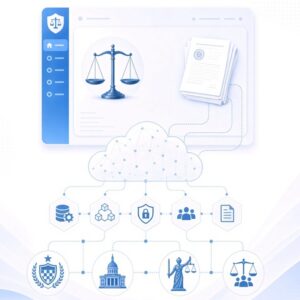 The Criminal Justice System Common Platform (also known as HMCTS… Read more: What is the Criminal Justice System (CJS) Common Platform ?
 - Strategic Lawsuit Against Public Participation (SLAPPs)
 Strategic Lawsuits Against Public Participation, or SLAPPs, are legal actions… Read more: Strategic Lawsuit Against Public Participation (SLAPPs)
 - His Honour Judge Tony Baumgartner – Recorder of Westminster
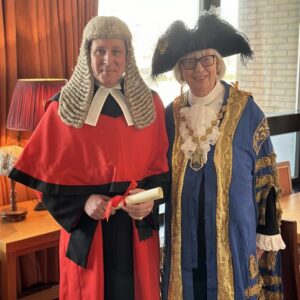 Judge Tony Alan Walter Baumgartner, known as His Honour Judge… Read more: His Honour Judge Tony Baumgartner – Recorder of Westminster
 - New Protocol for Legal Professionals to Raise Informal Concerns About Judges Behaviour
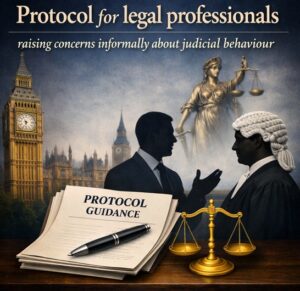 On the 8th July 2026, the Courts and Tribunals Judiciary… Read more: New Protocol for Legal Professionals to Raise Informal Concerns About Judges Behaviour
 - The Policing Performance System
 In April 2026, His Majesty’s Inspectorate of Constabulary and Fire… Read more: The Policing Performance System
 - What is the Judicial College ?
 The Judicial College serves as the central pillar of professional… Read more: What is the Judicial College ?
Most Popular ↓
You should always seek formal legal advice from a qualified and reputable lawyer (solicitor or barrister).
There are a number of links to Free and Paid For Legal Resources and Legal Organisations on the Free Legal Advice , Legal Aid and Pro Bono pages.
[post_title] was last updated on the 12th October 2026
