The Youth Justice Board (YJB) for England and Wales is dedicated to overseeing and improving youth justice services.
We are an organisation of around 100 people and our headquarters is in London.
Our vision is for a youth justice system that sees children as children, treats them fairly and helps them to build on their strengths so they can make a constructive contribution to society. This will prevent offending and create safer communities with fewer victims.
Youth Justice Board – About Us
Established under the Crime and Disorder Act 1998, the YJB is a non-departmental public body sponsored by the Ministry of Justice. Its primary role is to ensure that the youth justice system effectively prevents offending and reoffending by children and young people under 18, while safeguarding their welfare.
Below, we explore the YJB’s purpose, structure, and key functions.
Leadership
The Youth Justice Board (YJB) for England and Wales is led by a board of experts and a chief executive, with oversight from the Ministry of Justice.
- Chair: The YJB is chaired by Keith Fraser. The chair leads the board, providing strategic direction and ensuring effective governance. Keith Fraser, appointed in 2020, brings experience from policing and public sector leadership, with a focus on diversity and inclusion in justice systems.
- Chief Executive: Steph Roberts-Bibby serves as the Chief Executive, overseeing day-to-day operations and implementing the board’s strategies. Sturt, who joined in 2020, has a background in criminal justice, having previously held senior roles in the prison and probation services.
The Board has corporate responsibility for ensuring that the YJB fulfils its strategic objectives, which are agreed with the Secretary of State for Justice, and for ensuring the efficient and effective use of staff and other resources.
The Chair and board members are appointed by the Secretary of State for Justice.
Purpose and Objectives
The YJB aims to create a youth justice system that is fair, effective, and focused on rehabilitation. Its core mission is to prevent crime by young people through early intervention, robust supervision, and tailored support. The board strives to balance accountability with the welfare of young offenders, recognising that many have complex needs, such as mental health issues or disadvantaged backgrounds. By promoting positive outcomes, the YJB seeks to reduce reoffending rates and help young people reintegrate into society as law-abiding citizens.
A key objective is to ensure the system is child-centred. This means decisions prioritise the best interests of the child, aligning with the principles of the United Nations Convention on the Rights of the Child. The YJB also works to address disparities, ensuring equitable treatment for all young people, regardless of background.
Youth Justice Board – Our Responsibilities
- using information and evidence to form an expert view of how to get the best outcomes for children who offend and for victims of crime
- advising the Secretary of State for Justice, government departments, local authorities, those working in youth justice services and other organisations about how well the system is operating, and how improvements can be made
- identifying and sharing best practice
- promoting the voice of the child, including taking advice from our youth advisory panel of children and young adults who have current or previous experience of the youth justice system
- commissioning research and publishing information in connection with good practice
- monitoring the youth justice system and the provision of youth justice services
- making grants, with the approval of the Secretary of State, for the purposes of the operation of the youth justice system and services
- providing information technology related assistance for the operation of the youth justice system and services
Structure and Governance
The YJB is led by a board of experts appointed by the Secretary of State for Justice. This board includes professionals with expertise in youth justice, social work, policing, and education, ensuring a multidisciplinary approach. The organisation is chaired by an appointed leader, with a chief executive overseeing day-to-day operations. It operates independently but collaborates closely with government departments, local authorities, and youth offending teams (YOTs).The YJB is headquartered in London but works nationally, engaging with regional services to implement its strategies. It reports to Parliament through the Ministry of Justice and is subject to scrutiny to ensure transparency and accountability.
Key Functions
The YJB’s responsibilities are wide-ranging. It sets standards for youth justice services, monitors their performance, and provides guidance to YOTs, which are local multi-agency teams managing young offenders. The board also oversees the secure estate, ensuring safe and rehabilitative environments for young people in custody, such as young offender institutions.
Additionally, the YJB promotes evidence-based practices by commissioning research and sharing best practices. It advises ministers on youth justice policy and advocates for systemic improvements. The board also allocates funding to YOTs and other initiatives, ensuring resources are used effectively to support prevention and rehabilitation.
Impact and Challenges
Since its inception, the YJB has contributed to a significant decline in youth offending rates, with fewer young people entering the justice system. However, challenges remain, including addressing over-representation of minority groups and supporting young people with complex needs. By fostering collaboration and innovation, the YJB continues to shape a more effective and compassionate youth justice system.
For more information, visit the Youth Justice Board for England and Wales official page on the UK government website.
Check out our related articles on Rule of Law, Open Justice, Is the Law Black and White ?, Family Justice Board, Civil Justice Council, Abuse of Process, What Does Lady Justice Symbolise ?, McKenzie Friend, Wasted Costs Order, Can a Judge Direct a Jury to Find a Defendant Not Guilty ?,Law Society, Law Commission, McKenzie Friend Right of Audience, Solicitors, Solicitors Regulation Authority, Barristers, Bar Council of England and Wales, Bar Standards Board, Contra Mundum, R v Sussex Justices, Police Impartiality and the highly questionable Sussex Family Justice Board.
The Ministry of Injustice is not the Ministry of Justice nor is it affiliated in any way with the justice system, legal profession, police or any other law enforcement agencies.
“Publicity is the very soul of justice. . . . It keeps the judge himself, while trying, under trial….Where there is no publicity there is no justice”
Jeremy Bentham – Mr Justice Cobb: ‘Justice must be seen to be done’
Latest Articles ↓
- Presumption of Innocence
 The presumption of innocence is a basic principle of the… Read more: Presumption of Innocence
 - His Honour Judge Daniel Sawyer
 Judge Daniel Sawyer, known as His Honour Judge Daniel Sawyer,… Read more: His Honour Judge Daniel Sawyer
 - UK National Centre for Information Defence
 Prime Minister Andy Burnham used his first United Nations General… Read more: UK National Centre for Information Defence
 - Judges Behaving Badly and His Honour Judge Simon Oliver
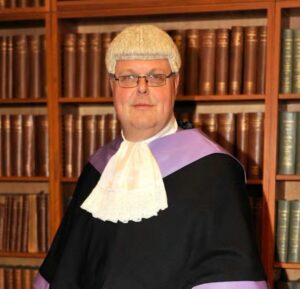 On the 27th August 2026 the Crown Prosecution Service announced… Read more: Judges Behaving Badly and His Honour Judge Simon Oliver
 - Jo Morris Barrister
 Jo Morris is a practising criminal barrister of Drystone Chambers… Read more: Jo Morris Barrister
 - Good Law Project
 The Good Law Project is a UK campaigning organisation that… Read more: Good Law Project
 - Police Federation of England and Wales (PFEW)
 The Police Federation of England and Wales (PFEW) is the… Read more: Police Federation of England and Wales (PFEW)
 - What is the Criminal Justice System (CJS) Common Platform ?
 The Criminal Justice System Common Platform (also known as HMCTS… Read more: What is the Criminal Justice System (CJS) Common Platform ?
 - Strategic Lawsuit Against Public Participation (SLAPPs)
 Strategic Lawsuits Against Public Participation, or SLAPPs, are legal actions… Read more: Strategic Lawsuit Against Public Participation (SLAPPs)
 - His Honour Judge Tony Baumgartner – Recorder of Westminster
 Judge Tony Alan Walter Baumgartner, known as His Honour Judge… Read more: His Honour Judge Tony Baumgartner – Recorder of Westminster
 - New Protocol for Legal Professionals to Raise Informal Concerns About Judges Behaviour
 On the 8th July 2026, the Courts and Tribunals Judiciary… Read more: New Protocol for Legal Professionals to Raise Informal Concerns About Judges Behaviour
 - The Policing Performance System
 In April 2026, His Majesty’s Inspectorate of Constabulary and Fire… Read more: The Policing Performance System
Most Popular ↓
You should always seek formal legal advice from a qualified and reputable lawyer (solicitor or barrister).
There are a number of links to Free and Paid For Legal Resources and Legal Organisations on the Free Legal Advice , Legal Aid and Pro Bono pages.
[post_title] was last updated on the 15th October 2026
