Categories
Criminal Justice Free Speech Legal Professionals

Is the Secret Barrister not a Barrister of England and Wales ?

A complaint was made to the Bar Standards Board about The Secret Barrister on the 8th August 2024.

On the 13th August 2024, The Bar Standards Board replied “…It is possible the person may not even be a barrister”

Update 23rd August 2024 – Paul Embery wrote an article Crossing swords with the ‘Secret [and very intolerant] Barrister’

The Secret Barrister should not be confused with the BlackBelt Barrister.

A Google Search for The Secret Barrister shows that they are an Award-winning Sunday Times No.1 bestselling author much lauded by the public and legal profession.

The Secret Barrister states on their Secret Barrister website….

The Secret Barrister is a junior barrister specialising in criminal law, and part-time author and blogger.”

The Secret Barrister also state (correctly) that they have won an award from the Law Society.

In 2018, the Secret Barrister was named Legal Personality of The Year at the Law Society Awards.

In 2020, Channel 4 News produced a four-part documentary series, The Secret Barrister: Disordered Justice.” The series can be viewed here.

Since 2015, a barrister practising criminal law in the UK started blogging and tweeting under the pseudonym ‘The Secret Barrister’.

The Secret BarristerLegal 500

The Secret Barrister regularly posts on X (formerly Twitter) and they have a blue tick which shows that they are verified and a criminal lawyer.

Seems a bit odd that the Bar Standards Board don’t think the Secret Barrister is a Barrister !

If the Secret Barrister is not a Barrister then surely this should be of concern to the Bar Standards Board ? This would also be an offence under the Legal Services Act 2007 ?

It is highly likely that The Bar Standards Board know  :-

  1. The identity of the Secret Barrister
  2. That the Secret Barrister is a barrister regulated by the Bar Standards Board

The Secret Barrister is, contrary to the email from the Bar Standards Board Contact and Assessment Team, most definitely identifiable and should be subject to proper investigation in the public interest.

The Bar Standards Board Corporate Services Team have been asked to explain. They have 20 working days to do so.

From: BSB Contact Us <[email protected]>
Sent: Tuesday, August 13, 2024 2:48 PM
To: Dom Watts
Subject: RE: Reporting a concerns about a practising barrister (The Secret Barrister) 2024/1910

Dear Mr Watts

Thank you for your email and for sharing your concerns with us.

However, we are only able to deal with matters about a barrister that is identifiable, and it is the reporter’s responsibility to provide us with the name. It is possible the person may not even be a barrister; therefore, we will not be able to assess this matter further and the case is now closed in our system. If you want to make a report in the future, you will need to provide us with the name of the barrister and evidence of your concern.

We are sorry that we are unable to help at this time.

Kind regards,  

Contact and Assessment Team

Bar Standards Board

Email: [email protected]

www.barstandardsboard.org.uk

Bar Standards Board Email – Secret Barrister
Blocked by The Secret Barrister on X

Is The Secret Barrister Lyndon Harris of 6KPW Barrister Chambers ?

Check out our related articles on The Secret Barrister, Barristers, Direct Access Barrister, Barristers Behaving Badly, Inns of Court, Council of the Inns of Court, Bar Standards Board, Bar Tribunal and Adjudication Services, Bar Council, Rule of Law, Open Justice, Innocent until Proven Guilty and the highly questionable Sussex Family Justice Board.


The Ministry of Injustice is not the Ministry of Justice nor is it affiliated in any way with the justice system, legal profession, police or any other law enforcement agencies.


Latest Articles


Most Popular


You should always seek formal legal advice from a qualified and reputable lawyer (solicitor or barrister).

There are a number of links to Free and Paid For Legal Resources and Legal Organisations on the Free Legal Advice , Legal Aid and Pro Bono pages.


Categories
Criminal Justice Free Speech Legal Professionals

The Secret Barrister

The Secret Barrister is an anonymous junior barrister practicing criminal law in England and Wales. Through a series of books and a popular blog, this enigmatic figure has shed light on the intricacies and flaws of the UK’s legal system, making complex legal issues accessible to the general public.

The Secret Barrister should not be confused with the BlackBelt Barrister.

Update 19th August 2024 – Is the Secret Barrister not a Barrister of England and Wales ?

Update 23rd August 2024 – Paul Embery wrote an article Crossing swords with the ‘Secret [and very intolerant] Barrister’

The Cut Throat Trial, the debut legal thriller by the Secret Barrister (Lyndon Harris ?) writing as SJ Fleet, is out on the 28th August 2025.

If you have arrived here from thesecretbarrister.co.uk – Welcome !

Who is The Secret Barrister ?

The identity of The Secret Barrister remains unknown to the public, but everyone loves a good mystery and a healthy whodunnit !

Despite various speculations and attempts to uncover their identity, they have successfully maintained their anonymity until now. The Secret Barrister was described as a junior barrister specialising in criminal law, aged between 30 and 40, and not an Oxbridge graduate. They have also been described as a lefty lawyer.

The Secret Barrister stated on X that the question : Is Keir Starmer The Secret Barrister ? kept recurring.

There may be a clue to the identity of The Secret Barrister online with many people saying it is Lyndon Harris !

Mr Lyndon John Harris is listed on the register at the Bar Standards Board website. He was called to the Bar in Jul 2010. His Inn of Court is Gray’s Inn.

Lyndon John HARRIS was a Director of PRIMUS LEGAL MEDIA CONSULTANTS LTD (08870530).

Is The Secret Barrister Lyndon Harris of 6KPW Barrister Chambers ?

Who do you think The Secret Barrister is ? Will the Bar Standards Board reveal who they are ⬇

The Secret Barrister and a “Moron”

On the 7th August 2024 in response to a tweet by Alex Armstrong, The Secret Barrister replied publicly “You are a moron….”.

The Secret Barrister – You are a moron

In a now deleted tweet (due to continued abusive language), I asked if this behaviour was in breach of CD5 of the Bar Standards Board Code of Conduct.

CD5 You must not behave in a way which is likely to diminish the trust and confidence which the public places in you or in the profession

Bar Standards Board Code of Conduct

The Secret Barrister replied “Suck it up, buttercup. It’s called free speech. I understand your sort are very keen on it.

The Secret Barrister – Suck it up, buttercup

The term moron is now widely accepted as being dated and offensive.

A person affected with mild intellectual disability

The terms idiot, imbecile, moron, and their derivatives were formerly used as technical descriptors in medical, educational, and regulatory contexts. These uses were broadly rejected by the close of the 20th century and are now considered offensive.

Miriam Webster definition of moron

“Name calling” is also widely considered to be a form of bullying and harassment. I believe it’s also illegal !

Hardly the behaviour of a Barrister of England and Wales. It displays wanton arrogance and a rules don’t apply to me attitude.

The Secret Barrister may have friends in high places and be an expert in law, however no one is above the law. Thanks for reminding me about free speech.

The Secret Barrister has been reported to the Bar Standards Board to investigate :-

You can also report behaviour by a barrister to us even if you were not their client. For example, you can make a report about barristers who may be:

……behaving in a way which is likely to diminish the trust and confidence which the public places in them or in the profession – for example if they are bullying or harassing someone or using racist, sexist, or otherwise seriously offensive language either in person or on social media.

Reporting concerns about barristers – Bar Standards Board
Barrister Alan Robertshaw discusses Barristers and behaviour on Social Media

From: Dom Watts
Sent: Thursday, August 8, 2024 10:25 AM
To: [email protected]
Subject: Reporting a concerns about a practising barrister (The Secret Barrister)
Importance: High

Dear Bar Standards Board

I wish to report a barrister ( The Secret Barrister) for a breach of CD5 and behaving in a way which is likely to diminish the trust and confidence which the public places in them or in the profession –bullying / harassing someone using seriously offensive language either in person or on social media.

I am unable to use your online reporting form as I do not have the details for The Secret Barrister. I’m sure you know who they are !

Can you confirm that they are a practising barrister and regulated by you ?

I believe that sending my concern by email is allowed by your Reasonable Adjustments Policy. If not, could you please provide their full name and chambers so I can complete your online form ?

Regards

Email to the Bar Standards Board with concerns about The Secret Barrister

The Secret Barrister on YouTube

Books by The Secret Barrister

  1. The Secret Barrister: Stories of the Law and How It’s Broken (2018)
    • This debut book provides a critical first-hand account of the criminal justice system in England and Wales. It highlights the systemic issues and underfunding that plague the legal system, using real-life cases to illustrate these points.
  2. Fake Law: The Truth About Justice in an Age of Lies (2020)
    • In this follow-up, The Secret Barrister tackles the misinformation and myths surrounding the legal system. The book debunks common misconceptions and explains how these falsehoods can harm justice and society.
  3. Nothing But The Truth: Stories of Crime, Guilt and the Loss of Innocence (2022)
    • This memoir tracks the author’s journey from a novice barrister to a celebrated legal commentator. It combines personal anecdotes with broader reflections on the state of the legal profession and the justice system.

Themes and Impact

The Secret Barrister’s works are known for their candid and often critical perspective on the legal system. Key themes include:

  • Access to Justice: Highlighting the barriers that prevent ordinary people from accessing legal representation.
  • Legal Aid Cuts: Criticizing the impact of funding cuts on the quality of legal defense available to defendants.
  • Systemic Failures: Exposing the daily failures within the courts that undermine justice.

Online Presence and Resources

The Secret Barrister also maintains a blog and an active X presence, where they continue to discuss legal issues and engage with the public. Here are some useful links:

Conclusion

The Secret Barrister has played a crucial role in demystifying the legal system for the public. Through their books and online presence, they continue to advocate for a fairer, more transparent justice system. Whether you’re a legal professional or simply interested in understanding how the law works, The Secret Barrister’s insights are invaluable.

Latest Blog Posts from thesecretbarrister.com

Check out our related articles on Barristers, Direct Access Barrister, Barristers Behaving Badly, Inns of Court, Council of the Inns of Court, Bar Standards Board, Bar Tribunal and Adjudication Services, Rule of Law, Open Justice, Innocent until Proven Guilty and the highly questionable Sussex Family Justice Board.


The Ministry of Injustice is not the Ministry of Justice nor is it affiliated in any way with the justice system, legal profession, police or any other law enforcement agencies.


Latest Articles


Most Popular


You should always seek formal legal advice from a qualified and reputable lawyer (solicitor or barrister).

There are a number of links to Free and Paid For Legal Resources and Legal Organisations on the Free Legal Advice , Legal Aid and Pro Bono pages.

Categories
Criminal Justice Family Law Law Legal Analysis Legal Professionals

BlackBelt Barrister

Daniel ShenSmith is a practising Barrister and Mediator who is also known as the BlackBelt Barrister.

blackbelt barrister youtube

“I am a Barrister of England and Wales who helps you understand law”

Daniel ShenSmith BlackBelt Barrister Youtube

The BlackBeltBarrister YouTube channel provides free legal guidance and explains the different aspects of law, legal principles, and procedures. As of the 26th January 2026, the Black Belt Barrister has 905k subscribers and 2.6k videos.

The BlackBelt Barrister should not be confused with the Secret Barrister.

Black Belt Barrister is not a replacement for formal legal advice but it is highly informative and may help you to understand more about the law.

BlackBeltBarrister is a registered trademark.

Highly Recommended ★★★★★

Latest BlackBelt Barrister YouTube Videos

Check out our related articles on Rule of Law, Open Justice, What is Law, Is the Law Black and White ?, Branches of Law, Bullying, Harassment and Discrimination at the Bar, The Secret Barrister, Barristers, Direct Access Barrister, Barristers Behaving Badly, Inns of Court, Council of the Inns of Court, Bar Standards Board, Bar Tribunal and Adjudication Services, Bar Council, Innocent until Proven Guilty and the highly questionable Sussex Family Justice Board.


The Ministry of Injustice is not the Ministry of Justice nor is it affiliated in any way with the justice system, legal profession, police or any other law enforcement agencies.


Latest Articles


Most Popular


You should always seek formal legal advice from a qualified and reputable lawyer (solicitor or barrister).

There are a number of links to Free and Paid For Legal Resources and Legal Organisations on the Free Legal Advice , Legal Aid and Pro Bono pages.
Categories
Legal Professionals

Barristers

A barrister is anyone who has been called to the Bar in England and Wales. For a barrister to offer a full range of legal services (including what are known as “reserved legal activities”) a barrister must also be authorised to practise.

These barristers are recorded on the Barristers’ Register which records their practising status and address, the reserved legal activities they are authorised to undertake and whether they have been the subject of any disciplinary findings.

Barristers who are not authorised to practise are allowed to provide a more limited range of legal services but they must not refer to themselves as barristers in doing so.

Should a barrister that commits fraud be prosecuted and disbarred ?
Would this criminality and dishonesty diminish the trust and confidence which the public places in the profession ?

CI5

Called to the Bar is the symbolic barrier separating the public from those admitted to the well of the Court.

Role of a Barrister

A barrister is a legal professional who specialises in court advocacy and provides independent legal advice to clients. Here are key points about their role:

  • Court Advocacy: Barristers represent clients in court proceedings, both in defense and prosecution. They present arguments, cross-examine witnesses, and make legal submissions.
  • Independent Advice: Clients can directly instruct barristers without involving a solicitor. Barristers offer expert advice on case merits, potential outcomes, and legal strategies.
  • Self-Employed: Most barristers are self-employed and work from chambers. However, some may work in government agencies or private organisations.

Practice Areas

Barristers work across various legal practice areas. Some common ones include:

  • Criminal Law: Representing clients in criminal trials, appeals, and sentencing hearings.
  • Family Law: Handling divorce, child custody, and financial disputes.
  • Commercial Law: Advising on business contracts, disputes, and corporate matters.
  • Employment Law: Dealing with workplace disputes, discrimination claims, and employment contracts.
  • Personal Injury: Representing clients in accident claims and compensation cases.
  • Property Law: Assisting with property transactions, disputes, and landlord-tenant matters.

Qualifications

To become a barrister in England and Wales, follow these steps:

  1. Qualifying Law Degree: Obtain an LLB Law degree or a non-law degree followed by a conversion course (such as the Postgraduate Diploma in Law or Master of Arts in Law).
  2. Bar Practice Course (BPC): Complete the BPC, a postgraduate course that prepares graduates for barrister practice. Passing the BPC is a prerequisite for the final stage of training called pupillage.

Essential Skills

Barristers need a diverse skill set:

  • Communication: Ability to interact with various people effectively.
  • Analytical Thinking: Logical approach to problem-solving.
  • Advocacy: Representing clients’ interests persuasively in court.
  • Attention to Detail: Crucial for legal research and case preparation.
  • Time Management: Juggling multiple cases efficiently.
  • Commercial Awareness: Understanding business and industry contexts.

Watch Barristers Fighting for Justice on Channel 4

Taxi Driver Arrested with £1m Of Cocaine In His Car In London | Barristers | Channel 4 Documentaries

In summary, barristers are legal advocates who specialise in court representation and provide vital legal advice. Whether in criminal trials, family disputes, or commercial matters, their expertise ensures justice and fairness in the legal system.

Check out our articles on Direct Access Barristers, Bar Council, Barristers Behaving Badly, Bar Tribunal and Adjudication Services, The Secret Barrister, Four Inns of Court, Council of the Inns of Court, Bar Standards Board, Bar Standards Board Justice ?, Rule of Law and the highly questionable Sussex Family Justice Board.


The Ministry of Injustice is not the Ministry of Justice nor is it affiliated in any way with the justice system, legal profession, police or any other law enforcement agencies.


Latest Articles


Most Popular


You should always seek formal legal advice from a qualified and reputable lawyer (solicitor or barrister).

There are a number of links to Free and Paid For Legal Resources and Legal Organisations on the Free Legal Advice , Legal Aid and Pro Bono pages.
Categories
Police

Metropolitan Police HMICFRS Assessment 2023 to 2025

His Majesty’s Inspectorate of Constabulary and Fire & Rescue Services (HMICFRS) carried out a PEEL inspection of the Metropolitan Police Service. PEEL stands for police efficiency, effectiveness and legitimacy.

HMICFRS graded the Metropolitan Police’s performance across eight areas of policing. It found the force was adequate in one area, requires improvement in five areas and inadequate in two areas. The Met Police were not graded Outstanding or Good in any areas.

Metropolitan Police HMICFRS Assessment 2023

“The unique challenges facing the Metropolitan Police are not underestimated. Policing the capital city places additional strain on the force and its leadership, as the force tirelessly manages protests, state visits and royal occasions, and national and international sporting events.

“In parallel, the force is in the midst of an organisational-wide transformation, which is significant in both its size and scale. While it was evident in my inspection that many key changes have and are being made, they are not yet translating into consistent and sustained improvements in some key areas.

“While I commend the force for the progress it has made in answering the public’s calls quickly, I have serious concerns about how the force is currently investigating crime and how it manages offenders and suspects.

“I am aware that before our inspection, the force had already recognised the need to achieve better outcomes for victims. However, these plans have not yet led to consistent improvements across the whole force, and more work needs to be done to make sure that this happens.

“We will continue to monitor the Metropolitan Police under our Engage process, and I look forward to seeing the further progress made.”

His Majesty’s Inspector of Constabulary Lee Freeman

Since the last HMICFRS inspection in 2022 until the 23rd January 2025, the Metropolitan Police Service was in the HMICFRS enhanced monitoring process, Engage. This gave it greater access to assistance from us, the College of Policing, the Home Office and other law enforcement agencies to make the required improvements. During this period, the force has appointed a new commissioner and deputy commissioner, and published a strategic plan called ‘A New Met for London’, which is aimed at transforming the force.

I have serious concerns about how the force is currently investigating crime and managing offenders and suspects.

I also have concerns about how the force is preventing and reducing crime and providing victims with an effective service.

His Majesty’s Inspector of Constabulary Lee Freeman

On the 23rd January 2025 HMCIFRS published Metropolitan police service removed from enhanced monitoring – “The Metropolitan Police Service has made improvements and has therefore been removed from an enhanced level of monitoring by the police inspectorate.”

Check out our related articles on Sussex Police, Chief Constable Jo Shiner Sussex Police, Policing by Consent, Two Tier Policing, Rule of Law, Open Justice, Innocent until Proven Guilty, R v Sussex Justices, What is a Police and Crime Commissioner and a Police and Crime Panel ? and the highly questionable Sussex Family Justice Board.


The Ministry of Injustice is not the Ministry of Justice nor is it affiliated in any way with the justice system, legal profession, police or any other law enforcement agencies.


Latest Articles


Most Popular


You should always seek formal legal advice from a qualified and reputable lawyer (solicitor or barrister).

There are a number of links to Free and Paid For Legal Resources and Legal Organisations on the Free Legal Advice , Legal Aid and Pro Bono pages.

Categories
Legal Professionals

Barristers Behaving Badly

The Bar Standards Board publish Past disciplinary findings on their website in accordance with their Publication Policy. The Bar Standards Board regulate the Bar in England & Wales in the public interest.

The Bar Standards Board post new findings within seven days of a decision, but it can take up to 24 hours after this for the finding to appear on their website (or for a finding to disappear from there after it has been removed).

The Secret Barrister was reported to the Bar Standards Board on the 8th August 2024.

Before instructing a Barrister it is worth checking if they have any past disciplinary findings and if they are registered as a Barrister of England of Wales.

Here is a list of the Bar Standards Board Disciplinary Findings for the last 3 months (as of 13th August 2024). Click Sanction to see the full Disciplinary Statement or Barrister to see their full details.

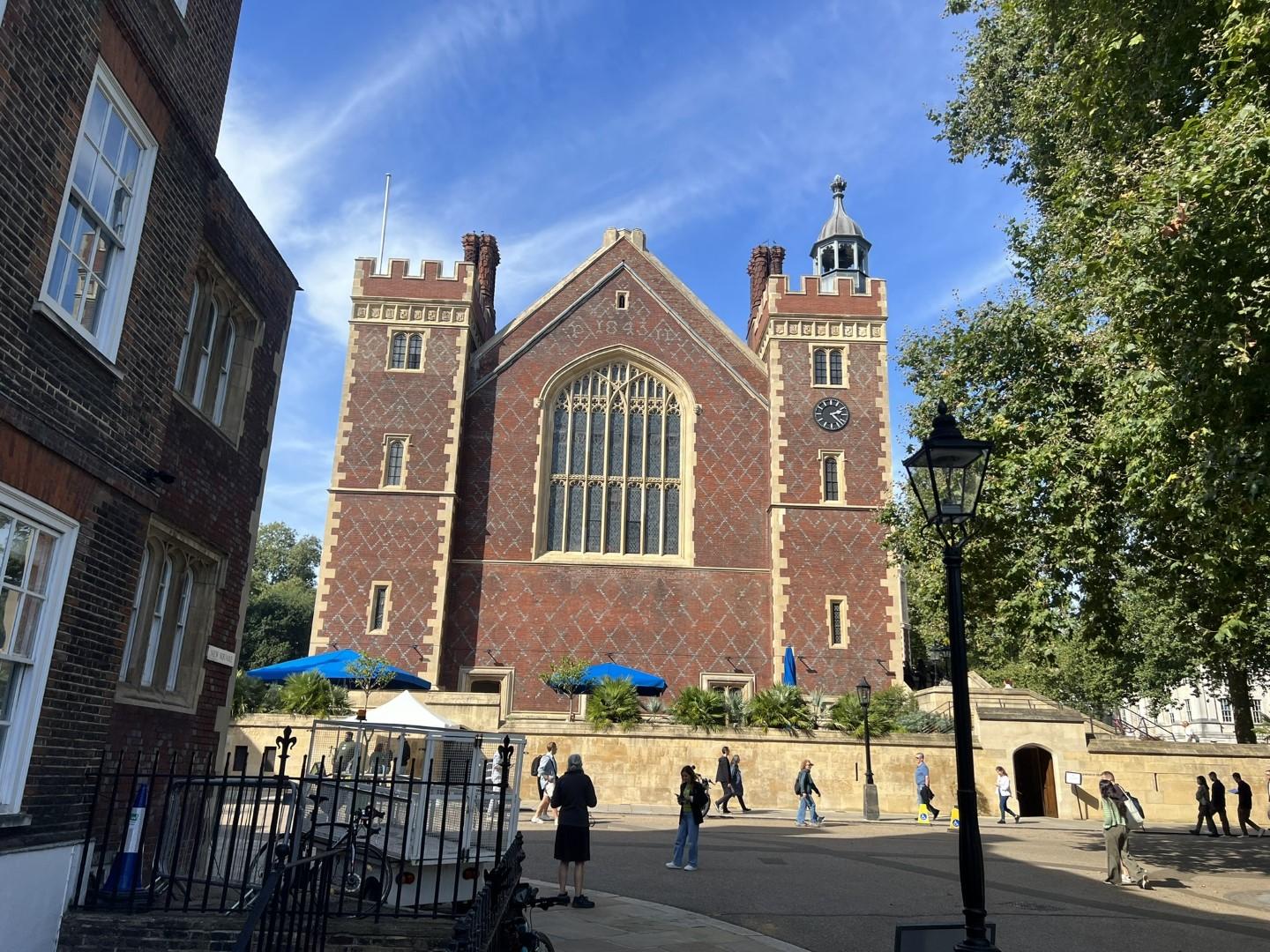
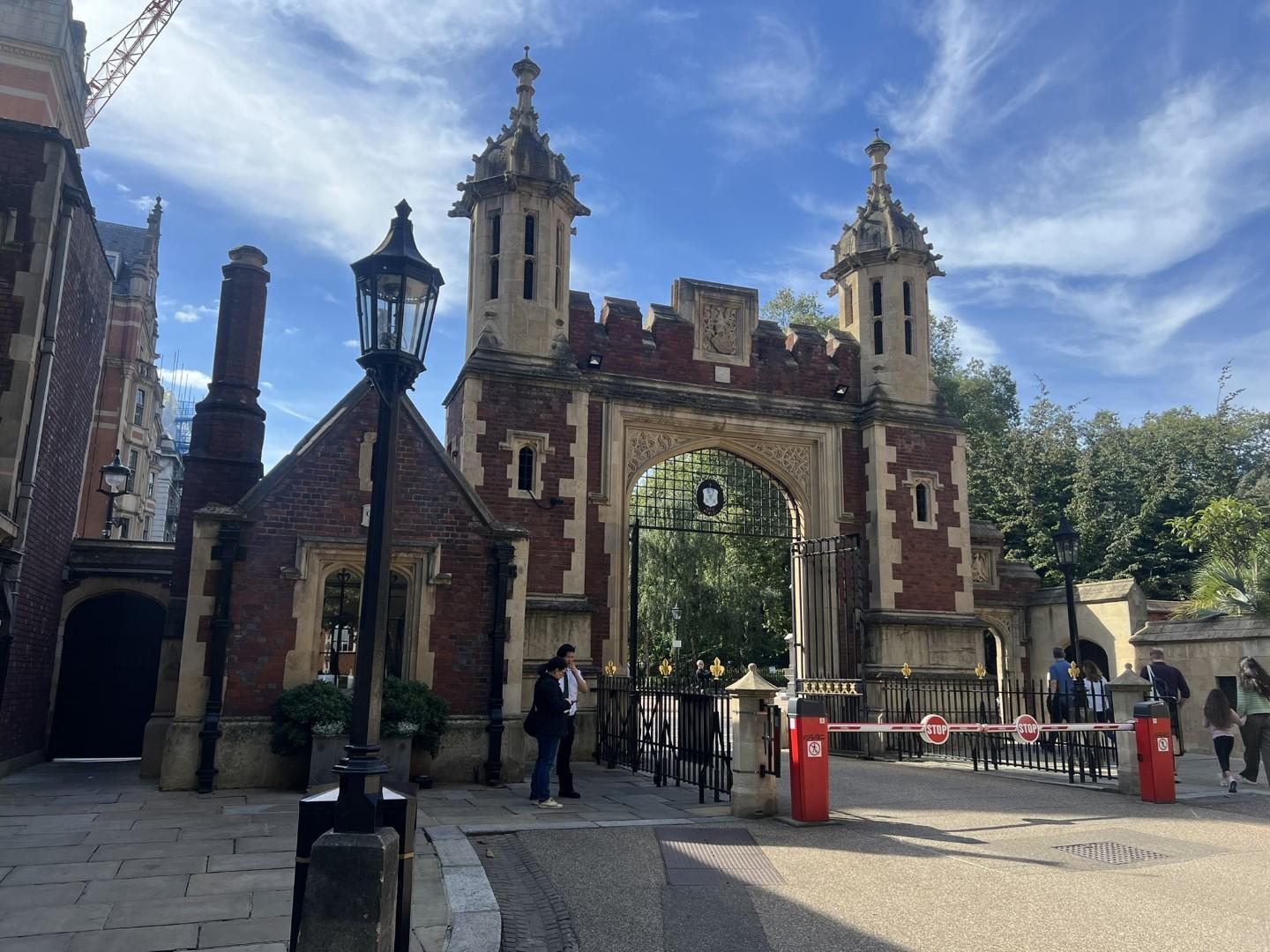
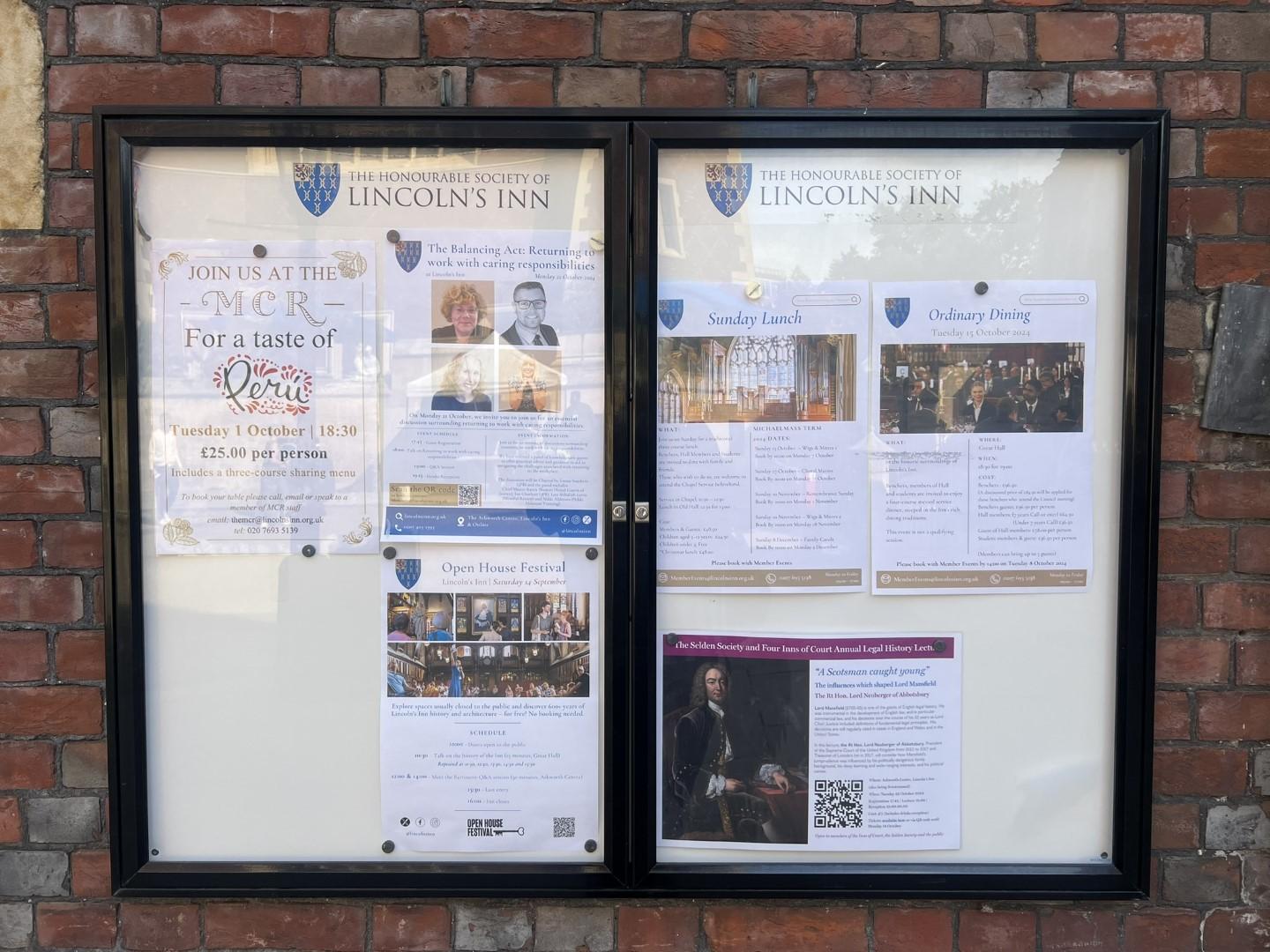
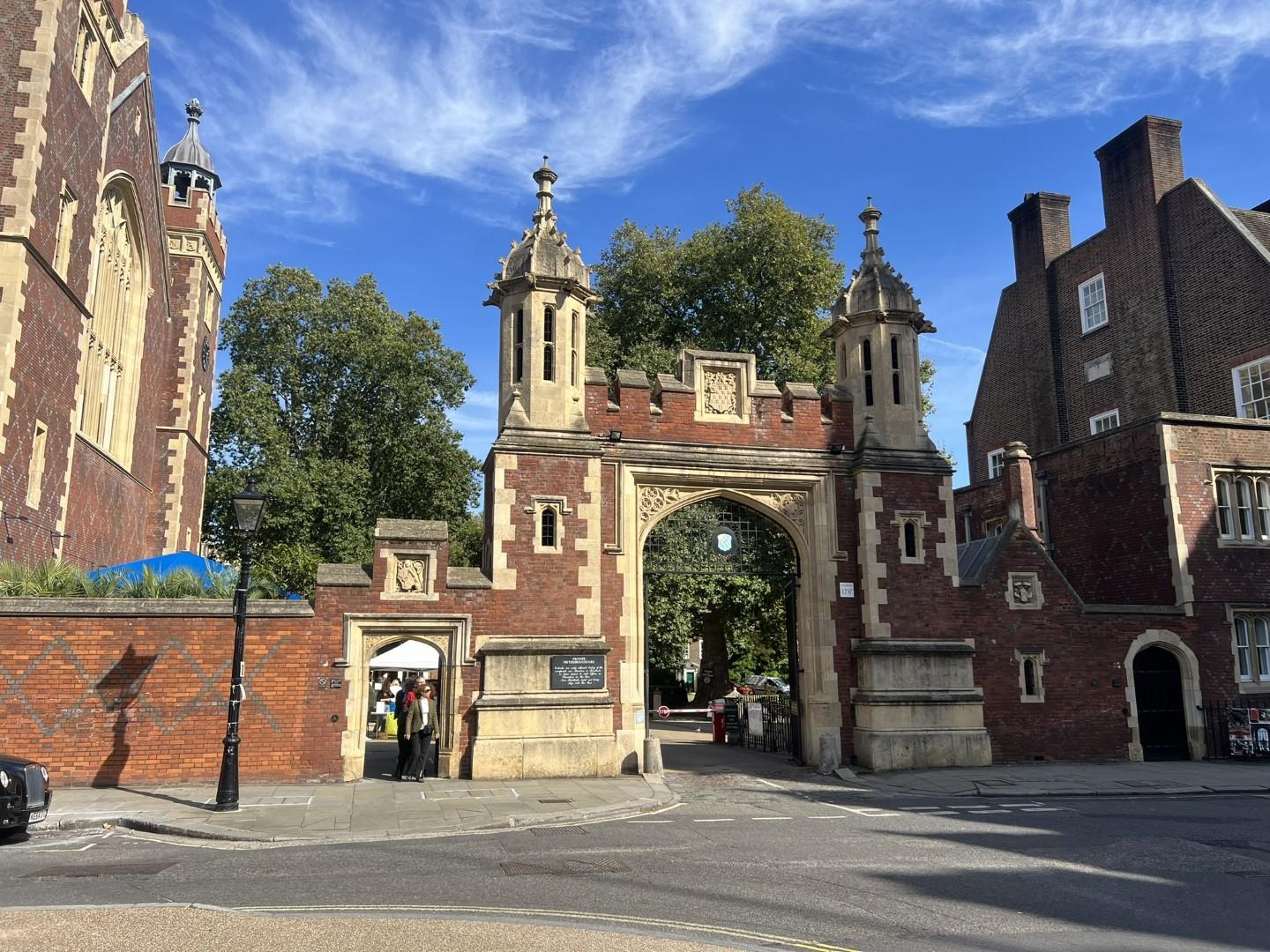
Lincoln’s Inn has the most badly behaved barristers (disciplined in the last 3 months by the Bar Standards Board) !

Fines, sanctions and costs from Bar Standards Board disciplinary findings against Barristers are normally pitiful. Almost pointless !

i. made comments during the exam as set out in Schedule 1,
ii. used language during the exam as set out in i, ii, iv, and vii of Schedule 1 which was directed towards the proctor,
iii. made an offensive hand gesture by holding up his middle finger to the camera at the conclusion of the exam.

i. What is a watch going to do, how the fuck am I going to cheat with a watch, come on.

ii. What? Fucking piss off, I don’t need to start a fucking chat.

iii. This is annoying, oh my god, this is going to really piss me off.

iv. Right, go away now, fine, just going to sit there fucking flashing and be annoying.

v. Fucking finally, a criminal question… This civil shit… How can you have any ethics if you’re a civil practitioner, honestly.

vi. I’m so fucking bored of this.

vii. You’re going to kick up a fuss about me having a fucking ibuprofen aren’t you.

Barrister Mr Jack Henry Sadler fined just £500 by the Bar Standards Board
BarristerSanctionCostsDecision DateInn of CourtYear of Call
Mr Ikeni John Mbako-AllisonSuspended from practice for 9 months (Sentence still to take effect)£120025/07/2024Gray’s Inn2009
Mr Jack Henry SadlerFined in the sum of £500N/A03/07/2024Middle TempleMar 2023
Mr Henry Joseph Christopher HendronDisbarred (sentence effective from 31 July 2024) and prohibited from being issued with a practising certificate, pending any appeal.£267003/07/2024Middle TempleNov 2006
Mr Matthew Adam FeargrieveProhibited from being issued a practising certificate for 12 months (Sentence effective from 19 June 2024)£156019/06/2024Lincoln’s InnOct 1998
Mr James Patrick DeanDisbarred (Sentence still to take effect)£50006/06/2024Lincoln’s InnNov 1977
Mr Amjad HussainReprimanded and fined in the sum of £5000 (sentence effective from 15 July 2024£267029/05/2024Lincoln’s InnNov 1999
Miss Mary Laureen PokuProhibited from being issued a practising certificate for 24 months (Sentence effective from 7 June 2024) and prohibited from being issued with a practising certificate, pending any appeal, under rE227.3 (as an unregistered barrister)£3251.3508/05/2024Lincoln’s InnNov 1993
Barrister Disciplinary Findings – England and Wales

Barrister Mr Thomas David Davidson used a German accent during a hearing and said “Jawohl” at the same time as raising a hand in a Nazi salute. He was reprimanded by the Bar Standards Board and was fined £250 with costs of £1,750.

This is hardly a punishment or deterrent by the Bar Standards Board. Where is the justice in this pathetic reprimand ?

Check out our related articles on Barristers, Direct Access Barrister, The Secret Barrister, Bar Standards Board, Bar Council, Inns of Court, Council of the Inns of Court, Rule of Law, Open Justice, Innocent until Proven Guilty and the highly questionable Sussex Family Justice Board.

Read the reviews of Junior Sussex Barrister Gavin Howe and Legal 500 Junior Barrister Eleanor Battie

“He is awful, underhanded and should not be practising law!”

She is a one-woman legal A Team”


The Ministry of Injustice is not the Ministry of Justice nor is it affiliated in any way with the justice system, legal profession, police or any other law enforcement agencies.


Latest Articles


Most Popular


You should always seek formal legal advice from a qualified and reputable lawyer (solicitor or barrister).

There are a number of links to Free and Paid For Legal Resources and Legal Organisations on the Free Legal Advice , Legal Aid and Pro Bono pages.

Categories
Legal Analysis Police

What is Policing by Consent ?

Policing by consent is a fundamental principle that underpins modern democratic societies. It is a concept rooted in the belief that the authority of the police derives from the consent and cooperation of the public they serve, as opposed to the power of the state.

It does not mean the consent of an individual. No individual can chose to withdraw their consent from the police, or from a law.

British policing is based on consent, meaning the ability of the police to carry out their functions rests on ‘public approval of their existence, actions and behaviour’

Police accountabilityInstitute for Government

The nine principles of policing by consent, often referred to as the Peelian principles, were articulated by Sir Robert Peel.

There is no evidence that these principles were devised by Sir Robert Peel and it more than likely that they were devised by the first Commissioners of Police of the Metropolis (Sir Charles Rowan and Sir Richard Mayne).

What are the Peelian Principles ?

  1. To prevent crime and disorder, as an alternative to their repression by military force and severity of legal punishment.
  2. To recognise always that the power of the police to fulfil their functions and duties is dependent on public approval of their existence, actions and behaviour and on their ability to secure and maintain public respect.
  3. To recognise always that to secure and maintain the respect and approval of the public means also the securing of the willing co-operation of the public in the task of securing observance of laws.
  4. To recognise always that the extent to which the co-operation of the public can be secured diminishes proportionately the necessity of the use of physical force and compulsion for achieving police objectives.
  5. To seek and preserve public favour, not by pandering to public opinion; but by constantly demonstrating absolutely impartial service to law, in complete independence of policy, and without regard to the justice or injustice of the substance of individual laws, by ready offering of individual service and friendship to all members of the public without regard to their wealth or social standing, by ready exercise of courtesy and friendly good humour; and by ready offering of individual sacrifice in protecting and preserving life.
  6. To use physical force only when the exercise of persuasion, advice and warning is found to be insufficient to obtain public co-operation to an extent necessary to secure observance of law or to restore order, and to use only the minimum degree of physical force which is necessary on any particular occasion for achieving a police objective.
  7. To maintain at all times a relationship with the public that gives reality to the historic tradition that the police are the public and that the public are the police, the police being only members of the public who are paid to give full time attention to duties which are incumbent on every citizen in the interests of community welfare and existence.
  8. To recognise always the need for strict adherence to police-executive functions, and to refrain from even seeming to usurp the powers of the judiciary of avenging individuals or the State, and of authoritatively judging guilt and punishing the guilty.
  9. To recognise always that the test of police efficiency is the absence of crime and disorder, and not the visible evidence of police action in dealing with them.

Since 1829 these ‘General Instructions’ have been issued to every new police officer.  

History of Policing by Consent

The origins of policing by consent can be traced back to the early 19th century in England. Prior to this period, law enforcement was often characterised by a lack of professionalism, corruption, and arbitrary use of power.

In 1829, Sir Robert Peel introduced the Metropolitan Police Act, which established the Metropolitan Police in London. This act marked a significant shift in policing philosophy, emphasising the idea of police as a civilian force serving the community rather than a military presence.

To implement his vision, Sir Robert Peel appointed Sir Charles Rowan and Sir Richard Mayne as the first Commissioners of the Metropolitan Police. Rowan and Mayne were instrumental in establishing a professional police force based on Peel’s principles. They implemented rigorous recruitment standards, emphasised training and discipline, and ensured that the police operated under public scrutiny and consent.

Under the leadership of Rowan and Mayne, the Metropolitan Police successfully transformed the concept of policing in London. Their commitment to upholding the principles of policing by consent set a precedent that would influence police forces worldwide.

Sir Robert Peel

Sir Robert Peel (1788-1850) was a British statesman and is widely regarded as the founder of modern policing. Born in Bury, Lancashire, England, Peel had a distinguished political career and served as the Prime Minister of the United Kingdom twice, from 1834 to 1835 and from 1841 to 1846.

Peel is most renowned for his significant contributions to law enforcement and criminal justice reforms.

Peel’s reforms also included the establishment of the first detective force, the improvement of police training and professionalism, and the standardisation of police uniforms and equipment. His contributions to policing set the stage for the development of professional law enforcement agencies that focus on crime prevention, community engagement, and the protection of individual rights.

Beyond his work in law enforcement, Peel made other significant contributions to British politics. He was instrumental in the repeal of the Corn Laws, which were tariffs on imported grain that had protected British agriculture but contributed to high food prices for consumers. The repeal of these laws had a profound impact on British trade and economic development.

Sir Robert Peel’s legacy as a statesman and reformer, particularly in the field of policing, remains influential to this day. His principles continue to shape the foundations of modern law enforcement, emphasising the importance of community consent, accountability, and professionalism in the maintenance of public safety and order.

Sir Charles Rowan and Sir Richard Mayne

Sir Charles Rowan and Sir Richard Mayne were two key figures who played significant roles in the establishment and development of the Metropolitan Police in London, working closely with Sir Robert Peel. They were the first Commissioners of the Metropolitan Police, serving under Peel’s leadership and implementing his vision of professional policing.

Sir Charles Rowan (1782-1852) was a British soldier and police administrator. He was appointed as one of the two Commissioners of the Metropolitan Police when it was first established in 1829. Rowan brought his military experience and organisational skills to the role, contributing to the professionalisation and efficiency of the police force. He worked closely with Peel to implement reforms and ensure that the principles of policing by consent were upheld. Rowan’s emphasis on discipline, training, and strategic deployment of police resources helped shape the early foundations of the Metropolitan Police.

Sir Richard Mayne (1796-1868) was a British lawyer and civil servant. He also served as one of the original Commissioners of the Metropolitan Police alongside Rowan. Mayne, known for his administrative abilities, played a crucial role in developing the infrastructure and operations of the police force. He focused on establishing clear guidelines, procedures, and protocols for police officers, ensuring that they operated within the framework of the law and maintained public trust. Mayne’s contributions helped to solidify the principles of accountability, impartiality, and transparency within the Metropolitan Police.

Rowan and Mayne worked collaboratively to shape the structure and functioning of the Metropolitan Police. They were responsible for recruiting and training officers, establishing a hierarchical command structure, and implementing policies that aligned with Peel’s principles.

Their efforts were instrumental in the successful establishment of a professional and civilian police force in London, setting a standard for policing practices that influenced law enforcement agencies both in the United Kingdom and internationally.

Policing by Consent around the World

Here are some examples of how the Peelian principles of policing by consent have influenced policing globally:-

  1. The principles of policing by consent have had a profound influence on law enforcement practices in the United States. Many police departments strive to build positive relationships with the communities they serve, engaging in community-oriented policing initiatives, implementing transparency measures, and emphasising de-escalation techniques. The principles have also informed the development of professional standards and training programs for officers.
  2. Australian police forces have embraced the Peelian principles as a foundation for their operations. Community engagement, collaboration, and accountability are emphasised in Australian policing, with efforts made to build trust and partnerships with the diverse communities across the country. The principles have guided the development of community policing programs and the adoption of ethical standards.
  3. Policing in Canada is influenced by the Peelian principles, particularly in terms of community engagement and accountability. Canadian police agencies have adopted community policing strategies, emphasising the importance of building relationships, problem-solving, and preventative measures. The principles also guide the training and professional conduct of Canadian police officers.
  4. The Peelian principles have shaped the philosophy of policing in New Zealand. The New Zealand Police explicitly incorporate the principles into their values and code of conduct. The focus on community engagement, proactive policing, and respect for human rights aligns with the Peelian principles. New Zealand Police have also emphasised the importance of building trust and legitimacy through transparency and accountability.
  5. Policing in various European countries has been influenced by the Peelian principles. Concepts such as community policing, the protection of individual rights, and the need for police legitimacy are prevalent across European police forces. Efforts are made to establish partnerships with communities, promote equality and impartiality, and maintain transparency in police operations.

It’s important to note that while the Peelian principles have had a broad impact on policing worldwide, the specific application and implementation may vary across different countries, taking into account local laws and cultures.

Nonetheless, the principles continue to shape the ongoing development of modern policing, emphasising the importance of maintaining public trust and collaboration with the communities they serve.

Check out our related articles on Police Impartiality, Are the Police for Hire ?, Police Surveillance, Rule of Law, Open Justice, Police Professional Standards, Innocent until Proven Guilty, What is Two Tier Policing, Police Community Support Officers (PCSO), Thought Police, Chief Constable Jo Shiner Sussex Police, What is a Police and Crime Commissioner ?, Sussex Police, Met Police, R v Sussex Justices and the highly questionable Sussex Family Justice Board.


The Ministry of Injustice is not the Ministry of Justice nor is it affiliated in any way with the justice system, legal profession, police or any other law enforcement agencies.


Latest Articles


Most Popular


You should always seek formal legal advice from a qualified and reputable lawyer (solicitor or barrister).

There are a number of links to Free and Paid For Legal Resources and Legal Organisations on the Free Legal Advice , Legal Aid and Pro Bono pages.

Categories
Law

Rule of Law

The rule of law is a fundamental principle of democratic societies that underpins the concept of justice and fairness.

It refers to the idea that all individuals and institutions are subject to the same set of laws and procedures, regardless of their position or status.

This means that the law should be applied equally to everyone, without discrimination, and that no one is above the law.

Origins of the Rule of Law

The origins of the rule of law can be traced back to ancient civilizations such as Greece and Rome, where it was seen as a key component of a just and stable society.

In ancient Greece, the philosopher Aristotle wrote about the importance of the rule of law in preventing the abuse of power and promoting the common good.

Similarly, in ancient Rome, the idea of the rule of law was embodied in the concept of “equal protection under the law,” which was enshrined in the Roman legal system.

In more recent times, the rule of law has been a central tenet of modern democratic societies.

It was first articulated as a formal principle during the Enlightenment, when thinkers such as Hobbes, Locke, Montesquieu, and Rousseau argued that the power of the state should be limited by law, and that citizens should have certain rights and freedoms that were protected by the law.

Importance of the Rule of Law

The rule of law is important for several reasons. First and foremost, it helps to ensure that everyone is treated fairly and equally under the law. This means that no one can be arbitrarily deprived of their rights or subjected to unfair treatment by those in positions of power.

Secondly, the rule of law is crucial for maintaining social order and stability. When people believe that the law is just and that it is being applied fairly, they are more likely to respect it and to comply with it voluntarily. This helps to prevent social unrest and disorder, and ensures that conflicts are resolved through peaceful means.

Thirdly, the rule of law is essential for protecting individual freedoms and rights. By providing a framework of laws and procedures that are designed to protect individual rights, such as freedom of speech, assembly, and religion, the rule of law helps to prevent abuses of power and ensures that people are able to live their lives in accordance with their own values and beliefs.

The Rule of Law in the UK

The rule of law is a fundamental principle of the UK’s constitutional system. It is enshrined in a number of key legal documents, including the Magna Carta, the Bill of Rights 1689, and the Human Rights Act 1998.

In practice, the rule of law is upheld by the judiciary, which is independent of the government and other branches of the state. The courts are responsible for interpreting and applying the law, and for ensuring that the government and other public bodies act in accordance with the law.

The rule of law is also central to the UK’s relationship with the European Union. As a member of the EU, the UK was bound by EU law and subject to the jurisdiction of the European Court of Justice.

This helped to ensure that the UK government and other public bodies acted in accordance with EU law and that citizens were able to enforce their rights under EU law.

The Rule of Law around the World

The rule of law is also an important principle in the international arena. It is enshrined in the United Nations Charter and in a number of other international agreements and treaties.

One of the key functions of international law is to promote the rule of law in relations between states, by providing a framework for the peaceful resolution of disputes and the protection of human rights. International law also helps to promote cooperation and collaboration between states, by setting out common standards and norms for behaviour.

However, the rule of law is not always respected in the international arena. In some parts of the world, governments and other institutions may be corrupt or lack the capacity to enforce the law effectively. This can lead to human rights abuses, social unrest, and conflict.

In addition, there are concerns about the erosion of the rule of law in some countries, as governments may seek to restrict the rights and freedoms of their citizens in the name of national security or other interests.

The Importance of Upholding the Rule of Law

The rule of law is a fundamental principle of democratic societies, and its importance cannot be overstated. When the rule of law is respected, it helps to ensure that all individuals and institutions are held accountable, and that everyone is treated fairly and equally under the law.

The rule of law is also essential for maintaining social order and stability, protecting individual freedoms and rights, and promoting cooperation and collaboration between states.

In order to uphold the rule of law, it is essential that governments and other institutions act in accordance with the law, and that the judiciary is independent and impartial. It is also important for citizens to be informed about their rights and responsibilities under the law, and to be able to enforce those rights through the courts if necessary.

The rule of law is a fundamental principle of democratic societies, and its importance cannot be overstated. It helps to ensure that all individuals and institutions are held accountable, and that everyone is treated fairly and equally under the law.

In the UK, the rule of law is enshrined an unwritten constitution made up of various sources, including statutes, case law, and conventions which is upheld by an independent judiciary. The principle of the rule of law is an important aspect of the UK’s constitutional framework.

The UK’s longstanding commitment to the Rule of Law is under grave threat according to the landmark report The State We’re In: Addressing Threats & Challenges to the Rule of Law written by the legal charity JUSTICE.

In the world, the rule of law is an important principle in international relations, and is enshrined in a number of international agreements and treaties. However, there are concerns about the erosion of the rule of law in some countries, and the need to promote and protect the rule of law globally.

Ultimately, the rule of law is essential for promoting justice, fairness, and equality in societies around the world, and for ensuring that human rights and freedoms are protected and respected.

Check out our related articles on Law Commission, Law Society, Innocent until Proven GuiltyOpen Justice, Open Justice Licence ?, Reasonable Person Test, Policing by Consent, What is Two Tier Policing, R v Sussex Justices and the highly questionable Sussex Family Justice Board.


The Ministry of Injustice is not the Ministry of Justice nor is it affiliated in any way with the justice system, legal profession, police or any other law enforcement agencies.


Latest Articles


Most Popular


You should always seek formal legal advice from a qualified and reputable lawyer (solicitor or barrister).

There are a number of links to Free and Paid For Legal Resources and Legal Organisations on the Free Legal Advice , Legal Aid and Pro Bono pages.

Categories
Law

Innocent until proven guilty

The concept of “innocent until proven guilty” is a fundamental principle of the justice system in many countries around the world. The principle is that an individual is considered innocent until proven guilty in a court of law. It is also known as “The presumption of innocence”.

This principle is enshrined in the Human Rights Act 1998 and the United Nations Declaration of Human Rights.

What is the concept of innocent until proven guilty ?

The concept of innocent until proven guilty dates back to ancient Roman law. It is a cornerstone of the justice system in many countries around the world. The principle is based on the idea that an individual is presumed innocent until the prosecution proves otherwise. This principle is essential because it protects the rights of the accused and ensures that justice is served.

The Human Rights Act 1998

The Human Rights Act 1998 is a piece of legislation in the United Kingdom that incorporates the European Convention on Human Rights into UK law. The act is intended to protect the rights and freedoms of individuals in the UK. One of the most important rights protected by the Human Rights Act 1998 is the right to a fair trial.

The right to a fair trial includes the right to be presumed innocent until proven guilty. This means that the prosecution must prove the guilt of the accused beyond a reasonable doubt. The right to a fair trial also includes the right to legal representation, the right to examine witnesses, and the right to a public trial.

(1) In the determination of his civil rights and obligations or of any criminal charge against him, everyone is entitled to a fair and public hearing within a reasonable time by an independent and impartial tribunal established by law. Judgment shall be pronounced publicly but the press and public may be excluded from all or part of the trial in the interest of morals, public order or national security in a democratic society, where the interests of juveniles or the protection of the private life of the parties so require, or to the extent strictly necessary in the opinion of the court in special circumstances where publicity would prejudice the interests of justice.

(2) Everyone charged with a criminal offence shall be presumed innocent until proved guilty according to law.

(3) Everyone charged with a criminal offence has the following minimum rights:

(a)to be informed promptly, in a language which he understands and in detail, of the nature and cause of the accusation against him;

(b)to have adequate time and facilities for the preparation of his defence;

(c)to defend himself in person or through legal assistance of his own choosing or, if he has not sufficient means to pay for legal assistance, to be given it free when the interests of justice so require;

(d)to examine or have examined witnesses against him and to obtain the attendance and examination of witnesses on his behalf under the same conditions as witnesses against him;

(e)to have the free assistance of an interpreter if he cannot understand or speak the language used in court.

Right to a Fair Trial Article 6 Human Rights Act 1998

The United Nations Declaration of Human Rights

The United Nations Declaration of Human Rights is a document adopted by the United Nations General Assembly in 1948. The declaration sets out a range of fundamental human rights that should be protected around the world. The declaration includes the right to a fair trial.

Article 11 of the declaration states that “Everyone charged with a penal offence has the right to be presumed innocent until proved guilty according to law in a public trial at which he has had all the guarantees necessary for his defence.” This article emphasizes the importance of the presumption of innocence and the right to a fair trial.

Trial by media

The issue of trial by media has become increasingly prevalent in recent years. Trial by media refers to the situation where an individual is tried and convicted in the court of public opinion before they have had a chance to defend themselves in a court of law. This situation is often exacerbated by sensationalist media coverage and the use of social media.

Trial by media can have a significant impact on the accused, including damage to their reputation and public humiliation. In some cases, trial by media can even lead to the denial of a fair trial.

Examples of trial by media

One example of trial by media occurred in the case of Amanda Knox, an American student who was accused of murdering her roommate in Italy in 2007. The case received extensive media coverage, with many media outlets portraying Knox as guilty before the trial even began. Knox was eventually acquitted, but the media coverage had a significant impact on her reputation.

Another example of trial by media occurred in the case of Barry George, who was accused of murdering British television presenter Jill Dando in 1999. The media coverage of the case was highly sensationalised, and George was portrayed as guilty before the trial even began. George was eventually acquitted, but the media coverage had a lasting impact on his reputation.

In conclusion, the principle of innocent until proven guilty is a fundamental aspect of the justice system in many countries around the world. It is essential to protect the rights of the accused and ensure that justice is served.

The issue of trial by media must be addressed to ensure that individuals are not unfairly tried and convicted in the court of public opinion. The media has a responsibility to report fairly and objectively on legal proceedings, and individuals have the right to a fair trial, including the right to be presumed innocent until proven guilty.


The Ministry of Injustice is not the Ministry of Justice nor is it affiliated in any way with the justice system, legal profession, police or any other law enforcement agencies.


Latest Articles


Most Popular


You should always seek formal legal advice from a qualified and reputable lawyer (solicitor or barrister).

There are a number of links to Free and Paid For Legal Resources and Legal Organisations on the Free Legal Advice , Legal Aid and Pro Bono pages.
Categories
Judiciary Legal Professionals

Judicial Conduct Investigations Office (JCIO)

The Judicial Conduct Investigations Office (JCIO) are an independent office which supports the Lord Chancellor and Lady Chief Justice in considering complaints about the personal conduct of judicial office holders.

It was established in 2006, following the Constitutional Reform Act 2005, which reformed the way in which judges are appointed, disciplined and removed from office.

Make sure to read our article about the highly questionable Sussex Family Justice Board (SFJB) and its board members such as His Honour Judge Farquhar.

JCIO Annual Report 2024-2025

‘The commissioner’s decision is that the JCIO is not a statutory body. He finds that the JCIO is part of the MoJ which is a public authority for the purposes of FOIA. By failing to confirm whether it held the requested information within 20 working days, the MoJ has breached sections 1(1)(a) and 10(1) of FOIA.’

Judicial Conduct Investigations Office must comply with FoI requests

Rules and Regulations

How to Complain

The Judicial Conduct Investigations Office can only deal with complaints about the personal conduct of judicial office holders. This means that they cannot accept complaints about a judge’s decision or the way a judge has managed a case.

The JCIO Making A Complaint website contains all the details along with the link to the JCIO portal.

Office for Judicial Complaints (OJC) – 2004

Before the establishment of the JCIO, the responsibility for investigating complaints against judges rested with the Office for Judicial Complaints (OJC), which was established in 2004. The OJC was a part of the Ministry of Justice and had the power to investigate complaints made against judges in England and Wales.

However, the OJC was widely criticized for being insufficiently independent and for lacking transparency. In response to these criticisms, the government established the JCIO in 2006 as an independent body to investigate complaints against judges.

Judicial Complaints Investigation Bureau (JCIB) -1991

Before the Office for Judicial Complaints (OJC) was established in 2004, the responsibility for investigating complaints against judges in England and Wales rested with the Judicial Complaints Investigation Bureau (JCIB), which was created in 1991.

The JCIB was a division of the Lord Chancellor’s Department (which later became the Ministry of Justice), and it was responsible for investigating complaints about the personal conduct of judges. However, the JCIB was criticized for being insufficiently independent and for lacking transparency, particularly following a high-profile case in 1993 involving a judge who was found to have used racist language.

JCIO Powers

The JCIO is responsible for investigating complaints about the personal conduct of judges, as well as their professional conduct. It has the power to investigate complaints made by members of the public, legal professionals, and other judges.

The JCIO’s investigations are carried out by a team of investigators who are independent of the judiciary.

Overall, the establishment of the JCIO was seen as an important step in ensuring the independence and integrity of the judiciary in England and Wales.

Disciplinary Statements

You can check if a a judge has had any disciplinary action against them as Disciplinary statements are published on the JCIO website and are sorted by year.

The JCIO publication policy states that a statement will normally be published when a disciplinary sanction has been issued to a judicial office-holder for misconduct.

The Lady Chief Justice and Lord Chancellor may decide jointly to:

  • issue a statement in any case;
  • decline to issue a statement in any case;
  • delete a statement prior to the expiration of the relevant publication period.

Publication Periods

Statements published before 22 August 2022

Statements about cases which resulted in a sanction below removal from office will be deleted after one year. Statements about cases which resulted in removal from office will be deleted after five years.

Statements published from 22 August 2022

The following publication periods apply to statements published from 22 August 2022. Following the outcome of the 2020-22 review of the disciplinary system, statements now contain more detail. The JCIO privacy notice has been updated to reflect this change.

Sanction ImposedPublication Period
Formal AdviceTwo Years
Formal WarningFour Years
ReprimandSix Years
Removal from Office (except for failure to meet minimum sitting requirements)Indefinite
Removal from Office for failure to meet minimum sitting requirementsFive years

Requesting a Copy of a Deleted Statement

A copy of any statement which has been deleted following expiration of its publication period can be requested by emailing: [email protected]

Requesters must state the name of the office-holder. It will also help to locate statements if requesters give as much information as possible about the nature of the conduct for which the office-holder received a disciplinary sanction, and the year in which they believe the statement was published.

JCIO aims to reply to all requests for deleted statements within 10 working days.

JCIO Publication Policy

JCIO Disciplinary Statements 2026/2027

JCIO Disciplinary Statements 2025/2026

JCIO Disciplinary Statements 2024/2025

Sanctions for misconduct by judicial office-holders are set out in the Constitutional Reform Act 2005. They are, in order of severity: formal advice, formal warning, reprimand and removal from office.

Check out our articles on Dodgy JudgesJudges Salaries and Fees, Can you Criticise a Judge, Can you Email a Judge ?, Do you Have to Bow to a Judge ?, His Honour Now His Dishonour, His Honour Melbourne Inman KC, His Honour Judge Jeremy Richardson KC, His Honour Judge Michael Slater, His Honour Judge Martin Davis, HHJ Farquhar and the highly dubious Sussex Family Justice Board.


The Ministry of Injustice is not the Ministry of Justice nor is it affiliated in any way with the justice system, legal profession, police or any other law enforcement agencies.


Latest Articles


Most Popular


You should always seek formal legal advice from a qualified and reputable lawyer (solicitor or barrister).

There are a number of links to Free and Paid For Legal Resources and Legal Organisations on the Free Legal Advice , Legal Aid and Pro Bono pages.

Rule of Law - Open Justice - Policing By Consent