Categories
Law

Fraud and the Justice System

Fraud is a criminal offence in the UK and can result in serious penalties. The relevant legislation in the UK is the Fraud Act 2006.

Under this Act, it is an offense to dishonestly make a false representation with the intention of causing a gain or loss. This could include making a false statement or providing false documents in order to obtain a court order.

Fraud is the act of gaining a dishonest advantage, often financial, over another person. It is now the most commonly experienced crime in England and Wales, with an estimated 3.4 million incidents in the year ending March 2017.

More than half of these were cyber-related and the number of fraud and forgery cases dealt with by the CPS has risen by almost a third since 2011.

Fraud and economic crime – Crown Prosecution Service

Justice Select Committee Report

In February 2022, the Justice Committee began examining the ability of the Justice System to effectively prosecute fraud cases.

The Committee was particularly interested in how the system is set up to tackle lower-level frauds, that are often not serious enough to be considered by the Serious Fraud Office but have a significant impact on the public.

They committee also sort to understand the plans that the Government and bodies working in the Justice System had to tackle rising instances of fraud.

The Justice select committee published a full report Fraud and the Justice System on the 18th October 2022.

  • UK justice system ‘ill-equipped’ for rise in fraud
  • Action Fraud ‘unfit for purpose’ as number of victims rises 25% in two years
  • Only 2% of police funding was dedicated to combating fraud despite it accounting for 40% of reported crime
  • The Office for National Statistics disclosed last month that the number of people falling victim to fraud had risen by 25% in the past two years, with 4.5m offences in a 12-month period
  • The committee chair Sir Bob Neill, said fraud was expected to increase, but that the justice system had not reacted to the change. “People are losing their life savings and suffering lasting emotional and psychological harm,” he said. “But the level of concern from law enforcement falls short of what is required.
  • “Fraud prevention, investigation and prosecution too often has seemed like an afterthought, last in the queue for resources, monitoring and even court time. We need the criminal justice system to have the resources and focus to be able to adapt to new technologies and emerging trends.”
UK justice system ‘ill-equipped’ for rise in fraud, say MPs – The Guardian

HMICFRS Fraud Inspection

His Majesty’s Inspectorate of Constabulary and Fire & Rescue Services (HMICFRS) published A review of ‘Fraud: Time to choose’

In 2018, the Home Secretary commissioned Her Majesty’s Inspectorate of Constabulary and Fire & Rescue Services (HMICFRS) to carry out a thematic inspection of fraud.

We conducted our inspection between March and July 2018. In April 2019, we published Fraud: Time to choose – An inspection of the police response to fraud. In that report, we made 16 recommendations and identified 5 areas for improvement (AFIs).

We have revisited our previous inspection to see how the police service has responded to the recommendations and AFIs we made in that report. This report presents our findings on the progress that has been made.

A review of ‘Fraud: Time to choose’ – HMICFRS

Fraud Strategy

The government published a policy paper Fraud Strategy on the 3rd May 2023 which sets out a plan to reduce fraud by 10% on 2019 levels by December 2024.

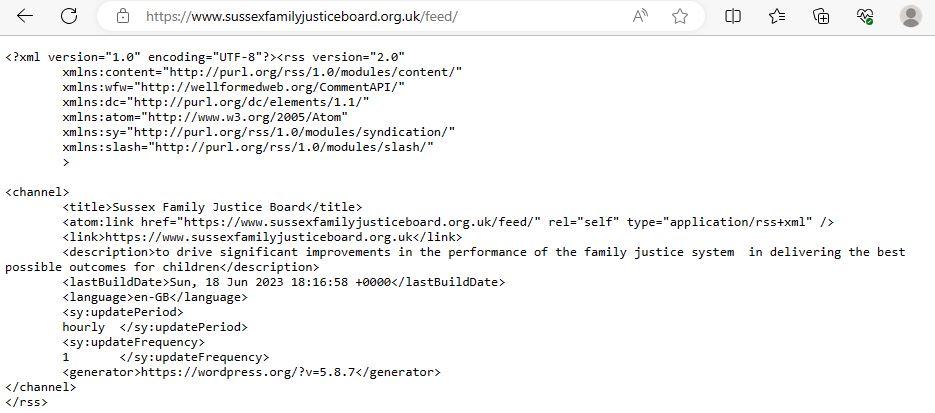
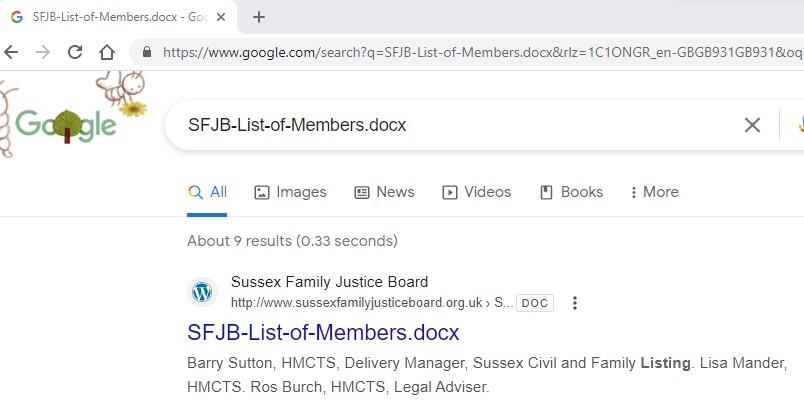
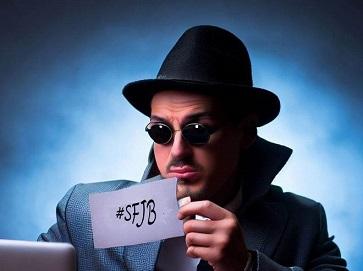
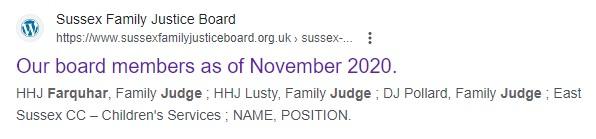
#SFJB – Fraud at the Sussex Family Justice Board ?

National Lead Force

The City of London Police are the National Police Chiefs’ Council Lead for Economic and Cyber Crime and National Lead Force for Fraud. They operate Action Fraud and the National Fraud Intelligence Bureau.

Working with City of London Police and local forces is the National Economic Crime Centre (NECC), which sits within the National Crime Agency (NCA).

We investigate some of the country’s most complex cases of fraud, set the national strategy and coordinate the operational response. We also host Action Fraud, the national reporting centre for fraud and cybercrime, on behalf of policing.

With over 40 per cent of all crime reported in the UK being fraud related, the National Lead Force (NLF), as part of the City of London Police, serves a crucial role in the coordination of the policing response: identifying, disrupting and prosecuting fraud and economic crime across the country.

National Lead Force – City of London Police

If you have arrived at the Ministry of Injustice from https://cityoflondonpolice.uk (a MOI domain) you may well have been looking for https://cityoflondon.police.uk which is the official website for City of London Police.

For the avoidance of doubt this website is not run by City of London Police nor is it associated in any way with City of London Police.

Call 999 if:

  • a serious offence is in progress or has just been committed
  • someone is in immediate danger or harm
  • property is in danger of being damaged
  • a serious disruption to the public is likely

Call 101 for non-emergency enquiries. You can also Report a Crime online.

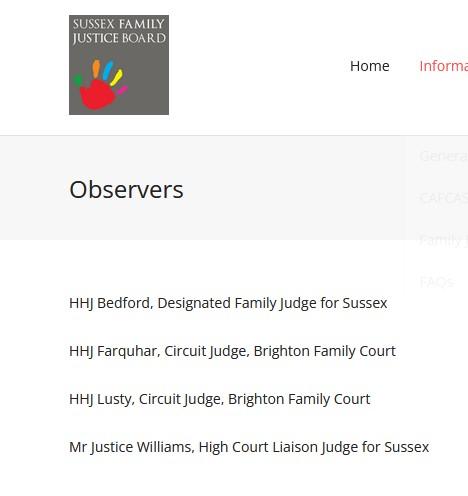
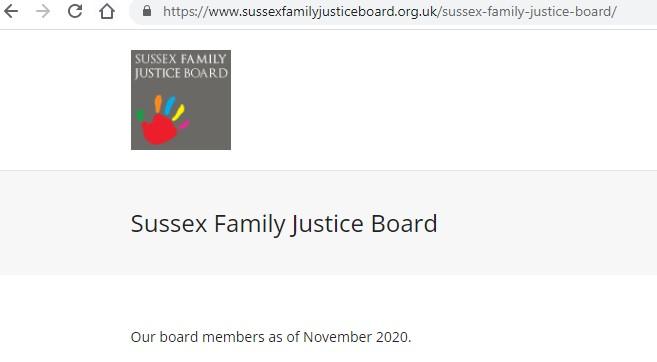
Check out our articles on Policing, Police News, Policing by Consent, Two Tiered Policing, Wasting Police Time, Met Police, Sussex Police, Chief Constable Jo Shiner Sussex Police, What is a Police and Crime Commissioner and a Police and Crime Panel ? and the highly questionable Sussex Family Justice Board.


The Ministry of Injustice is not the Ministry of Justice nor is it affiliated in any way with the justice system, legal profession, police or any other law enforcement agencies.


Latest Articles


Most Popular


You should always seek formal legal advice from a qualified and reputable lawyer (solicitor or barrister).

There are a number of links to Free and Paid For Legal Resources and Legal Organisations on the Free Legal Advice , Legal Aid and Pro Bono pages.
Categories
Law

What is the Justice Committee ?

The Justice Committee is a cross-party group of MPs appointed by the House of Commons to examine the policies and spending of the Ministry of Justice and associated public bodies.

This includes the courts, legal aid, prisons, probation and the rule of law. It also advises on sentencing guidelines. The Justice Committee is chaired by Andy Slaughter.

Role of the Justice Committee

Sir Bob Neill MP, former Chair of the Justice Committee, explained the role of the Justice Committee and how to get involved in the Committee’s work

The Justice Committee was appointed by the House of Commons to examine the expenditure, administration and policy of the Ministry of Justice and associated public bodies, (to include the work of staff provided for the administrative work of courts and tribunals, but excluding consideration of individual cases and appointments, and excluding the work of the Scotland and Wales Offices and of the Advocate General for Scotland); and administration and expenditure of the Attorney General’s Office, the Treasury Solicitor’s Department, the Crown Prosecution Service and the Serious Fraud Office (but excluding individual cases and appointments and advice given within government by Law Officers).

The Justice Committee is one of the 19 Select Committees related to Government Departments, established by the House of Commons under Standing Order No. 152.

Role of the Justice Committee – Parliament Website

Subjects of Inquiry

The Justice Committee chooses its own subjects of inquiry. 

Depending on the subject, external deadlines, and the amount of oral evidence the Committee decides to take, an inquiry may last for several months and give rise to a report to the House; other inquiries may simply consist of a single day’s oral evidence which the Committee may publish without making a report.

When the Committee has chosen an inquiry it normally issues a press notice outlining the main themes of inquiry and inviting interested parties to submit written evidence. It may also identify possible witnesses and issue specific invitations to them to submit written evidence.

Role of the Justice Committee – Parliament Website

Inquiries

Inquiries allow committees to consider oral and written evidence on a particular topic. They usually result in the publication of a report.

All inquires of the Justice Committee past and present are published and can be searched for on the Parliament website.

Contact the Justice Commitee

  • Email: [email protected]
  • Phone: (General Enquiries) 020 7219 7005 (Media Enquiries) 07842 601500
  • Address: House of Commons, London SW1A 0AA
Justice Committee X Feed

The Ministry of Injustice is not the Ministry of Justice nor is it affiliated in any way with the justice system, legal profession, police or any other law enforcement agencies.


Latest Articles


Most Popular


You should always seek formal legal advice from a qualified and reputable lawyer (solicitor or barrister).

There are a number of links to Free and Paid For Legal Resources and Legal Organisations on the Free Legal Advice , Legal Aid and Pro Bono pages.
Categories
Law

What is a Private Prosecution ?

Private prosecution refers to the initiation of criminal proceedings by a private individual or organisation rather than a public authority such as the Crown Prosecution Service (CPS) in the UK.

In the UK, private prosecutions have a long history and are enshrined in common law, allowing individuals and organisations to bring criminal charges against others for a wide range of offenses.

Private prosecutions are relatively rare in the UK, but they are allowed under section 6(1) of the Prosecution of Offences Act 1985.

This article will provide an overview of private prosecution in the UK, including its history, the legal framework, and the process of bringing a private prosecution. It will also discuss the advantages and disadvantages of private prosecution and some high-profile cases.

History of Private Prosecution in the UK

Private prosecution has a long history in the UK, dating back to medieval times. Before the establishment of a professional police force and public prosecution service, private individuals or organisations were responsible for investigating and prosecuting criminal offenses.

In the 19th century, the power to prosecute criminal offenses was gradually transferred to public authorities such as the Crown Prosecution Service. However, private individuals or organisations retained the right to bring private prosecutions, and this right was enshrined in common law.

Today, private prosecution is governed by the Prosecution of Offenses Act 1985 and the Criminal Procedure Rules.

There are, however, some limitations: 

  • the Director of Public Prosecutions (DPP) has power under section 6(2) POA 1985 to take over private prosecutions;
  • in some cases, the private prosecutor must seek the consent of the Attorney General or of the DPP before the commencement of proceedings.

Legal Framework for Private Prosecution

The legal framework for private prosecution in the UK is set out in the Prosecution of Offenses Act 1985, Criminal Procedure Rules and the Magistrates’ Courts Act 1980.

Prosecutions instituted and conducted otherwise than by the Service.

(1)Subject to subsection (2) below, nothing in this Part shall preclude any person from instituting any criminal proceedings or conducting any criminal proceedings to which the Director’s duty to take over the conduct of proceedings does not apply.

Section 6(1) of the Prosecution of Offenses Act 1985

The Criminal Procedure Rules 2020 Part 7 “Starting a Prosecution in a Magistrates’ Court” apply to private prosecutions in the UK.

CPR Part 7 contains specific provisions on the procedure to be followed in private prosecutions, including the requirements for the service of documents, the conduct of preliminary hearings, and the transfer of cases to the Crown Court. These rules provide a clear framework for the conduct of private prosecutions and ensure that they are conducted fairly and efficiently.

Section 1 of the Magistrates’ Courts Act 1980 (MCA 1980) applies to a laying of information at a Magistrates Court :-

Issue of summons to accused or warrant for his arrest.

On an information being laid before a justice of the peace that a person has, or is suspected of having, committed an offence, the justice may issue—
(a)a summons directed to that person requiring him to appear before a magistrates’ court to answer the information, or
(b)a warrant to arrest that person and bring him before a magistrates’ court

Section 1 Magistrates’ Courts Act 1980

In order to bring a private prosecution, the individual or organisation must have sufficient evidence to establish a prima facie case against the defendant. This means that there must be enough evidence to suggest that the defendant has committed the offense, and that there is a reasonable prospect of conviction.

The process of bringing a private prosecution is similar to that of a public prosecution. The CPS publish legal guidance about Private Prosecutions on their website.

How to bring a Private Prosecution

To bring a private prosecution, an individual must first lay an information.

This is a document that sets out the details of the alleged offense and provides evidence to support the claim. The information must be laid before a magistrate or a judge, who will decide whether or not to issue a summons.

The information must contain the following details:

  • The name and address of the accused
  • The details of the offense, including the date, time, and location
  • The evidence supporting the claim
  • The name and address of the individual or organization bringing the prosecution
  • The name and address of any witnesses

The gov.uk website have published a word document SP001 dated May 2019 Application for summons or warrant for arrest for alleged offence under Magistrates’ Courts Act 1980 section 1, CrimPR 7.2(6) which captures all the relevant information to “lay an information” at a Magistrates Court.

You can find a Magistrates Court using the Find a court or tribunal service.

Once the information is laid, the magistrate or judge will consider the evidence and decide, using it’s discretion, whether or not to issue a summons or warrant of arrest.

If the summons is issued, the accused will be required to attend court to answer the charges.

If a warrant of arrest is issued under Section 125 of the Magistrates’ Courts Act 1980, then this will be directed to “any constable acting within his police area”.

Advantages of a Private Prosecution

There are several advantages to bringing a private prosecution rather than relying on the public prosecution service.

One of the main advantages is that the individual or organisation has greater control over the proceedings. They can choose the lawyers and experts who will represent them, and they can decide which charges to bring.

Another advantage is that private prosecution can be a more effective way of holding individuals or organisations to account, particularly in cases where the public prosecution service has declined to prosecute. Private prosecutions can also be quicker than public prosecutions, as they are not subject to the same bureaucratic processes.

Disadvantages of Private Prosecution

However, there are also some disadvantages to private prosecution. One of the main disadvantages is the cost.

Private prosecutions can be expensive, as the individual or organisation is responsible for paying for the legal representation and other costs associated with the case. This can be a particular problem for individuals or organisations who do not have significant financial resources.

Private Prosecutions can be seen as a way for individuals and organizations to take the law into their own hands and there is a risk of retaliation, including legal action or harassment.

Private prosecutions can be difficult to win, as the accused person has the right to a fair trial.

If you are considering bringing a private prosecution, it is important to seek legal advice to ensure that you are aware of the risks and potential benefits.

High-Profile Private Prosecutions

In recent years, there have been several high-profile private prosecutions in the United Kingdom that have garnered significant attention. These cases have demonstrated the potential power and impact of private prosecutions in bringing justice to victims and holding individuals accountable for their actions. Let’s explore a few notable examples:

  1. R v. Gary Dobson and David Norris (Stephen Lawrence Case): One of the most prominent private prosecutions in recent UK history was the private prosecution brought by Stephen Lawrence’s family. Stephen Lawrence, a black teenager, was murdered in a racially motivated attack in 1993. Despite strong evidence, the initial investigation failed to secure a conviction. In 1999, Stephen’s parents, Doreen and Neville Lawrence, utilized the private prosecution route to pursue justice. The private prosecution ultimately led to the conviction of Gary Dobson and David Norris for Stephen’s murder in 2012.
  2. R v. John Downey (Hyde Park Bombing Case): In 2013, a private prosecution was initiated against John Downey, who was accused of the 1982 Hyde Park bombing in London, which killed four soldiers and injured many others. The prosecution was launched by the families of the victims after the criminal trial against Downey collapsed due to an error in his prosecution. In 2014, the private prosecution was halted by a judge who ruled that Downey could not face trial again due to an official assurance given to him by the government.
  3. R v. Dale Cregan (Mark Short and David Short Case): Dale Cregan, a notorious criminal, was involved in the murders of Mark Short and his father David Short in 2012 as part of a gangland feud. The Short family decided to pursue a private prosecution against Cregan after the criminal trial against him commenced. However, during the trial, Cregan admitted to the charges, and the private prosecution was discontinued. Nevertheless, this case highlighted the potential for private prosecutions in high-profile criminal matters.

These recent high-profile private prosecutions demonstrate the ability of private individuals to bring justice to victims and hold perpetrators accountable, even in cases where the state prosecution may have faltered or faced challenges. Private prosecutions can play a crucial role in ensuring that no crime goes unpunished.

Private prosecutions are an important part of the legal system in the UK, as they allow individuals to seek justice in the UK legal system.

While there are advantages to bringing a private prosecution, such as control over the case and closure for the victim, there are also several disadvantages.

Nicola Sharp who is a Partner at Rahman Ravelli Solicitors has published a useful article Private Prosecutions: The Process, Defendants’ Options and Mixed Motives.


The Ministry of Injustice is not the Ministry of Justice nor is it affiliated in any way with the justice system, legal profession, police or any other law enforcement agencies.


Latest Articles


Most Popular


You should always seek formal legal advice from a qualified and reputable lawyer (solicitor or barrister).

There are a number of links to Free and Paid For Legal Resources and Legal Organisations on the Free Legal Advice , Legal Aid and Pro Bono pages.
Categories
Law

Royal Courts of Justice

The Royal Courts of Justice are a grand court building situated in The Strand London England which are located opposite to the Temple Bar Memorial Pillar.

The Royal Courts of Justice serves as the central court of the High Court of Justice and the Court of Appeal.

His Majesty King Charles III visited the Royal Courts of Justice (RCJ) on the 14th December 2023 for a historic event which celebrated the relationship between the monarchy and the judiciary. The King was met by Lady Carr, Lady Chief Justice of England and Wales (LCJ), who hosted his visit, as well as many judges and magistrates, and Judicial Office and HM Courts and Tribunals Service (HMCTS) staff.

King Charles III visits the Royal Courts of Justice

About the Royal Courts of Justice

The High Court of Justice in London, known properly as His Majesty’s High Court of Justice in England, together with the Court of Appeal and the Crown Court, are the Senior Courts of England and Wales.

Its name is abbreviated as EWHC (England and Wales High Court) for legal citation purposes.

It deals at first instance with all high value and high importance civil law (non-criminal) cases, and also has a supervisory jurisdiction over all subordinate Courts and Tribunals, with a few statutory exceptions.

The High Court consists of 3 divisions: the King’s Bench Division, the Family Division, and the Chancery Division.

The Central London County Court deals with civil cases of varying complexity and value, including disputes between individuals, businesses, and organisations and is one of the largest County Courts in England and Wales. The County Court is located in the Thomas More Building.

History of the Building

The Royal Courts of Justice building, located on The Strand, was designed by architect George Edmund Street and completed in 1882.

Its impressive Victorian Gothic architecture, grandeur and history make it one of the most recognizable landmarks in London, attracting thousands of tourists and legal professionals every year.

The Royal Courts of Justice was built to address the need for a larger, more centralised court system in London. Prior to its construction, there were several different courts throughout the city that were responsible for different types of cases. This led to confusion and inefficiency, and it was decided that a new, purpose-built courthouse was needed.

The building of the Royal Courts of Justice began in 1873 and took nearly a decade to complete. The cost of construction was substantial, with estimates suggesting that it was around £1.2 million, which was a significant sum of money at the time. The building’s design was based on Gothic architecture, which was popular during the Victorian era.

The Royal Courts of Justice was officially opened by Queen Victoria in 1882. Since then, it has played a central role in the British legal system, serving as the site of many significant cases over the years.

The Royal Courts of Justice is a fascinating and impressive court building that is steeped in history. Its grand architecture and impressive design reflect the importance of the legal system in British society, and it is a must-visit destination for anyone interested in law and history.

Visiting the Royal Courts of Justice

If you are planning on visiting the Royal Courts of Justice you should read the Royal Courts of Justice webpage on the Find a Court or Tribunal service.

Court and tribunal hearings in England and Wales usually take place in public. This means you can observe a court or tribunal hearing whether you’re a journalist, academic or member of the public.

The Royal Courts of Justice daily cause list lists all cases for trial in the Royal Courts of Justice and its outlying buildings.

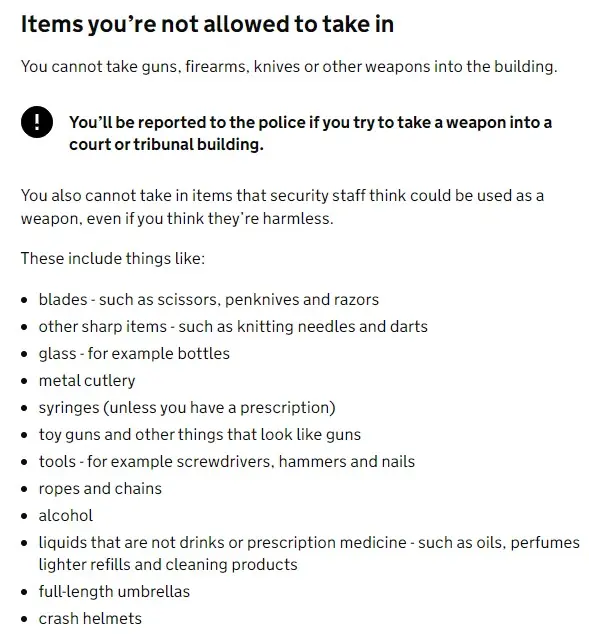
If you are attending any court, it is important to be aware of what you are allowed to bring with you, as well as what is prohibited. The general rules Going through security at a court or tribunal building should be referred to.

Going through security at a court or tribunal building 28th March 2023

Surrender and seizure of articles

(1)If a court security officer acting in the execution of his duty reasonably believes that an article in the possession of a person who is in, or seeking to enter, a court building ought to be surrendered on any of the grounds given in subsection (3), he must ask the person to surrender the article.

(2)If the person refuses to surrender the article, the officer may seize it.

(3)The grounds are that the article—

(a)may jeopardise the maintenance of order in the court building (or a part of it),

(b)may put the safety of any person in the court building at risk, or

(c)may be evidence of, or in relation to, an offence.

Courts Act 2003 Part 4 Section 54

Spoons at the Royal Courts of Justice

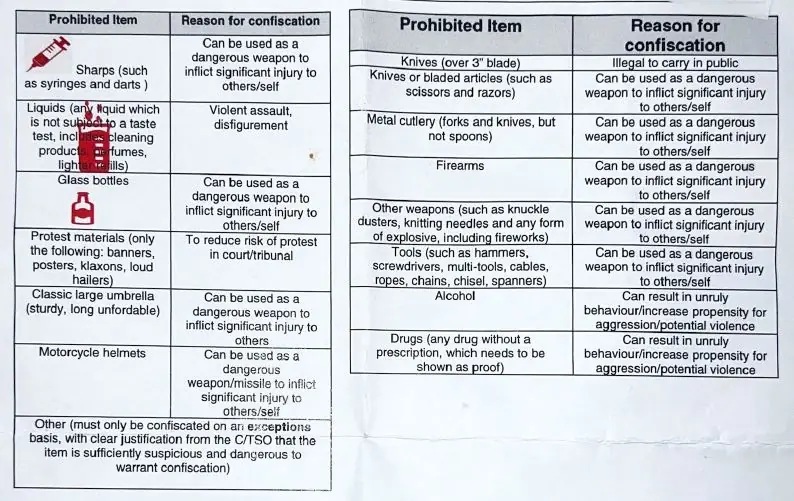
The Royal Courts of Justice appear to have different prohibited item rules to other courts as detailed in Version 1.03 of a Ministry of Justice (MoJ) document (with obligatory spelling mistakes) obtained on the 2nd November 2022. This document may have been updated since.

Prohibited Items at the Royal Courts of Justice London

As you will notice, Metal cutlery is prohibited but Spoons are explicitly allowed ! They can clearly be used as weapon. How and why are they allowed ?

Spoon as a Weapon – Fawlty Towers © BBC
Spoon Salesman – Fawlty Towers © BBC

The Ministry of Injustice is not the Ministry of Justice nor is it affiliated in any way with the justice system, legal profession, police or any other law enforcement agencies.


Latest Articles


Most Popular


You should always seek formal legal advice from a qualified and reputable lawyer (solicitor or barrister).

There are a number of links to Free and Paid For Legal Resources and Legal Organisations on the Free Legal Advice , Legal Aid and Pro Bono pages.
Categories
Law Legal Analysis

Photography in Court

Section 41 of the Criminal Justice Act 1925 (CJA 1925) makes it an offence to take any photograph, make or attempt to make any portrait or sketch of a justice or a witness in, or a party to, any proceedings before the court, either in the courtroom or its precincts. A court precinct are its buildings and land.

According to the CPS, the penalty on summary conviction is a fine not exceeding level 3 on the standard scale. A Level 3 fine is a maximum of £1,000 and is published on the Sentencing Council website. The CJA 1925, however only provides for a fine not exceeding £50.

(1) No person shall—

(a) take or attempt to take in any court any photograph, or with a view to publication make or attempt to make in any court any portrait or sketch, of any person, being a judge of the court or a juror or a witness in or a party to any proceedings before the court, whether civil or criminal; or

(b) publish any photograph, portrait or sketch taken or made in contravention of the foregoing provisions of this section or any reproduction thereof;

and if any person acts in contravention of this section he shall, on summary conviction, be liable in respect of each offence to a fine not exceeding fifty pounds.

Criminal Justice Act 1925 Section 41

The Criminal Justice Act 1925 comes into effect within the precinct of a Crown Court; whereas the Contempt of Court Act 1981 comes into effect on all other HMCTS sites.

The offence at s41 CJA 1925 can be charged as a criminal offence in accordance with the Director’s Guidance on Charging, or the underlying behaviour can be dealt with by the court as a contempt in accordance with the summary procedure at Rule 48.5 of the Criminal Procedure Rules – see R v D (Contempt of Court: Illegal Photography) [2004] EWCA Crim 1271, or on a later application to the High Court by the Attorney General.

If dealt with by summons or charge normal time limits apply. The decision whether to charge a criminal offence or to bring proceedings for contempt will depend on the facts of the case, including the gravity of the interference with the administration of justice.

In Solicitor General v Cox [2016] EWHC 1241 (QB) the Solicitor General brought proceedings for common law contempt in respect of photos and videos taken in court and posted online along with derogatory comments about the judge. The court found that both the taking and publication of the illegally taken images, accompanied by pejorative comments about a judge, amounted to contempt, in circumstances where the contemnor knew phones were banned and had acted in deliberate defiance of it. The court considered the gravity of the risks and of the interference with the due administration of justice in the case and held that proceedings for contempt, rather than prosecution of the criminal offence, were appropriate.

The case of Cox highlights the extent to which the use of social media can interfere with the administration of justice and the need to take appropriate action. Prosecutors should refer to the Criminal Practice Directions (CPD I General matters 6C. This clarifies the use which may be made of live text-based communications, such as mobile email, social media (including Twitter) and internet-enabled laptops in and from courts).

Where evidence exists of an offence contrary to s.41 CJA 1925 prosecutors should assist the court by reference to the above considerations. The court initially decides on whether action must be taken by application of the summary contempt procedure at Rule 48.5. In the magistrates’ court the summary contempt procedure must be completed that day – see Practice and Procedure below. If the court does not proceed in this manner a decision has to be made on whether to proceed by charge or to refer the matter to the Attorney General having regard to the gravity of the risks and interference with the due administration of justice in the case.

Two options

  1. If the offender is apprehended on the day and the court is sitting advise court that it can deal with it as a contempt of court there and then, using the summary procedure at Rule 48.5 above, or have the police decide whether to charge an offence contrary to s.41 Criminal Justice Act 1925. If a magistrates’ court decides to deal with it there and then it may receive an apology but cannot impose a sanction – see Rule 48.5 procedure above.
  2. If the court does not deal with it there and then the normal police investigation and charge procedure applies. The offence is at s41 Criminal Justice Act 1925. Penalty is a level 3 fine. AG consent is not required so police can charge. Prosecutors note – there is no need to contact AGO when this scenario occurs unless the risks and interference with the due administration of justice was particularly grave. See Solicitor General v Cox where particularly serious issue.
Photography in court – Crown Prosecution Service (CPS) Legal Guidance

Contempt of Court

Contempt of Court is conduct that denotes wilful defiance of, or disrespect towards the court, or that wilfully challenges or affronts the authority of the court or the supremacy of the law itself.

Photography Ban and the Crimes and Courts Act 2013 

According to The Law Society Gazette article Court photography ban under review in transparency drive written by Monidipa Fouzder and published on the 11th May 2023 :-

A ban imposed nearly 100 years ago on photography in courts could be lifted under ideas being floated by the government to make the justice system more transparent.

A call for evidence published by the Ministry of Justice today asks if the 1925 prohibition on photography and 1981 prohibition on sound recording remain fit for purpose.

The Crimes and Courts Act 2013 allows the ban to be disapplied in certain circumstances by secondary legislation. For instance, the Court of Appeal and Competition Appeal Tribunal can broadcast proceedings. The Crown court can broadcast sentencing remarks. The Supreme Court is excluded from the two bans because cases heard by the UK’s highest court, which was established in 2009, would have previously been heard in the House of Lords where broadcasting was allowed.

Court photography ban under review in transparency drive

Video of Crown Court and Court of Appeal Cases

The latest cases as captured by Sky News cameras in the Crown Court and Court of Appeal are published on the Sky News – Courts YouTube Channel.

Please be advised that the published videos by Sky News may contain graphic descriptions of serious crimes, including murder and sexual offences.

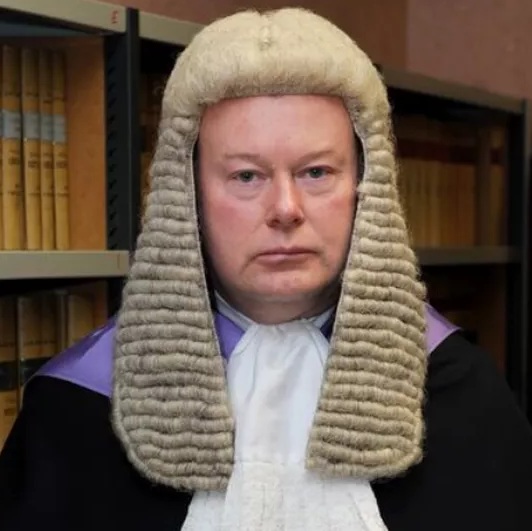
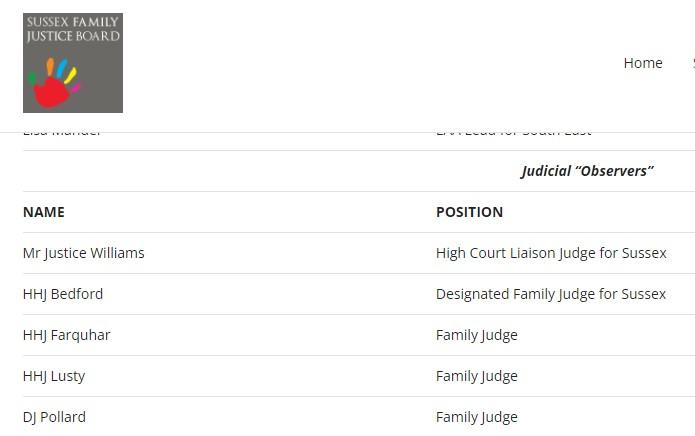
Check out our articles on Judiciary, Rule of Law, Open Justice, Judges Salaries and Fees, Dodgy JudgesMr Justice Williams, His Honour Judge Richardson, His Honour Now His Dishonour, His Honour Judge Michael Slater, His Honour Judge Martin Davis, HHJ Farquhar, Do you Have to Bow to a Judge ?, Can you Email a Judge ?, Can you Criticise a Judge ? and the highly dubious Sussex Family Justice Board.


The Ministry of Injustice is not the Ministry of Justice nor is it affiliated in any way with the justice system, legal profession, police or any other law enforcement agencies.


Latest Articles


Most Popular


You should always seek formal legal advice from a qualified and reputable lawyer (solicitor or barrister).

There are a number of links to Free and Paid For Legal Resources and Legal Organisations on the Free Legal Advice , Legal Aid and Pro Bono pages.
Categories
Family Law Law

McKenzie Friend

The term McKenzie Friend stems from the landmark case of McKenzie v McKenzie in 1970 (McKenzie v McKenzie [1970] 3 WLR 472 CA), where a husband sought assistance from a non-legally qualified friend to represent him in court during divorce proceedings.

Can a McKenzie Friend Help You in Court? Everything* You Need to Know!Alan Robertshaw Barrister

The Court of Appeal, in their judgment made in 1970, recognised that litigants, especially those without legal representation, could benefit from such support. Consequently, the role of McKenzie Friends was officially acknowledged, allowing individuals to accompany and assist Litigants in Person (LIP) in court.

In 2005 the Court of Appeal, in the matter of the children of Mr O’Connell, Mr Whelan and Mr Watson, further clarified the role of McKenzie friends.

Article 6 of the ECHR is engaged in any application by a litigant in person for the assistance of a McKenzie friend. Furthermore, in our judgment, two clear propositions stand out from the authorities as they apply to family proceedings.

These are:

(1) that the presumption in favour of the litigant being allowed the assistance of a McKenzie friend is a strong one; and

(2) that such a request should not be refused without good reason, even where the proceedings relate to a child and are being heard in private.

[2005] EWCA Civ 759 – LORD JUSTICE THORPE and LORD JUSTICE WALL

Article 6 of the Human Rights Act 1998 makes it unlawful for a public authority to act in a way that is incompatible with a person’s rights under the European Convention on Human Rights.

Role and Responsibilities of McKenzie Friends

McKenzie Friends are volunteers, friends, family members, or sometimes paid advisors, who assist litigants in various ways. They are not lawyers, but their involvement can be valuable.

A McKenzie Friend can help litigants by providing emotional support, taking notes during proceedings, offering practical advice, and helping with case preparation.

However, it is essential to note that McKenzie Friends cannot address the court directly or act as legal representatives.

Practice Guidance: McKenzie Friends (Civil and Family Courts)

In July 2010, the role of McKenzie Friends was formalised through the issuance of Practice Guidance by the then Master of the Rolls and the President of the Family Division.

The guidance aims to ensure a consistent and fair approach across the civil and family courts when dealing with McKenzie Friends. This Practice Guidance is essential in establishing the parameters and responsibilities of McKenzie Friends in court proceedings.

Guidance from the President’s Office- McKenzie Friends

A guidance document was published by the then President of the Family Division in 2005.

The Courts and Tribunal Judiciary list both guidance documents on their McKenzie Friend webpage.

Reforming the courts’ approach to McKenzie Friends

A consultation paper entitled Reforming the courts’ approach to McKenzie Friends was published by the Lord Chief Justice in February 2016.

A Consultation Response Reforming the courts’ approach to McKenzie Friends was published by the Lord Chief Justice in February 2019

Notice of McKenzie Friend

Here is a an example Notice of McKenzie friend which should be completed and handed to the usher before the hearing starts. If you are attending a remote hearing, then you should email the court before the start of the hearing.

There is no legal requirement to share this form with the other party (Family or Civil Proceedings).

(2) Paragraph (1) applies to any communication in which any representation is made to the court on a matter of substance or procedure but does not apply to communications that are purely routine, uncontentious and administrative.

FAMILY PROCEDURE RULE 5.7 – PART 5: FORMS, START OF PROCEEDINGS AND COMMUNICATION WITH THE COURT

This practice direction supplements Part 5 of the Family Procedure Rules 2010

1. Rule 5.7(1) FPR 2010 makes provision in relation to the requirement to disclose and, if in writing, to copy any communication with the court to the other parties or their representatives. Exceptions to the requirement are specified in rule 5.7(2), (3) and (7) FPR 2010. This practice direction supplements rule 5.7(7) FPR 2010.

FAMILY PRACTICE DIRECTION 5C – COMMUNICATIONS WITH THE COURT

Court Refusal of the Request for Assistance from a McKenzie Friend

The purpose of allowing a litigant in person the assistance of a McKenzie friend is to further the interests of justice by achieving a level playing field and ensuring a fair hearing.

We endorse the proposition that the presumption in favour of allowing a litigant in person the assistance of a McKenzie friend is very strong, and that such a request should only be refused for compelling reasons.

Furthermore, should a judge identify such reasons, (s)he must explain them carefully and fully to both the litigant in person and the would-be McKenzie friend.

[2005] EWCA Civ 759 – LORD JUSTICE THORPE and LORD JUSTICE WALL

Check out our related articles on Rule of Law, Open Justice, Is the Law Black and White ?, What Does Lady Justice Symbolise ?, McKenzie Friends Rights of Audience, Can a Judge Direct a Jury to Find a Defendant Not Guilty ?, Law Society, Law Commission, Solicitors, Solicitors Regulation Authority, Barristers, Bar Council of England and Wales, Bar Standards Board, Contra Mundum, R v Sussex Justices, Police Impartiality and the highly questionable Sussex Family Justice Board.


The Ministry of Injustice is not the Ministry of Justice nor is it affiliated in any way with the justice system, legal profession, police or any other law enforcement agencies.


Latest Articles


Most Popular


You should always seek formal legal advice from a qualified and reputable lawyer (solicitor or barrister).

There are a number of links to Free and Paid For Legal Resources and Legal Organisations on the Free Legal Advice , Legal Aid and Pro Bono pages.

Categories
Law

Libel and Slander

Libel and slander are both forms of defamation, which involve making a false statement about someone that damages their reputation.

Libel is a defamatory statement that is written. Slander is a defamatory statement that is oral.

In the United Kingdom, the laws around libel and slander are governed by the Defamation Act 2013 which replaced the previous common law rules on defamation.

Defamation Act 2013

The Defamation Act 2013 defines defamation as a statement that “causes or is likely to cause serious harm to the reputation of the claimant”. It also sets out the criteria for what constitutes a defamatory statement, including whether the statement would lower the claimant in the estimation of right-thinking members of society or whether it would cause the claimant to be shunned or avoided.

Under the Defamation Act 2013, a claimant has to show that the statement was published to a third party and that it referred to them directly or indirectly. The statement must also be shown to be false, unless it is a statement of opinion, in which case the defence of honest opinion may be used.

One of the key changes introduced by the Defamation Act 2013 was the introduction of a new defence of “truth”. If a defendant can prove that the statement is true, they will not be liable for defamation. The Act also introduced a defence of “honest opinion”, which can be used if the statement was a genuine expression of opinion, based on true facts, and was not malicious.

Another important change introduced by the Defamation Act 2013 was the requirement for claimants to show that they had suffered “serious harm” as a result of the defamatory statement. This was intended to prevent trivial claims from clogging up the courts and to ensure that claimants only pursued cases where there was a genuine loss.

Defamation

The role of solicitors and barristers in defamation cases is crucial. A solicitor will typically be the first point of contact for a potential claimant, and will assess the strength of their case and advise on whether it is worth pursuing. They will also be responsible for drafting the claim form and other legal documents, and for liaising with the defendant’s legal team.

The law says that the victim of libel or slander has just 12 months from the date of publication of the libellous or slanderous statement to start Court proceedings. The 12 month time limit can be varied in some circumstances.

Once the claim has been filed, the case will usually be heard in the High Court, although smaller cases may be heard in the County Court. In some cases, the parties may be able to reach a settlement before the case goes to court, but if the case proceeds to trial, a barrister will typically be instructed to represent the claimant.

Barristers are specialist advocates who are trained in the law and court procedure. They will provide advice on the strength of the case, draft legal arguments and represent the claimant in court. Barristers will also cross-examine witnesses and make closing submissions to the judge or jury.

Defendants in defamation cases will also typically be represented by a solicitor and barrister. Their role will be to defend the claim and argue that the statement was not defamatory, or that a defence applies. The defendant may also bring a counter-claim if they believe that the claimant has defamed them.

One important aspect of defamation law in the UK is the ability to apply for an injunction to prevent the publication of defamatory material. This is known as a “gagging order” and can be used to prevent a defendant from publishing further defamatory material, or to prevent the publication of material that has already been produced.

The role of the court in defamation cases is to balance the right to freedom of expression against the right to protect one’s reputation. The court will consider a range of factors, including the seriousness of the defamatory statement, the context in which it was made, the audience it was intended for, and whether the statement was made in the public interest.

Human Rights Act

The Human Rights Act 1998 (HRA) is an important piece of legislation in the UK that incorporates the European Convention on Human Rights (ECHR) into domestic law. The HRA has had a significant impact on defamation law in the UK, particularly in relation to the right to freedom of expression.

Under the HRA, individuals have the right to freedom of expression, which includes the freedom to hold opinions and to receive and impart information and ideas. However, this right is not absolute, and can be subject to restrictions that are necessary in a democratic society.

In defamation cases, the HRA has been used to strike a balance between the right to freedom of expression and the right to protect one’s reputation. The courts have recognised that freedom of expression is a fundamental right, but have also recognised that defamatory statements can have a serious impact on an individual’s reputation and can restrict their right to respect for private life under Article 8 of the ECHR.

In some cases, the HRA has been used to strengthen the defences available to defendants in defamation cases. For example, in the case of Reynolds v Times Newspapers Ltd [1999], the House of Lords (now the Supreme Court) developed a new defence of “responsible journalism” based on the right to freedom of expression under the HRA. The defence applies where a publication is on a matter of public interest, the publisher has taken reasonable steps to verify the information, and the publication is in the public interest.

Similarly, in the case of Jameel v Wall Street Journal Europe SPRL [2006], the Court of Appeal (Civil Division) held that the right to freedom of expression under the HRA required a high threshold for proving “serious harm” in defamation cases, and that a claimant must show that the publication had caused or was likely to cause “serious harm” to their reputation.

The HRA has also had an impact on the remedies available in defamation cases. Under Article 10 of the ECHR, individuals have the right to seek a remedy for a violation of their right to freedom of expression. This means that claimants in defamation cases can seek a range of remedies, including damages, injunctions, and apologies.

The Human Rights Act has had a significant impact on defamation law in the UK, particularly in relation to the right to freedom of expression.

The Act has been used to strike a balance between the right to freedom of expression and the right to protect one’s reputation, and has led to the development of new defences and a high threshold for proving “serious harm”.

The Act has also had an impact on the remedies available in defamation cases, and has reinforced the importance of the right to seek a remedy for a violation of the right to freedom of expression.

The law around libel and slander in the UK is complex, but is governed by the Defamation Act 2013. The Act introduced important changes, including a requirement for claimants to show “serious harm”, new defences of “truth” and “honest opinion”, and the ability to apply for an injunction to prevent the publication of defamatory material.

It is worth noting that the internet and social media have had a significant impact on defamation law in recent years.

Online platforms have made it easier for defamatory material to be published and shared, and have made it more difficult for individuals to protect their reputation.

However, the same principles of defamation law apply online as they do offline, and individuals can still take legal action to protect their reputation.

In addition, the Defamation Act 2013 introduced new provisions to address the issue of online defamation.

These include a new defence of publication on a matter of public interest, which can be used if the statement was published in the public interest and the defendant reasonably believed it to be true.

Overall, libel and slander remain important areas of law in the UK, and individuals and organisations need to be aware of their rights and responsibilities when it comes to protecting their reputation or defending against defamatory statements.

The gov.uk website has various help and guidance on Crime, justice and the law.


The Ministry of Injustice is not the Ministry of Justice nor is it affiliated in any way with the justice system, legal profession, police or any other law enforcement agencies.


Latest Articles


Most Popular


You should always seek formal legal advice from a qualified and reputable lawyer (solicitor or barrister).

There are a number of links to Free and Paid For Legal Resources and Legal Organisations on the Free Legal Advice , Legal Aid and Pro Bono pages.
Categories
Law Legal Analysis Police

National Security Online Information Team (NSOIT)

The National Security Online Information Team (NSOIT) at the Department for Science, Innovation and Technology was allegedly established to bring together cross-government monitoring and analysis capabilities. The National Security Online Information Team (NSOIT) was previously known as the Counter Disinformation Unit (CDU).

Check out the article on the Counter Disinformation Data Platform (CDDP).

It is often said that when a government decides what information is to be disseminated to the people, the institution of government is no longer for the people but for its own self-preservation. The 1949 George Orwell novel Nineteen Eighty Four (1984) had a fictional Ministry of Truth.

On the 3rd June 2023 The Telegraph published an article Elon Musk joins backlash over secret unit curbing lockdown dissent and states “The billionaire Twitter owner condemned the ‘terrible’ tactics used by the Government during the pandemic, as revealed by the Telegraph”

On the 9th June 2023 The Telegraph published an article Covid disinformation unit made ‘hourly contact’ with tech firms, its leader reveals

In response to this article, Dr John Campbell published his own analysis on his YouTube channel which has 2.8 million followers.

Government Counter Disinformation Unit – Dr John Campbell

According to The Telegraph on the 10th June 2023 Twitter refused majority of removal requests from Covid spying unit “Figures show that social media firm refused nearly six out of 10 appeals from UK government CDU”

Molly Kingsley published the following Tweet on the 3rd June 2023 containing evidence of government censorship following a Subject Access Request (SAR) to the CDU at the DCMS.

Molly Kingsley Twitter

The Daily Sceptic published on the 12th June 2023 an article Secretive Government Unit Broke Own Rules by Flagging Opinions as ‘Disinformation’

Originally Published 12th June 2023 – Last Updated Updated 22th July 2023

Big Brother Watch have launched a campaign against the CDU :-

  • Take the first ever legal action in Europe against a government’s ‘counter disinformation’ activity
  • Grow pressure in Parliament for an immediate suspension of the CDU and an investigation into its work
  • Continue our investigation into extra-judicial government censorship and surveillance activities.

Big Brother Watch have published their report Ministry of Truth: the secretive government units spying on your speech which details their findings.

Misinformation from the Counter Disinformation Unit or an MP ?

There is a discrepancy about when the CDU was actually established. The Cabinet Office and Department for Science, Innovation and Technology published a Fact Sheet on the CDU and RRU on the 9th June 2023.

Is the following evidence of Disinformation by the Counter Disinformation Unit or an MP ? 2019 v 2020 ?

The Counter Disinformation Unit (CDU) was first set up within the Department for Digital, Culture, Media and Sport in 2019 and it has since responded to periods of acute disinformation risk including Covid-19.

Fact Sheet on the CDU and RRU

Lucy Powell who is the Labour MP for Manchester South tabled (UIN 98962) the following parliamentary question on the 6th January 2022

To ask the Secretary of State for Digital, Culture, Media and Sport, whether the cross-Whitehall unit to counter disinformation on covid-19 is operating as of 6 January 2022; how many staff working as part of that unit there are in the (a) Department for Digital, Culture, Media and Sport, (b) Home Office (c) Foreign, Commonwealth and Development Office, (d) Cabinet Office and (e) Ministry of Defence; and whether the number of staff in each team has increased or decreased since that unit was established in March 2020.

Coronavirus: Disinformation Question for Department for Digital, Culture, Media and Sport

Chris Philp who is the Conservative MP for Croydon South replied on the 11th January 2022.

The Cross-Whitehall Counter Disinformation Unit (CDU) was established on 5 March 2020, bringing together cross-government monitoring and analysis capabilities. As of 7 January 2022 the CDU is still fully operational.

Addressing the challenges of disinformation and misinformation is a whole of the government effort. The CDU is resourced full time and works in close partnership with cross-government teams. In response to the COVID-19 pandemic, the size of the team in DCMS has increased. Requirements are continually reviewed to ensure appropriate levels of resourcing, including surge capacity as needed.

When false narratives are identified, the CDU coordinates departments across Whitehall to deploy the appropriate response. This can include a direct rebuttal on social media, flagging content to platforms and ensuring public health campaigns are promoted through reliable sources.

Coronavirus: Disinformation Question for Department for Digital, Culture, Media and Sport

It is no surprise that Chris Philp MP chose to ignore most of the questions that were asked.

Fact Sheet on the CDU and RRU

The Cabinet Office and Department for Science, Innovation and Technology published a Fact Sheet on the CDU and RRU on the 9th June 2023.

Counter-Disinformation Unit Fact Sheet

The Department for Science, Innovation and Technology published the Counter-Disinformation Unit – open source information collection and analysis: privacy notice on the 16th Match 2023.

RESIST 2 Counter Disinformation Toolkit

The Government Communication Service published the RESIST 2 Counter Disinformation Toolkit sometime in 2021 and updated it on the 11th January 2022.

It is unknown if the National Security Online Information Team (NSOIT) use this toolkit.

It is however interesting that this was updated on the same day that Chris Philp MP replied to the question tabled by Lucy Powell MP.

Check out our articles on Office for Communications Data Authorisations, Thought Police, Policing, Police News, Policing by Consent, Police Impartiality, Two Tiered Policing, Wasting Police Time, Counter Disinformation Data Platform (CDDP), Police Professional Standards and the highly questionable Sussex Family Justice Board.


The Ministry of Injustice is not the Ministry of Justice nor is it affiliated in any way with the justice system, legal profession, police or any other law enforcement agencies.


Latest Articles


Most Popular


You should always seek formal legal advice from a qualified and reputable lawyer (solicitor or barrister).

There are a number of links to Free and Paid For Legal Resources and Legal Organisations on the Free Legal Advice , Legal Aid and Pro Bono pages.
Categories
Law Legal Analysis

GDPR and Subject Access Requests

The Data Protection Act 2018 (DPA) is a law that sets out rules and regulations regarding the use, storage, and sharing of personal data in the United Kingdom (UK).

The Data Protection Act 2018 was introduced to replace the Data Protection Act 1998, and it incorporates the General Data Protection Regulation (GDPR), which is a European Union (EU) regulation that governs data protection across the EU.

In this article, we explore the key features of the DPA and how it relates to GDPR, the role of the Data Protection Officer (DPO), how to make a Subject Access Report (SAR) and data protection complaint to an organisation.

Key Features of the Data Protection Act 2018

The Data Protection Act is a comprehensive piece of legislation that covers all aspects of data protection in the UK. Some of the key features of the DPA include:

  1. Data protection principles: The DPA sets out six data protection principles that organisations must follow when processing personal data. These principles include fairness, lawfulness, transparency, accuracy, storage limitation, and accountability.
  2. Lawful basis for processing: The DPA requires organisations to have a lawful basis for processing personal data. These include consent, contract, legal obligation, vital interests, public interest, and legitimate interests.
  3. Rights of data subjects: The DPA gives individuals the right to access their personal data, request the erasure of their data, and object to the processing of their data. It also gives individuals the right to data portability, which means they can request their data in a portable format.
  4. Data protection officers: The DPA requires certain organisations to appoint a data protection officer (DPO) to oversee their data protection activities.
  5. Data breaches: The DPA requires organisations to report certain types of data breaches to the Information Commissioner’s Office (ICO) within 72 hours of becoming aware of the breach.
  6. Enforcement: The DPA gives the ICO the power to issue fines of up to £17.5 million or 4% of an organization’s global turnover for serious breaches of data protection law.

How the Data Protection Act relates to the GDPR

The DPA incorporates the GDPR into UK law. This means that organisations in the UK must comply with both the DPA and the GDPR. Some of the key ways in which the DPA relates to the GDPR include:

  1. Data protection principles: The data protection principles in the DPA are based on the principles set out in the GDPR. This means that organisations must follow the same principles when processing personal data, regardless of whether they are subject to the DPA or the GDPR.
  2. Lawful basis for processing: The lawful bases for processing personal data in the DPA are based on the lawful bases set out in the GDPR. This means that organisations must have a lawful basis for processing personal data under both the DPA and the GDPR.
  3. Rights of data subjects: The rights of data subjects in the DPA are based on the rights set out in the GDPR. This means that individuals in the UK have the same rights to access their personal data, request the erasure of their data, and object to the processing of their data as individuals in the EU.
  4. Data protection officers: The requirements for appointing a data protection officer in the DPA are based on the requirements set out in the GDPR. This means that organisations in the UK must appoint a DPO if they meet the same criteria as organisations in the EU.
  5. Data breaches: The requirements for reporting data breaches in the DPA are based on the requirements set out in the GDPR. This means that organisations in the UK must report certain types of data breaches to the ICO within 72 hours of becoming aware of the breach, just as organisations in the EU must report certain types of data breaches to their supervisory authority.
  6. Enforcement: The enforcement provisions in the DPA are based on the enforcement provisions set out in the GDPR. This means that the ICO has the power to issue fines of up to £17.5 million or 4% of an organisation’s global turnover for serious breaches of data protection law, just as supervisory authorities in the EU have the power to issue fines under the GDPR.

The ICO Guide to the UK GDPR is part of their Guide to Data Protection and is a must read to fully understand Data Protection and GDPR. The ICO is the UK’s independent body set up to uphold information rights. 

Data Protection Officer (DPO)

The primary role of the Data Protection Officer (DPO) is to ensure that there organisation processes the personal data of its staff, customers, providers or any other individuals (also referred to as data subjects) in compliance with the applicable data protection rules.

  • The UK GDPR introduces a duty for you to appoint a data protection officer (DPO) if you are a public authority or body, or if you carry out certain types of processing activities.
  • DPOs assist you to monitor internal compliance, inform and advise on your data protection obligations, provide advice regarding Data Protection Impact Assessments (DPIAs) and act as a contact point for data subjects and the Information Commissioner’s Office (ICO). 
  • The DPO must be independent, an expert in data protection, adequately resourced, and report to the highest management level.
  • A DPO can be an existing employee or externally appointed.
  • In some cases several organisations can appoint a single DPO between them.
  • DPOs can help you demonstrate compliance and are part of the enhanced focus on accountability.
Data Protection Officers ICO

Rights of Access – Subject Access Request

One of the key rights that individuals have under the DPA and the GDPR is the right to access their personal data. This means that individuals can request a copy of the personal data that an organisation holds about them.

  • Individuals have the right to access and receive a copy of their personal data, and other supplementary information.
  • This is commonly referred to as a subject access request or ‘SAR’.
  • Individuals can make SARs verbally or in writing, including via social media.
  • A third party can also make a SAR on behalf of another person.
  • In most circumstances, you cannot charge a fee to deal with a request.
  • You should respond without delay and within one month of receipt of the request.
  • You may extend the time limit by a further two months if the request is complex or if you receive a number of requests from the individual.
  • You should perform a reasonable search for the requested information.
  • You should provide the information in an accessible, concise and intelligible format.
  • The information should be disclosed securely.
  • You can only refuse to provide the information if an exemption or restriction applies, or if the request is manifestly unfounded or excessive.
Rights of Access (SAR) ICO

How to make a Subject Access Report (SAR)

To make a Subject Access Request (SAR), individuals should follow these steps:

  1. Identify the organisation: The first step is to identify the organisation that holds your personal data. This could be your employer, your bank, your healthcare provider, or any other organisation that you have interacted with.
  2. Make a request: Once you have identified the organisation, you should make a subject access request. You can do this by writing to the organisation or filling in a subject access request form, if they have one.
  3. Provide identification: The organisation will need to verify your identity before they can provide you with a copy of your personal data. They may ask for a copy of your passport, driving license, or other form of identification.
  4. Wait for a response: The organisation has 30 days to respond to your subject access request. They may ask for more information or clarification if they need it.
  5. Receive your personal data: Once the organisation has verified your identity and processed your request, they will provide you with a copy of your personal data. This may be in electronic or paper form, depending on how the organisation stores your data.
  6. Review your personal data: Once you have received your personal data, you should review it to ensure that it is accurate and up-to-date. If you find any errors or inaccuracies, you can request that the organisation corrects them.

Make a data protection complaint to an organisation

You can complain to an organisation about how it is handling yours or other people’s information; if it:

  • has not properly responded to your request for your personal information;
  • is not keeping information secure;
  • holds inaccurate information about you;
  • has disclosed information about you;
  • is keeping information about you for longer than is necessary;
  • has collected information for one reason and is using it for something else; or
  • has not upheld any of your data protection rights.
How to make a data protection complaint to an organisation ICO

To make a complaint you must follow the steps below:

  1. Complain directly to the organisation involved
  2. Give the organisation one month to respond to your complaint or request.
  3. Ask the organisation involved for clarification if you don’t understand or you’re unhappy with their response.
  4. Complain to the ICO

If you have followed these steps or the organisation is refusing to respond to you, you can complain to the ICO.

Before you submit a complaint about an organisation you should read about what to expect from the ICO.

In conclusion, the Data Protection Act 2018 is a crucial piece of legislation that sets out the rules and regulations governing data protection in the UK. The DPA incorporates the GDPR into UK law, which means that organisations in the UK must comply with both the DPA and the GDPR.

One of the key rights that individuals have under the DPA and the GDPR is the right to access their personal data. To make a subject access request, individuals should follow the steps outlined above. By following the rules and regulations set out in the DPA and the GDPR, organisations can ensure that they protect the personal data of their customers, employees, and stakeholders.


The Ministry of Injustice is not the Ministry of Justice nor is it affiliated in any way with the justice system, legal profession, police or any other law enforcement agencies.


Latest Articles


Most Popular


You should always seek formal legal advice from a qualified and reputable lawyer (solicitor or barrister).

There are a number of links to Free and Paid For Legal Resources and Legal Organisations on the Free Legal Advice , Legal Aid and Pro Bono pages.
Categories
Free Speech Law Legal Analysis

Domain Names and Freedom of Expression

The Ministry of Injustice have a number of domains names that can be used to access the MOI and other websites.

All domains are used for a lawful purpose in line with the relevant domain registry rules. The domains are clearly not being used to commit fraud or deceive the public.

A few of the MOI domain names have recently been temporarily suspended by Nominet and then reactivated having followed their verification process.

One particular domain name has been suspended and reactivated twice following a report to Nominet by the National Fraud Intelligence Bureau (NFIB).

I am told suspension is “Something you are just going to have to live with”.

Freedom of expression

1 Everyone has the right to freedom of expression. This right shall include freedom to hold opinions and to receive and impart information and ideas without interference by public authority and regardless of frontiers. This Article shall not prevent States from requiring the licensing of broadcasting, television or cinema enterprises.

2 The exercise of these freedoms, since it carries with it duties and responsibilities, may be subject to such formalities, conditions, restrictions or penalties as are prescribed by law and are necessary in a democratic society, in the interests of national security, territorial integrity or public safety, for the prevention of disorder or crime, for the protection of health or morals, for the protection of the reputation or rights of others, for preventing the disclosure of information received in confidence, or for maintaining the authority and impartiality of the judiciary.

Article 10 of the Human Rights Act

If the public authorities don’t like certain domain names being used, then why didn’t they register them for themselves ?

MOI domains

btppolice.uk
ci5.uk
cityoflondonpolice.uk
cjsm.uk
cpsgov.uk
hampshirepolice.uk
hertspolice.uk
judges.uk
justice.me.uk
met-police.uk
mi5gov.uk
mi6gov.uk
ministryofinjustice.co.uk
ministryofinjustice.com
ministryofinjustice.uk
moi.me.uk
ncagov.uk
pdspolice.uk
roguelawyer.co.uk
royalcourtsofjustice.co.uk
royalcourtsofjustice.uk
unlawful.co.uk
sisgov.uk
sussexpolice.uk
sussex-police.uk
thesecretbarrister.co.uk
west-midlands-police.uk

Terms & Conditions of Domain Name Registration – The contract a Registrant enters into with Nominet when they register a .UK domain name.

Rules of Registration – The rules for the registration and use of domain names within the .UK domain and its sub-domains. These rules form part of our Terms & Conditions of Domain Name Registration and are part of the Registrant’s contract with Nominet.

Criminal Practices Policy – How we address criminal activity in .UK, .cymru and .wales. This policy is also available in Welsh.

DRS Policy – the rules and procedures governing our Dispute Resolution Service. Understanding these rules is vital.

List of .gov.uk domain names

A list of active .gov.uk domain names is updated once a year by the Central Digital and Data Office.

List of .gov.uk domain names as of 13th January 2025

For some reason this list was not updated in 2024 ?

Domain Squatting and Cyber Security ?


The Ministry of Injustice is not the Ministry of Justice nor is it affiliated in any way with the justice system, legal profession, police or any other law enforcement agencies.


Latest Articles


Most Popular


You should always seek formal legal advice from a qualified and reputable lawyer (solicitor or barrister).

There are a number of links to Free and Paid For Legal Resources and Legal Organisations on the Free Legal Advice , Legal Aid and Pro Bono pages.
Rule of Law - Open Justice - Policing By Consent