Categories
Legal Analysis

What is Harassment ?

In R v O’Neill [2016] EWCA Crim 92, [2016] the Court of Appeal (Lord Justice Gross) had to determine what kinds of breach of a Family Law Act 1996 (FLA) non-molestation order might constitute an offence.

The single Ground of Appeal was that the Judge misdirected the jury as to the definition of harassing conduct.

Offence of breaching non-molestation order

(1) A person who without reasonable excuse does anything that he is prohibited from doing by a non-molestation order is guilty of an offence.

(2 )In the case of a non-molestation order made by virtue of section 45(1), a person can be guilty of an offence under this section only in respect of conduct engaged in at a time when he was aware of the existence of the order.

(3) Where a person is convicted of an offence under this section in respect of any conduct, that conduct is not punishable as a contempt of court.

(4) A person cannot be convicted of an offence under this section in respect of any conduct which has been punished as a contempt of court.

(5) A person guilty of an offence under this section is liable—

(a) on conviction on indictment, to imprisonment for a term not exceeding five years, or a fine, or both;

(b) on summary conviction, to imprisonment for a term not exceeding [the general limit in a magistrates’ court], or a fine not exceeding the statutory maximum, or both.

(6) A reference in any enactment to proceedings under this Part, or to an order under this Part, does not include a reference to proceedings for an offence under this section or to an order made in such proceedings.

Family Law Act 1996 Section 42A

When a court order is breached it is normally dealt with as contempt of court. In relation to a non-molestation orders made under the Family Law Act 1996, it is a criminal offence to breach such an order

According to the Sentencing Council guidelines Breach of a protective order (restraining and non-molestation orders), a breach of a Non Molestation Order is :-

Triable either way (Note: the maximum sentence in magistrates’ courts for breach of a restraining order imposed under section 360 of the Sentencing Code is 6 months’ custody)

Maximum: 5 years’ custody
Offence range: Fine – 4 years’ custody

Breach of a protective order (restraining and non-molestation orders) – Sentencing Council

Triable either way means a criminal offence which can be tried in either the magistrates’ court or the Crown Court. The standard of proof required in a criminal case being higher than that required by civil courts.

The Protection from Harassment Act 1997 is an act of the Parliament of the United Kingdom to make provision for protecting persons from harassment and similar conduct. You may be interested in our article on Stalking and Harassment.

On the 9th January 2015 HHJ Dodgson during the original trial (at pp. 7 8 of the Transcript of the summing-up) and R v O’Neill [2016] EWCA Crim 92, [2016] Para 8 gave the direction :-

“What does ‘harassing’ mean? Harassment means causing alarm or distress. Intimidation has its ordinary meaning. I’m not going to try and define that anymore. It’s an ordinary English word. You’re quite capable of discerning amongst you what that means.

Now, we’ve also got the word ‘pestering’ in the indictment. .I direct you that in the circumstances of this case, pestering is not something that you need concern yourself with. That is not to say that the Crown say there was no pestering. They may well say that there was, of sorts, but it does not fit within a particular legal capsule, if I can put it in that way ..It would require a course of action. ..in these circumstances, just really cross out ‘pestering’. You’re going to be considering: were these communications harassing or intimidating .?”

R v O’Neill [2016] EWCA Crim 92, [2016] Para 8

The Court of Appeal R v O’Neill [2016] EWCA Crim 92, [2016] states at Para 39 :-

Pulling the threads together:
i) We respectfully agree with and adopt the opening lines of this passage from Blackstone as providing a concise, working understanding of “harassment”; thus, to repeat:
“The definition provided by s.7 is clearly inclusive and not exhaustive ‘Harassment’ is generally understood to involve improper oppressive and unreasonable conduct that is targeted at an individual and calculated to produce the consequences described in s.7. By s.1(3) of the Act reasonable and/or lawful courses of conduct may be excluded.”
ii) Harassment, within the meaning of the Order, cannot simply be equated with “causing alarm or distress”.
iii) The danger of doing so is that not all conduct, even if unattractive, unreasonable and causing alarm or distress, will be of an order justifying the sanction of the criminal law.
iv) Here, the Judge’s direction ought to have included a reference to the jury needing to be sure that the conduct was oppressive, not merely causing alarm or distress.
v) Some such further wording, dealing with the element or ingredient of oppressive conduct, would have served to focus the jury’s mind on the distinction between criminal conduct and conduct (however unpleasant) falling short of attracting criminal liability.
vi) Accordingly, there was a misdirection in this case as to the meaning of the word “harass” in the Order.

R v O’Neill [2016] EWCA Crim 92, [2016] Para 39

The Court of Appeal R v O’Neill [2016] EWCA Crim 92, [2016] states at Para 44 :-

In the circumstances, we are driven to allow the appeal

R v O’Neill [2016] EWCA Crim 92, [2016] Para 44

In an article on the 25 Bedford Row Barrister Chambers website New Guidance on the Meaning of Harassment :-

The criminal law does not and should not criminalise all forms of unpleasant or offensive behaviour, even that which occurs in a domestic setting. Rather, it exists to police conduct so serious that the resources of the state are required to intervene, punish and prevent such behaviour. That line is now drawn quite plainly following this judgment.

New Guidance on the Meaning of Harassment – 25 Bedford Row

Jonathan Herring is a Professor of Law, Exeter College, Oxford University ([email protected]) and he wrote an article Defining Harassment.

No5 Barristers Chambers published Conviction quashed – guidance on meaning of harassment in s42A Family Law Act offence of molestation.


The Ministry of Injustice is not the Ministry of Justice nor is it affiliated in any way with the justice system, legal profession, police or any other law enforcement agencies.

“Publicity is the very soul of justice. . . . It keeps the judge himself, while trying, under trial….Where there is no publicity there is no justice”

Jeremy Bentham – Mr Justice Cobb: ‘Justice must be seen to be done’

Latest Articles


Most Popular


You should always seek formal legal advice from a qualified and reputable lawyer (solicitor or barrister).

There are a number of links to Free and Paid For Legal Resources and Legal Organisations on the Free Legal Advice , Legal Aid and Pro Bono pages.

Categories
Legal Analysis Legal Professionals

Bar Tribunal and Adjudication Services

The Bar Tribunal and Adjudication Services (BTAS) is an organisation responsible for managing the disciplinary process for barristers in England and Wales.

The Bar Tribunal and Adjudication Service’s role in recruiting, appointing and administering all Disciplinary panels safeguards the independence of the panels within the disciplinary process.

  • Purpose and Function: The Bar Tribunal and Adjudication Services is tasked with appointing and administering various types of hearings, including Disciplinary Tribunals for barristers accused of professional misconduct, Interim Suspension Hearings, Fitness to Practise Hearings, and hearings related to the Inns’ Conduct Committee (ICC) for student members or applicants to the Inns of Court. These hearings ensure that the professional standards of barristers are maintained and that any misconduct is appropriately addressed.

Since its creation in 1986 and as a result of a Resolution of the Judges dated 26 November 1986, the Council of the Inns of Court (“COIC”) has been the body responsible for recruiting, appointing and administering Bar disciplinary panels.  It does so in accordance with its constitution, which specifies that Disciplinary Tribunals shall be appointed in accordance with the provisions of the Disciplinary Tribunal Regulations.  On behalf of the President of the Council of the Inns of Court, the Bar Tribunal and Adjudication Service (BTAS) is responsible for appointing and administering Disciplinary Tribunals and other panels.

As a result of the Legal Services Act 2007, the Bar Standards Board has responsibility for disciplinary arrangements for barristers.  From 2010-13 an informal Memorandum of Understanding existed between COIC and the Bar Standards Board on disciplinary matters.  The Memorandum was replaced on 23 October 2013 by a formal Service Agreement between COIC and the Bar Standards Board which relates to the services that BTAS now provides in relation to disciplinary tribunals. 

How we are governed – The Bar Tribunal and Adjudication Services
  • Structure and Operation:
    • BTAS operates on behalf of the President of the Council of the Inns of Court (COIC). It handles the logistics of hearings, ensuring they are conducted fairly and efficiently.
    • Hearings can be held in public unless there’s a specific order for privacy. This openness allows for transparency, which is crucial for maintaining public trust in the legal profession.
  • Sanctions and Guidance:
    • BTAS has introduced new sanctions guidance, effective from January 1, 2022, which includes a more structured approach to sanctions, revised levels for fines and suspensions, and new categories for types of misconduct. This guidance aims to ensure consistency and proportionality in sanctions for misconduct, reflecting a broader review of disciplinary practices.
  • Public Access and Transparency:
    • Findings and sanctions from disciplinary hearings are published on the BTAS website, adhering to a publication policy. This information is available for public scrutiny, enhancing accountability within the profession. However, findings are typically removed after two years unless they involve significant sanctions like suspension or disbarment.
  • Critical Perspective:
    • While BTAS plays a crucial role in maintaining professional standards, discussions online reflect a broader societal and professional discourse on the nature of legal representation, the ethics of the profession, and the adequacy of regulatory mechanisms. This includes critiques on the structure of legal education, the economic aspects of legal practice, and the moral responsibilities of barristers.

On behalf of the President of the Council of the Inns of Court, the Bar Tribunal and Adjudication Service (BTAS) is responsible for appointing and administering:

The Bar Standards Board investigates and prosecutes breaches of the Handbook Core Duties and Rules of the Bar of England and Wales.

What we do – The Bar Tribunal and Adjudication Services

The Bar Tribunal and Adjudication Services is pivotal in upholding the disciplinary framework for barristers in England and Wales, ensuring that the profession adheres to high ethical and professional standards through a transparent and structured process of adjudication.

Check out our articles on Barristers, Direct Access Barristers, Inns of Court, Council of the Inns of Court, Bar Standards Board, Bar Council, Law Society, Law Commission, Legal Services Board, Rule of Law, Lincoln’s Inn and the highly questionable Sussex Family Justice Board.


The Ministry of Injustice is not the Ministry of Justice nor is it affiliated in any way with the justice system, legal profession, police or any other law enforcement agencies.

“Publicity is the very soul of justice. . . . It keeps the judge himself, while trying, under trial….Where there is no publicity there is no justice”

Jeremy Bentham – Mr Justice Cobb: ‘Justice must be seen to be done’

Latest Articles


Most Popular


You should always seek formal legal advice from a qualified and reputable lawyer (solicitor or barrister).

There are a number of links to Free and Paid For Legal Resources and Legal Organisations on the Free Legal Advice , Legal Aid and Pro Bono pages.

Categories
Legal Analysis Legal Professionals

Solicitors Disciplinary Tribunal

The Solicitors Disciplinary Tribunal (SDT) is an independent statutory body in the UK responsible for adjudicating on alleged breaches of the rules and regulations applicable to solicitors and their firms.

At the SDT, our duty is to maintain the public’s confidence in the reputation of the solicitor profession for honesty, probity, trustworthiness, independence, and integrity.

About UsSolicitors Disciplinary Tribunal (SDT)
  • Purpose and Role: The SDT’s primary role is to maintain the public’s confidence in the solicitor profession by ensuring that its members adhere to standards of honesty, probity, trustworthiness, independence, and integrity. It handles cases where there might be serious misconduct that could warrant sanctions beyond what the Solicitors Regulation Authority (SRA) can impose, like striking off a solicitor from the roll or imposing unlimited fines.
  • Powers and Procedures:
    • The Tribunal can impose various sanctions including but not limited to suspension, striking off, unlimited fines, and orders for compensation or costs.
    • It operates independently of the SRA, although the SRA refers cases to the SDT when it deems the misconduct serious enough to potentially require sanctions it cannot itself impose.
    • Procedures are governed by specific rules like the Solicitors (Disciplinary Proceedings) Rules 2019, ensuring a structured approach to handling cases.
  • Referrals and Decision Making:
    • The SRA refers cases to the SDT when there’s a realistic prospect of the Tribunal making an order, and it’s in the public interest. This might occur when the misconduct is so severe that only the SDT’s sanctions would suffice, or when there’s a need for a public hearing to address significant issues affecting public confidence in the profession.
    • The SDT itself decides whether there’s a case to answer based on the evidence presented, setting a pre-listing day if necessary.
  • Public Interest and Accountability:
    • The involvement of the SDT often reflects not just on the individual solicitor but also on the broader profession’s reputation. Its decisions are crucial for maintaining high ethical standards and public trust in legal services.
  • Critical Examination: While the SDT’s role is to uphold professional standards, discussions online highlight criticisms or concerns regarding its decisions, the fairness of its processes, or its impact on legal practice freedom. However, these discussions should be viewed as part of a broader discourse on legal ethics and accountability rather than definitive critiques of the Tribunal’s operations.

The SDT publishes judgments and recent cases on its website.

Contact the SDT

Court Reception & Offices of the Clerk to the Tribunal
2nd Floor, 45 Ludgate Hill, London, EC4M 7JU

Tel: (020) 7329 4808 / Email: [email protected]

To make a complaint regarding services provided by the SDTAL, email [email protected].

We recommend you should always seek formal legal advice if required, from a qualified and reputable lawyer (solicitor or barrister).

We have a number of links to Free Legal Resources and Legal Organisations on our Free Legal Advice , Legal Aid and Pro Bono pages.

Check out our articles on Solicitors, Mayo Wynne Baxter Solicitors, Solicitors Regulation Authority (SRA), Solicitors from Hell, Barristers, Direct Access Barristers, Bar Standards Board, Bar Council, Law Society, Legal Services Board, Legal Ombudsman, Rule of Law and the highly questionable Sussex Family Justice Board.


The Ministry of Injustice is not the Ministry of Justice nor is it affiliated in any way with the justice system, legal profession, police or any other law enforcement agencies.

“Publicity is the very soul of justice. . . . It keeps the judge himself, while trying, under trial….Where there is no publicity there is no justice”

Jeremy Bentham – Mr Justice Cobb: ‘Justice must be seen to be done’

Latest Articles


Most Popular


You should always seek formal legal advice from a qualified and reputable lawyer (solicitor or barrister).

There are a number of links to Free and Paid For Legal Resources and Legal Organisations on the Free Legal Advice , Legal Aid and Pro Bono pages.
Categories
Legal Analysis Legal Professionals

Law Society of England and Wales

The Law Society which is officially known as The Law Society of England and Wales, serves as the professional association representing solicitors within England and Wales. Their vision is to promote, protect and support solicitors, the rule of law and justice in England and Wales.

The Law Society has nothing to do with barristers in England and Wales. The Bar Council of England and Wales is the representative body for barristers in England and Wales.

Here are some key points about this venerable institution:

  1. Representation and Support: The Law Society acts as the voice of solicitors, advocating for their interests and providing essential support. Whether you’re a seasoned practitioner or a trainee solicitor, this organization has your back.
  2. Law Reform: Ever wonder who discusses and shapes legal reforms? Look no further. The Law Society serves as a sounding board for law reform initiatives. When policymakers consider changes to legal frameworks, the society provides valuable insights and recommendations.
  3. Services: Beyond advocacy, The Law Society offers a range of services to its members. These include professional development resources, access to legal publications, and networking opportunities. Whether you’re navigating complex legal issues or seeking career guidance, they’ve got you covered.
  4. Regulation: The Solicitors Regulation Authority (SRA) is the independent regulatory arm of The Law Society. It oversees the conduct and professional standards of solicitors. So, while The Law Society represents solicitors, the SRA ensures compliance with ethical and professional norms.
  5. Location: The Law Society’s headquarters reside at 113 Chancery Lane, London. If you ever find yourself strolling down that historic lane, you might just glimpse the legal minds at work.
  6. Diversity and Inclusion: The legal profession is evolving, and The Law Society actively promotes diversity and inclusion. They recognize that a diverse legal community enriches the practice of law and contributes to a fairer society.
  7. Campaigns: The society runs campaigns on various fronts. From advocating for legal aid funding to celebrating the contributions of solicitors with South Asian heritage, they’re committed to positive change.
  8. Legal Heroes: Imagine solicitors making a significant impact—transforming lives, communities, and society. The Legal Heroes initiative recognizes these unsung champions. They’re like legal caped crusaders, minus the spandex.
  9. Anti-Money Laundering: In an era of financial complexity, The Law Society provides guidance to solicitors on anti-money laundering measures. Because even superheroes need to keep their finances clean.
  10. Junior Solicitors Network: For junior solicitors navigating the early stages of their careers, this network offers support, camaraderie, and a safe space to discuss pressing issues.

The Law Society does not provide legal advice.

The Law Society publishes the official database of 201,691 legal professionals on the Find a Solicitor page on its website.

Check out our related articles on Solicitors, Solicitors Regulation Authority, Barristers, Bar Council of England and Wales, Bar Standards Board, Legal Ombudsman, Rule of Law, Open Justice and the highly questionable Sussex Family Justice Board.


The Ministry of Injustice is not the Ministry of Justice nor is it affiliated in any way with the justice system, legal profession, police or any other law enforcement agencies.

“Publicity is the very soul of justice. . . . It keeps the judge himself, while trying, under trial….Where there is no publicity there is no justice”

Jeremy Bentham – Mr Justice Cobb: ‘Justice must be seen to be done’

Latest Articles


Most Popular


You should always seek formal legal advice from a qualified and reputable lawyer (solicitor or barrister).

There are a number of links to Free and Paid For Legal Resources and Legal Organisations on the Free Legal Advice , Legal Aid and Pro Bono pages.

Categories
Legal Analysis Legal Professionals

Bar Council of England and Wales

The Bar Council of England and Wales is the representative body for barristers in England and Wales. It is said to be the voice of the barrister profession in England and Wales. The General Council of the Bar, is also commonly known as just the Bar Council.

The Bar Council of England and Wales slogan on their logo is “Justice For All”

The Bar Council of England and Wales has nothing to do with solicitors in England and Wales. The Law Society of England and Wales, serves as the professional association representing solicitors within England and Wales.

The Bar Council of England and Wales, represent and support the Bar in the public interest, championing the rule of law and access to justice. There are almost 18,000 members who are either self-employed or employed barristers. Together they “make up a united Bar that is strong, inclusive, independent and influential.”

As the General Council of the Bar, we’re the approved regulator for all practising barristers in England and Wales. We delegate our regulatory functions to the operationally independent Bar Standards Board (BSB).

Bar Council of England and Wales – About Us

The Secret Barrister and the BlackBelt Barrister are well known Barristers of England and Wales.

Here’s a detailed overview:

  • Purpose: It exists to promote, protect, and represent the interests of barristers, uphold the rule of law, and ensure the highest standards of practice within the profession.
  • Regulation: While the Bar Council has a role in setting standards and providing guidance, the regulatory functions for barristers are handled by the Bar Standards Board (BSB). The BSB is responsible for setting the academic, vocational, and professional training requirements for barristers, as well as overseeing their conduct and discipline.
  • Advocacy and Policy: The Bar Council advocates on behalf of the barristers on legal policy issues, law reform, and matters affecting the administration of justice. It engages with government, parliament, and other stakeholders to influence legal policy.
  • Support and Services: It offers various services to its members, including professional development, training, and support in career progression. It also provides resources and guidance on professional conduct and ethics.
  • Structure: The Bar Council is governed by a board elected by its members, which includes representatives from different sectors of the Bar, such as the employed Bar, self-employed Bar, and various practice areas.
  • Public Interest: Beyond the interests of barristers, the Bar Council also works to ensure that the public has access to justice, promoting pro bono work and initiatives that enhance legal services for those who might not otherwise afford them.
  • History: The Bar Council was established in 1894, reflecting the profession’s long-standing tradition and evolving role in the legal landscape of England and Wales.

The Bar makes a vital contribution to the efficient and effective operation of criminal and civil courts. It provides a pool of talent, from increasingly diverse backgrounds, from which a significant proportion of the judiciary is drawn, and on whose independence the rule of law and our democratic way of life depends.

Bar Council – About the Bar

Barristers are specialist legal advisers and court room advocates which are independent, objective and trained to advise clients on the strengths and weaknesses of their case.

The Bar Council plays a crucial role in maintaining the integrity and standards of the legal profession, ensuring that barristers adhere to a code of conduct that upholds the principles of justice, independence, and professionalism.

Check out our related articles on Barristers, Direct Access Barrister, Barristers Behaving Badly, Bar Tribunal and Adjudication Services, The Secret Barrister, Bar Standards Board, Inns of Court, Council of the Inns of Court, Rule of Law, Open Justice, Law Commission, Law Society and the highly questionable Sussex Family Justice Board.


The Ministry of Injustice is not the Ministry of Justice nor is it affiliated in any way with the justice system, legal profession, police or any other law enforcement agencies.

“Publicity is the very soul of justice. . . . It keeps the judge himself, while trying, under trial….Where there is no publicity there is no justice”

Jeremy Bentham – Mr Justice Cobb: ‘Justice must be seen to be done’

Latest Articles


Most Popular


You should always seek formal legal advice from a qualified and reputable lawyer (solicitor or barrister).

There are a number of links to Free and Paid For Legal Resources and Legal Organisations on the Free Legal Advice , Legal Aid and Pro Bono pages.
Categories
Legal Analysis Legal Professionals

What is Anti Money Laundering (AML)

Money laundering is an illegal activity that involves making large sums of money, which is often generated through criminal endeavours, appear as though they come from legitimate sources.

Imagine this process as a sophisticated form of financial camouflage: the “dirty” money obtained from illicit activities (such as drug trafficking, underground sex work, terrorism, corruption, embezzlement, or gambling) undergoes a transformation to make it seem “clean.”

Here’s how it works:

  1. Illicit Origins: Criminals initially acquire funds through illegal means. These funds are considered “dirty” because their origin is tainted—think of them as the proceeds of crime.
  2. Layering: The money launderer then engages in a series of complex transactions to obscure its origin. This step is called “layering.” During layering, the funds are moved through various accounts, financial institutions, and jurisdictions. The goal is to create confusion and make it difficult for authorities to trace the money back to its criminal source.
  3. Integration: Finally, the laundered money is reintroduced into the financial system in a way that makes it appear legitimate. This step is known as “integration.” It might involve investing in property, purchasing luxury goods, or funding seemingly legitimate businesses. By the end of this process, the money looks like it came from legal activities.

Why Is Money Laundering a Problem?

  • Criminal Enablers: Money laundering enables criminals to enjoy the fruits of their illegal activities without raising suspicion.
  • Destabilizing Effects: It undermines the integrity of financial systems, weakens regulatory efforts, and can destabilize economies.
  • Funding Terrorism: Money laundering can also finance terrorist organizations, making it a matter of national security.

Legal and Regulatory Frameworks:

  • Many countries have specific laws and regulations to combat money laundering. These frameworks require financial institutions, businesses, and professionals (including solicitors) to implement preventive measures.
  • The United Kingdom defines money laundering as “the process by which the proceeds of crime are converted into assets which appear to have a legitimate origin, so that they can be retained permanently or recycled into further criminal enterprises..” It doesn’t necessarily involve only money; any economic good can be part of the laundering process.

This article delves into Anti-Money Laundering (AML) in the UK, focusing particularly on the responsibilities of solicitors, who are often at the forefront of transactions that could be exploited for laundering activities.

Legislative Framework

The United Kingdom is recognised as a high-risk country for money laundering and has implemented stringent regulations to combat financial crimes.

The cornerstone of Anti Money Laundering (AML) legislation in the UK is the Money Laundering, Terrorist Financing and Transfer of Funds (Information on the Payer) Regulations 2017, which have been amended over time to address evolving threats. These regulations, alongside the Proceeds of Crime Act 2002 (POCA), form the basis of legal obligations for businesses, including law firms.

  • Proceeds of Crime Act 2002 (POCA) outlines the primary money laundering offenses, with severe penalties including up to 14 years imprisonment for individuals and unlimited fines for entities.
  • The Criminal Finances Act 2017 introduced further measures, including the corporate offense of failure to prevent tax evasion, though its enforcement has been criticised for being less rigorous.

Solicitors’ Responsibilities

Solicitors in the UK are not just legal advisors but also gatekeepers against financial misconduct. Here’s what they are expected to do:

  • Customer Due Diligence (CDD): Solicitors must verify the identity of clients, beneficial owners, and anyone acting on behalf of clients. This includes understanding the purpose of business relationships or transactions.
  • Ongoing Monitoring: They are required to monitor transactions for unusual patterns or activities that could indicate money laundering.
  • Risk Assessment: Firms must assess the risk of money laundering associated with their clients and services, implementing controls based on these assessments.
  • Training and Awareness: Continuous training for staff on AML laws and the firm’s policies is mandatory to ensure vigilance.
  • Reporting Suspicious Activity: Solicitors must report any suspicions of money laundering or terrorist financing to the National Crime Agency via Suspicious Activity Reports (SARs).
  • Record Keeping: Detailed records of client identities, transactions, and due diligence must be maintained for at least five years.

Solicitors have an ongoing duty to be vigilant and mindful of any suspicious activity throughout a transaction in relation to Money Laundering or Tax Avoidance.

What is Tax Evasion ?

  • Definition: Tax evasion is the illegal practice of not paying taxes that are due. This can involve under-reporting income, inflating deductions, hiding money in secret accounts, or failing to report all taxable income.
  • Purpose: The aim here is to reduce the amount of tax one has to pay, often by dishonest means.
  • Examples:
    • Not declaring cash income.
    • Not paying tax on a property sale
    • Deliberately understating profits or overstating expenses.
    • Using offshore accounts to hide income from tax authorities.

What is the Difference between Money Laundering and Tax Evasion ?

Money laundering is about legitimising illegally obtained funds. Tax evasion, on the other hand, is about avoiding payment of taxes on income or assets, whether legally or illegally obtained.

  • Legal Basis:
    • Money laundering often involves proceeds from other crimes, making it inherently linked to criminal activity.
    • Tax evasion can occur with legally earned income; the crime is in the act of evading taxes.
  • Regulatory Focus:
    • Money laundering laws are often aimed at combating organised crime, terrorism financing, and other serious offenses.
    • Tax evasion laws are focused on ensuring individuals and entities pay their fair share of taxes.
  • Detection and Enforcement:
    • Money laundering might be detected through suspicious transaction reports or financial intelligence.
    • Tax evasion might be uncovered through audits, discrepancies in financial records, or whistleblower information.

Money Laundering and Tax Evasion are both serious crimes and can result in significant penalties, including fines, imprisonment, or both.

Check out our related articles on Fraud and the Justice System, Solicitors, Rule of Law, Open Justice, Innocent until Proven Guilty and the highly questionable Sussex Family Justice Board.


The Ministry of Injustice is not the Ministry of Justice nor is it affiliated in any way with the justice system, legal profession, police or any other law enforcement agencies.

“Publicity is the very soul of justice. . . . It keeps the judge himself, while trying, under trial….Where there is no publicity there is no justice”

Jeremy Bentham – Mr Justice Cobb: ‘Justice must be seen to be done’

Latest Articles


Most Popular


You should always seek formal legal advice from a qualified and reputable lawyer (solicitor or barrister).

There are a number of links to Free and Paid For Legal Resources and Legal Organisations on the Free Legal Advice , Legal Aid and Pro Bono pages.

Categories
Law Legal Analysis

Misconduct in Public Office

Misconduct in public office is a common law offence in the United Kingdom that is defined as an individual who, being a public officer, acting in that capacity or under the pretence of such office, wilfully neglects to perform his duty and/or wilfully misconducts himself to such a degree as to amount to an abuse of the public’s trust in the office holder.

This offence carries a maximum sentence of life imprisonment and is considered to be one of the most serious offences that a public official can commit.

Where there is clear evidence of one or more statutory offences, they should usually form the basis of the case, with the ‘public office’ element being put forward as an aggravating factor for sentencing purposes.

The Crown Prosecution Service (CPS) prosecutes criminal cases that have been investigated by the police and other investigative organisations in England and Wales.

What is a Public Officer ?

The prosecution must have evidence to show that the suspect is a ‘public officer’. There is no simple definition and each case must be assessed individually, taking into account the nature of the role, the duties carried out and the level of public trust involved.

The courts have been reluctant to provide a detailed definition of a public officer. The case law contains an element of circularity, in that the cases tend to define a public officer as a person who carries out a public duty or has an office of trust. 

It is extremely difficult to extract from the cases any general identifying features of public officers in a contemporary context. A person may fall within the meaning of a ‘public officer’ where one or more of the following characteristics applies to a role or function that they exercise with respect to the public at large: 

  • Judicial or quasi-judicial
  • Regulatory
  • Punitive
  • Coercive
  • Investigative
  • Representative (of the public at large)
  • Responsibility for public funds 
CPS Misconduct in Public Office

Types of Public Office

The following have been accepted as holding a public office by the courts over several centuries: 

  • Coroner (1675) Parker 2 Lev 140
  • Constable (1703) Wyatt 1 Salk 380
  • Accountant in the office of the Paymaster General (1783) Bembridge 3 Doug
  • K.B. 32
  • Justice of the Peace (1791) Sainsbury 4 T.R 451
  • Executive or ministerial officer (1819) R v Friar 1 Chit.Rep (KB) 702
  • Gaoler (1827) Cope 6 A%E 226
  • Mayor or burgess (1828) Henly v Mayor of Lyme 5 Bing 91
  • Magistrates Pinney (1832) 110 ER 349
  • Overseer of the poor (1891) Hall 1 QB 747
  • Army officer (1914) Whitaker 10 Cr.App.R.245
  • County Court registrar (district judge) (1968) Llewellyn-Jones 1 Q.B.429
  • Police officer (1979) Dytham 69 Cr.App.R.387
  • Local authority employees (1995) Bowden 4 All E.R 505
  • DVLA employees Att Gen’s Ref (No 140 of 2004) [2004] EWCA Crim 3525
  • Police Community Support Officer Amar Iqbal [2008] EWCA Crim 2066
  • Immigration officers John-Ayo [2009] 1 Cr App R (S) 71
  • Those in charge of police computer systems Gallagher [2010] EWCA Crim 3201
  • Nurses working within a prison Cosford [2014] QB 81
  • Church of England clergy James (1850) 2 Den 1, 169 ER 393 though its authority was doubted in the unreported case of Ball (8 September 2015) in which Wilkie J ruled that a Church of England Bishop was a public office holder.
  • Local councillor (2004) R v Speechley [2004] EWCA Crim 3067
  • Member of the Independent Monitoring Board for prisons (2010) R v Belton [2010] EWCA Crim 2857 
CPS Misconduct in Public Office

History of Misconduct in Public Office

The offence of misconduct in public office was first recognized by the English courts in the 18th century.

The earliest known case is that of Lord Ferrers in 1760, where he was charged with and found guilty of the murder of his steward, whom he had dismissed. Lord Ferrers was executed for his offence, and his case set the precedent for the use of the offence of misconduct in public office in cases involving abuse of power by public officials.

Elements of Misconduct in Public Office

The offence of misconduct in public office is comprised of three key elements. Firstly, the defendant must be a public officer. This includes anyone who holds public office, regardless of whether they are elected, appointed, or employed by the state.

Secondly, the defendant must have acted in their capacity as a public officer or under the pretence of such office. The courts have held that this element is satisfied if the defendant’s misconduct is in some way connected to their public office, even if it does not involve the direct exercise of their official duties.

Thirdly, the defendant must have wilfully neglected to perform their duty and/or wilfully misconducted themselves to such a degree as to amount to an abuse of the public’s trust in the office holder. The courts have held that wilfulness is an essential ingredient of this offence. This means that the defendant must have intended to neglect their duty or to act in a way that amounts to an abuse of the public’s trust.

Application of Misconduct in Public Office in Case Law

Misconduct in public office has been used in a variety of contexts, including cases involving police officers, politicians, and civil servants.

One high-profile case involving misconduct in public office is that of R v Dytham. In this case, a police officer who failed to intervene when he witnessed a murder was found guilty of this offence.

Another notable case is that of R v Chaytor, where a Member of Parliament who had claimed false expenses was found guilty of this offence.

Modern Significance of Misconduct in Public Office

The offence of misconduct in public office is still relevant in the modern legal system. In 2021, two Metropolitan Police officers were charged with misconduct in public office in connection with the investigation into the disappearance of Sarah Everard. The charges related to allegations that the officers had taken photographs of Ms. Everard’s body and shared them with others.

Misconduct in public office is a serious offence that is used in cases involving public officials who abuse their power. The offence has a long history in the UK legal system, and it remains relevant in modern times. The elements of the offence are well established, and it has been applied in a variety of contexts, including cases involving police officers, politicians, and civil servants. While the offence carries a maximum sentence of life imprisonment, the courts have been careful to ensure that it is only used in cases where the defendant’s conduct is truly egregious and amounts to a serious abuse of the public’s trust.

It is worth noting that the offence of misconduct in public office is not without controversy. Some commentators have argued that the offence is too vague and open-ended, and that it can be used to prosecute individuals for conduct that is not clearly criminal. There have also been concerns that the offence is disproportionately used against public officials, and that it is not used often enough in cases involving private sector individuals who engage in similar conduct.

Despite these criticisms, the offence of misconduct in public office remains an important tool for prosecutors in cases where public officials have abused their power. As with all criminal offences, it is important that the offence is applied in a fair and consistent manner, and that individuals are not prosecuted for conduct that does not clearly amount to an abuse of the public’s trust.

If you are facing allegations of misconduct in public office, it is important to seek legal advice as soon as possible. A qualified criminal defence lawyer can help you to understand the charges against you and develop a strategy for defending yourself in court.

Check out our related articles on the Crown Prosecution Service (CPS), HM Crown Prosecution Service Inspectorate (HMCPSI), Rule of Law, Open Justice, Victims’ Right to Review (VRR), Is the Law Black and White ?, Abuse of Process, What Does Lady Justice Symbolise ?, McKenzie Friend, Can a Judge Direct a Jury to Find a Defendant Not Guilty ?,Law Society, Law Commission, McKenzie Friend Right of Audience, Solicitors, Solicitors Regulation Authority, Barristers, Bar Council of England and Wales, Bar Standards Board, Contra Mundum, R v Sussex Justices, Police Impartiality and the highly questionable Sussex Family Justice Board.


The Ministry of Injustice is not the Ministry of Justice nor is it affiliated in any way with the justice system, legal profession, police or any other law enforcement agencies.

“Publicity is the very soul of justice. . . . It keeps the judge himself, while trying, under trial….Where there is no publicity there is no justice”

Jeremy Bentham – Mr Justice Cobb: ‘Justice must be seen to be done’

Latest Articles


Most Popular


You should always seek formal legal advice from a qualified and reputable lawyer (solicitor or barrister).

There are a number of links to Free and Paid For Legal Resources and Legal Organisations on the Free Legal Advice , Legal Aid and Pro Bono pages.

Categories
Legal Analysis Legal Professionals

Bar Standards Board

The Bar Standards Board (BSB) is the regulatory body for barristers in England and Wales. It was established under the Legal Services Act 2007, which brought in sweeping changes to the way legal services were regulated in England and Wales.

The Bar Standards Board regulate the Bar in England & Wales in the public interest.

In this article, we will explore the establishment of the BSB and its role in regulating the legal profession, as well as how to make a complaint.

The Secret Barrister and the BlackBelt Barrister are well known Barristers of England and Wales.

Legal Services Act 2007

The Legal Services Act 2007 was a major piece of legislation that reformed the way legal services were regulated in England and Wales. Prior to the Act, the regulation of legal services was split between a number of different bodies, including the Law Society and the Bar Council. The Act established a single regulatory body for all legal services, known as the Legal Services Board (LSB). The LSB was given the power to oversee all legal regulators, including the BSB, and to set standards and enforce regulations.

Establishment of the Bar Standards Board

The Bar Standards Board was established under the Legal Services Act 2007 as an independent regulatory body for barristers in England and Wales. It became operational in January 2008, taking over the regulation of barristers from the Bar Council. The BSB’s main role is to regulate the education, training, and conduct of barristers, with the aim of maintaining the highest standards of professionalism and ethical behaviour in the profession.

The BSB is governed by a board of directors, who are responsible for setting the strategic direction of the organisation and ensuring that it fulfils its statutory obligations. The board is made up of 15 members, including barristers, lay members, and a representative of the Attorney General’s Office.

Role of the Bar Standards Board

The main role of the BSB is to regulate the education, training, and conduct of barristers in England and Wales. This includes setting standards for entry to the profession, regulating the training of barristers, and enforcing professional conduct rules.

The BSB is also responsible for ensuring that barristers are competent to practise, by setting and enforcing continuing professional development (CPD) requirements. Barristers are required to undertake a certain amount of CPD each year, in order to maintain their skills and knowledge.

The BSB also has the power to take disciplinary action against barristers who breach its rules and regulations. This can range from a simple reprimand to suspension or even disbarment. The BSB’s disciplinary process is set out in the BSB Handbook, which sets out the procedures that must be followed when making a complaint or referring a matter to the BSB.

How to report a concern to the Bar Standards Board

If you have a complaint about the conduct of a barrister, you can report a concern to the BSB. The BSB has a complaints procedure in place to ensure that complaints are dealt with fairly and efficiently.

The easiest way to report something to the Bar Standards Board is to use the Online Reporting Form.

You can also report your concern by using this Word version of the form and by sending it by email to [email protected] or by post to: The Bar Standards Board, 289-293 High Holborn, London, WC1V 7HZ.

After assessing the concern and the information provided, the action the BSB can take include:-

  • Giving the barrister informal advice in order to reduce the risk of the problem happening again.
  • Informing our Supervision Team of your concerns. They could then ask that a barrister, or an organisation, do something to improve the situation or to prevent the problem happening again.
  • Referring the concern to our Investigation and Enforcement Team where there is potential breach of our Handbook rules for a formal investigation to be carried out to decide if enforcement action should be taken. There are a number of possible outcomes of an investigation. See how we make enforcement decisions to find out more about enforcement decisions.
  • Deciding not to take any action. However, we will keep the information you have given us to inform our work in the future.
Reporting concerns about barristers Bar Standards Board (BSB)

BSB Handbook 5.0

The BSB Handbook is a set of rules and regulations that govern the conduct of barristers. It sets out the standards of professionalism and ethical behaviour that barristers are expected to uphold, and the procedures that must be followed when making a complaint or referring a matter to the BSB.

BSB Handbook 5.0 sets out the rules and procedures for dealing with complaints about the conduct of barristers. It covers the requirements for making a complaint, the investigations process, and the sanctions that can be imposed if a barrister is found to have breached the BSB’s rules.

One important aspect of BSB Handbook 5.0 is the requirement for barristers to co-operate fully with any investigation into their conduct. This includes providing information and documents as requested, attending interviews, and responding to correspondence in a timely manner. Failure to co-operate fully with an investigation can result in additional sanctions being imposed.

Misconduct by a King’s Council (KC) Barrister ?

Whilst watching AAA & others v The Secretary of State for the Home Department on the Court of Appeal Civil Division Court 73 YouTube Channel, I wondered :-

Is it normal practice for an experienced barrister, such as Raza Husain KC, to

  1. Have their hands in their pockets when addressing a judge ?
  2. Not look at the judge who has asked the question when giving a reply ?

In this case The Lord Chief Justice, The Master of the Rolls and Vice President of the Court of Appeal, Civil Division. This behaviour seems very rude and disrespectful.

Other points of presentation can lead to points being deducted, including swigging from water bottles, putting your hands in your pockets while addressing the judge or allowing a mobile phone to ring in the middle of a legal exercise – an offence that will cost three points.

Trainee barristers told they will be marked down…. The Guardian

Raza Husain KC told the Court of Appeal at the start of a four-day hearing that Rwanda was an authoritarian one-party state that did not tolerate opposition and claimed it imprisons, tortures and murders opponents.

Asylum seekers launch appeal to overturn High Court’s decision that plans to send migrants to ‘authoritarian one-party’ Rwanda are lawful Daily Mail

The Bar Standards Board plays a vital role in regulating the legal profession in England and Wales and is essential for maintaining public confidence in the legal system.. It is responsible for maintaining the highest standards of professionalism and ethical behaviour among barristers, and for ensuring that they are competent to practise.

If you have a complaint about the conduct of a barrister, you can make a complaint to the BSB. The BSB has a complaints procedure in place to ensure that complaints are dealt with fairly and efficiently. The BSB Handbook 5.0 sets out the rules and procedures for making a complaint, and for dealing with investigations and sanctions.

Check out our related articles on Barristers, Direct Access Barrister, Bar Council, Bar Tribunal and Adjudication Services, Barristers Behaving Badly, Blackbelt Barrister, The Secret Barrister, Professional Ethics Exam for Barristers, Inns of Court, Council of the Inns of Court, Rule of Law, Open Justice, Law Commission, Law Society and the highly questionable Sussex Family Justice Board.


The Ministry of Injustice is not the Ministry of Justice nor is it affiliated in any way with the justice system, legal profession, police or any other law enforcement agencies.

“Publicity is the very soul of justice. . . . It keeps the judge himself, while trying, under trial….Where there is no publicity there is no justice”

Jeremy Bentham – Mr Justice Cobb: ‘Justice must be seen to be done’

Latest Articles


Most Popular


You should always seek formal legal advice from a qualified and reputable lawyer (solicitor or barrister).

There are a number of links to Free and Paid For Legal Resources and Legal Organisations on the Free Legal Advice , Legal Aid and Pro Bono pages.

Categories
Criminal Justice Family Law Law Legal Analysis Legal Professionals

BlackBelt Barrister

Daniel ShenSmith is a practising Barrister and Mediator who is also known as the BlackBelt Barrister.

blackbelt barrister youtube

“I am a Barrister of England and Wales who helps you understand law”

Daniel ShenSmith BlackBelt Barrister Youtube

The BlackBeltBarrister YouTube channel provides free legal guidance and explains the different aspects of law, legal principles, and procedures. As of the 5th August 2026, the Black Belt Barrister has 951k subscribers and 2.8k videos.

The BlackBelt Barrister should not be confused with the Secret Barrister.

Black Belt Barrister is not a replacement for formal legal advice but it is highly informative and may help you to understand more about the law.

BlackBeltBarrister is a registered trademark.

Highly Recommended ★★★★★

Latest BlackBelt Barrister YouTube Videos

Check out our related articles on Rule of Law, Open Justice, What is Law, Is the Law Black and White ?, Branches of Law, Bullying, Harassment and Discrimination at the Bar, The Secret Barrister, Barristers, Direct Access Barrister, Barristers Behaving Badly, Inns of Court, Council of the Inns of Court, Bar Standards Board, Bar Tribunal and Adjudication Services, Bar Council, Innocent until Proven Guilty and the highly questionable Sussex Family Justice Board.


The Ministry of Injustice is not the Ministry of Justice nor is it affiliated in any way with the justice system, legal profession, police or any other law enforcement agencies.

“Publicity is the very soul of justice. . . . It keeps the judge himself, while trying, under trial….Where there is no publicity there is no justice”

Jeremy Bentham – Mr Justice Cobb: ‘Justice must be seen to be done’

Latest Articles


Most Popular


You should always seek formal legal advice from a qualified and reputable lawyer (solicitor or barrister).

There are a number of links to Free and Paid For Legal Resources and Legal Organisations on the Free Legal Advice , Legal Aid and Pro Bono pages.

Categories
Legal Analysis Police

What is Policing by Consent ?

Policing by consent is a fundamental principle that underpins modern democratic societies. It is a concept rooted in the belief that the authority of the police derives from the consent and cooperation of the public they serve, as opposed to the power of the state.

It does not mean the consent of an individual. No individual can chose to withdraw their consent from the police, or from a law.

British policing is based on consent, meaning the ability of the police to carry out their functions rests on ‘public approval of their existence, actions and behaviour’

Police accountabilityInstitute for Government

The nine principles of policing by consent, often referred to as the Peelian principles, were articulated by Sir Robert Peel.

There is no evidence that these principles were devised by Sir Robert Peel and it more than likely that they were devised by the first Commissioners of Police of the Metropolis (Sir Charles Rowan and Sir Richard Mayne).

What are the Peelian Principles ?

  1. To prevent crime and disorder, as an alternative to their repression by military force and severity of legal punishment.
  2. To recognise always that the power of the police to fulfil their functions and duties is dependent on public approval of their existence, actions and behaviour and on their ability to secure and maintain public respect.
  3. To recognise always that to secure and maintain the respect and approval of the public means also the securing of the willing co-operation of the public in the task of securing observance of laws.
  4. To recognise always that the extent to which the co-operation of the public can be secured diminishes proportionately the necessity of the use of physical force and compulsion for achieving police objectives.
  5. To seek and preserve public favour, not by pandering to public opinion; but by constantly demonstrating absolutely impartial service to law, in complete independence of policy, and without regard to the justice or injustice of the substance of individual laws, by ready offering of individual service and friendship to all members of the public without regard to their wealth or social standing, by ready exercise of courtesy and friendly good humour; and by ready offering of individual sacrifice in protecting and preserving life.
  6. To use physical force only when the exercise of persuasion, advice and warning is found to be insufficient to obtain public co-operation to an extent necessary to secure observance of law or to restore order, and to use only the minimum degree of physical force which is necessary on any particular occasion for achieving a police objective.
  7. To maintain at all times a relationship with the public that gives reality to the historic tradition that the police are the public and that the public are the police, the police being only members of the public who are paid to give full time attention to duties which are incumbent on every citizen in the interests of community welfare and existence.
  8. To recognise always the need for strict adherence to police-executive functions, and to refrain from even seeming to usurp the powers of the judiciary of avenging individuals or the State, and of authoritatively judging guilt and punishing the guilty.
  9. To recognise always that the test of police efficiency is the absence of crime and disorder, and not the visible evidence of police action in dealing with them.

Since 1829 these ‘General Instructions’ have been issued to every new police officer.  

History of Policing by Consent

The origins of policing by consent can be traced back to the early 19th century in England. Prior to this period, law enforcement was often characterised by a lack of professionalism, corruption, and arbitrary use of power.

In 1829, Sir Robert Peel introduced the Metropolitan Police Act, which established the Metropolitan Police in London. This act marked a significant shift in policing philosophy, emphasising the idea of police as a civilian force serving the community rather than a military presence.

To implement his vision, Sir Robert Peel appointed Sir Charles Rowan and Sir Richard Mayne as the first Commissioners of the Metropolitan Police. Rowan and Mayne were instrumental in establishing a professional police force based on Peel’s principles. They implemented rigorous recruitment standards, emphasised training and discipline, and ensured that the police operated under public scrutiny and consent.

Under the leadership of Rowan and Mayne, the Metropolitan Police successfully transformed the concept of policing in London. Their commitment to upholding the principles of policing by consent set a precedent that would influence police forces worldwide.

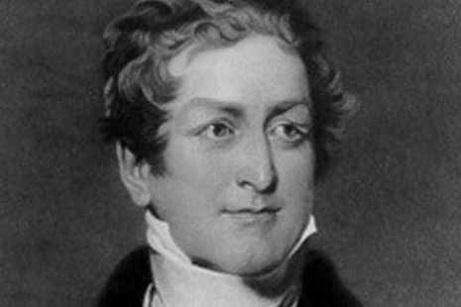
Sir Robert Peel

Sir Robert Peel (1788-1850) was a British statesman and is widely regarded as the founder of modern policing. Born in Bury, Lancashire, England, Peel had a distinguished political career and served as the Prime Minister of the United Kingdom twice, from 1834 to 1835 and from 1841 to 1846.

Peel is most renowned for his significant contributions to law enforcement and criminal justice reforms.

Peel’s reforms also included the establishment of the first detective force, the improvement of police training and professionalism, and the standardisation of police uniforms and equipment. His contributions to policing set the stage for the development of professional law enforcement agencies that focus on crime prevention, community engagement, and the protection of individual rights.

Beyond his work in law enforcement, Peel made other significant contributions to British politics. He was instrumental in the repeal of the Corn Laws, which were tariffs on imported grain that had protected British agriculture but contributed to high food prices for consumers. The repeal of these laws had a profound impact on British trade and economic development.

Sir Robert Peel’s legacy as a statesman and reformer, particularly in the field of policing, remains influential to this day. His principles continue to shape the foundations of modern law enforcement, emphasising the importance of community consent, accountability, and professionalism in the maintenance of public safety and order.

Sir Charles Rowan and Sir Richard Mayne

Sir Charles Rowan and Sir Richard Mayne were two key figures who played significant roles in the establishment and development of the Metropolitan Police in London, working closely with Sir Robert Peel. They were the first Commissioners of the Metropolitan Police, serving under Peel’s leadership and implementing his vision of professional policing.

Sir Charles Rowan (1782-1852) was a British soldier and police administrator. He was appointed as one of the two Commissioners of the Metropolitan Police when it was first established in 1829. Rowan brought his military experience and organisational skills to the role, contributing to the professionalisation and efficiency of the police force. He worked closely with Peel to implement reforms and ensure that the principles of policing by consent were upheld. Rowan’s emphasis on discipline, training, and strategic deployment of police resources helped shape the early foundations of the Metropolitan Police.

Sir Richard Mayne (1796-1868) was a British lawyer and civil servant. He also served as one of the original Commissioners of the Metropolitan Police alongside Rowan. Mayne, known for his administrative abilities, played a crucial role in developing the infrastructure and operations of the police force. He focused on establishing clear guidelines, procedures, and protocols for police officers, ensuring that they operated within the framework of the law and maintained public trust. Mayne’s contributions helped to solidify the principles of accountability, impartiality, and transparency within the Metropolitan Police.

Rowan and Mayne worked collaboratively to shape the structure and functioning of the Metropolitan Police. They were responsible for recruiting and training officers, establishing a hierarchical command structure, and implementing policies that aligned with Peel’s principles.

Their efforts were instrumental in the successful establishment of a professional and civilian police force in London, setting a standard for policing practices that influenced law enforcement agencies both in the United Kingdom and internationally.

Policing by Consent around the World

Here are some examples of how the Peelian principles of policing by consent have influenced policing globally:-

  1. The principles of policing by consent have had a profound influence on law enforcement practices in the United States. Many police departments strive to build positive relationships with the communities they serve, engaging in community-oriented policing initiatives, implementing transparency measures, and emphasising de-escalation techniques. The principles have also informed the development of professional standards and training programs for officers.
  2. Australian police forces have embraced the Peelian principles as a foundation for their operations. Community engagement, collaboration, and accountability are emphasised in Australian policing, with efforts made to build trust and partnerships with the diverse communities across the country. The principles have guided the development of community policing programs and the adoption of ethical standards.
  3. Policing in Canada is influenced by the Peelian principles, particularly in terms of community engagement and accountability. Canadian police agencies have adopted community policing strategies, emphasising the importance of building relationships, problem-solving, and preventative measures. The principles also guide the training and professional conduct of Canadian police officers.
  4. The Peelian principles have shaped the philosophy of policing in New Zealand. The New Zealand Police explicitly incorporate the principles into their values and code of conduct. The focus on community engagement, proactive policing, and respect for human rights aligns with the Peelian principles. New Zealand Police have also emphasised the importance of building trust and legitimacy through transparency and accountability.
  5. Policing in various European countries has been influenced by the Peelian principles. Concepts such as community policing, the protection of individual rights, and the need for police legitimacy are prevalent across European police forces. Efforts are made to establish partnerships with communities, promote equality and impartiality, and maintain transparency in police operations.

It’s important to note that while the Peelian principles have had a broad impact on policing worldwide, the specific application and implementation may vary across different countries, taking into account local laws and cultures.

Nonetheless, the principles continue to shape the ongoing development of modern policing, emphasising the importance of maintaining public trust and collaboration with the communities they serve.

Check out our articles on Policing Performance System, Police Professional Standards, Police Misconduct Hearings, Police Impartiality, Police Leadership Commission, Police Surveillance, Are the Police for Hire ?, Independent Office for Police Conduct (IOPC),Police Public Confidence and Engagement, Crime Reporting, What is a Police and Crime Commissioner ?, Sussex Police, Policing, Police News, Two Tiered Policing, Thought Police, Wasting Police Time, Police Community Support Officers (PCSO), Met Police, Chief Constable Jo Shiner, R v Sussex Justices and the highly questionable Sussex Family Justice Board.


The Ministry of Injustice is not the Ministry of Justice nor is it affiliated in any way with the justice system, legal profession, police or any other law enforcement agencies.

“Publicity is the very soul of justice. . . . It keeps the judge himself, while trying, under trial….Where there is no publicity there is no justice”

Jeremy Bentham – Mr Justice Cobb: ‘Justice must be seen to be done’

Latest Articles


Most Popular


You should always seek formal legal advice from a qualified and reputable lawyer (solicitor or barrister).

There are a number of links to Free and Paid For Legal Resources and Legal Organisations on the Free Legal Advice , Legal Aid and Pro Bono pages.

Rule of Law - Open Justice - Policing By Consent