Categories
Legal Analysis

What does Lady Justice Symbolise ?

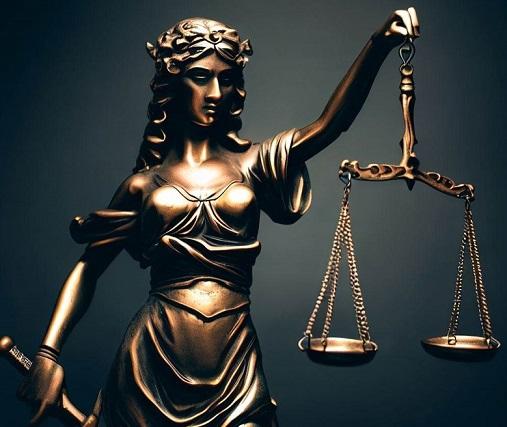
Lady Justice, often depicted as a graceful figure holding a sword, scales, and sometimes wearing a blindfold, is an iconic symbol of the judicial system.

Her image evokes a sense of impartiality, fairness, and the pursuit of justice. Through the ages, Lady Justice has come to embody the ideals of a just society, representing the principles upon which legal systems are built.

In this article, we will explore the history, meaning, and significance of Lady Justice, focusing on the symbolism behind her scales, sword, and blindfold.

Historical Origins and Evolution

The origins of Lady Justice can be traced back to ancient Greek and Roman civilizations. In Greece, she was known as “Themis,” the daughter of Uranus (Heaven) and Gaia (Earth). Themis was the personification of divine law, order, and justice.

The Romans adopted this concept and named her “Justitia” – the goddess of Justice within Roman mythology. Over time, her imagery and symbolism evolved to what we now recognise as Lady Justice.

The Scales of Justice

One of the most prominent features of Lady Justice is the scales she holds in her hand. The scales symbolize the weighing of evidence and arguments in a court of law. They represent the need for a balanced and impartial consideration of facts and arguments before reaching a fair judgment. Lady Justice reminds us that justice must be meted out objectively, based on the merits of each case.

The Sword

Lady Justice also holds a sword. The sword represents the power and authority of the judiciary to enforce the law and protect society. It signifies the role of justice in upholding the rule of law and maintaining order. The sword reminds us that justice has the strength to cut through falsehoods, expose the truth, and hold accountable those who have violated the law.

The Blindfold

Lady Justice’s blindfold, if depicted, is a powerful symbol of impartiality and the fair application of the law. By covering her eyes, she demonstrates her commitment to judge each case solely on its merits, without bias or favouritism. The blindfold represents the ideal that justice should be blind to factors such as wealth, status, race, or gender. It ensures that all individuals, regardless of their background, are treated equally under the law.

It has been said that the addition of the blindfold in the 16th century was intended to show Lady Justice as blind to the injustice carried on before her.

The Fight Against Injustice

Lady Justice stands as a potent symbol in the ongoing struggle against injustice. Throughout history, societies have faced numerous instances of injustice, where the principles of fairness and equity have been disregarded. There have been many cases where the blindfold has been lifted, and justice has been influenced by prejudice, political pressure, or systemic biases.

Lady Justice serves as a constant reminder of the importance of upholding these principles and working towards a just society. She encourages us to fight against corruption, discrimination, and inequality, and to advocate for the rights of the marginalised and oppressed.

‘Injustice anywhere is a threat to justice everywhere’

Dr Martin Luther King, Jr

Lady Justice, with her scales, blindfold, and sword, represents the pillars of fairness, equity, and the pursuit of justice. Her image has evolved over time, reflecting the ideals of different civilizations.

Lady Justice serves as a constant reminder of the need for a balanced consideration of evidence, an unbiased application of the law, and the power of justice to combat injustice.

As society continues to strive for a just and equitable future, Lady Justice will remain an emblematic figure, inspiring us to fight for a world where fairness and equity prevail.

Check out our related articles on Rule of Law, Innocent until Proven Guilty, Open Justice, R v Sussex Justices and the highly questionable Sussex Family Justice Board.


The Ministry of Injustice is not the Ministry of Justice nor is it affiliated in any way with the justice system, legal profession, police or any other law enforcement agencies.

“Publicity is the very soul of justice. . . . It keeps the judge himself, while trying, under trial….Where there is no publicity there is no justice”

Jeremy Bentham – Mr Justice Cobb: ‘Justice must be seen to be done’

Latest Articles ↓


Most Popular ↓


You should always seek formal legal advice from a qualified and reputable lawyer (solicitor or barrister).

There are a number of links to Free and Paid For Legal Resources and Legal Organisations on the Free Legal Advice , Legal Aid and Pro Bono pages.

Categories
Legal Professionals

What is the Legal Services Board ?

The Legal Services Board (LSB) is an independent regulatory body that oversees the legal services sector in England and Wales. Its role is multifaceted, encompassing standards-setting, approval, regulation of legal services providers, and consumer guidance. Here are the key aspects of the LSB:

  1. Purpose and Oversight:
  2. Reshaping Legal Services Strategy:
    • The LSB’s strategy aims to reshape legal services to better meet society’s needs.
    • It focuses on fair outcomes, confidence-building, and improved services.
    • The Reshaping Legal Services Conference 2024 explored these themes.
  3. Ethics, Transparency, and Diversity:
    • The LSB works on projects related to professional ethics, market transparency, and legal technology and innovation.
    • It promotes a diverse legal services sector accessible to all.

History and Role of the Legal Services Board

The primary mission of the Legal Services Board is to ensure the effective regulation of legal services, promoting transparency, fairness, and consumer protection.

  1. Background and Reforms:
    • The Legal Service Act 2007 aimed to modernize the legal sector by introducing independent oversight.
    • It designated professional representative bodies (such as the Bar Council and the Law Society) as approved regulators.
    • These regulators were required to delegate their regulatory functions to independent arms overseen by the LSB.
  2. Approved Regulators and Licensing Authorities:
    • The LSB directly regulates lawyers practicing in England and Wales through approved regulators.
    • Some of these regulators also serve as licensing authorities, granting licenses to alternative business structures (ABS) that provide reserved legal activities.
    • Let’s explore the approved regulators and their areas of regulation:
    • Solicitors:
      • Approved Regulator (AR): Law Society (representative body)
      • Independent Regulatory Body: Solicitors Regulation Authority (SRA)
      • Reserved Legal Activities Regulated:
        • Right of audience
        • Conduct of litigation
        • Reserved instrument activities
        • Probate activities
        • Administration of oaths
    • Barristers:
      • Approved Regulator (AR): Bar Council (representative body)
      • Independent Regulatory Body: Bar Standards Board (BSB)
      • Reserved Legal Activities Regulated (similar to solicitors)
    • Chartered Legal Executives:
      • Approved Regulator (AR): Chartered Institute of Legal Executives (CILEX) (representative body)
      • Independent Regulatory Body: CILEx Regulation
      • Reserved Legal Activities Regulated (similar to solicitors)
    • Licensed Conveyancers:
      • Approved Regulator (AR): Council for Licensed Conveyancers (CLC) (regulatory body, no representative functions)
      • Reserved Legal Activities Regulated (specific to conveyancing)
    • Patent Attorneys:
    • Trade Mark Attorneys:
  3. Oversight and Recommendations:
    • The LSB supervises the entire regulatory framework.
    • It oversees the Solicitors Disciplinary Tribunal and recommends amendments to the list of reserved legal activities.
    • The LSB also ensures the Office for Legal Complaints (which administers the Legal Ombudsman scheme) operates effectively.

For more detailed information, visit the Legal Services Board website.

Check out our articles on What is the Law ?, Rule of Law, Open Justice, Law Society, Law Commission and the highly questionable Sussex Family Justice Board.


The Ministry of Injustice is not the Ministry of Justice nor is it affiliated in any way with the justice system, legal profession, police or any other law enforcement agencies.

“Publicity is the very soul of justice. . . . It keeps the judge himself, while trying, under trial….Where there is no publicity there is no justice”

Jeremy Bentham – Mr Justice Cobb: ‘Justice must be seen to be done’

Latest Articles ↓


Most Popular ↓


You should always seek formal legal advice from a qualified and reputable lawyer (solicitor or barrister).

There are a number of links to Free and Paid For Legal Resources and Legal Organisations on the Free Legal Advice , Legal Aid and Pro Bono pages.
Categories
Legal Professionals

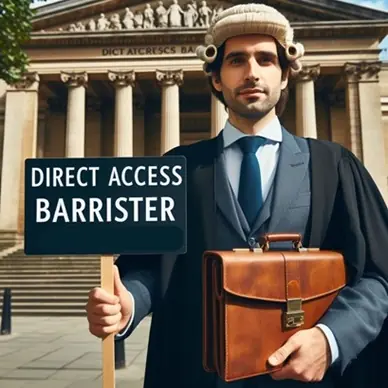
Direct Access Barrister

A Direct Access Barrister, also known as a Public Access Barrister, enables members of the public to directly instruct a qualified barrister without the need for an intermediary such as a solicitor. This scheme provides individuals and companies with a more accessible and cost-effective way to seek legal advice and representation.

The Direct Access Scheme

The Direct Access Scheme allows clients to bypass the traditional route of engaging a solicitor and directly engage a barrister. Here’s what you need to know:

  • Instructing an Authorised Barrister: Under this scheme, you can instruct an authorised barrister directly. These barristers are qualified and regulated by the Bar Standards Board (BSB).
  • Scope of Services: A direct access barrister can provide a range of legal services, including:
    • Expert legal advice on case merits and potential outcomes.
    • Assistance with drafting correspondence.
    • Drafting statements from litigants and witnesses.
    • Preparing formal court documents.
    • Advising on suitable experts and drafting instructions to expert witnesses.
    • Guidance on the next steps in legal proceedings.
    • Assistance in resolving your case.
    • Representation in court.
  • Limitations: Most direct access barristers do not conduct litigation. Therefore, the day-to-day management of your case remains your responsibility.

Eligibility and Legal Aid

Here are some important points regarding eligibility and legal aid:

  • Legal Aid Exclusion: Direct access barristers cannot undertake publicly funded (legal aid) work. If you believe you qualify for legal aid, you can check your eligibility using the Legal Aid Eligibility Calculator.
  • Privately Funded Basis: If you are eligible for legal aid but prefer direct access, you can still instruct a barrister on a privately funded basis.

Benefits of a Direct Access Barrister

Why choose a direct access barrister?

  • Cost Savings: By eliminating the need for a solicitor, you can save on legal fees.
  • Control and Efficiency: You have direct control over your case, allowing for efficient communication and decision-making.
  • Specialist Advice: Direct access barristers often specialize in specific areas of law, providing tailored expertise.

Using the Direct Access Portal

The Direct Access Portal (DAP), launched in March 2022, offers an improved process for finding suitable direct access barristers. Run by the Bar Council, the DAP ensures that all listed barristers meet the necessary qualifications and standards.

  • Search and Contact: Use the DAP to search for and contact specialist barristers directly.
  • Complaints: The DAP does not handle complaints against barristers. If you have a complaint, contact the barrister directly and request their complaints procedure or contact the Bar Standards Board.

In summary, direct access barristers empower individuals and businesses to access legal services efficiently, while maintaining control over their cases.

Whether you need advice, representation, or assistance, a direct access barrister offers a transparent and accessible path to justice.

Check out our articles on Barristers, Four Inns of Court, Council of the Inns of Court, Bar Standards Board, Bar Council, Bar Standards Board Justice ?, Solicitors, Rule of Law and the highly questionable Sussex Family Justice Board.


The Ministry of Injustice is not the Ministry of Justice nor is it affiliated in any way with the justice system, legal profession, police or any other law enforcement agencies.

“Publicity is the very soul of justice. . . . It keeps the judge himself, while trying, under trial….Where there is no publicity there is no justice”

Jeremy Bentham – Mr Justice Cobb: ‘Justice must be seen to be done’

Latest Articles ↓


Most Popular ↓


You should always seek formal legal advice from a qualified and reputable lawyer (solicitor or barrister).

There are a number of links to Free and Paid For Legal Resources and Legal Organisations on the Free Legal Advice , Legal Aid and Pro Bono pages.
Categories
Legal Analysis

What is a Public Spaces Protection Order (PSPO)?

A Public Spaces Protection Order (PSPO) is a powerful tool introduced in 2014 under the Anti-Social Behaviour, Crime and Policing Act 2014. These orders empower local authorities to address anti-social behaviour (ASB) in specific public spaces within their jurisdictions. PSPOs aim to ensure that public spaces can be enjoyed without interference from anti-social behaviour.

Legislative Background

The Anti-Social Behaviour, Crime and Policing Act 2014 brought several new tools and powers for local councils and their partners to combat ASB. These tools replaced and streamlined previous measures, emphasizing the impact of behaviour on both communities and vulnerable individuals. PSPOs are one such tool available under this act.

Key Features of PSPOs

  • Wide-Ranging and Flexible: PSPOs grant local authorities broad and flexible powers to address specific nuisances in designated public spaces.
  • Targeted Approach: PSPOs focus on particular behaviours that negatively impact the quality of life for people in those spaces.
  • Replacing Previous Measures: PSPOs replace earlier measures such as designated public place orders, gating orders, and dog control orders.

Purpose of PSPOs

PSPOs are not about restricting responsible use of public spaces or preventing young people from socializing. Instead, they provide councils with an additional instrument to tackle persistent issues that harm their communities. When used appropriately, proportionately, and with local support, PSPOs can effectively prevent anti-social behaviour.

PSPO Validity

A Public Spaces Protection Order (PSPO) can last for up to three years. After this initial period, it must be reviewed. If the review supports an extension and other requirements are met, the PSPO may be extended for an additional three years. There is no limit on the number of times an order can be reviewed and renewed

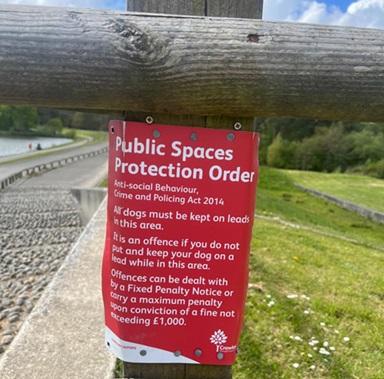
Example PSPO

The image used in this article was taken at Tilgate Park in Crawley West Sussex. There is a PSPO in place that states all dogs must be kept on a lead.

Dog control – Tilgate Park Public Spaces Protection Order (PDF, 10.22 MB)

Dog control – Tilgate Park Public Spaces Protection Order map (JPG, 258.98 KB)

Practical Guidance

Local areas contemplating the introduction of a PSPO should consider the following steps:

  1. Assess the Need: Identify specific anti-social behavior issues affecting the locality.
  2. Consult with Stakeholders: Engage with residents, businesses, and community groups to understand their concerns.
  3. Draft the PSPO: Define the prohibited behaviors and geographical area.
  4. Statutory Guidance: Read the Home Office’s statutory guidance on the Anti-social Behaviour, Crime and Policing Act 2014.

Relevant Guidance

For more detailed information, refer to the following resources:

Remember, PSPOs can be a positive tool when used judiciously to enhance community safety and well-being.

Check out our related articles on Wasted Costs Order, Defendant’s Costs Order, Norwich Pharmacal Orders, Rule of Law, Open Justice, Is the Law Black and White ?, Abuse of Process, What Does Lady Justice Symbolise ?, McKenzie Friend, Can a Judge Direct a Jury to Find a Defendant Not Guilty ?,Law Society, Law Commission, McKenzie Friend Right of Audience, Solicitors, Solicitors Regulation Authority, Barristers, Bar Council of England and Wales, Bar Standards Board, Contra Mundum, R v Sussex Justices, Police Impartiality and the highly questionable Sussex Family Justice Board.


The Ministry of Injustice is not the Ministry of Justice nor is it affiliated in any way with the justice system, legal profession, police or any other law enforcement agencies.

“Publicity is the very soul of justice. . . . It keeps the judge himself, while trying, under trial….Where there is no publicity there is no justice”

Jeremy Bentham – Mr Justice Cobb: ‘Justice must be seen to be done’

Latest Articles ↓


Most Popular ↓


You should always seek formal legal advice from a qualified and reputable lawyer (solicitor or barrister).

There are a number of links to Free and Paid For Legal Resources and Legal Organisations on the Free Legal Advice , Legal Aid and Pro Bono pages.
Categories
Judiciary

Transparency and Open Justice Board

The Lady Chief Justice of England and Wales, Dame Sue Carr, has created a new Transparency and Open Justice Board.

Justice must be done, and it must be seen to be done. The public has a right to know what happens in their Courts and Tribunals.

Transparency & Open Justice Board

Chaired by High Court Judge Mr Justice Nicklin, the new board will lead and coordinate the promotion of transparency and open justice across the courts and tribunals of England & Wales.

The members of the board and an outline of its work are set out in the terms of reference that are published today. The board’s first task will be to engage widely in setting key objectives to guide its work. Thereafter, and in partnership with HMCTS and MoJ, the board will support and coordinate a programme of changes to promote transparency and open justice. The board will establish a stakeholder committee to assist in this work.

Transparency & Open Justice Board

You really must read our articles on the Sussex Family Justice Board, HHJ Farquhar and HHJ Bedford.

The Sussex Family Justice Board is a highly questionable legal cartel operating in secrecy and no accountability in Sussex.

Thankfully none of the Sussex Judiciary have been appointed to the new Transparency and Open Justice Board !


The Ministry of Injustice is not the Ministry of Justice nor is it affiliated in any way with the justice system, legal profession, police or any other law enforcement agencies.

“Publicity is the very soul of justice. . . . It keeps the judge himself, while trying, under trial….Where there is no publicity there is no justice”

Jeremy Bentham – Mr Justice Cobb: ‘Justice must be seen to be done’

Latest Articles ↓


Most Popular ↓


You should always seek formal legal advice from a qualified and reputable lawyer (solicitor or barrister).

There are a number of links to Free and Paid For Legal Resources and Legal Organisations on the Free Legal Advice , Legal Aid and Pro Bono pages.

Categories
Legal Professionals

What is a Paralegal ?

A paralegal is a legal professional who performs tasks that require knowledge of legal concepts but does not hold the full expertise of a lawyer with an admission to practice law. These skilled individuals play a crucial role in supporting lawyers and law firms across various legal domains.

Tasks and Responsibilities

Paralegals engage in a wide range of duties, assisting lawyers in their day-to-day work. Some common tasks include:

  • Legal Research: Conducting research on case law, statutes, regulations, and legal precedents.
  • Document Preparation: Drafting legal documents, contracts, and correspondence.
  • Interviewing Witnesses: Gathering information from witnesses and clients.
  • Case Management: Organizing case files, maintaining records, and tracking deadlines.
  • Trial Preparation: Assisting in trial preparation by organizing evidence, witness lists, and exhibits.
  • Client Communication: Maintaining professional communication with clients.

Distinction Between Paralegals and Lawyers

While lawyers analyse legal matters from various angles, considering implications, consequences, and strategy, paralegals focus on executing the course of action recommended by lawyers. Their work involves practical implementation, such as interviewing witnesses, conducting research, and completing legal paperwork.

Crossover with Lawyers

In some practice areas, paralegals handle cases from start to finish, especially when dealing with routine matters like conveyancing, probate, debt recovery, or small claims. However, lawyers continue to handle complex cases or those involving substantial sums of money, such as mergers, murder trials, and high-stakes divorces. Paralegals’ involvement in such instances tends to be peripheral.

Examples of Paralegal Work

Here are some real-world examples of paralegal tasks:

  • Probate and Family Law: Handling divorce cases or probate matters within a solicitors’ firm.
  • Property Transactions: Assisting in land purchases and property sales for development companies.
  • Trademark Registration: Registering and defending trademarks for businesses.
  • Animal Cruelty Prosecutions: Working with the RSPCA prosecutions team.
  • Immigration Law Advice: Providing immigration law guidance to clients.
  • Consumer Law Protection: Advising on consumer rights within local authority trading standards departments.
  • Citizens Advice Volunteer: Assisting the public with employment, housing, and other issues.
  • Crown Prosecution Service: Supporting legal proceedings.
  • Company Incorporation: Handling company secretarial work for solicitors’ firms, accountancy firms, or company formation practices

Paralegal Links

Certainly! Here’s a curated list of UK-based paralegal websites that you might find valuable:

  1. Professional Paralegal Register (PPR): The PPR is a voluntary registered scheme and regulator for professional paralegals. Employers and the public can be assured that paralegals on the register meet required standards. Paralegals with a Paralegal Practising Certificate (PPC) are fully regulated to offer legal services to consumers.
  2. How to Become a Paralegal in the UK: This website provides insights into becoming a paralegal in the UK. It also highlights job opportunities advertised on platforms like Indeed and Reed.
  3. UK Law Blogs: Discover the best UK law blogs ranked by traffic, social media followers, and freshness. Stay updated on legal trends and news from these informative blogs.
  4. National Paralegal Register: If you’re looking for a paralegal to assist with a legal issue, use this register. You can shortlist paralegals based on region and legal expertise. Check if a paralegal is a NALP member using the filters.

In summary, paralegals are essential contributors to the legal field, bridging the gap between legal theory and practical implementation. Their expertise ensures the efficient functioning of legal processes and supports lawyers in delivering effective legal services.

Check out our articles on Barristers, Direct Access Barristers, Four Inns of Court, Bar Standards Board, Bar Council, Solicitors, Rule of Law and the highly questionable Sussex Family Justice Board.


The Ministry of Injustice is not the Ministry of Justice nor is it affiliated in any way with the justice system, legal profession, police or any other law enforcement agencies.

“Publicity is the very soul of justice. . . . It keeps the judge himself, while trying, under trial….Where there is no publicity there is no justice”

Jeremy Bentham – Mr Justice Cobb: ‘Justice must be seen to be done’

Latest Articles ↓


Most Popular ↓


You should always seek formal legal advice from a qualified and reputable lawyer (solicitor or barrister).

There are a number of links to Free and Paid For Legal Resources and Legal Organisations on the Free Legal Advice , Legal Aid and Pro Bono pages.
Categories
Legal Analysis

What is a Judgment ?

A judgment, also known as a judicial decision or court ruling, is the final decision made by a court of law in a legal case or dispute. It represents the court’s official decision on the matters brought before it and typically resolves the legal issues in question.

It is the culmination of legal proceedings, where a judge evaluates evidence, arguments and applicable laws to arrive at a verdict. Whether it’s a criminal case, family dispute, civil dispute or administrative matter, a judgment carries significant consequences for the parties involved.

A judgment may include various elements such as:

  1. Findings of Fact: The court’s determination of what events or circumstances occurred in the case.
  2. Conclusions of Law: The legal principles applied by the court to the facts of the case to reach a decision.
  3. Decision or Disposition: The specific outcome or ruling of the case, which could include a verdict of guilty or not guilty (in a criminal case), or a judgment for the plaintiff or defendant (in a civil case).
  4. Orders: Any specific actions or remedies ordered by the court as part of the judgment, such as monetary damages, injunctions, or other relief.

A court judgment is typically written and issued by a judge or a panel of judges. It is a formal and legally binding document that concludes the legal proceedings in the case, although it may be subject to appeal or modification under certain circumstances.

Sometimes, judgment is reserved, which means withholding a final opinion until more information is available. It acknowledges the complexity of issues and avoids premature conclusions.

These are the latest judgments published by the Courts and Tribunals Judiciary of England and Wales.

  • At the Old Bailey 25 September 2026 Sentencing remarks of HHJ Mark Lucraft KC, Recorder of London Between: R -v- Beytullah Gunduz The post R -v- Beytullah Gunduz appeared first on Courts and Tribunals Judiciary.
  • At Stafford Crown Court 25 September 2026 Sentencing remarks of Mrs Justice Jefford DBE Between: Rex -v- (1) Melanie James (2) Kenneth Newton The post R -v- James and Newton appeared first on Courts and Tribunals Judiciary.
  • Neutral Citation Number: [2026] EWHC 2449 (Admin)Case No: AC-2025-LON-000781 In the High Court of JusticeKing’s Bench DivisionDivisional Court 25 September 2026 Before: President of the King’s Bench Division The Hon Mrs Justice Heather Williams DBE Between: The King on the application ofSex Matters -v- Director of Public Prosecutions The post Sex Matters -v- Director of Public Prosecutions appeared first on […]
  • Case number: T20240041/ 841F4933613 In the Crown Court at Southwark 23 September 2026 Sentencing remarks of HHJ Sally-Ann Hales KC Between: Rex -v- David Greenhalgh Christos Farmakis The post R -v- Greenhalgh and Farmakis appeared first on Courts and Tribunals Judiciary.
  • Neutral Citation Number: [2026] EWHC 2437 (Admin)Case No: AC-2025-MAN-000533 In the High Court of JusticeKing’s Bench DivisionDivisional Court On appeal by way of Case StatedFrom Chester Crown Court 23 September 2026 Before: President of the King’s Bench Division Mrs Justice Hill Between: Neil Cox -v- Director of Public Prosecutions The post Neil Cox -v- Director of Public Prosecutions appeared first […]

The Ministry of Injustice is not the Ministry of Justice nor is it affiliated in any way with the justice system, legal profession, police or any other law enforcement agencies.

“Publicity is the very soul of justice. . . . It keeps the judge himself, while trying, under trial….Where there is no publicity there is no justice”

Jeremy Bentham – Mr Justice Cobb: ‘Justice must be seen to be done’

Latest Articles ↓


Most Popular ↓


You should always seek formal legal advice from a qualified and reputable lawyer (solicitor or barrister).

There are a number of links to Free and Paid For Legal Resources and Legal Organisations on the Free Legal Advice , Legal Aid and Pro Bono pages.
Categories
Legal Analysis

What is an Adverse Inference ?

Adverse inference is a legal principle that plays a significant role in various areas of law, including criminal, civil, and family law. It arises when a party remains silent or withholds evidence, leading the court to draw a negative inference.

The CPS publish important guidance on the law and practice surrounding adverse inferences from a Defendant’s silence in certain circumstances. To avoid the drawing of an adverse inference, some Defendants will read out a pre-prepared statement and then refuse to answer any further questions.

Section 34 of the Criminal Justice and Public Order Act (CJPOA) 1994

  • Section 34 of the Criminal Justice and Public Order Act (CJPOA) 1994 allows an inference to be drawn if a suspect remains silent when questioned under caution before being charged and subsequently relies on a relevant fact in court.
  • If a suspect declines to answer questions during questioning, this alone does not trigger an adverse inference. However, when the suspect later seeks to provide an account or explanation, the adverse inference provision comes into play.
  • The term “fact” in Section 34 has a broad meaning, covering any alleged fact that is in issue and put forward as part of the defence case. Even if the defendant does not give or call evidence, a specific case presented by the defence advocate to a prosecution witness can be considered a relevant fact.

Sections 35 to 37 of the CJPOA 1994

  • Section 35: Deals with the effect of a defendant’s silence at trial. It allows the court to draw an adverse inference if the defendant remains silent during the trial.
  • Section 36: Addresses the effect of a defendant’s refusal or failure to account for objects, substances, or marks.
  • Section 37: Covers the effect of a defendant’s refusal or failure to account for their presence at a particular place.

Section 38 of the CJPOA 1994 – Interpretation and Savings

  1. Definitions:
    • Legal Representative: Refers to a person authorized under the Legal Services Act 2007 for activities related to the exercise of a right of audience or the conduct of litigation.
    • Place: Encompasses buildings, vehicles, vessels, aircraft, and any other location.
  2. Offences Charged:
    • References to an “offence charged” include any other offense for which the accused could lawfully be convicted based on the same charge.
  3. Inferences and Proceedings:
    • Proceedings Against the Accused: An adverse inference cannot solely lead to transferring proceedings to the Crown Court, finding a case to answer, or convicting the accused.
    • Refusal to Grant Applications: A judge cannot refuse applications solely based on an inference drawn from the accused’s failure to answer questions (as mentioned in sections 34, 36, or 37).
  4. Preserving Other Legal Provisions:
    • Admissibility of Evidence: Sections 34, 35, 36, or 37 do not affect provisions that render certain answers or evidence inadmissible against the accused or others.
    • Court’s Discretion: Courts retain the power to exclude evidence at their discretion, regardless of whether it involves furnishing information, making discoveries, producing documents, or other forms of evidence.

Section 38 ensures that adverse inferences are drawn judiciously, respecting legal rights and maintaining fairness in criminal proceedings.

Preconditions for Drawing an Adverse Inference

Before an adverse inference can be drawn, the following conditions must be met:

Certainly! Let’s explore the six necessary conditions that must be satisfied before an adverse inference can be drawn in circumstances where there has been a failure to mention a relevant fact when questioned. These conditions are crucial in legal proceedings, particularly when considering a defendant’s silence. Here they are:

  1. Pre-interview Disclosure:
    • The defendant must have been informed of the allegations against them before any questioning.
    • This ensures that the defendant is aware of the specific charges they are facing.
  2. Legal Advice to Be Silent:
    • The defendant must have received legal advice regarding their right to remain silent.
    • Legal professionals must ensure that the defendant understands their options and the potential consequences of remaining silent.
  3. The Defendant Waiving Legal Privilege:
    • If the defendant voluntarily waives their legal privilege (i.e., chooses to speak), their silence during questioning can be used against them.
    • This condition ensures that the defendant’s silence is a deliberate choice rather than a lack of understanding.
  4. Prepared and Self-Serving Statements:
    • The court considers whether the defendant’s statements were prepared or self-serving.
    • If the defendant selectively chooses to mention certain facts while remaining silent about others, this can impact the inference drawn.
  5. Failure to Mention a Relevant Fact:
    • The alleged failure must relate to not mentioning a fact that is relevant to the case.
    • The defendant’s silence regarding a crucial detail can be significant in assessing their credibility.
  6. Reasonable Expectation to Mention When Questioned:
    • The defendant’s silence should pertain to a fact that, under the circumstances, they could reasonably have been expected to mention when questioned.
    • If the omission is material and relevant, an adverse inference may be drawn.

These conditions help ensure fairness and balance in legal proceedings, allowing courts to consider a defendant’s silence in a well-defined context.

Case Law Examples

  • In Webber [2004] 1 All ER 770, the House of Lords held that the word “fact” as given in Section 34 should be given a broad meaning. It covered any alleged fact which was in issue and put forward as part of the defence case. Therefore, a specific case put by a Defendants advocate to a prosecution witness can be a fact relied on, even if the Defendant does not give or call evidence.
  • In M [2012] 1 Cr App R 26, it was held that the judge had incorrectly allowed the jury to draw an adverse inference from a failure by the appellant to mention relevant facts in interview when there was no basis for drawing one. There, the officers who interviewed the appellant mistakenly asked him about the alleged rape on the wrong date. The appellant subsequently relied on facts relevant to the date that the alleged rape was said to have occurred. The Court found that it was difficult to see how in those circumstances the appellant could have reasonably been expected to say more.
  • In Lee [2015] EWCA Crim 420, it was held that the judge had correctly allowed the jury to draw adverse inferences from the Defendants silence in interview following his arrest for an assault on his partner. Although the police did not have the specific details of the allegations at that stage, the questions were clearly directed to trying to discover whether or by whom the partner had been assaulted.

Civil Law

  • Evidence Withheld: In civil proceedings, parties may withhold evidence within their possession or control.
  • Negative Inference: If a party fails to produce relevant evidence, the court may infer that the evidence would have been unfavourable to that party’s position.
  • Example: If a claimant fails to provide crucial documents related to their claim, the court may infer that those documents would not support their case.

Family Law

  • Child Custody Cases: In family law, adverse inference can arise in child custody disputes.
  • Parental Behaviour: If a parent refuses to provide relevant information about their parenting abilities or fails to disclose relevant facts, the court may infer negatively.
  • Example: If a parent avoids discussing their history of substance abuse during custody proceedings, the court may draw an adverse inference.

Adverse inference ensures that parties are transparent and forthcoming in legal proceedings. Whether in criminal, civil, or family law, the principle encourages honesty and accountability. Legal professionals must navigate these provisions carefully to uphold justice and fairness.


The Ministry of Injustice is not the Ministry of Justice nor is it affiliated in any way with the justice system, legal profession, police or any other law enforcement agencies.

“Publicity is the very soul of justice. . . . It keeps the judge himself, while trying, under trial….Where there is no publicity there is no justice”

Jeremy Bentham – Mr Justice Cobb: ‘Justice must be seen to be done’

Latest Articles ↓


Most Popular ↓


You should always seek formal legal advice from a qualified and reputable lawyer (solicitor or barrister).

There are a number of links to Free and Paid For Legal Resources and Legal Organisations on the Free Legal Advice , Legal Aid and Pro Bono pages.
Categories
Legal Analysis

What is a Lucas Direction ?

A Lucas Direction, stemming from the case of R v Lucas (Ruth) [1981] EWCA Crim J0519-8, is a legal principle used in criminal trials to guide the jury on how to consider the evidence of lies told by a defendant. The case of Regina v Lucas (Ruth) is a landmark decision that established the criteria under which a lie can be considered as evidence of guilt.

The case involved Iyabode Ruth Lucas, who was convicted at Reading Crown Court on two counts of being knowingly concerned in the fraudulent evasion of the prohibition of the importation into the UK of a controlled drug, namely cannabis, contrary to the Misuse of Drugs Act 1971. The conviction was based on her arrival from Nigeria at Gatwick and Heathrow airports with significant quantities of cannabis. The appeal focused on whether the trial judge gave a correct direction on the question of corroboration of the evidence provided by an accomplice.

The Court of Appeal, led by Lord Lane LCJ, held that the mere fact that a defendant has lied is not in itself evidence of guilt. People may lie for various reasons, such as shame, panic, or the desire to cover for someone else. Therefore, a Lucas Direction instructs the jury that they can only consider a lie as evidence supporting guilt if certain conditions are met:

The lie must be deliberate.
The lie must relate to a material issue.
The lie must be told after the crime.
The lie must be told before there is a strong suspicion of guilt.
The jury must be satisfied that the lie was told to conceal guilt, and even then, it is not conclusive proof of guilt but merely an additional piece of evidence to be weighed with all other evidence in the case.

Lucas Direction Conditions

The Lucas Direction is significant because it protects defendants from being unjustly convicted based solely on their lies. It ensures that the jury understands that not all lies are indicative of guilt and that they must carefully consider the context and reasons for the lie before drawing any inferences.

The principles from Regina v Lucas (Ruth) have been cited in numerous subsequent cases and have become an integral part of jury instructions in criminal trials. It reflects the careful balance that must be struck in the justice system between the prosecution’s need to prove guilt and the protection of the rights of the accused.

In summary, the Lucas Direction serves as a safeguard against wrongful convictions and underscores the importance of a fair trial. It is a reminder that while the truth is paramount in the pursuit of justice, the reasons behind a person’s actions, including their lies, must be thoroughly examined and understood. The legacy of Regina v Lucas (Ruth) continues to influence the administration of justice, ensuring that juries are properly directed on how to approach evidence of lies in the context of a criminal trial.


The Ministry of Injustice is not the Ministry of Justice nor is it affiliated in any way with the justice system, legal profession, police or any other law enforcement agencies.

“Publicity is the very soul of justice. . . . It keeps the judge himself, while trying, under trial….Where there is no publicity there is no justice”

Jeremy Bentham – Mr Justice Cobb: ‘Justice must be seen to be done’

Latest Articles ↓


Most Popular ↓


You should always seek formal legal advice from a qualified and reputable lawyer (solicitor or barrister).

There are a number of links to Free and Paid For Legal Resources and Legal Organisations on the Free Legal Advice , Legal Aid and Pro Bono pages.

Categories
Legal Professionals

The Four Inns of Court

The Inns of Court are professional associations for barristers in England and Wales. They are responsible for the training and qualification of barristers, who are the specialised courtroom advocates in the British legal system. Every barrister must belong to one of these Inns.

London’s Four Inns of Court are renowned for their rich history, prestigious legal education and significant role in shaping the British legal system.

These four Inns of Court are Lincoln’s Inn, Gray’s Inn, Inner Temple, and Middle Temple

Historical Origins of the Inns of Court

During the 12th and early 13th centuries, law was primarily taught by the clergy in the City of London. However, a papal bull in 1218 prohibited the clergy from practicing in secular courts. Laymen gradually took over legal practice and teaching. Guilds of law, modelled on trade guilds, eventually evolved into the Inns of Court.

The Four Inns of Court

Lincoln’s Inn

History: Established in the 14th century, The Honourable Society of Lincoln’s Inn is one of the oldest Inns of Court. It takes its name from the area of London where it is located. The Inn’s origins can be traced back to the legal lectures and apprenticeships that took place here in the medieval period. Over time, Lincoln’s Inn became a hub for legal education and practice, attracting aspiring lawyers from across England.

Notable Features: Lincoln’s Inn boasts impressive architectural heritage, with its stunning Great Hall dating back to the 15th century. The Chapel, Library, and Gardens further enhance its historic appeal.

Key Figures: Many distinguished legal minds have been associated with Lincoln’s Inn, including Thomas More, Lord Mansfield, and Lord Denning.

On Saturday 14th September 2024, Lincoln’s Inn once again opened its doors to the public for Open House Festival.

Gray’s Inn

History: The Honourable Society of Gray’s Inn, situated near Holborn, has origins dating back to at least the 14th century. Like other Inns, Gray’s Inn served as a place of legal study and networking for aspiring lawyers. Its members played significant roles in the legal and political spheres throughout history.

Notable Features: The Gray’s Inn Hall, built in 1560, is a highlight of this institution. The Walks, a serene garden area, provide a tranquil retreat in the heart of bustling London.

Key Figures: Francis Bacon, one of England’s most famous philosophers and statesmen, was associated with Gray’s Inn.

Inner Temple

History: The Honourable Society of Inner Temple, located in the Temple area of London, traces its roots to the Knights Templar, who originally owned the land. By the 14th century, it had become a significant legal centre. The Inns of Court played essential roles in legal education and fostering professional standards.

Notable Features: The Inner Temple Hall, completed in 1572, is an architectural gem with historical significance. The tranquil Inner Temple Gardens offer a serene escape amidst London’s bustling streets.

Key Figures: Sir Edward Coke, a renowned jurist and parliamentarian, was associated with Inner Temple.

Middle Temple

History: The Honourable Society of Middle Temple, adjacent to Inner Temple, also has medieval origins and was associated with the Knights Templar. It became a distinct legal institution by the late 14th century. Middle Temple has played a crucial role in legal education and professional development.

Notable Features: Middle Temple Hall, completed in 1573, is renowned for its grandeur and historic significance. The buildings and gardens of Middle Temple offer a captivating glimpse into London’s legal and architectural heritage.

Key Figures: Notable members include Sir Walter Raleigh and Lord Eldon.

In the late 20th century, many barristers’ chambers moved outside the Inns’ precincts due to growth in the legal profession and a desire for more modern accommodations. However, the Inns of Court continue to play a vital role in legal education and professional development.

In summary, the Inns of Court are not merely historical relics; they remain essential institutions for barristers, shaping legal practice and tradition to this day.

Check out our related articles on Barristers, Direct Access Barrister, The Secret Barrister, Bar Standards Board, Bar Tribunal and Adjudication Services, Bar Council, Council of the Inns of Court, Barristers Behaving Badly, Rule of Law, Open Justice, Innocent until Proven Guilty and the highly questionable Sussex Family Justice Board.


The Ministry of Injustice is not the Ministry of Justice nor is it affiliated in any way with the justice system, legal profession, police or any other law enforcement agencies.

“Publicity is the very soul of justice. . . . It keeps the judge himself, while trying, under trial….Where there is no publicity there is no justice”

Jeremy Bentham – Mr Justice Cobb: ‘Justice must be seen to be done’

Latest Articles ↓


Most Popular ↓


You should always seek formal legal advice from a qualified and reputable lawyer (solicitor or barrister).

There are a number of links to Free and Paid For Legal Resources and Legal Organisations on the Free Legal Advice , Legal Aid and Pro Bono pages.

Rule of Law - Open Justice - Policing By Consent