Categories
Legal Professionals Police

Knowledge Hub – Police Digital Service

The Knowledge Hub is a specialised digital platform designed to foster collaboration, knowledge sharing, and innovation within UK policing and its select public and private sector partners. Managed by the Police Digital Service (PDS), this secure, UK-hosted platform serves as a vital tool for professionals in policing to connect, share critical information, and drive efficiency.

Must Read ! Sussex Police, the King and High Sheriff

The Knowledge Hub’s security page confirms that the platform is hosted within two UK-based data centres in the London area, using a secure cloud hosting service supported by AWS (Amazon Web Services). This service is managed by PlaceCube, an ISO/IEC 27001-certified supplier, ensuring compliance with UK Government standard ‘Official’ for information up to the “Official” classification level.

Knowledge Hub’s underlying software, Liferay DXP, is regularly penetration tested and verified by Veracode.

Liferay (the software underlying TeamWorXX) follows the OWASP Top 10 (2013) and CWE/SANS Top 25 lists to ensure that Liferay Portal is as secure as possible. Following these recommendations protects the portal against known kinds of attacks and security vulnerabilities. For example, Liferay Portal’s persistence layer is generated and maintained by the Service Builder framework which prevents SQL Injection using Hibernate and parameter based queries.

Police Digital Service Knowledge Hub Software

The High Court Judge that never was – His Honour Judge Melbourne Inman KC !

The Purpose of the Knowledge Hub

The Knowledge Hub is a mobile, web-based platform created to enhance collaboration across UK policing and its partners. Its primary goal is to reduce duplication, save time, and promote effective information exchange by providing a secure environment for professionals to discuss ideas, share best practices, and work together on projects. The platform supports a growing community of over 30,000 members across 800 groups, enabling the storage and sharing of information up to the “Official Sensitive” classification level, as assured by the National Police Information Risk Management Team (NPIRMT).

Key features include group spaces with tiered access to ensure sensitive information is shared only with authorised individuals, collaboration tools like chat and forums, and the ability to store and share key files, roadmaps, and supplier information. The platform is designed to be flexible, supporting a range of group types—from large communities of practice to small, time-limited project teams or training programs. Users can access open, restricted, or private groups, depending on their roles and permissions.

The Knowledge Hub also encourages user feedback to continuously improve its functionality. Dipesh Parmar, the Knowledge Manager, plays a central role in facilitating communities, managing the platform, and incorporating member suggestions to enhance collaboration. Users can reach out via the platform or by emailing [email protected] (mailto:[email protected]).

Knowledge Hub Domains

The Knowledge Hub operates across several whitelisted domains, each serving a specific purpose within the ecosystem of policing and public sector collaboration. Below is a detailed description of each domain referenced in relation to the Knowledge Hub:

  1. knowledgehub.group
    This is the primary domain for the Knowledge Hub, hosting the platform’s core features and content tailored for UK policing and its partners. It provides a secure space for professionals to join groups, share information, and collaborate on initiatives. Registration is free but subject to approval, particularly for users outside policing or its public sector partners. The platform is hosted in a UK-based private cloud data center in the London area, ensuring robust security.
  2. khub.net
    Operated by Placecube Limited, a digital service provider with over 20 years of experience in the public sector, this domain hosts a broader version of the Knowledge Hub aimed at the global public service community. It connects over 150,000 public service professionals and their partners, offering free or low-cost digital tools for collaboration, knowledge sharing, and innovation. Features include flexible group spaces for communities of practice, project groups, or training programs, as well as branded network options for organisations.
  3. pds.police.uk
    This domain belongs to the Police Digital Service, the organisation behind the Knowledge Hub’s creation and management. PDS is dedicated to advancing police IT through partnership and collaboration, with the Knowledge Hub as a key component of its mission to deliver business benefits and savings for policing. The domain provides information about PDS’s broader initiatives and links to the Knowledge Hub for user access.

Features and Benefits of the Knowledge Hub

The Knowledge Hub offers a range of tools to support policing professionals, including:

  • Collaboration Spaces: Open, restricted, or private groups cater to diverse needs, from large-scale communities to small project teams.
  • Secure File Sharing: Users can store and share files, roadmaps, and supplier information up to Official Sensitive classification.
  • Communication Tools: Chat, forums, and messaging features enable two-way communication with colleagues, suppliers, and partners.
  • Customisable Access: Group facilitators and network administrators manage permissions to ensure information security.
  • Feedback-Driven Development: The platform evolves based on user input, with Dipesh Parmar actively engaging members to refine features.

These tools help users find the right contacts, share what works, and develop new ways of thinking, ultimately driving innovation in policing.

How to Join the Knowledge Hub

Joining the Knowledge Hub is straightforward but requires registration with a work email address and approval for non-policing applicants. The process takes just a minute, and upon approval, users gain full access to the platform’s features. Members must adhere to the platform’s Terms and Conditions and Acceptable Use Policy, available for review during registration.

See the Whitelisted domains page for the full, up-to-date whitelist of approved organisations on the Knowledge Hub.

Summary

The Knowledge Hub, accessible at https://knowledgehub.group/about-us, is a powerful platform for UK policing and its partners, enabling secure, efficient collaboration and knowledge sharing.

By offering flexible group spaces, robust security, and user-driven improvements, the Knowledge Hub is a cornerstone of modern policing collaboration, helping professionals save time, reduce duplication, and innovate for a safer future.

Check out our articles on Policing by Consent, Are the Police for Hire ?, Police Impartiality, Police Public Confidence and Engagement, Police Professional Standards Department, IOPC, Crime Reporting, What is a Police and Crime Commissioner ?, Sussex Police, Policing, Police News, Two Tiered Policing, Thought Police, Police Digital Service, Wasting Police Time, R v Sussex Justices and the highly questionable Sussex Family Justice Board.


The Ministry of Injustice is not the Ministry of Justice nor is it affiliated in any way with the justice system, legal profession, police or any other law enforcement agencies.


Latest Articles


Most Popular


You should always seek formal legal advice from a qualified and reputable lawyer (solicitor or barrister).

There are a number of links to Free and Paid For Legal Resources and Legal Organisations on the Free Legal Advice , Legal Aid and Pro Bono pages.
Categories
Criminal Justice Government Law Legal Analysis Legal Professionals

Crown Prosecution Service

The Crown Prosecution Service (CPS) plays a crucial role in the criminal justice system of the United Kingdom and was established in 1986.

The CPS is responsible for prosecuting criminal cases that have been investigated by the police and other investigative organisations in England and Wales. The CPS is independent and make decisions independently of the police and government.

Stephen Parkinson is the current Director of Public Prosecutions. He was appointed by the Attorney General and took up post on 1st November 2023. He will step down at the end of October 2028 when his five-year appointment as head of the CPS comes to an end.

The Director of Public Prosecutions (DPP) is the third most senior public prosecutor after the Attorney General (AG) and the Solicitor General (SG).

HM Crown Prosecution Service Inspectorate (HMCPSI) holds a statutory duty to inspect the operations of the Crown Prosecution Service (CPS).

History of the Crown Prosecution Service

The Crown Prosecution Service traces its roots back to the ancient office of the Director of Public Prosecutions (DPP), which was created in 1879 by the Prosecution of Offences Act 1879.

It was not until the Prosecution of Offences Act 1985 that the CPS officially came into existence. The Act aimed to streamline the prosecution process and create an independent authority responsible for making prosecution decisions.

Functions and Responsibilities

  1. Prosecutorial Decision-Making: One of the primary functions of the CPS is to make fair and independent decisions about whether to prosecute individuals accused of committing criminal offenses. The CPS reviews evidence gathered by the police and decides whether there is sufficient evidence to proceed with a case.
  2. Preparing and Presenting Cases: The CPS is responsible for preparing cases for court and presenting evidence during trials. They work closely with the police, victims, and witnesses to ensure a robust prosecution. Crown Prosecutors present the case on behalf of the state, aiming to secure a conviction and promote public confidence in the justice system.
  3. Victim and Witness Support: The CPS places significant importance on supporting victims and witnesses throughout the criminal justice process. They provide assistance, advice, and information to ensure their voices are heard and their rights are protected. This support helps to build confidence in the justice system and facilitates the fair treatment of all parties involved.

Organisational Structure

The CPS operates in England and Wales, divided into fourteen geographical Areas. Each Area is headed by a Chief Crown Prosecutor (CCP), responsible for managing the prosecution services within their jurisdiction. At the national level, the Director of Public Prosecutions (DPP) leads the CPS and oversees its operations.

Independence and Accountability

To maintain its independence and impartiality, the CPS operates separately from the police and other law enforcement agencies. Prosecutors must act in the interests of justice and consider the public interest when making prosecution decisions. However, they are also accountable for their decisions and must provide reasons for not prosecuting cases where the evidence is insufficient.

Evolving Challenges and Reforms

The CPS continually adapts to meet the challenges posed by an evolving criminal landscape. It has responded to technological advancements and new types of crime, such as cybercrime and terrorism, by developing specialised units and expertise. Additionally, reforms have aimed to improve efficiency and effectiveness, ensuring timely and fair justice for all.

Key Achievements

Over the years, the CPS has achieved several significant milestones. Notably, it played a pivotal role in implementing the Victims’ Right to Review Scheme, giving victims the right to request a review of a CPS decision not to prosecute. The CPS has also been at the forefront of initiatives to combat hate crime, violence against women, and child exploitation.

The Crown Prosecution Service serves as the backbone of the UK’s criminal justice system. Through its independent and fair decision-making, preparation of cases, and support for victims and witnesses, the CPS upholds the rule of law and ensures justice for all.

As it continues to evolve and adapt to changing circumstances, the CPS remains committed to its fundamental principles of fairness, accountability, and public interest.

Check out our related articles on the Director of Public Prosecutions (DPP), Crown Prosecution Service Inspectorate, Crown Prosecution Service (CPS) Complaints and Feedback, Victims’ Right to Review (VRR), Rule of Law, Open Justice, Is the Law Black and White ?, Abuse of Process, What Does Lady Justice Symbolise ?, McKenzie Friend, Can a Judge Direct a Jury to Find a Defendant Not Guilty ?,Law Society, Law Commission, McKenzie Friend Right of Audience, Solicitors, Solicitors Regulation Authority, Barristers, Bar Council of England and Wales, Bar Standards Board, Contra Mundum, R v Sussex Justices, Police Impartiality and the highly questionable Sussex Family Justice Board.


The Ministry of Injustice is not the Ministry of Justice nor is it affiliated in any way with the justice system, legal profession, police or any other law enforcement agencies.


Latest Articles


Most Popular


You should always seek formal legal advice from a qualified and reputable lawyer (solicitor or barrister).

There are a number of links to Free and Paid For Legal Resources and Legal Organisations on the Free Legal Advice , Legal Aid and Pro Bono pages.

Categories
Judiciary Legal Professionals

His Honour Judge Guy Kearl KC

His Honour Judge Kearl is a Circuit Judge and the Recorder of Leeds. He is the most senior judge at Leeds Crown Court.

On the 5th of January 2025, Elon Musk re-posted on X an image/post of HHJ Kearl KC and commented “This clown looks like he bought that wig from the Party City liquidation sale 🤣🤣”

Elon Musk X post about HHJ Kearl KC (Recorder of Leeds)

Under the First Amendment of the Constitution of the United States, Elon Musk is legally entitled to call HHJ Guy Kearl a clown.

“Congress shall make no law respecting an establishment of religion, or prohibiting the free exercise thereof; or abridging the freedom of speech, or of the press; or the right of the people peaceably to assemble, and to petition the Government for a redress of grievances.”

First Amendment of the Constitution of the United States

In the United Kingdom, Article 10 of the Human Rights Act 1998 allows for Freedom of expression. Yet again, Elon Musk is entitled to call His Honour Judge Kearl a clown.

“Everyone has the right to freedom of expression. This right shall include freedom to hold opinions and to receive and impart information and ideas without interference by public authority and regardless of frontiers. This Article shall not prevent States from requiring the licensing of broadcasting, television or cinema enterprises.”

Article 10 of the Human Rights Act 1998

The judiciary, including Judge Kearl, are quite rightly not immune to public criticism and comment. The rule of law applies to everyone and no one is above the law.

Criticising judges, was historically considered a form of contempt of court in England and Wales.

“Scandalising the judiciary (also referred to as scandalising the court or scandalising judges) is abolished as a form of contempt of court under the common law of England and Wales.”

Crime and Courts Act 2013 Section 33

Party City was a major retailer specialising in party supplies and decorations in the United States.

It is not the first time that Judge Guy Kearl attire has been mocked.

That’s a lovely wig you’ve got on there — do they make them in black?”

HHJ Kearl – The Sun

In 2018 Charles Bronson, who is the UK’s most notorious prisoner, also told Judge Kearl to hurry up so he didn’t miss his fish and chip supper.

You may want to check out the articles on Dodgy Judges and His Honour Judge Melbourne Inman KC (The Recorder of Birmingham).

His Honour Judge Kearl KC Bio

His Honour Judge Guy Alexander Kearl became a Circuit Judge on the North Eastern Circuit in 2011. Judge Kearl became a Senior Circuit Judge in 2018.

In 2001, HHJ Kearl acted as junior legal counsel for the Great Train robber Ronnie Biggs,

Mr Kearl, 52, was instructed as junior counsel for Biggs and supervised his return back to the UK from Brazil in May 2001 and his subsequent appearance in court.

He also drafted representations to the Home Office and Criminal Cases Review Commission prior to Biggs’s subsequent release on health grounds in 2009. Married with two children, Judge Kearl is an enthusiastic sportsman who ran marathons and is a keen skier and tennis player.

Ronnie Biggs’ barrister become judge on the North Eastern Circuit

Judge Kearl was called to the Bar in 1982 (Inns of Court unknown), and was appointed assistant Recorder in May 2000 and Recorder in July 2020. Two years later he took silk (Kings Counsel) .

Prior to becoming a judge, Guy Kearl KC, was head of St Pauls Chambers in Leeds.

HHJ Kearl is shown on the List of Circuit Judges published on the Courts and Tribunal Judiciary website.

His Honour Judge Kearl KCNorth East04-06-2018
List of Circuit Judges

HHJ Kearl is shown on the Resident Judges list published on the Courts and Tribunal Judiciary website.

CircuitCourtJudgesDate of appointment
 North EastLeeds Combined Court CentreHis Honour Judge Kearl KC04-06-18
Resident Judges

His Honour Judge Kearl is a Circuit Judge.

The three key values which are central to the role of judicial office holders (JOHs) in England and Wales are:
• Independence
• Impartiality
• Integrity

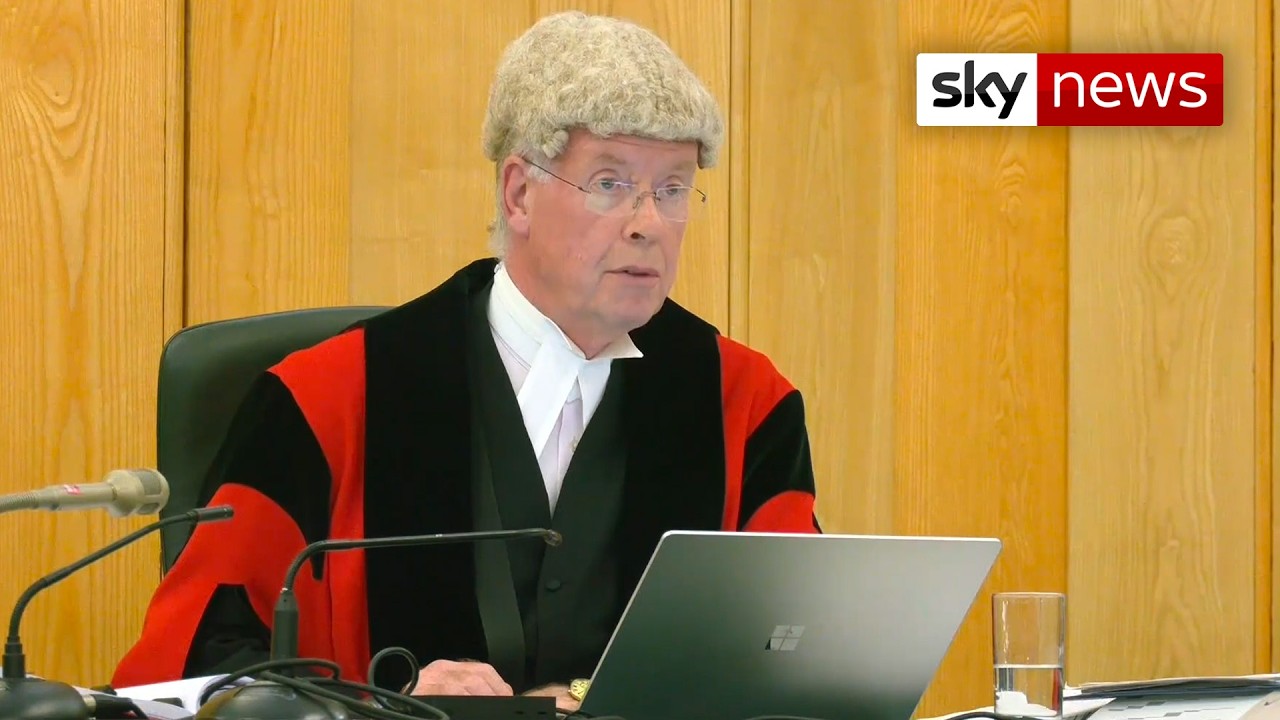
HHJ Kearl sentencing a self-styled paedophile hunter after he admitted racially abusing pro-Palestinian demonstrators in Leeds.

Authorisation to sit as a High Court Judge

HHJ Kearl may be authorised to sit as a High Court Judge by s9(1) of the Senior Courts Act as amended by the Crime and Courts Act 2013.

According to CRIMINAL PRACTICE DIRECTIONS 2015 DIVISION XII His Honour Judge Kearl should be addressed as “My Lord” in court.

Modes of Address B.1 – The following judges, when sitting in court, should be addressed as ‘My Lord’ or ‘My Lady’

(b) any Circuit Judge sitting as a judge of the Court of Appeal (Criminal Division) or the High Court under section 9(1) of the Senior Courts Act 1981;
(d) any Senior Circuit Judge who is an Honorary Recorder.

Description B.3 – In cause lists, forms and orders members of the judiciary should be described as follows:

(a) Circuit Judges, as ‘His [or Her] Honour Judge A’. When the judge is sitting as a judge of the High Court under section 9(1) of the Senior Courts Act 1981, the words ‘sitting as a judge of the High Court’ should be added;

“Publicity is the very soul of justice. . . . It keeps the judge himself, while trying, under trial….Where there is no publicity there is no justice”

Jeremy BenthamMr Justice Cobb: ‘Justice must be seen to be done’

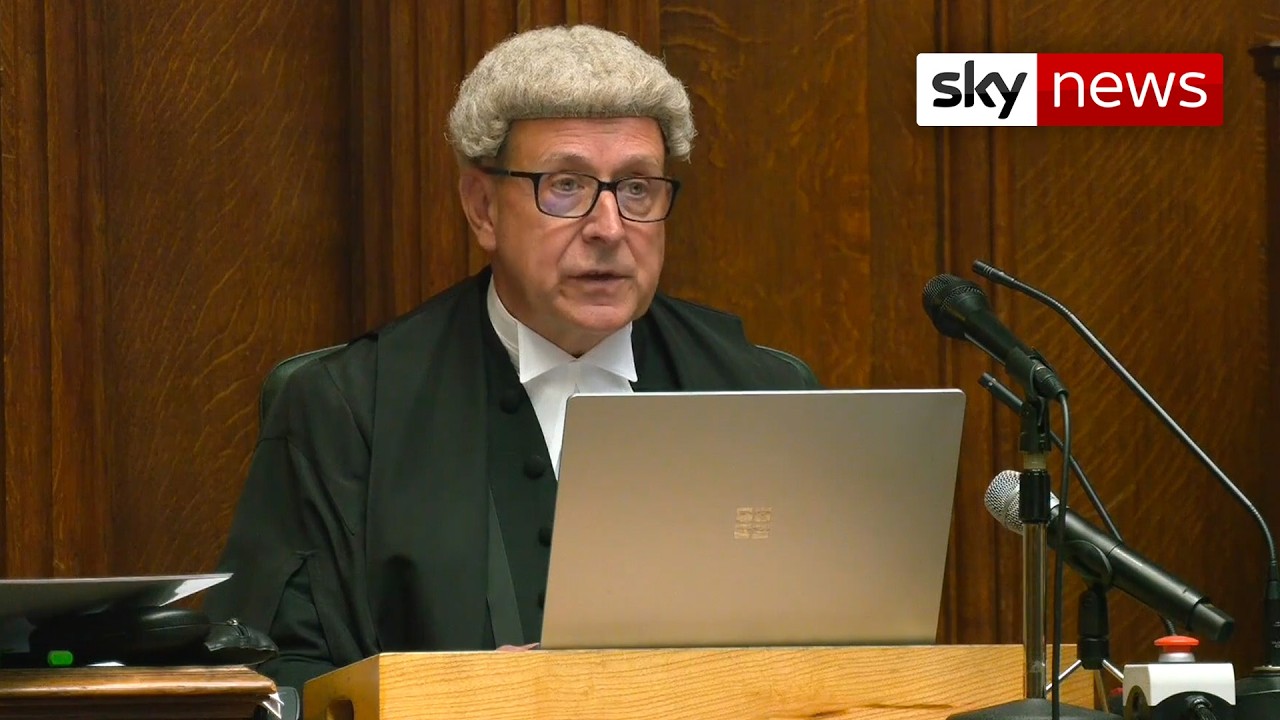
Image of HHJ Kearl : Sky News Courts

Check out our articles on Dodgy JudgesJudges Salaries and Fees, Mr Justice Williams, His Honour Judge Melbourne Inman KC, His Honour Andrew Menary KC, His Honour Judge Richardson, His Honour Now His Dishonour, His Honour Judge Michael Slater, His Honour Judge Martin Davis, HHJ Farquhar, Judge Pinder, Do you Have to Bow to a Judge ?, Can you Email a Judge ?, Can you Criticise a Judge ? and the highly dubious Sussex Family Justice Board.


The Ministry of Injustice is not the Ministry of Justice nor is it affiliated in any way with the justice system, legal profession, police or any other law enforcement agencies.


Latest Articles


Most Popular


You should always seek formal legal advice from a qualified and reputable lawyer (solicitor or barrister).

There are a number of links to Free and Paid For Legal Resources and Legal Organisations on the Free Legal Advice , Legal Aid and Pro Bono pages.

Categories
Criminal Justice Judiciary Legal Analysis Legal Professionals

Is the UK Criminal Justice System Broken ?


The UK’s criminal justice system is facing significant delays, with some trials being postponed until as late as 2028. A Sky News investigation at Leicester Crown Court revealed a criminal justice system described as chaotic and ineffective, characterised by:

  • Delayed Trials: Victims and defendants are experiencing waits of up to 460 days, with some cases stretched into future years due to a lack of resources like courtrooms, judges, and barristers.
  • Systemic Issues: The backlog in the crown courts is growing weekly. This delay is attributed to insufficient courtrooms, with around 15% to 20% remaining unused daily due to staffing shortages, alongside an increase in charges by the police and early releases from prisons due to overcrowding.
  • Professional Frustration: Barristers are moving away from criminal law to other, less chaotic areas of legal practice. This exodus is partly due to the system’s inefficiencies along with court staff shortages and increasing case volumes compounding the crisis.
  • Public and Legal Outcry: There’s a strong sentiment among legal professionals and the public that justice is being denied due to these delays. The system is criticized for not functioning effectively, with the Criminal Bar Association chair, Mary Prior KC, highlighting the broken nature of the current setup.
  • Infrastructure Problems: The physical state of court buildings is deteriorating, and even basic facilities like computer systems for tracking cases are unreliable, exacerbating the delays.

The judge then takes the unusual step of addressing the crisis to us in open court.

“I have cases day in, day out that I am having put over. It can be years, if you lose a date in 2025 it is 2026.

“All these cases you have to decide who gets priority… fraud cases are being put on the back burner. In my position I have cases put over for months, even years.”

As a rule, judges don’t do interviews, so this is as close as we’ll get to hearing what he thinks.

He is clearly exasperated and remarkably candid: “I don’t know where things are going to go but they aren’t going to get any better,” he says.

Inside the UK’s ‘wild west’ court system where people may have to wait until 2028 for justice to take place – Sky News
‘Justice delayed is justice denied’: UK’s broken legal system

Read the full Sky News article Inside the UK’s ‘wild west’ court system where people may have to wait until 2028 for justice to take place.

“If you think about it, if we don’t have a functioning criminal justice system, we are in a position where you have people roaming the streets who are committing serious offences and there’s no retribution for that.

People aren’t getting justice quick enough and if they’re not… what’s the point in any of it? People will start to give up.”

Barrister Annabel Lenton – Sky News

This situation in the UK’s criminal justice system underscores an urgent need for investment and reform to ensure timely and effective justice.

Check out our related articles on The Courts of England and Wales, Rule of Law, Innocent until Proven GuiltyOpen Justice, R v Sussex Justices, Criminal Cases Review Commission, Lady Chief Justice and the highly questionable Sussex Family Justice Board.


The Ministry of Injustice is not the Ministry of Justice nor is it affiliated in any way with the justice system, legal profession, police or any other law enforcement agencies.


Latest Articles


Most Popular


You should always seek formal legal advice from a qualified and reputable lawyer (solicitor or barrister).

There are a number of links to Free and Paid For Legal Resources and Legal Organisations on the Free Legal Advice , Legal Aid and Pro Bono pages.
Categories
Government Judiciary Legal Professionals

Solicitor General

The Solicitor General is the second law officer of the Crown in the United Kingdom, after the Attorney General. The role of the Solicitor General is to assist the Attorney General in their legal duties and responsibilities, and to act as their deputy in their absence.

The Solicitor General is also responsible for representing the government in court, and for providing legal advice to government departments and agencies. In addition, the Solicitor General works closely with the Attorney General on a range of legal issues, including the development of legal policy and the administration of justice.

The Rt Hon Ellie Reeves MP was appointed as Solicitor General on the 6 September 2025.

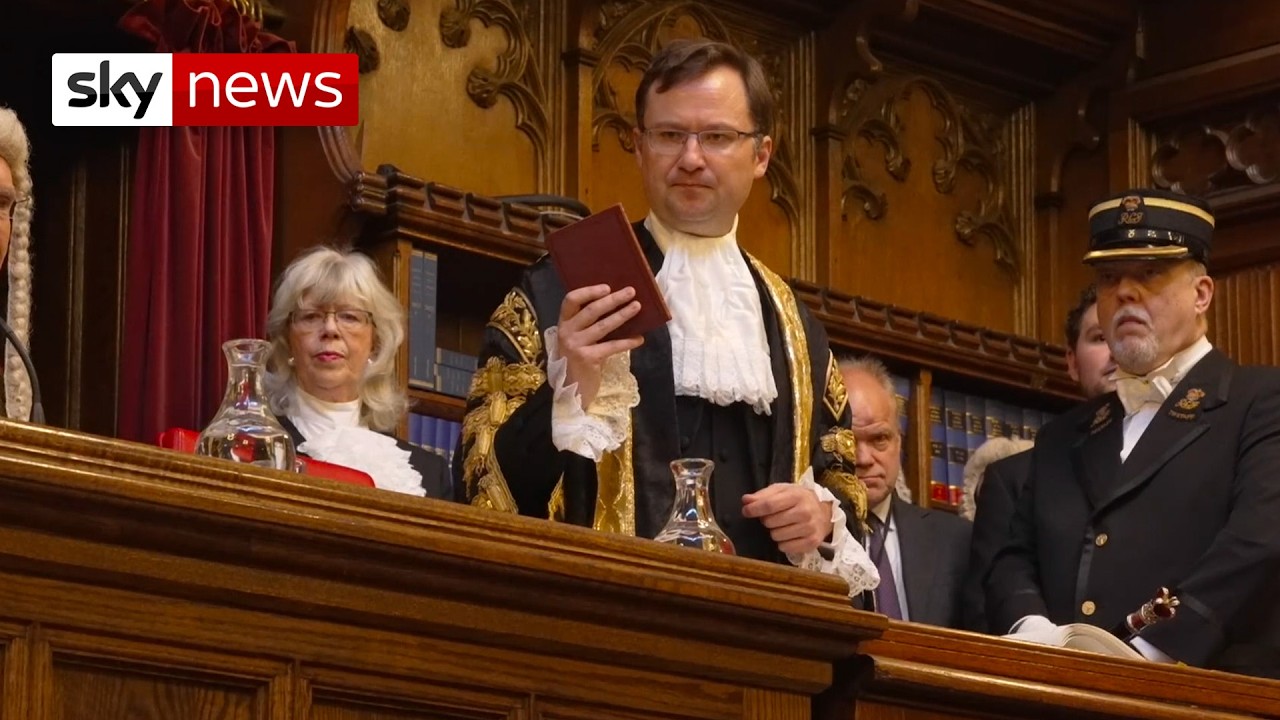
The Lady Chief Justice, at the Royal Courts of Justice, swore in the Solicitor General, The Right Honourable Ellie Reeves MP on the 1st October 2025.

She was previously Minister without Portfolio at the Cabinet Office from 6 July 2024 to 6 September 2025. She was elected as the MP for Lewisham West and East Dulwich in 2024 and was previously the MP for Lewisham West and Penge from 2017.

The Solicitor General is appointed by the monarch on the advice of the Prime Minister, and is usually a member of the government. The Solicitor General is also a Member of Parliament and can participate in parliamentary debates and proceedings.

Previous Solicitor General

  1. Lucy Rigby KC MP2024 to 2025
  2. Sarah Sackman KC MP 2024 to 2024
  3. Robert Courts KC 2023 to 2024
  4. The Rt Hon Michael Tomlinson KC 2022 to 2023
  5. Edward Timpson CBE KC 2022 to 2022
  6. The Rt Hon Alex Chalk KC 2021 to 2022
  7. The Rt Hon Michael Ellis KC 2021 to 2021
  8. The Rt Hon Lucy Frazer KC 2021 to 2021
  9. The Rt Hon Michael Ellis KC 2019 to 2021
  10. The Rt Hon Lucy Frazer KC 2019 to 2019
  11. The Rt Hon Robert Buckland KC 2014 to 2019
  12. The Rt Hon Sir Oliver Heald KC 2012 to 2014
  13. Sir Edward Garnier KC 2010 to 2012

Solicitor General Salary

The Solicitor General is entitled to a salary of £62,368 but claims £57,962 according to Salaries of members of His Majesty’s Government: April 2022

This is addition to the basic annual salary for an MP from 1 April 2025 which is £93,904 according to Pay and expenses for MPs.

Check out our related articles on Attorney General, Director of Public Prosecutions (DPP), Lady Chief Justice, Lord Chancellor, Justice Secretary, Rule of Law, Open Justice, Law, Is the Law Black and White ?, Government Legal Department, Crown Prosecution Service (CPS), Abuse of Process, What Does Lady Justice Symbolise ?, McKenzie Friend, Can a Judge Direct a Jury to Find a Defendant Not Guilty ?,Law Society, Law Commission, McKenzie Friend Right of Audience, Solicitors, Solicitors Regulation Authority, Barristers, Bar Council of England and Wales, Bar Standards Board, R v Sussex Justices, Police Impartiality and the highly questionable Sussex Family Justice Board.


The Ministry of Injustice is not the Ministry of Justice nor is it affiliated in any way with the justice system, legal profession, police or any other law enforcement agencies.


Latest Articles


Most Popular


You should always seek formal legal advice from a qualified and reputable lawyer (solicitor or barrister).

There are a number of links to Free and Paid For Legal Resources and Legal Organisations on the Free Legal Advice , Legal Aid and Pro Bono pages.

Categories
Government Law Legal Professionals

Government Legal Department (GLD)

The Government Legal Department (GLD) serves as the principal legal adviser to the UK Government. The core purpose of the GLD is to help the government to govern well, within the rule of law. The GLD is a non-ministerial government department and executive agency.

The GLD has more than 3,000 employees, around 2,500 of whom are solicitors or barristers.

The Government Legal Profession (GLP) is the collective network of qualified lawyers embedded across UK government departments and agencies, providing expert legal advice, litigation support, policy guidance, and compliance services to ensure the government operates within the rule of law.

Susanna McGibbon is the Treasury Solicitor and Permanent Secretary of the Government Legal Department. The Treasury Solicitor is the government’s most senior legal official 

Susanna took up the role of Treasury Solicitor and Permanent Secretary of the Government Legal Department on Monday 8 March 2021.

Her previous roles include:

  • Director General, Directorate B, Government Legal Department, 2018 to 2021
  • Director of Litigation, Government Legal Department, 2012 to 2018
  • Legal Director, Department of Communities and Local Government, 2009 to 2012
  • Legal Director, Department for Business Innovation and Skills, 2006 to 2009
HM Procurator General, Treasury Solicitor and Head of the Government Legal Profession
  • Role and Function: The GLD provides legal advice on the development, design, and implementation of government policies and decisions. It drafts secondary legislation and works with the Office of the Parliamentary Counsel on primary legislation. The department represents the government in court proceedings, offering litigation services for most government departments and agencies.
  • Structure: The GLD is organised into various teams:
    • Parliamentary and Advisory Teams: These provide legal advice across numerous policy areas, ensuring government actions are legally sound and compliant.
    • Litigation Group: Handles legal disputes in various courts, covering public and private law, and supports public inquiries.
    • Commercial Law Group: Focuses on commercial law issues, including procurement, contracts, intellectual property, and state aid to ensure value for money in public spending.
  • Leadership: The GLD is headed by the Treasury Solicitor, who also holds the title of His Majesty’s Procurator General. This role involves managing the department and reporting to the Attorney General for England and Wales.
  • Scope: Besides serving Whitehall departments, the GLD extends its services to other organizations like HM Revenue & Customs, MI5, MI6 and various other governmental bodies. It’s also involved in handling ownerless property (bona vacantia) in England, except in certain regions where it’s delegated.
  • Significance: Its work is critical for ensuring that government operations, policy-making, and legal proceedings are conducted within the rule of law. This includes both advising on policy legality and defending or bringing legal actions on behalf of the government.

We are the government’s principal legal advisers. Our core purpose is to help the government to govern well, within the rule of law.

We do this by providing legal advice on the development, design and implementation of government policies and decisions, drafting secondary legislation and working with Parliamentary Counsel on primary legislation, and representing the government in court.

Government Legal Department

Government Legal Department
102 Petty France
Westminster
London
SW1H 9GL
United Kingdom

Email : [email protected]

inetnum:        212.161.51.64 - 212.161.51.95
netname:        NET-GB-Government-Legal-Department
descr:          Government Legal Department
Government Legal Department IP Addresses

The GLD’s work underscores its role in maintaining legal integrity and accountability in governmental functions, ensuring that the government operates legally and ethically.

Check out our related articles on Government Legal Profession (GLP), Attorney General, Solicitor General, Lord Chancellor, Justice Secretary, Rule of Law, Open Justice, Law, Is the Law Black and White ?, Crown Prosecution Service (CPS), Law Society, Law Commission, Solicitors, Solicitors Regulation Authority, Barristers, Bar Council of England and Wales, Bar Standards Board, R v Sussex Justices and the highly questionable Sussex Family Justice Board.


The Ministry of Injustice is not the Ministry of Justice nor is it affiliated in any way with the justice system, legal profession, police or any other law enforcement agencies.


Latest Articles


Most Popular


You should always seek formal legal advice from a qualified and reputable lawyer (solicitor or barrister).

There are a number of links to Free and Paid For Legal Resources and Legal Organisations on the Free Legal Advice , Legal Aid and Pro Bono pages.
Categories
Judiciary Legal Professionals Police

What is a High Sheriff ?

The “High Sheriff” is an independent non-political Royal appointment for a single year only. There are 55 High Sheriffs serving the counties of England and Wales. The post is unpaid (except for a nominal court attendance allowance), and the general expenses of the office are borne personally by the holder.

There is a High Sheriff for each county in England and Wales, although the Shrieval Counties (“Shrieval” means anything to do with a Sheriff) no longer align with administrative areas, this creates a mix between the traditional counties and more recent local authority areas.

High Sheriffs – The Privy Council
  1. Historical Role: The office dates back to Anglo-Saxon times, originally appointed to enforce law and order in a shire (county). The ‘Shire Reeve’ was responsible to the king for the maintenance of law and order within the shire, or county, and for the collection and return of taxes due to the Crown. Of the 63 clauses in the Magna Carta of 1215, no less than 27 relate to the role of the Sheriff and from 1254 the High Sheriff supervised the election to Parliament of two Knights of the Shire. Over centuries, the role has evolved significantly.
  2. Legislation: The Sheriffs’ Declaration Act 1835 and Sheriffs Act 1887.
  3. Current Duties: Today, the High Sheriff has mostly ceremonial and social responsibilities rather than law enforcement duties:
  • To lend active support to the principal organs of the Constitution within their county – the Royal Family, the Judiciary, the Police and other law enforcement agencies, the emergency services, local authorities, and church and faith groups
  • To take an active part in supporting and promoting the voluntary sector and giving all possible encouragement to the voluntary organisations within a County, particularly those involved with crime reduction and social cohesion.
  • To ensure the welfare of visiting High Court Judges, to attend on them at Court and to offer them hospitality
  • To make a meaningful contribution to the High Sheriff’s County during the year of Office and to uphold and enhance the ancient Office of High Sheriff 
  • To support the Lord-Lieutenant on royal visits and on other occasions as appropriate
  1. Appointment: High Sheriffs are appointed annually but serve in a different year from when they are nominated due to a unique system.

It is the responsibility of each High Sheriff to provide the names of people suitable to serve in the future. These names are added to the list of Sheriffs, and every November at a ceremony in the High Court the Lord Chief Justice and three other judges formally add as many new names for each county as are needed to ensure that there are Sheriffs in nomination for each of the next three years. A Sheriff needs to own property in the county for which he or she is nominated. The following March The King, at a meeting of the Privy Council, formally selects one of the three nominated Sheriffs to serve for the next twelve months by literally pricking a hole through his or her name on the List with a bodkin.

High Sheriffs – The Privy Council
  1. Title: The title is “High Sheriff”, not “Sheriff”, which distinguishes it from historical or fictional roles like the American sheriff or the ancient English sheriff with broader law enforcement powers.
  2. Symbolism: High Sheriffs have traditional symbols like the Badge of Office and might carry a ceremonial sword, which represents their historical role in maintaining law and order.

The High Sheriffs’ Association of England and Wales was founded in 1971 to represent the interests of and give assistance to High Sheriffs in England and Wales. 

The position Of High Sheriff maintains a link to the past, preserving traditions while adapting to serve modern community needs. High Sheriffs often work to enhance community cohesion and support local law enforcement and emergency services in non-executive capacities.

Check out our articles on Policing, Police News, Policing by Consent, Two Tiered Policing, Wasting Police Time, Police and Crime Commissioner, Chief Constable Jo Shiner and the highly questionable Sussex Family Justice Board.


The Ministry of Injustice is not the Ministry of Justice nor is it affiliated in any way with the justice system, legal profession, police or any other law enforcement agencies.


Latest Articles


Most Popular


You should always seek formal legal advice from a qualified and reputable lawyer (solicitor or barrister).

There are a number of links to Free and Paid For Legal Resources and Legal Organisations on the Free Legal Advice , Legal Aid and Pro Bono pages.
Categories
Judiciary Legal Professionals

Circuit Judges

A Circuit Judge in England and Wales is a judge who presides over cases in the Crown Court and County Courts.

  1. Hierarchy: They rank below High Court Judges but above District Judges and Recorders in the judicial hierarchy.
  2. Appointments: Circuit Judges are appointed by the King on the recommendation of the Lord Chancellor, based on advice from the Judicial Appointments Commission. They need to have substantial legal experience, typically at least 10 years, before being considered for the position.
  3. Roles:
    • Crown Court: They handle criminal cases, which might include everything from minor offenses to more serious crimes like murder or rape, though the most complex cases might be reserved for High Court Judges.
    • County Court: They deal with civil cases, which can range from small claims to more significant disputes concerning contracts, personal injury, and family law (like divorce or child custody).
  4. Jurisdiction: They have jurisdiction throughout England and Wales, but they are generally assigned to one of the six circuits (North Eastern, Northern, South Eastern, Midland and Oxford, Wales and Chester, Western Circuit).
  5. Style: They are referred to as “His/Her Honour Judge [Surname]” in court and formal settings.
  6. Duties: Apart from hearing cases, they might also sit on appeal courts for decisions from lower courts or tribunals, participate in judicial training, and contribute to the administration of justice in various capacities.

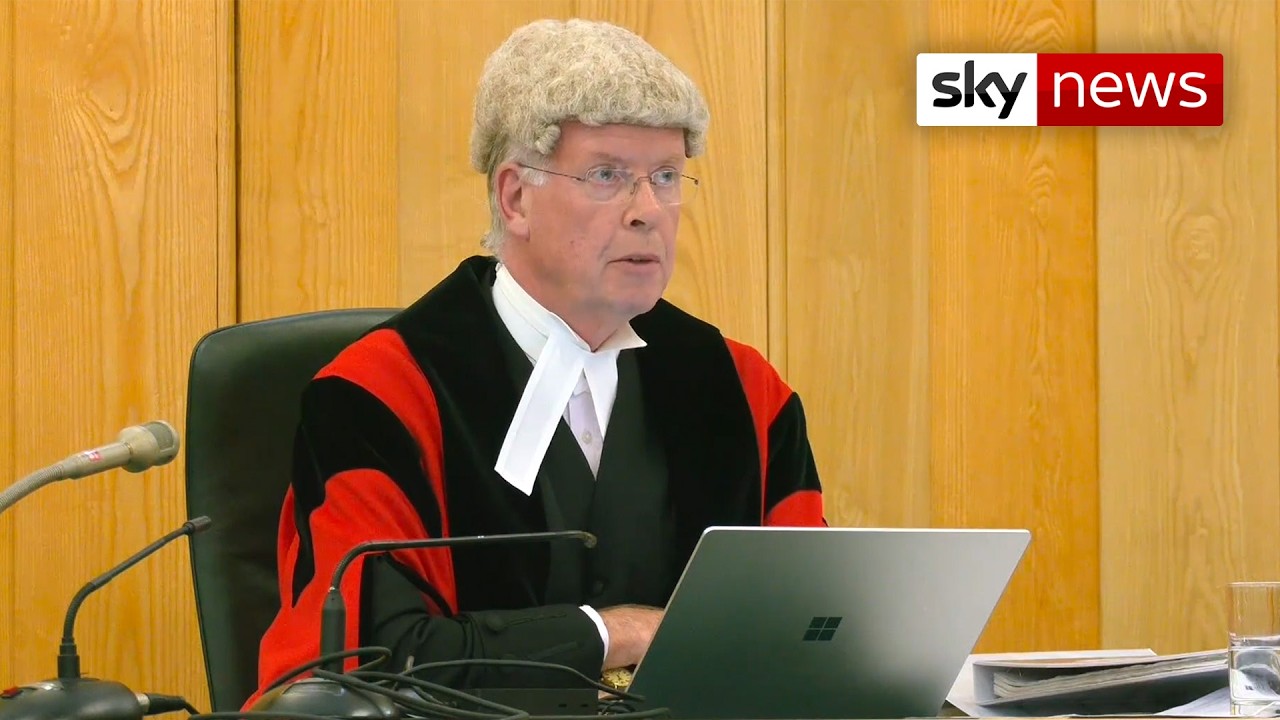
Bands worn over a violet robe and a short wig.
When hearing criminal cases, circuit judges wear a red tippet (sash) over the left shoulder.
When dealing with civil business, circuit judges dress as in criminal cases, but with a lilac tippet and without a wig or bands, wing collar or collarette.
On some occasions – when dealing with certain types of High Court business, or when sitting at the Central Criminal Court (Old Bailey) in London – circuit judges wear a short wig and black silk gown over a court coat and/or waistcoat.

Court Working Dress – Circuit Judge

Check out our articles on Dodgy JudgesJudges Salaries and Fees, His Honour Judge Melbourne Inman KC, His Honour Now His Dishonour, His Honour Judge Michael Slater, His Honour Judge Martin Davis, HHJ Farquhar, Do you Have to Bow to a Judge ?, Can you Email a Judge ?, Can you Criticise a Judge ? and the highly dubious Sussex Family Justice Board.


The Ministry of Injustice is not the Ministry of Justice nor is it affiliated in any way with the justice system, legal profession, police or any other law enforcement agencies.


Latest Articles


Most Popular


You should always seek formal legal advice from a qualified and reputable lawyer (solicitor or barrister).

There are a number of links to Free and Paid For Legal Resources and Legal Organisations on the Free Legal Advice , Legal Aid and Pro Bono pages.
Categories
Judiciary Legal Professionals

District Judge

A District Judge in England and Wales is a judicial officer who presides over lower court proceedings, primarily in the Magistrates’ Courts and County Courts.

Magistrates’ Courts:

  • Criminal Cases: District Judges handle criminal cases, but their jurisdiction is generally limited to less serious offenses or cases where the accused opts for summary trial (trial without a jury). They can sentence defendants for offenses like summary offenses or either-way offenses where the defendant pleads guilty or is found guilty in a summary trial. However, they can only impose sentences up to 6 months imprisonment for a single offense (or up to 12 months in total for multiple offenses).
  • Civil Cases: Although less common, they might deal with civil proceedings in the Magistrates’ Courts, like family proceedings under the Family Law Act 1996.

County Courts:

  • Civil Jurisdiction: In the County Court, District Judges handle a variety of civil matters including small claims (up to £10,000), possession proceedings for property, and other civil disputes. They can also deal with some aspects of insolvency, family law, and housing law.

Other Duties:

  • Appeals: They might hear appeals from decisions made by magistrates or other lower judicial officers.
  • Case Management: District Judges often play a significant role in case management, helping to direct cases towards mediation or trial, making procedural rulings, and sometimes conducting pre-trial reviews or settlement hearings.

District Judges are legally qualified (they must be barristers or solicitors with at least seven years of rights of audience) and are appointed by the Judicial Appointments Commission. They are distinct from “Magistrates,” who are lay judges, meaning they are not legally trained but trained for their role.

The appointment to the position of District Judge is quite competitive, requiring significant legal experience and passing through a rigorous selection process. They play a crucial role in the administration of justice at a grassroots level, dealing with a high volume of cases that affect the daily lives of many citizens.

In open court district judges wear the civil robe introduced in October 2008, with blue tabs at the neck and without a wig.

Court Working Dress – District Judge

Check out our articles on Dodgy JudgesJudges Salaries and Fees, His Honour Judge Melbourne Inman KC, His Honour Now His Dishonour, His Honour Judge Michael Slater, His Honour Judge Martin Davis, HHJ Farquhar, Do you Have to Bow to a Judge ?, Can you Email a Judge ?, Can you Criticise a Judge ? and the highly dubious Sussex Family Justice Board.


The Ministry of Injustice is not the Ministry of Justice nor is it affiliated in any way with the justice system, legal profession, police or any other law enforcement agencies.


Latest Articles


Most Popular


You should always seek formal legal advice from a qualified and reputable lawyer (solicitor or barrister).

There are a number of links to Free and Paid For Legal Resources and Legal Organisations on the Free Legal Advice , Legal Aid and Pro Bono pages.

Categories
Judiciary Legal Professionals

Deputy District Judge

Deputy district judges such DDJ Nicholes are appointed by the Lord Chancellor after a fair and open competition administered by the Judicial Appointments Commission, and the statutory qualification is the same as that for appointment as a district judge – a minimum of five years’ right of audience in any part of the Supreme Court, or all proceedings in county courts or magistrates’ courts.

Deputy district judges sit on a fee-paid basis in the county courts and district registries of the High Court for between 15 and 50 days a year. In general their jurisdiction is the same as that of a district judge.

Appointments are for five years, and are automatically extended by the Lord Chancellor for further successive terms of five years – subject to the office holder’s agreement and the retirement age of 70.

In open court, Deputy District Judges wear a black coat with bands, a King’s Counsel’s or junior barrister’s gown with no wig.

Court Working Dress – Deputy District Judge

Deputy District Judge Chris Mills the only Disrict judge in the UK

Read more about DDJ Mills in our Dodgy Judges article.

Deputy District Judge Christopher Mills email address is [email protected]

Deputy District Judge Mills / DDJ Mills South East Circuit
DDJ Mills Brighton Family Court

Check out our articles on Dodgy JudgesJudges Salaries and Fees, His Honour Judge Melbourne Inman KC, His Honour Now His Dishonour, His Honour Judge Michael Slater, His Honour Judge Martin Davis, HHJ Farquhar, Do you Have to Bow to a Judge ?, Can you Email a Judge ?, Can you Criticise a Judge ? and the highly dubious Sussex Family Justice Board.


The Ministry of Injustice is not the Ministry of Justice nor is it affiliated in any way with the justice system, legal profession, police or any other law enforcement agencies.


Latest Articles


Most Popular


You should always seek formal legal advice from a qualified and reputable lawyer (solicitor or barrister).

There are a number of links to Free and Paid For Legal Resources and Legal Organisations on the Free Legal Advice , Legal Aid and Pro Bono pages.
Rule of Law - Open Justice - Policing By Consent