Categories
Criminal Justice Judiciary Law Legal Analysis Legal Professionals

What is the Parole Board ?

The Parole Board for England and Wales is an independent executive non-departmental public body sponsored by the Ministry of Justice.

Established in its modern form by the Criminal Justice Act 1967, it is responsible for deciding whether prisoners serving certain types of sentences in England and Wales are safe to be released into the community under licence and, if already released, whether they should be recalled to prison.

It does not cover Scotland or Northern Ireland, which have separate arrangements.

Legal Framework

The Parole Board’s primary powers derive from:

It deals with three main categories of prisoner:

  • Life sentence prisoners (mandatory, discretionary and automatic life sentences, and imprisonment/detention for public protection (IPP))
  • Prisoners serving extended determinate sentences (EDS)
  • Certain determinate sentence prisoners who are assessed as dangerous and subject to Parole Board release (e.g. extended sentences under older legislation or those moved to parole release by executive decision)

For most standard determinate sentence prisoners, release is automatic at the halfway or two-thirds point and the Parole Board has no role.

Role and Functions

The Board’s core functions are:

  • To conduct risk assessments and decide whether prisoners can be safely released on licence before the end of their sentence
  • To set licence conditions
  • To decide whether released prisoners who have breached their licence should be recalled to custody
  • To advise the Secretary of State on transfer of life sentence and IPP prisoners to open conditions
  • To consider applications for early release on compassionate grounds in exceptional circumstances (rare)

All decisions must prioritise the protection of the public while giving the prisoner a fair hearing.

Composition and Membership

The Parole Board consists of over 300 members, appointed by the Secretary of State for Justice. Members include:

  • Judicial members (serving or retired judges)
  • Psychiatrist members
  • Psychologist members
  • Probation officer members
  • Independent members (from a wide range of professional and lay backgrounds)

Members sit part-time and are supported by a permanent secretariat based in London.

Cecilia French was appointed Chief Executive of the Parole Board in October 2024 and The Chair Alexandra Marks CBE was appointed in 2025.

Members serve fixed terms typically of five years.

Types of Parole Hearing

  • Oral hearings: held when the case is complex or contested. Conducted either in prison or, increasingly, by video link. The prisoner, victim (if participating via the Victim Contact Scheme), and witnesses give evidence. A panel (usually three members) questions all parties.
  • Paper hearings: for less complex recall cases or some determinate sentence reviews, decided “on the papers” without a live hearing.

Since 2022, most oral hearings for serious offenders have been open to the public or victims upon application, following a rule change intended to increase transparency.

The Release Test

For indeterminate sentence prisoners (life, IPP, etc.), the statutory release test is: “whether it is no longer necessary for the protection of the public that the prisoner should be confined.”

For determinate extended sentence prisoners and certain others, the test is whether the Board is satisfied that “it is no longer necessary on the grounds that [the prisoner] would not present a significant risk to members of the public of serious harm occasioned by the commission of further specified offences.”

The burden of proof lies on the prisoner to show they are safe for release.

Reconsideration Mechanism

Since 2019, prisoners (or the Secretary of State) may apply for a decision refusing release to be reconsidered if there has been an error of law or fact, or if new information could have changed the outcome. This replaced the previous judicial review route for most cases.

Key Reforms (2022–2025)

  • The Root and Branch Review (2022): led to greater ministerial oversight of release decisions for the most serious offenders.
  • Victims and Prisoners Act 2024: introduced a “public protection” top-down decision-making approach, a power for the Secretary of State to veto release of certain high-profile prisoners, and greater victim involvement.
  • Increased transparency: summary reasons for release decisions are now published online for top-tier cases.

Criticism and Controversy

The Parole Board has faced significant criticism over the years:

  • The 2018 John Worboys case (initial decision to release the “black cab rapist”) led to the then-Chair’s resignation and prompted major rule changes.
  • Ongoing concerns about the continued detention of prisoners on abolished IPP sentences (over 2,800 still in custody as of 2025, many years past tariff).
  • Delays in hearings, partly due to prison overcrowding and staff shortages.

Current Statistics (as at Dec 2025)

  • Approximately 12,000–14,000 parole reviews conducted annually
  • Around 3,000 oral hearings per year
  • Release rate for indeterminate sentence prisoners hovers between 25–35 % at first review, rising with subsequent reviews
  • Over 99 % of those released on parole do not commit a serious further serious offence during their licence period

Check out the related articles on the Attorney General, Solicitor General, Lady Chief Justice, Lord Chancellor, Chancellor of the High Court,Justice Secretary, Rule of Law, Open Justice, Law, Is the Law Black and White ?, Government Legal Department, Crown Prosecution Service (CPS), Government Legal Department (GLD), Abuse of Process, What Does Lady Justice Symbolise ?, McKenzie Friend, Can a Judge Direct a Jury to Find a Defendant Not Guilty ?,Law Society, Law Commission, McKenzie Friend Right of Audience, Solicitors, Solicitors Regulation Authority, Barristers, Bar Council of England and Wales, Bar Standards Board, R v Sussex Justices, Police Impartiality and the highly questionable Sussex Family Justice Board.


The Ministry of Injustice is not the Ministry of Justice nor is it affiliated in any way with the justice system, legal profession, police or any other law enforcement agencies.


Latest Articles


Most Popular


You should always seek formal legal advice from a qualified and reputable lawyer (solicitor or barrister).

There are a number of links to Free and Paid For Legal Resources and Legal Organisations on the Free Legal Advice , Legal Aid and Pro Bono pages.
Categories
Criminal Justice Judiciary Legal Professionals

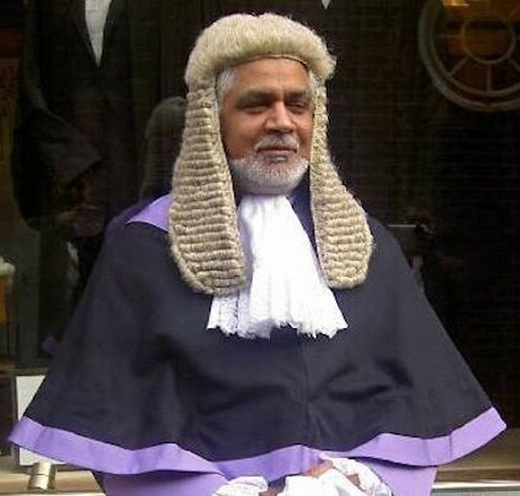
Joshua Radcliffe Barrister

Joshua Radcliffe is a barrister practising from New Walk Chambers in Leicester and also Equity Chambers in Birmingham. Joshua is a graduate of the University of Birmingham and a former investment professional.

Barrister Josh Radcliffe represented one of the teenage defendants in a high-profile rape case heard at Warwick Crown Court. The case involved two asylum-seeking minors who had pleaded guilty to the rape of a 15-year-old girl in a Warwickshire park.

Josh Radcliffe has appeared before the Court of Appeal in respect of appeals against both sentence and conviction, as well as representing the successful appellant in the leading case on social media hearsay (Bracher v Crown Prosecution Service [2023] EWHC 3500 (Admin).

Josh Radcliffe, as a barrister, specialises primarily in criminal law, with particular experience in:

  • Defence work across the full range of criminal offences
  • Public Access instructions (accepting direct instructions from members of the public in suitable cases)
  • Advisory work and representation in regulatory matters and inquests

Josh Radcliffe is authorised to conduct litigation in Public Access cases and regularly appears in the Crown Court, Magistrates’ Court and Youth Court.

Joshua Radcliffe is a member of the The Criminal Appeal Lawyers Association.

Barrister Details – Mr Joshua Radcliffe
Date of Call :
Inn of Court : Lincoln’s Inn
Areas of practice : Chancery contentious ,  Chancery non-contentious ,  Crime ,  Family – children ,  Family – other

Barrister Joshua Radcliffe – New Walk Chambers

Controversy Defending Two Afghan Rapists

Two teenage Afghan migrants were filmed by their victim as they “forcefully” walked her through a dark park before raping her. The harrowing footage was thankfully recorded by the 15-year-old victim.

Jan Jahanzeb and Israr Niazal, both aged 17, were sentenced to youth detention terms of 10 years and eight months and nine years and 10 months respectively.

Barristers for Jan Jahanzeb and Israr Niazal, Robert Holt and Joshua Radcliffe, had unsuccessfully tried to stop their names being made public, saying it could lead to “widespread public disorder”.

Barrister Joshua Radcliffe said “I have no doubt that if the general public were exposed to that, we would have disorder on our hands.”. He also suggested Israr Niazal may still be able to “make a life for himself in this country” when he is released.

At Warwick Crown Court, Her Honour Judge Sylviade de Bertodano, lifted reporting restrictions banning the media from naming the pair as it was in the public interest for them to be named.

In England and Wales, barristers are regulated professionals bound by strict ethical standards outlined in version 4.8 of the Bar Standards Board (BSB) Handbook.

Read the reviews of Junior Sussex Barrister Gavin Howe and Legal 500 Junior Barrister Eleanor Battie.

Check out our related articles on Rule of Law, Open Justice, What is Law, Is the Law Black and White ?, Branches of Law, Bullying, Harassment and Discrimination at the Bar, Blackbelt Barrister, The Secret Barrister, Barristers, Direct Access Barrister, Barristers Behaving Badly, Inns of Court, Council of the Inns of Court, Bar Standards Board, Bar Tribunal and Adjudication Services, Bar Council, Innocent until Proven Guilty and the highly questionable Sussex Family Justice Board.


The Ministry of Injustice is not the Ministry of Justice nor is it affiliated in any way with the justice system, legal profession, police or any other law enforcement agencies.


Latest Articles


Most Popular


You should always seek formal legal advice from a qualified and reputable lawyer (solicitor or barrister).

There are a number of links to Free and Paid For Legal Resources and Legal Organisations on the Free Legal Advice , Legal Aid and Pro Bono pages.

Categories
Criminal Justice Judiciary Legal Professionals

Robert Holt Barrister

Robert John Holt is a barrister specialising in criminal defence, based at Citadel Chambers in Birmingham, England. He joined the Bar relatively recently, transitioning from a long career as a solicitor and has quickly established himself in the field of criminal law.

Barrister Robert Holt represented one of the teenage defendants in a high-profile rape case heard at Warwick Crown Court. The case involved two asylum-seeking minors who had pleaded guilty to the rape of a 15-year-old girl in a Warwickshire park.

From Solicitor to Barrister

Admitted as a solicitor in 1998, Robert Holt built an extensive career in criminal defence. He gained higher rights of audience in the Crown Courts in 2006, allowing him to advocate in higher courts while still qualified as a solicitor. Over the years, he rose to become a partner in Stevens Solicitors, one of the UK’s largest criminal defence firms, handling cases across Magistrates’ Courts, Crown Courts, and appeals.

Prior roles included positions at firms such as Atticus Solicitors Limited and Stevens Solicitors. His experience as a solicitor-advocate provided a strong foundation in defence work, focusing on representing clients in serious criminal matters.

In November 2024, Holt made the transition to the Bar, joining Citadel Chambers which is a set known for its expertise in criminal law. This move brought his wide-ranging defence experience to the barristerial side, where he continues to appear in Magistrates’ Courts, Crown Courts and the Court of Appeal.

Barrister Details – Mr Robert John Holt
Date of Call : Oct 2024
Inn of Court : Gray’s Inn
Areas of practice : Crime

Barrister John Halt – Citadel Chambers

Controversy Defending Two Afghan Rapists

Two teenage Afghan migrants were filmed by their victim as they “forcefully” walked her through a dark park before raping her. The harrowing footage was thankfully recorded by the 15-year-old victim.

Jan Jahanzeb and Israr Niazal, both aged 17, were sentenced to youth detention terms of 10 years and eight months and nine years and 10 months respectively.

Barristers for Jan Jahanzeb and Israr Niazal, Robert Holt and Joshua Radcliffe, had unsuccessfully tried to stop their names being made public, saying it could lead to “widespread public disorder”.

Barrister Robert Holt, representing Jan Jahanzeb, asked Her Honour Judge Sylviade de Bertodano to ban the media from saying the pair were Afghan asylum seekers.

At Warwick Crown Court, Her Honour Judge Sylviade de Bertodano, lifted reporting restrictions banning the media from naming the pair as it was in the public interest for them to be named.

In England and Wales, barristers are regulated professionals bound by strict ethical standards outlined in version 4.8 of the Bar Standards Board (BSB) Handbook.

Read the reviews of Junior Sussex Barrister Gavin Howe and Legal 500 Junior Barrister Eleanor Battie.

Check out our related articles on Rule of Law, Open Justice, What is Law, Is the Law Black and White ?, Branches of Law, Bullying, Harassment and Discrimination at the Bar, Blackbelt Barrister, The Secret Barrister, Barristers, Direct Access Barrister, Barristers Behaving Badly, Inns of Court, Council of the Inns of Court, Bar Standards Board, Bar Tribunal and Adjudication Services, Bar Council, Innocent until Proven Guilty and the highly questionable Sussex Family Justice Board.


The Ministry of Injustice is not the Ministry of Justice nor is it affiliated in any way with the justice system, legal profession, police or any other law enforcement agencies.


Latest Articles


Most Popular


You should always seek formal legal advice from a qualified and reputable lawyer (solicitor or barrister).

There are a number of links to Free and Paid For Legal Resources and Legal Organisations on the Free Legal Advice , Legal Aid and Pro Bono pages.
Categories
Criminal Justice Law Legal Analysis Legal Professionals

What is a Jury ?

In the criminal justice system of England and Wales, the jury is one of the oldest and most distinctive features of the common law tradition. Twelve ordinary people, randomly selected, sit in judgment of their peers and decide whether a defendant is guilty or not guilty.

This system places enormous trust in the collective common sense of lay people rather than leaving the decision solely to professional judges.

History and Origins

The jury system in its modern form traces its roots to the 12th century.

The Assize of Clarendon in 1166, issued by Henry II, required groups of 12 lawful men in each hundred and 4 in each township) to present (report or accuse) people they believed had committed serious crimes.

These 12 men were not yet deciding guilt or innocence in a trial, they were acting as accusers or witnesses, reporting suspected criminals to the King’s itinerant judges.

By the 14th and 15th centuries, juries had evolved from being witnesses themselves into impartial triers of fact who listened to evidence presented in court.

The principle of trial by jury was firmly enshrined in English law through Magna Carta (1215), particularly clause 39, which stated that no free man should be imprisoned or deprived of property “except by the lawful judgement of his peers or by the law of the land”. Over centuries, the role shifted from local notables to ordinary citizens, and the jury became a cornerstone of democratic justice.

Who Can Serve on a Jury ?

In England and Wales, almost everyone aged 18–75 who is on the electoral register is liable for jury service. You are automatically disqualified if:

  • You have been sentenced to imprisonment for life, or for five years or more
  • You have served a prison sentence (or suspended sentence) of any length in the last 10 years
  • You are currently on bail in criminal proceedings

Certain people can be excused or deferred, including full-time serving members of the armed forces, medical professionals, and MPs.

Since 2004, judges, lawyers, and police officers are no longer automatically exempt and may serve.

Jury service normally lasts two weeks, though serious cases (e.g., murder or major fraud) can last many months.

How Jurors Are Selected ?

Potential jurors are chosen at random from the electoral roll by a computer at the Jury Central Summoning Bureau. If summoned, you must attend unless you have a valid reason to be excused or deferred.

Once at court, and once a judge indicates that a trial is ready to start, those who have been summoned are once again randomly selected by a computer system to form a panel to go into court.

From this panel usually 12 are then selected at random, in court, by the court clerk to form a jury on each trial. Those not selected will return to the waiting area to be available for selection for the next panel.

The Role of the Jury

In Crown Court trials the jury has two main functions:

  1. Deciding guilt: After hearing all the evidence and the judge’s directions on the law, the jury retires to consider its verdict. The verdict should normally be unanimous, but after at least two hours (longer in complex cases) the judge may accept a majority verdict of 11–1 or 10–2.
  2. Occasionally deciding other issues: In some defamation cases (now rare) or coroner’s inquests, juries may still be used.

Jurors must decide the case solely on the evidence heard in court. They are not allowed to conduct their own research, talk about the case outside the jury room, or look up information online. Contempt of court charges and even imprisonment can follow if they do so.Judge vs Jury

The division of responsibility is clear:

  • The judge decides questions of law (admissibility of evidence, legal directions, sentencing if guilty).
  • The jury decides questions of fact (what happened, whether witnesses are credible, and ultimately guilt or innocence).

This separation is seen as a vital safeguard against state power: a professional judge controls the law, but ordinary citizens decide whether the state has proved its case.Advantages and CriticismsAdvantages often cited:

  • Democratic participation in justice
  • Protection against overreach by the state or biased judges
  • Collective wisdom of twelve diverse minds
  • Verdicts seen as legitimate because they come from peers

Criticisms include:

  • Jurors may not fully understand complex evidence (e.g., in long fraud trials)
  • Risk of perverse verdicts or prejudice
  • Burden on jurors (loss of earnings, childcare issues, trauma from horrific evidence)
  • Occasional high-profile cases of jury misconduct (e.g., using social media)

Jury Trials

Jury trial remains compulsory for serious crimes tried in the Crown Court (murder, rape, robbery, etc.). Magistrates’ courts and youth courts do not use juries. In civil cases, jury trial is now extremely rare, limited mainly to defamation, false imprisonment, and malicious prosecution claims and even then a judge may order trial without jury.

Jury trials to be scrapped ?

On the 2nd December 2025, the government announced the most significant restriction on jury trials in centuries. For the first time, defendants charged with offences carrying a maximum sentence of less than three years will no longer have the automatic right to be tried by a jury in the Crown Court.

“The right to trial by jury is an important factor in the delicate balance between the power of the state and the freedom of the individual. The further it is restricted, the greater the imbalance. Despite the inevitable increase in costs, the Haldane Society urges that there be a right of trial by jury in all criminal cases.”

Sir Keir Starmer writing for the Socialist Lawyer magazine 1992

The change, recommended by retired Court of Appeal judge Sir Brian Leveson in the report Independent Review of the Criminal Courts: Part 1, is intended to tackle a backlog that has reached almost 78,000 cases and is projected to hit 100,000 within a few years.

“Dispensing with juries will damage our democracy”

David Lammy MP (Labour, then Shadow Secretary of State for Justice)
writing in the Telegraph in June 2020

Under the new rules, jury trials will be reserved for the most serious indictable offences such as murder, rape, robbery, serious violence, people trafficking, and major drug crimes involving drugs or firearms.

Mid-level offences previously tried in the Crown Court, including many thefts, lower-level assaults and some sexual offences, will now be heard either by a single judge or by expanded panels of magistrates who will gain new powers to impose sentences of up to 18 months (or two years in reserve).

The reforms also remove the defendant’s historic right to “elect” jury trial in “either-way” cases, a choice often used to cause delay.

Complex fraud and financial trials, long criticised for bewildering juries, will move to judge-only hearings. The government says the measures will clear cases up to five times faster in some instances and prevent the criminal justice system from “total collapse”.

Critics, including the Bar Council, Criminal Bar Association, opposition parties, and civil-rights groups, have condemned the changes as an attack on a cornerstone of British justice dating back to Magna Carta. They argue that juries provide essential protection against state power and are often seen as fairer, especially by ethnic-minority defendants, than magistrates or professional judges sitting alone.

Supporters insist the right to jury trial is being preserved where it matters most, while allowing swifter justice for less serious matters and for victims who currently wait years for resolution.

Is the UK Criminal Justice System Broken ?

Legislation to enact the reforms is expected in preparation, and the full Leveson follow-up report on court efficiency is due shortly.

Conclusion

The jury system in England and Wales, though not perfect, is regarded by many as a fundamental constitutional safeguard and a powerful expression of the idea that ordinary people should play a direct role in the administration of justice. Will Jury trials be scrapped ?

Check out our related articles on What is a Hung Jury ?, Rule of Law, Open Justice, Is the Law Black and White ?, What Does Lady Justice Symbolise ?, Law Society, Law Commission, Solicitors, Solicitors Regulation Authority, Barristers, Bar Council of England and Wales, Bar Standards Board, Contra Mundum, R v Sussex Justices, Police Impartiality and the highly questionable Sussex Family Justice Board.


The Ministry of Injustice is not the Ministry of Justice nor is it affiliated in any way with the justice system, legal profession, police or any other law enforcement agencies.


Latest Articles


Most Popular


You should always seek formal legal advice from a qualified and reputable lawyer (solicitor or barrister).

There are a number of links to Free and Paid For Legal Resources and Legal Organisations on the Free Legal Advice , Legal Aid and Pro Bono pages.
Categories
Civil Justice Judiciary Law Legal Professionals

Deputy Head of Civil Justice

The Deputy Head of Civil Justice is a senior judicial leadership post responsible for the strategic direction, reform and day-to-day administration of civil justice in England and Wales.

The role works closely with the Head of Civil Justice (currently Sir Geoffrey Vos, who holds that position ex officio as Master of the Rolls and President of the Court of Appeal Civil Division).

Current Holder

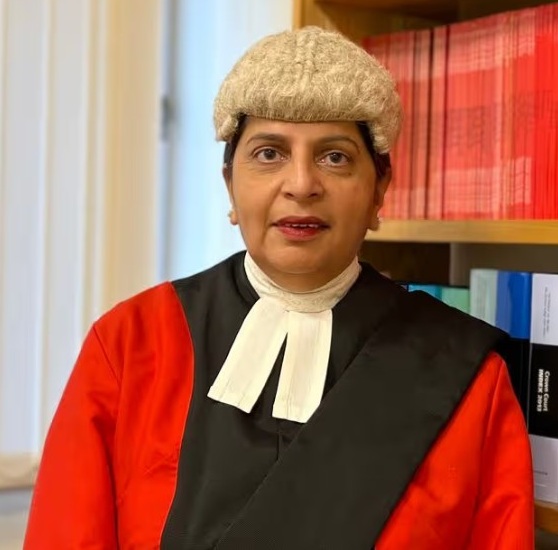
The Lady Chief Justice, following consultation with the Lord Chancellor duly appointed Mrs Justice Cockerill as the new Deputy Head of Civil Justice. Her appointment took effect from the 1st November 2025 for a term of three years.

Lady Justice Cockerill was called to the Bar (Lincoln’s Inn) in 1990 and took silk in 2011. She specialised in commercial law from 1990 to 2017.

She was appointed a Deputy High Court Judge in 2016, and a High Court Judge in the-then Queen’s Bench Division in 2017. From 2020 to 2022, she served as the Judge in Charge of the Commercial Court.

Lady Justice Sara Cockerill was sworn in as a Lady Justice of the Court of Appeal in October 2025.

The Salary of the Deputy Head of Civil Justice from from 1st April 2025 to 31st March 2026 is £266,556

Statutory Basis and Appointment Process

The office of Deputy Head of Civil Justice was established by the Courts Act 2003 (section 62), which amended the Senior Courts Act 1981 to create structured leadership roles for civil justice. The key provisions are as follows:

  • The Lord Chief Justice appoints the Deputy Head of Civil Justice, following consultation with the Lord Chancellor (now the Secretary of State for Justice).
  • Eligible appointees are typically a puisne judge of the High Court or a Lord/Lady Justice of Appeal.
  • The appointment is for a fixed term (usually three years) and on terms agreed at the time of appointment.
  • It is not tied automatically to any other judicial office, such as the Vice-Presidency of the King’s Bench Division.

This contrasts with the Head of Civil Justice, which is held automatically by the Master of the Rolls as President of the Court of Appeal (Civil Division).

Principal Responsibilities

The Deputy Head of Civil Justice has a broad and influential remit, including:

  • Providing judicial leadership for civil justice policy and reform across the County Court, High Court, and specialist lists.
  • Co-chairing (with the Head of Civil Justice) the Civil Justice Council.
  • Leading judicial input into the Civil Procedure Rule Committee (CPRC) in practice, though the Master of the Rolls remains the statutory chair.
  • Overseeing major HMCTS reform projects, including the Damages Claims Portal, Online Civil Money Claims, and broader court digitisation.
  • Acting as the primary judicial liaison with government and HMCTS on civil justice operational matters.
  • Contributing to judicial deployment and welfare in the civil jurisdiction.

Former Deputy Head of Civil Justice

Image of Lady Justice CockerillHM Courts and Tribunals Judiciary

Check out the related articles on the Attorney General, Solicitor General, Lady Chief Justice, Lord Chancellor, Chancellor of the High Court,Justice Secretary, Rule of Law, Open Justice, Law, Is the Law Black and White ?, Government Legal Department, Crown Prosecution Service (CPS), Government Legal Department (GLD), Abuse of Process, What Does Lady Justice Symbolise ?, McKenzie Friend, Can a Judge Direct a Jury to Find a Defendant Not Guilty ?,Law Society, Law Commission, McKenzie Friend Right of Audience, Solicitors, Solicitors Regulation Authority, Barristers, Bar Council of England and Wales, Bar Standards Board, R v Sussex Justices, Police Impartiality and the highly questionable Sussex Family Justice Board.


The Ministry of Injustice is not the Ministry of Justice nor is it affiliated in any way with the justice system, legal profession, police or any other law enforcement agencies.


Latest Articles


Most Popular


You should always seek formal legal advice from a qualified and reputable lawyer (solicitor or barrister).

There are a number of links to Free and Paid For Legal Resources and Legal Organisations on the Free Legal Advice , Legal Aid and Pro Bono pages.

Categories
Judiciary Legal Analysis Legal Professionals

Judicial Guidance on Artificial Intelligence

On the 1st October 2025, the Courts and Tribunals Judiciary published an updated version of its Artificial Intelligence (AI) Guidance for Judicial Office Holders.

This document refreshes the initial guidance that was issued in April 2025 and is available on the official judiciary website Artificial Intelligence (AI) – Judicial Guidance (October 2025) and as a downloadable PDF Artificial-Intelligence-AI-Guidance-for-Judicial-Office-Holders-2.pdf.

The guidance applies to all judicial office holders, including judges, tribunal members, clerks, judicial assistants, and support staff under the authority of the Lady Chief Justice and the Senior President of Tribunals.

Lord Justice Birss, who is the Chancellor of the High Court and Lead Judge for Artificial Intelligence, emphasised in the document’s forward the role in maintaining judicial integrity:

“The use of AI by the judiciary must be consistent with its overarching obligation to protect the integrity of the administration of justice and uphold the rule of law.”

This update reflects rapid advancements in AI technology and responds to emerging challenges, such as the proliferation of generative AI tools. It aims to promote responsible use while ensuring compliance with legal and ethical standards.

Do you think AI replace Judges ? or AI replace Lawyers ?

Background and Purpose

The guidance emerges amid growing AI adoption across public sectors, including the justice system. It builds on prior consultations and aligns with broader UK government initiatives, such as the AI Safety Summit outcomes from 2023. The document’s primary purpose is to provide clear, practical advice on AI’s integration into judicial work without compromising core principles like impartiality, accuracy, and confidentiality.

It addresses the dual nature of AI: as an efficiency enhancer for routine tasks and a potential risk for decision-making processes. The scope extends beyond judiciary staff to interactions with legal representatives and unrepresented litigants, who may increasingly use AI tools for case preparation.

By publishing the guidance online, the judiciary underscores its commitment to open justice, allowing public scrutiny and fostering trust in AI-assisted processes.

Key Principles

The guidance is structured around four core principles, each designed to guide ethical and effective AI use.

  1. Understanding AI Capabilities and Limitations: AI systems, particularly large language models (LLMs) like ChatGPT or Google Gemini, process data probabilistically rather than through true comprehension. They can generate plausible but inaccurate outputs, known as “hallucinations,” such as fabricated case law or statistics. The guidance mandates that users familiarise themselves with these tools’ training data—often skewed towards US-centric or historical sources—and verify all outputs against primary legal sources.
  2. Upholding Confidentiality: Judicial work involves sensitive information protected under data protection laws, including the UK GDPR. The document prohibits inputting confidential details into public AI platforms, as providers may retain data for model improvement. Where feasible, users must disable chat histories and treat any accidental disclosures as data breaches, reportable via the judiciary’s incident management system.
  3. Ensuring Accuracy and Accountability: Personal responsibility remains paramount. Any document or decision attributed to a judicial office holder must reflect their independent judgement, even if AI assisted summarisation or drafting. The guidance stresses cross-verification: for example, AI-generated summaries of precedents require manual review of originals.
  4. Addressing Bias: AI inherits biases from its datasets, potentially exacerbating inequalities in areas like sentencing or evidence evaluation. Users are directed to the Equal Treatment Advisory Committee (ETAC) Bench Book for bias mitigation strategies, including diverse data prompts and regular audits of AI outputs.

Practical Applications

The guidance categorises AI uses into permissible administrative roles and restricted judicial functions.

Permitted applications include:

  • Document Management: Technology-assisted review (TAR) for e-disclosure, where AI flags relevant documents in large datasets, subject to human oversight.
  • Administrative Support: Drafting routine correspondence, prioritising emails, or transcribing non-sensitive meetings.
  • Research Aids: Summarising public domain materials, provided results are not relied upon without verification.

Prohibited or high-risk uses encompass:

  • Legal Analysis: AI cannot substitute for judges’ interpretation of law or facts; direct engagement with evidence is required.
  • Drafting Judgements: Core reasoning must originate from the office holder, not algorithmic generation.

For tribunal settings, AI may assist in scheduling or case triage but not in assessing witness credibility. The document includes checklists for safe deployment, such as logging AI use in case files for transparency.Risks and MitigationsSeveral risks are explicitly outlined. “Hallucinations” pose the most immediate threat, with examples of AI inventing non-existent statutes leading to miscarriages of justice in other jurisdictions. Deepfakes and manipulated evidence—such as altered audio or “white text” in images invisible to the human eye—demand forensic authentication protocols.

Mitigations include:

  • Training programmes for judiciary staff on AI literacy.
  • Procurement guidelines favouring secure, UK-hosted AI solutions over public tools.
  • Protocols for litigants: Judges should inquire about AI use in submissions and may require disclosure of generated content.

In cases of AI misuse, sanctions mirror those for traditional errors, potentially including costs orders or professional referrals.

Ethical Considerations and Future Implications

Ethics form a cross-cutting theme. The guidance aligns with the Judicial Oath and Guide to Judicial Conduct, reinforcing duties of fairness and diligence. It anticipates evolving threats, such as AI in predictive justice tools, and calls for ongoing reviews—potentially annually.

For unrepresented parties, the document advises sensitivity: AI-generated advice may mislead, so courts should promote verified resources like Citizens Advice. Broader implications include enhancing access to justice through AI transcription for hearings, balanced against equity concerns.

Conclusion

The October 2025 guidance represents a measured approach to AI in the judiciary, prioritising safeguards over unchecked innovation. By embedding accountability and verification, it ensures technology amplifies rather than erodes judicial authority.

As AI integrates further, perhaps in virtual hearings or automated small claims, the judiciary’s proactive stance will be crucial. This framework not only protects the rule of law but also positions the UK courts as leaders in ethical AI governance.

Check out the related articles on the Judiciary, Government Legal Department (GLD), Attorney General, Solicitor General, Lady Chief Justice, Lord Chancellor, Justice Secretary, Rule of Law, Open Justice, Law, Is the Law Black and White ?, Government Legal Department, Crown Prosecution Service (CPS), Abuse of Process, What Does Lady Justice Symbolise ?, McKenzie Friend, Law Society, Law Commission, McKenzie Friend Right of Audience, Solicitors, Solicitors Regulation Authority, Barristers, Bar Council of England and Wales, Bar Standards Board, R v Sussex Justices, Police Impartiality and the highly questionable Sussex Family Justice Board.


The Ministry of Injustice is not the Ministry of Justice nor is it affiliated in any way with the justice system, legal profession, police or any other law enforcement agencies.


Latest Articles


Most Popular


You should always seek formal legal advice from a qualified and reputable lawyer (solicitor or barrister).

There are a number of links to Free and Paid For Legal Resources and Legal Organisations on the Free Legal Advice , Legal Aid and Pro Bono pages.
Categories
Judiciary Law Legal Professionals

Chancellor of the High Court

The Chancellor of the High Court is head of the Chancery Division and is the judge with day to day responsibility for the Business and Property Courts. 

The Chancellor of the High Court is based in the Rolls Building in the City of London along with seven centres in major cities in England and Wales, the Business and Property Courts, including the Chancery Division, deal with the resolution of business disputes and cases involving property in all its forms. 

This important work includes commercial, competition, financial, insolvency and companies, technology, digital assets, intellectual property, trusts, partnerships, mortgages and land law.

Current Chancellor of the High Court

The latest Chancellor of the High Court, Sir Colin Birss, was sworn in, by the Lady Chief Justice, at a ceremony in the Royal Courts of Justice on Monday 3 November.

I am – we all are – delighted to welcome Colin as he takes up appointment. The Chancery Division is in extremely safe and able hands. I am in no doubt that he will make a fine Chancellor… With the utmost warmth we wish him well as he takes up his important duties.

Lady Chief Justice

The Rt Hon Lord Justice Colin Birss was called to the Bar in 1990 and took Silk in 2008.

He started his judicial career as a Deputy Chairman of the Copyright Tribunal in 2009.

He was later appointed as a Senior Circuit Judge in 2010, as a High Court Judge assigned to the Chancery Division in 2013 and as a Judge of the Court of Appeal in 2021.

He became the Deputy Head of Civil Justice in 2020 and is currently Lead Judge for Artificial Intelligence.

I am honoured to be sworn in as Chancellor of the High Court and I am excited to bring the experience I have gained as Deputy Head of Civil Justice to this unique role. I look forward to working with all the judges of the Business and Property Courts to provide access to justice and ensure timely and fair resolution of the disputes in these courts, promoting the rule of law.

Chancellor of the High Court Sir Colin Birss

Historical Development

The position originated in the medieval Court of Chancery, established in the 14th century to provide equitable remedies beyond common law limitations, such as trusts and specific performance. The Lord Chancellor led this court, but inefficiencies led to reforms.

The Chancery Act 1851 created vice-chancellors to assist. The Judicature Acts 1873–1875 merged law and equity into the High Court, abolishing the separate Chancery court.

The role revived in 1971 as Vice-Chancellor under the Administration of Justice Act 1970. The Senior Courts Act 1981 designated it vice-president of the Chancery Division. The Constitutional Reform Act 2005 renamed it Chancellor of the High Court, effective 1st October 2005, to enhance judicial independence.

Responsibilities

The Chancellor manages the Chancery Division, which handles civil cases in business, property, intellectual property, probate, trusts, insolvency, and competition law.

Principal duties:
  • Administrative oversight: Case allocation and policy with the Lord Chief Justice.
  • Judicial functions: Hearing appeals in the Court of Appeal (Civil Division) requiring Chancery expertise.
  • Governance: Participation as a Privy Counsellor.

Appointments are made by the King on Prime Minister’s advice from Court of Appeal judges.

Case CategoryExamples
Business & CommercialShareholder disputes, partnerships
PropertyMortgages, land boundaries
Intellectual PropertyPatents, trademarks
Trusts & InsolvencyWills, bankruptcies

Notable Former Chancellors of the High Court

  • Sir Raymond Evershed (1971–1977): Former Master of the Rolls.
  • Sir Robert Megarry (1977–1985): Author of property law texts.
  • Sir Richard Scott (1994–2000): Led arms-to-Iraq inquiry.
  • Sir Andrew Morritt (2000–2011): Managed digital reforms.
  • Sir Geoffrey Vos (2016–2021): Introduced online resolution; later Master of the Rolls.
  • Sir Julian Flaux (2021–2025): Retired 1 November 2025.

Image of Chancellor of the High Court Sir Colin Birss – Courts and Tribunals Judiciary

Check out the related articles on the Attorney General, Solicitor General, Lady Chief Justice, Master of the Rolls, Lord Chancellor, Justice Secretary, Rule of Law, Open Justice, Law, Is the Law Black and White ?, Government Legal Department, Crown Prosecution Service (CPS), Abuse of Process, Government Legal Department (GLD), What Does Lady Justice Symbolise ?, McKenzie Friend, Can a Judge Direct a Jury to Find a Defendant Not Guilty ?,Law Society, Law Commission, McKenzie Friend Right of Audience, Solicitors, Solicitors Regulation Authority, Barristers, Bar Council of England and Wales, Bar Standards Board, R v Sussex Justices, Police Impartiality and the highly questionable Sussex Family Justice Board.


The Ministry of Injustice is not the Ministry of Justice nor is it affiliated in any way with the justice system, legal profession, police or any other law enforcement agencies.


Latest Articles


Most Popular


You should always seek formal legal advice from a qualified and reputable lawyer (solicitor or barrister).

There are a number of links to Free and Paid For Legal Resources and Legal Organisations on the Free Legal Advice , Legal Aid and Pro Bono pages.

Categories
Law Legal Analysis

What are Letters Patent ?

Letters patent are a legal document authorised by the king, usually on ministerial advice. Letters patent can make public appointments, confer honours, grant city status or signify Royal Assent to legislation.

On the 3rd November 2025, King Charles III issued a Letters Patent under the Great Seal of the Realm, formally removing the titles from his brother formerly known as Prince Andrew to simply Andrew Mountbatten Windsor.

THE KING has been pleased by Letters Patent under the Great Seal of the Realm dated 3 November 2025 to declare that Andrew Mountbatten Windsor shall no longer be entitled to hold and enjoy the style, title or attribute of ‘Royal Highness’ and the titular dignity of ‘Prince’.”

The Gazette – Letters Patent published 5th November 2025

Definition and Core Characteristics

Letters Patent are open letters from the Sovereign, addressed to all subjects rather than a specific individual. The term derives from the Latin litterae patentes, meaning “open letters” reflecting their public nature when they were historically unfurled for proclamation, contrasting with sealed “Letters Close” intended for private recipients.

Issued under the Great Seal, which is affixed by the Clerk of the Crown in Chancery at the House of Lords, these documents confer rights, privileges, or offices. They do not require parliamentary approval for most purposes, embodying the royal prerogative.

Examples include the appointment of bishops, the establishment of universities, or the elevation of individuals to the peerage.

Historical Context

The use of Letters Patent dates to the medieval period, when monarchs relied on them to delegate authority amid a growing realm. Early instances include Henry III’s grants in the 13th century. By the Tudor era, they facilitated explorations, such as Queen Elizabeth I’s 1578 patent to Sir Humphrey Gilbert for North American colonisation.

Over centuries, their scope expanded and contracted with political shifts. The Bill of Rights 1689 curtailed certain prerogatives, yet Letters Patent endured for non-legislative acts. Notable 19th- and 20th-century examples include the creation of life peerages under the Life Peerages Act 1958, which modernised the House of Lords without abolishing hereditary titles.

Modern Applications

Today, Letters Patent retain practical utility across several domains:

  • Peerages and Honours: Most new peers are created via Letters Patent, as seen in appointments to the Lords. Hereditary peerages, though rare post-1999 reforms, follow the same process.
  • Royal Charters: Corporations, universities, and professional bodies—such as the BBC or the University of Manchester—receive charters via Letters Patent, granting legal personality and privileges.
  • Ecclesiastical and Judicial Appointments: Bishops’ elections are confirmed through this mechanism, while certain judges and officials are installed similarly.
  • Territorial and International Matters: They proclaim changes to Crown dependencies or issue passports in the Sovereign’s name.

Parliament and Legislation

According to What are letters patent ? published on the House of Commons website on the 15th September 2025, Letters patent are classed as primary legislation

Acts of Parliament are primary legislation and are statutes passed by Parliament with the assent of the Sovereign. Letters Patent, by contrast, are exercises of the royal prerogative and do not constitute primary legislation.

They are administrative or constitutive instruments, not statutory law. Thus, they correctly fall outside the category of primary legislation and are properly described as prerogative instruments (though the term “secondary instruments” is sometimes used loosely in this context).

Because Letters Patent are issued under the royal prerogative, the Sovereign retains the inherent power to revoke or amend them, provided no statute restricts that authority. For example :-

A peerage created by Letters Patent may be surrendered or disclaimed under the Peerage Act 1963, but in the absence of statute, the Crown could theoretically revoke a grant (though this is now politically and constitutionally unthinkable for peerages).

Royal charters (granted by Letters Patent) can be amended or revoked by further Letters Patent, as seen historically with chartered bodies like the BBC or universities.

Where Parliament has legislated, the prerogative is curtailed. For instance:

The Life Peerages Act 1958 governs the creation of life peers by Letters Patent.

The House of Lords Act 1999 removed most hereditary peers, limiting the effect of hereditary Letters Patent issued before that date.

The Succession to the Crown Act 2013 altered succession rules, overriding any contrary prerogative implications.

Thus, the Sovereign’s power to issue, amend, or revoke Letters Patent is real but constrained by statute where Parliament has intervened.

How are Letters Patent issued ?

The procedure is meticulous and rooted in tradition:

  1. Drafting: The relevant government department (e.g., the Cabinet Office for honours) prepares a draft warrant.
  2. Approval: The Prime Minister or responsible minister signs the warrant, advising the Sovereign.
  3. Sealing: The warrant proceeds to the Crown Office at the House of Lords, where the Clerk of the Crown affixes the Great Seal—a wafer impressed with the Sovereign’s image.
  4. Publication: For peerages, details appear in the London Gazette. The document is then enrolled for public record.

The Great Seal of the Realm is the official seal of the monarch, used to approve and authenticate important state documents like letters patent and royal proclamations. It symbolizes the monarch’s sovereign authority and is a historical emblem of their role as Head of State, dating back to Edward the Confessor in the eleventh century. Each new monarch has a new, unique seal created for their reign.

Great Seal of the Realm – King Charles III

The Lord High Chancellor of Great Britain is the formal keeper and administrator of the Great Seal of the Realm. The current Lord Chancellor is the Rt Hon David Lammy MP.

Check out the related articles on the Government Legal Department (GLD), Attorney General, Solicitor General, Lord Chancellor, Justice Secretary, Rule of Law, Open Justice, Law, Is the Law Black and White ?, Government Legal Department, Crown Prosecution Service (CPS), Abuse of Process, What Does Lady Justice Symbolise ?, McKenzie Friend, Can a Judge Direct a Jury to Find a Defendant Not Guilty ?,Law Society, Law Commission, McKenzie Friend Right of Audience, Solicitors, Solicitors Regulation Authority, Barristers, Bar Council of England and Wales, Bar Standards Board, R v Sussex Justices, Police Impartiality and the highly questionable Sussex Family Justice Board.


The Ministry of Injustice is not the Ministry of Justice nor is it affiliated in any way with the justice system, legal profession, police or any other law enforcement agencies.


Latest Articles


Most Popular


You should always seek formal legal advice from a qualified and reputable lawyer (solicitor or barrister).

There are a number of links to Free and Paid For Legal Resources and Legal Organisations on the Free Legal Advice , Legal Aid and Pro Bono pages.
Categories
Free Speech Government Law Legal Analysis Police

Think Before You Post !

The United Kingdom has long been hailed as a cornerstone of democratic values but recent trends in policing suggest a troubling erosion of free speech. This concern is explored in a Spiked Online 43-minute documentary, Think Before You Post which was released on the 27th October 2025.

Think Before You Post | How the UK fell to a sinister new form of censorship | FULL DOCUMENTARY – Spiked

The film investigates how the UK has increasingly criminalised online speech over the past six decades, using personal accounts and expert commentary to illustrate the impact. It focuses on the aftermath of the 2024 riots, where social media posts led to arrests without direct incitement to violence.

The documentary’s title references the government’s advisory during the riots: “Think before you post” which was employed to caution users against potential prosecution for content deemed hateful.

Think Before You Post – Gov.uk

Overview of the Documentary

The film begins with footage from the 2024 Southport riots, which followed a stabbing incident at a Taylor Swift-themed dance class on 29 July 2024, perpetrated by Axel Rudakubana, a 17-year-old British-born individual of Rwandan heritage.

The attack resulted in the deaths of three young girls Bebe King, Elsie Dot Stancombe and Alice da Silva Aguiar along with injuries to eight other children and two adults. This event prompted widespread disorder, exacerbated by online misinformation falsely claiming the attacker was a Muslim migrant.

The documentary details the government’s response, which included not only managing physical unrest but also intensifying scrutiny of online content. It states that approximately 30 individuals are arrested each day in England and Wales for offences related to social media, such as inciting racial or religious hatred or sending communications considered grossly offensive.

Using Home Office figures, the film compares the UK’s more than 12,000 arrests for speech-related matters in 2023 to Russia’s 3,319, highlighting a contrast between a democratic nation and an authoritarian one in terms of regulating expression.

The investigation references legislation including the Race Relations Act 1965 and the Communications Act 2003, which provide a framework for such prosecutions. It notes that while conviction rates are typically around 10%, the process of arrest and investigation often acts as a deterrent to public discussion.

Key Cases and Personal Stories

The documentary presents several cases to demonstrate the application of these laws. Maxie Allen and Rosalind Levine, a couple from Buckinghamshire, describe their arrest in January 2025 after an online disagreement with their daughter’s school concerning a headteacher’s appointment.

They were charged with harassment and malicious communications for messages that included describing a teacher as a ‘control freak’. Six police officers arrived at their home, leading to their detention, fingerprinting, and DNA sampling.

Hertfordshire Police said the arrests “were necessary to fully investigate the allegations” but the charges were eventually discontinued due to insufficient evidence, but the experience caused considerable stress, particularly for their daughter who has epilepsy.

Journalist Allison Pearson recounts her investigation for inciting racial hatred following a 2023 tweet about police conduct during an anti-Israel demonstration. Essex Police visited her home on Remembrance Sunday 2024, and although the case was later dropped, she highlights the intrusive nature of the process.

Former Royal Marine Jamie Michael discusses his arrest in July 2024 for a Facebook video expressing views on illegal immigration and child safety after the Southport incident. Despite no advocacy for violence, he was held in custody for 17 days and electronically tagged before being acquitted. The report originated from a Labour politician’s office.

The film also covers the case of Lucy Connolly, a 41-year-old former childminder from Northampton, arrested in August 2024 for a tweet responding to the Southport stabbings: “Mass deportation now, set fire to all the f***ing hotels full of the bastards for all I care… If that makes me racist, so be it.”

Charged under Section 19 of the Public Order Act 1986 for publishing material to stir up racial hatred, she pleaded guilty and received a 31-month prison sentence from His Honour Judge Melbourne Inman in October 2024. She served about nine months before release on licence in August 2025, following an unsuccessful appeal in May 2025.

Other examples include a 16-year-old autistic girl arrested for likening a police officer to her ‘lesbian nana’, and Harry Miller whose tweet on transgender issues prompted police to suggest he ‘check his thinking’, a decision later ruled unlawful.

Expert Analysis and Broader Themes

Experts in the documentary provide context. Lord Toby Young, founder of the Free Speech Union, states that police priorities have shifted towards recording ‘non-crime hate incidents’ rather than addressing actual crimes.

He refers to ‘two-tier policing‘, where certain expressions, such as those on immigration, are targeted to preserve social order.

Solicitor Luke Gittos examines the 60-year history of hate speech legislation, noting the ambiguity in definitions that allows for variable enforcement. He argues for addressing offensive ideas through discussion rather than legal action and points out the lack of entrenched free speech rights in UK law.

The film discusses a move towards preventive policing, with social media surveillance used to avert potential disorder. It connects this to societal trends, including identity politics and the Online Safety Act 2023, which requires platforms to remove content under regulatory oversight.

The Irony of Self-Censorship

Upon its release on X, the documentary encountered restrictions under the UK’s Online Safety Act, which reduced its visibility.

Spiked reported this in an article on their website “Our documentary about censorship is being censored Thanks to the Online Safety Act, X has muzzled Think Before You Post“.

Conclusion

Think Before You Post documents the implications of criminalising speech in the UK, using individual cases and data to highlight the scale of arrests. It suggests a need to review current laws to protect democratic discourse.

With 59,095 views on YouTube and 334,439 views on X as of the 30th October 2025, the film has prompted discussion among the public and officials about balancing regulation with freedom of expression.

You may wish to consider joining and supporting The Free Speech Union(FSU). The FSU has silver and gold membership with monthly or annual payments options.

Check out our related articles on the Free Speech Union, Free Speech and the Law, Judiciary, Policing, Rule of Law, Open Justice, Is the Law Black and White ?, Abuse of Process, What Does Lady Justice Symbolise ?, McKenzie Friend, Law Society, Law Commission, McKenzie Friend Right of Audience, Solicitors, Solicitors Regulation Authority, Barristers, Bar Council of England and Wales, Bar Standards Board, R v Sussex Justices, Police Impartiality and the highly questionable Sussex Family Justice Board.


The Ministry of Injustice is not the Ministry of Justice nor is it affiliated in any way with the justice system, legal profession, police or any other law enforcement agencies.


Latest Articles


Most Popular


You should always seek formal legal advice from a qualified and reputable lawyer (solicitor or barrister).

There are a number of links to Free and Paid For Legal Resources and Legal Organisations on the Free Legal Advice , Legal Aid and Pro Bono pages.

Categories
Judiciary Law Legal Analysis Legal Professionals

What is a Coroner ?

A coroner is an independent judicial officer responsible for investigating sudden, violent or unexplained deaths.

The office of the coroner was formally established in 1194, originally as a form of tax gatherer. In the centuries since this has evolved and now the role of the Coroner is to investigate deaths if they have reason to suspect that;

  • The death was violent or unnatural; or
  • The cause of death is unknown; or
  • The deceased died while in state detention.
Coroners – Courts & Tribunals Judiciary

Governed by the Coroners and Justice Act 2009 overseen by the Chief Coroner, their work meticulously establishes who died, how, when, and where, without assigning blame. This preventive role aids in avoiding future incidents and provides closure to bereaved families.

Operating across 74 local areas, coroners blend legal and medical expertise to maintain public trust. They also conduct Treasure inquests under the Treasure Act 1996, safeguarding archaeological heritage.

Each coroner area is led by a Senior Coroner. Some local authorities also appoint one or more Area Coroners to support the Senior Coroner in addition to the appointment of a number of Assistant Coroners.

The Ministry of Justice (MoJ) publish Annual National Statistics on deaths reported to coroners, including inquests and post-mortems held, inquest conclusions recorded and finds reported to coroners under treasure legislation.

Also published by the MoJ is the Guide to coroners statistics which provides a background overview of coroners, focusing on concepts and definitions published in Ministry of Justice statistics. It also covers policy background and changes, statistical publication revision policies, data sources, quality and dissemination.

The Chief Coroner’s Role

The Chief Coroner Her Honour Judge Alexia Durran is the judicial head of the coroner system, providing national leadership for coroners in England and Wales. The role of Chief Coroner was only established in 2009 and the first appointment in 2010.

The appointment of the Chief Coroner is made by the Lady Chief Justice in consultation with the Lord Chancellor.

Key duties of the Chief Coroner :-

  • Provide support, leadership and guidance for coroners in England and Wales;
  • In conjunction with the Judicial College, put in place suitable training arrangements for coroners and coroners’ officers;
  • Approve coroner appointments;
  • Keep a register of coroner investigations lasting more than 12 months;
  • Publish Prevention of Future Death reports and responses;
  • Monitor investigations into the deaths of service personnel;
  • Exercise global case management powers (including directing transfers of inquests between coroner areas in certain circumstances, and requesting the Lord Chief Justice and Lord Chancellor to appoint judges in certain high-profile or complex inquests); Provide an annual report on the coroner system to the Lord Chancellor, to be laid before Parliament;
  • By convention, the Chief Coroner also sits in the High Court hearing some of the most important judicial and statutory review cases concerning coroners.

Appointment and Qualifications

Coroners are appointed by their local authority, with consent from the Lord Chancellor and Chief Coroner. These permanent roles last until age 75, ensuring stability and independence from external influences.

Candidates require at least five years’ experience as solicitors, barristers, or registered medical practitioners specialising in pathology or forensics. This expertise enables effective navigation of legal-medical intersections. The Chief Coroner’s oversight guarantees selections prioritise integrity and competence.

The Investigation Process

Investigations start with the coroner assuming temporary custody of the body, ordering a post-mortem—often forensic for suspected unnatural causes—to establish the medical facts. Family input on cultural sensitivities is sought, with non-invasive options like CT/MRI scans available to lessen distress.

An inquest follows if required: a public hearing, ideally within six months, reviewing evidence from witnesses, reports, and experts.

Article 2(2) of the European Convention of Human Rights (ECHR) inquests are enhanced inquests held in cases where the State or ‘its agents’ have ‘failed to protect the deceased against a human threat or other risk’ or where there has been a death in custody. Cases where the deceased has been under the care or responsibility of social services or healthcare professionals are also often included in this category of inquest.

‘Jamieson’ and ‘Middleton’ inquests as they are sometimes known, consider neglect on the part on of an individual, and system neglect, under Article 2, respectively.

Juries are used in custody deaths, notifiable accidents, or police actions, issuing verdicts like ‘accidental’, ‘misadventure’, ‘unlawful killing’, or narratives without blame.

Treasure inquests similarly assemble experts to verify criteria, notifying the British Museum for preservation.

Powers and Impact

Coroners possess extensive statutory powers to ensure thorough and transparent investigations. They can summon witnesses to give evidence under oath, compel the production of documents or objects, and even enter premises if necessary for inquiries.

Inquests may be suspended or adjourned pending criminal proceedings, public inquiries, or the gathering of evidence from abroad, preventing overlap and preserving evidential integrity.

Practical support includes issuing interim death certificates to facilitate urgent administrative needs, such as insurance claims or funerals, while full registration awaits conclusion. Delays in investigations, those surpassing 12 months, are reported to the Chief Coroner, who can intervene to expedite processes and maintain efficiency.

The Ministry of Justice have produced ‘A Guide to Coroner Services for Bereaved People’

Contact the Chief Coroner’s Office
Royal Courts of Justice
London
WC2A 2LL

Email: [email protected]

Coroners’ Society of England & Wales

The Coroners’ Society of England and Wales is the principal professional association and representative body for coroners operating in England and Wales.

Membership is primarily restricted to serving coroners, area coroners, and assistant coroners with corresponding membership open to equivalent judicial office-holders abroad.

Check out the related articles on the Government Legal Department (GLD), Attorney General, Solicitor General, Lady Chief Justice, Lord Chancellor, Justice Secretary, Rule of Law, Open Justice, Law, Is the Law Black and White ?, Government Legal Department, Crown Prosecution Service (CPS), Abuse of Process, What Does Lady Justice Symbolise ?, McKenzie Friend, Can a Judge Direct a Jury to Find a Defendant Not Guilty ?,Law Society, Law Commission, McKenzie Friend Right of Audience, Solicitors, Solicitors Regulation Authority, Barristers, Bar Council of England and Wales, Bar Standards Board, R v Sussex Justices, Police Impartiality and the highly questionable Sussex Family Justice Board.


The Ministry of Injustice is not the Ministry of Justice nor is it affiliated in any way with the justice system, legal profession, police or any other law enforcement agencies.


Latest Articles


Most Popular


You should always seek formal legal advice from a qualified and reputable lawyer (solicitor or barrister).

There are a number of links to Free and Paid For Legal Resources and Legal Organisations on the Free Legal Advice , Legal Aid and Pro Bono pages.

Rule of Law - Open Justice - Policing By Consent