Categories
Law Legal Analysis Legal Professionals

Can a Judge Direct a Jury to Find a Defendant Not Guilty ?

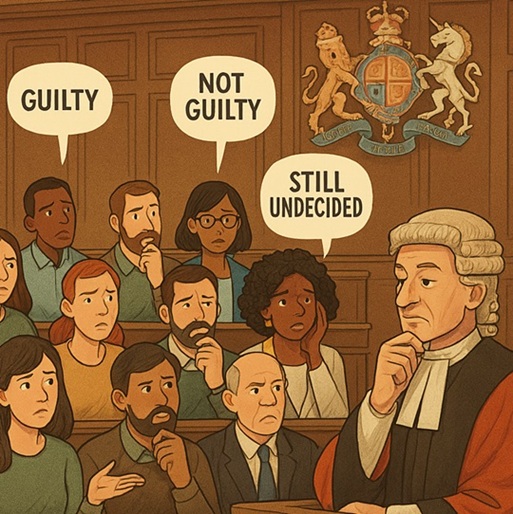
In England and Wales, a judge in a crown court trial can decide on their own or direct a jury to find a defendant not guilty in specific circumstances, primarily when there is insufficient evidence to support a conviction. This is known as a directed acquittal.

Legal Basis and Crown Court Procedure

Pre-Trial Dismissal

Under Section 6 of the Criminal Justice Act 1987 (for serious or complex fraud cases) or Schedule 3 of the Crime and Disorder Act 1998 (for other indictable offenses), the judge reviews written evidence and submissions without a hearing and may dismiss the charges, resulting in an acquittal.

The judge acts alone, without a jury, and the acquittal is formally recorded, barring further prosecution for the same offense (subject to the double jeopardy rule).

During Trial

A judge can direct an acquittal under Section 17 of the Criminal Justice Act 1967 if, after the prosecution presents its case, the judge finds “no case to answer” because the evidence is so weak that no reasonable jury could convict. This often follows a defense submission at the close of the prosecution’s case.

  • The judge assesses whether the evidence is sufficient for a jury to properly convict. If it’s deemed insufficient (e.g., lacks key elements of the offense or is unreliable), the judge can direct the jury to return a not guilty verdict.
  • This is often seen in cases where the prosecution fails to establish a prima facie case or the evidence is legally inadmissible or too weak.
Abuse of Process

A judge may also dismiss a case if continuing it would be an abuse of process (e.g., due to unfairness or procedural irregularities), leading to a stay or acquittal.

Key Case Law

The test for a directed acquittal is based on R v Galbraith [1981] 1 WLR 1039, which sets out that a case should be stopped if:

  1. There is no evidence that the defendant committed the offense, or
  2. The prosecution’s evidence is so tenuous or inconsistent that a conviction would be unsafe.

Judge’s Role

The judge cannot direct a not guilty verdict simply because they personally believe the defendant is innocent. The decision must be based on the legal sufficiency of the evidence. If there’s enough evidence for a jury to consider, the case proceeds, and the jury decides the verdict.

Limitations

A judge cannot direct a jury to find a defendant guilty, as this would infringe on the jury’s role as the arbiter of facts (R v Wang [2005] UKHL 9).

  • Directed acquittals are rare and typically occur in clear-cut cases of evidential deficiency.

In summary, a judge in England and Wales can direct a jury to find a defendant not guilty if the prosecution’s case is legally insufficient, but this is a procedural safeguard rather than a subjective judgment on guilt or innocence.

What about a Magistrate ?

In England and Wales, a magistrate (or magistrates, as they often sit in panels of 3 in magistrates’ courts), or district judge does not direct a jury in the same way a judge does in a Crown Court, as magistrates’ courts do not have juries.

Instead, magistrates act as both the trier of law and fact in summary trials (less serious offenses). However, the concept of a directed acquittal or dismissing a case due to insufficient evidence still applies in magistrates’ courts, adapted to their context. Here’s a concise explanation:

Magistrates’ Role in Dismissing a Case

Magistrates or District Judge can dismiss a case if they find there is no case to answer, similar to a directed acquittal in a Crown Court. This happens when the prosecution’s evidence, at the close of their case, is insufficient for a conviction.

  • The defense may make a submission of no case to answer, arguing that the prosecution has failed to present enough evidence to prove the offense. The magistrates or District Judge then assess whether the evidence is sufficient to proceed.

Magistrate Legal Test

The same principles from R v Galbraith [1981] 1 WLR 1039 apply:

  1. If there is no evidence that the defendant committed the offense, the case must be dismissed.
  2. If the evidence is so weak, inconsistent, or unreliable that a conviction would be unsafe, the magistrates or district judge can stop the case.

Magistrates Court Procedure

In a magistrates’ court, if the prosecution’s case is deemed insufficient after their evidence is presented, the magistrates can dismiss the case without requiring the defense to present their case.

  • This is effectively equivalent to a judge directing a not guilty verdict in a Crown Court, but since magistrates or district judge are the decision-makers, they simply dismiss the case or acquit the defendant directly.

Key Differences from Crown Court

There is no jury in magistrates’ court cases, so magistrates do not “direct” a jury. They decide the outcome themselves.

  • Magistrates’ courts handle less serious offenses, so the threshold for dismissing a case may be applied more frequently due to simpler evidential issues.
  • Cases in a magistrates court are heard by either three magistrates or a district judge. 

Magistrate and District Judge Limitations

Like Crown Court judges, magistrates cannot dismiss a case based on their personal belief in the defendant’s innocence. The decision must be based on the legal insufficiency of the prosecution’s evidence.

  • If the evidence is sufficient to proceed, magistrates will hear the defense’s case and make a final decision on guilt or innocence.

In summary, a magistrate or district judge in England and Wales can effectively “direct” a not guilty outcome by dismissing a case or acquitting a defendant if the prosecution’s evidence is insufficient, following the same legal principles as in a directed acquittal in a Crown Court.

Check out our related articles on What is a Jury ?, What is a Hung Jury ?, Rule of Law, Open Justice, Is the Law Black and White ?, What Does Lady Justice Symbolise ?, Law Society, Law Commission, Solicitors, Solicitors Regulation Authority, Barristers, Bar Council of England and Wales, Bar Standards Board, Contra Mundum, R v Sussex Justices, Police Impartiality and the highly questionable Sussex Family Justice Board.


The Ministry of Injustice is not the Ministry of Justice nor is it affiliated in any way with the justice system, legal profession, police or any other law enforcement agencies.


Latest Articles


Most Popular


You should always seek formal legal advice from a qualified and reputable lawyer (solicitor or barrister).

There are a number of links to Free and Paid For Legal Resources and Legal Organisations on the Free Legal Advice , Legal Aid and Pro Bono pages.


Categories
Law Legal Analysis

Is the Law Black and White ?

The binary phrase “black and white” suggests clarity, simplicity, and unambiguous boundaries. When applied to the law, it implies a system where rules are clear-cut, leaving no room for interpretation or debate.

However, the legal system is far from this binary ideal. While the law strives for certainty, its application often reveals a complex interplay of statutes, judicial discretion, and societal context, creating shades of grey that challenge the notion of absolute clarity.

At its core, the legal system of England and Wales is built on a foundation of statutes and common law.

Statutes, passed by Parliament, are designed to provide clear rules. For example, the Theft Act 1968 explicitly defines theft as the dishonest appropriation of property belonging to another with the intention to permanently deprive. On paper, this appears black and white: either an act meets these criteria, or it does not. Similarly, road traffic laws, such as the requirement to stop at a red light under the Road Traffic Act 1988, seem unequivocal. These laws aim to create predictability, ensuring citizens understand what is permissible.

Yet, the application of these laws reveals their complexity. Statutory interpretation often introduces ambiguity. Judges, tasked with applying laws to real-world cases, rely on principles like the literal rule, golden rule, or mischief rule to interpret statutes.

In R v Allen (1872) LR 1 CCR 367, the courts grappled with the meaning of “marriage” in the context of bigamy laws, showing how even seemingly clear terms can spark debate.

The Human Rights Act 1998 further complicates matters by requiring laws to align with European Convention rights, sometimes leading to reinterpretations that blur statutory clarity. This suggests the law is not a monolith but a living framework, shaped by judicial reasoning and societal values.

Common law, developed through judicial precedents, adds further nuance. Unlike statutes, common law evolves through case law, where judges interpret and adapt principles to new circumstances.

For example, in Donoghue v Stevenson (1932), the House of Lords established the modern law of negligence, introducing the “neighbour principle.” This precedent has since been refined across countless cases, demonstrating how the law adapts to changing societal norms. However, this flexibility can lead to uncertainty, as outcomes depend on judicial discretion and the specific facts of a case.

Discretion is another factor that undermines the black-and-white narrative. Judges, magistrates, and even police officers exercise discretion in interpreting and enforcing the law. Sentencing guidelines, for instance, provide ranges rather than fixed penalties, allowing judges to consider mitigating or aggravating factors.

In R v Dudley and Stephens (1884), a case involving shipwrecked sailors who resorted to cannibalism, the court weighed moral and legal questions, highlighting how context can complicate clear legal rules. Similarly, prosecutors decide whether to pursue charges based on public interest, adding another layer of subjectivity.

The influence of societal context further erodes the idea of a binary legal system. Laws reflect the values of their time, and as society evolves, so does the law. The legalisation of same-sex marriage under the Marriage (Same Sex Couples) Act 2013 illustrates how legal frameworks shift to align with changing norms. Public opinion, political pressures, and cultural shifts all influence how laws are drafted, interpreted, and enforced, introducing fluidity that defies rigid categorisation.

Moreover, the adversarial nature of the legal system in England and Wales ensures that opposing interpretations of the law are tested in court.

Barristers argue over the meaning of words, the intent of legislation, or the applicability of precedents, revealing the law’s inherent malleability. Even seemingly clear laws, like those governing murder, can lead to complex debates over defenses like provocation or diminished responsibility.

Statutory Interpretation Principles

In England and Wales, judges use statutory interpretation principles to clarify the meaning of legislation when applying it to cases. These principles, namely the literal rule, golden rule, and mischief rule, guide courts in resolving ambiguities in statutes. Below is an explanation of each:

  • Literal Rule:
    • Definition: The literal rule requires judges to apply the plain, ordinary, and literal meaning of the words in a statute, regardless of the outcome.
    • Purpose: Ensures judicial impartiality by sticking closely to the text as written by Parliament, respecting legislative intent.
    • Example: In Whiteley v Chappell (1868), the defendant was charged with impersonating a voter under a statute that prohibited impersonating “any person entitled to vote.” The defendant impersonated a deceased voter. The court applied the literal rule, finding that a deceased person is not “entitled to vote,” so the defendant was not guilty.
    • Criticism: This rule can lead to absurd or unjust outcomes if the literal meaning fails to account for practical realities or legislative intent.
  • Golden Rule:
    • Definition: The golden rule modifies the literal rule by allowing judges to depart from the literal meaning of words to avoid an absurd or unreasonable result, while still adhering closely to the text.
    • Purpose: Balances fidelity to statutory wording with preventing outcomes that defy common sense or the statute’s purpose.
    • Example: In Adler v George (1964), the defendant was charged under the Official Secrets Act 1920 for obstructing a guard “in the vicinity of” a prohibited place. The defendant argued he was inside, not “in the vicinity.” The court applied the golden rule, interpreting “in the vicinity” to include being within the place itself, avoiding an absurd loophole.
    • Types: The narrow approach adjusts the meaning to avoid absurdity; the broader approach (less common) considers the statute’s overall purpose.
  • Mischief Rule:
    • Definition: The mischief rule focuses on the problem or “mischief” the statute was intended to remedy. Judges interpret the statute to achieve its purpose, even if this means departing from the literal wording.
    • Purpose: Prioritises the legislative intent behind the law, ensuring it addresses the issue Parliament aimed to fix.
    • Example: In Smith v Hughes (1960), prostitutes soliciting from balconies were charged under a law prohibiting solicitation “in a street.” The court applied the mischief rule, finding that the law aimed to prevent public nuisance from solicitation, so the location (balcony or street) was irrelevant, and the defendants were guilty.
    • Framework (from Heydon’s Case (1584)): Courts consider (1) the common law before the statute, (2) the mischief the law failed to address, (3) the remedy Parliament intended, and (4) how to apply that remedy.

These rules are not mutually exclusive and are often used in conjunction, alongside other tools like the purposive approach (emphasising the statute’s broader purpose, especially in EU-related cases) or external aids (e.g., Hansard, law commission reports).

The choice of rule depends on the case and the need to balance clarity, fairness, and legislative intent. The literal rule prioritises textual fidelity, the golden rule avoids absurdity, and the mischief rule emphasises purpose, collectively ensuring the law adapts to real-world complexities while respecting parliamentary sovereignty.

Conclusion

While the law in England and Wales aspires to clarity, it is far from black and white. Statutes provide a framework, but judicial interpretation, common law evolution, discretion, and societal context introduce shades of grey. This complexity ensures the law remains adaptable but also underscores its inherent uncertainty. Rather than a rigid code, the law is a dynamic system, balancing predictability with the flexibility to address the nuances of human behaviour.

Check out our related articles on Rule of Law, Open Justice, What is Law, Branches of Law, Abuse of Process, What Does Lady Justice Symbolise ?, McKenzie Friend, Can a Judge Direct a Jury to Find a Defendant Not Guilty ?, Law Society, Law Commission, McKenzie Friend Right of Audience, Solicitors, Solicitors Regulation Authority, Barristers, Bar Council of England and Wales, Bar Standards Board, Contra Mundum, R v Sussex Justices, Police Impartiality and the highly questionable Sussex Family Justice Board.


The Ministry of Injustice is not the Ministry of Justice nor is it affiliated in any way with the justice system, legal profession, police or any other law enforcement agencies.


Latest Articles


Most Popular


You should always seek formal legal advice from a qualified and reputable lawyer (solicitor or barrister).

There are a number of links to Free and Paid For Legal Resources and Legal Organisations on the Free Legal Advice , Legal Aid and Pro Bono pages.
Categories
Law Police

Police Impartiality

A High Court ruling by Mr Justice Linden KC has determined that Northumbria Police breached their duty of impartiality by allowing uniformed officers to march in a Newcastle Pride parade, displaying symbols like the Progress flag associated with transgender ideology.

The case was brought by Linzi Smith, against the Chief Constable of Northumbria Police (Vanessa Jardine), who argued that the police’s participation compromised their professional oath to act impartially.

The judge ruled that such actions could undermine public trust in the police’s ability to handle disputes fairly, particularly in conflicts involving gender-critical individuals and transgender rights supporters.

This landmark decision may lead to a ban on police marching in Pride parades across the UK and could impact their involvement in other events, such as Remembrance parades or religious festivals, prompting concerns among police chiefs about maintaining impartiality while engaging with communities.

Police officers face being banned from participating in Pride parades after a court ruled that one of Britain’s largest forces breached impartiality by marching at an LGBT+ rights event.

Police face ban from marching in Pride parades after court rules it breaches impartiality – Daily Mail

Legal Framework – The Duty of Impartiality

Mr Justice Linden in his judgment Lindsey Smith, R (on the application of) v The Chief Constable of Northumbria Police. Neutral Citation Number[2025] EWHC 1805 (Admin) Paras 61 to 67 outlines the duty of impartiality for all Police Officers.

By section 29 of the Police Act 1996 every member of a police force maintained for a police area is required, on appointment, to be attested as a constable by making the following declaration before a justice of the peace (see Schedule 4 to the 1996 Act):


‘I………………..of………………..do solemnly and sincerely declare and affirm that I
will well and truly serve the King in the office of constable, with fairness,
integrity, diligence and impartiality, upholding fundamental human rights and according equal respect to all people; and that I will, to the best of my power, cause the peace to be kept and preserved and prevent all offences against people and property; and that while I continue to hold the said office I will, to the best of my skill and knowledge, discharge all the duties thereof faithfully according to law”

The Police Regulations 2003 were made pursuant to, amongst other things, section 50 of the 1996 Act which provides that “the Secretary of State may ..make regulations as to the government, administration and conditions of service of police forces”. In effect, the 2003 Regulations therefore set out the terms and conditions which govern police officers as office holders. The matters to which regulations may relate include,
at section 50(2)(e), “the conduct, efficiency and effectiveness of members of police forces and the maintenance of discipline”. Paragraph 1 of Schedule 1 to the Police Regulations 2003, read with Regulation 6, provides as follows:

“Restrictions on the private life of members of police forces
(1) A member of a police force shall at all times abstain from any activity which is likely to interfere with the impartial discharge of his duties or which is likely to give rise to the impression amongst members of the public that it may so interfere.
(2) A member of a police force shall in particular–
(a) not take any active part in politics;
(b) not belong to any organisation specified or described in a determination of the Secretary of State.”

The Police (Conduct) Regulations 2020 also require that police officers act with impartiality. They were made pursuant to section 50 of the Police Act 1996 and paragraph 29 of Schedule 3 to the Police Reform Act 2002. Regulation 4 provides that the 2020 “Regulations apply where an allegation comes to the attention of an appropriate authority which indicates that the conduct of a police officer may amount to misconduct, gross misconduct or practice requiring improvement”. In broad terms,
the 2020 Regulations require the appropriate authority to decide whether misconduct proceedings should be brought against the officer. Under Regulation 2, “misconduct” includes “a breach of the Standards of Professional Behaviour that is so serious as to justify disciplinary action”. Regulation 5 then provides that “the Standards of Professional Behaviour established are the standards of professional behaviour described in Schedule 2”. Schedule 2 includes the following:


Honesty and Integrity
Police officers are honest, act with integrity and do not compromise or abuse their position.
Equality and Diversity
Police officers act with fairness and impartiality. They do not discriminate
unlawfully or unfairly.
Orders and Instructions
Police officers only give and carry out lawful orders and instructions. Police officers abide by police regulations, force policies and lawful orders.
Discreditable Conduct
Police officers behave in a manner which does not discredit the police service or undermine public confidence in it, whether on or off duty.”

Lindsey Smith, R (on the application of) v The Chief Constable of Northumbria Police. Neutral Citation Number[2025] EWHC 1805 (Admin)Mr Justice Linden

Are the Police Impartial ?

The impartiality of the police in England and Wales is a complex issue, with evidence suggesting both strengths and challenges. The principle of impartiality is central to policing, as outlined in the Peelian Principles, which emphasises policing by consent and fairness.

The College of Policing’s Code of Ethics (2014) explicitly requires officers to act with integrity, impartiality, and respect for all. However, public perception and specific incidents raise questions about consistency.

Data from the 2023/24 Crime Survey for England and Wales shows 56% of respondents had confidence in their local police, but trust varies significantly by demographic. For example, Black respondents (49%) reported lower confidence than White respondents (58%).

High-profile cases, like the 2021 murder of Sarah Everard by a serving police officer and the 2023 Casey Review into the Metropolitan Police, highlighted systemic issues, including institutional racism, misogyny, and bias in stop-and-search practices.

The review found disproportionate stops of Black individuals (2.5 times more likely than White individuals per 1,000 people in 2022/23).

Conversely, oversight mechanisms like the Independent Office for Police Conduct (IOPC) and community scrutiny panels aim to ensure accountability. The IOPC investigated 1,472 complaints in 2022/23, with 23% related to discriminatory behaviour, though only a fraction led to formal misconduct findings.

Police forces also undergo regular inspections by His Majesty’s Inspectorate of Constabulary, which often praises operational fairness but flags inconsistencies in diversity training and community engagement.

Social media reflect polarized views with some users praising local policing efforts, while others cite personal experiences of bias, particularly in urban areas. These anecdotes, while not statistically robust, align with survey trends showing declining trust in the police.

In short, while the legal framework for impartiality exists, systemic issues and public scepticism suggest it’s not universally achieved.

Check out our articles on Policing by Consent, Are the Police for Hire ?, Police Surveillance, Police Public Confidence and Engagement, Police Professional Standards Department, IOPC, Crime Reporting, What is a Police and Crime Commissioner ?, Policing, Police News, Two Tiered Policing, Thought Police, Police Digital Service, Knowledge Hub – Police Digital Service, Wasting Police Time, Police Community Support Officers (PCSO), Met Police, Sussex Police, Chief Constable Jo Shiner, R v Sussex Justices and the highly questionable Sussex Family Justice Board.


The Ministry of Injustice is not the Ministry of Justice nor is it affiliated in any way with the justice system, legal profession, police or any other law enforcement agencies.


Latest Articles


Most Popular


You should always seek formal legal advice from a qualified and reputable lawyer (solicitor or barrister).

There are a number of links to Free and Paid For Legal Resources and Legal Organisations on the Free Legal Advice , Legal Aid and Pro Bono pages.

Categories
Law Legal Analysis

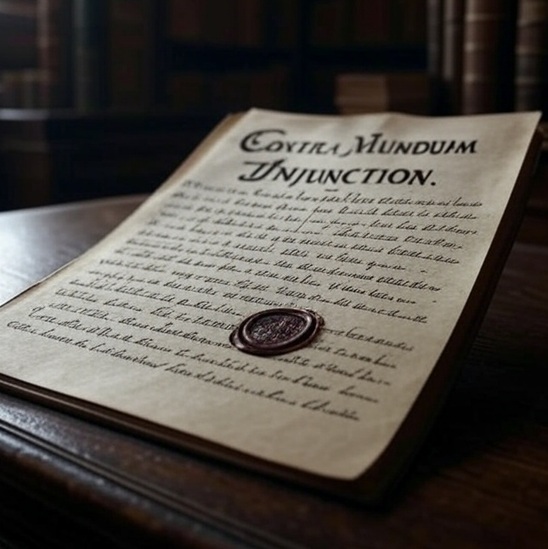
Contra Mundum Injunction

A contra mundum (against everyone in the world) privacy injunction was granted to the Ministry of Defence on 1st September 2023 at the High Court by THE HON MR JUSTICE ROBIN KNOWLES CBE, the terms of which prevented the publication of the following  

(a) the fact of the release by someone working for the UK Government of a dataset containing personal information and contact details of persons who applied for relocation to the UK from Afghanistan following the Taliban coup in 2021; and

(b) the existence of the injunction itself.

On the 15th July 2025, THE HON. MR JUSTICE CHAMBERLAIN KC discharged the contra mundum privacy injunction.

Open justice is a cardinal constitutional principle, from which derogations can be justified only in exceptional circumstances.

THE HON. MR JUSTICE CHAMBERLAIN KC

Previous judgments of the High Court and the Court of Appeal in these proceedings were also published today with the High Court imposing a more limited injunction on an interim basis:

Ruling (01 September 2023)

Judgment 1 (23 November 2023)

Judgment 2 (15 February 2024)

Judgment 3 (21 May 2024)

Court of Appeal Judgment (26 July 2024)

Continuing Injunction (15 July 2025)

High Court discharges Government super-injunction after almost two yearsJohn Bethell @ 11KBW Chambers

I wonder how many more super injunctions there are in existence ?!

Media Coverage

Inside the £7bn secret scramble to save lives after MoD data breach

After a leak at the Ministry of Defence, officials faced a race to keep up to 100,000 Afghans from the Taliban’s clutches – with two years of court fights and rescue plans projected to cost billions, all hidden from MPs and the public. Now, after the lifting of an unprecedented superinjunction, the full story can finally be told.

Holly Bancroft @ Independent

MoD blunder leads to £7billion government cover-up of Taliban ‘kill-list’

The government spent nearly two years using an unprecedented superinjunction to prevent the public from learning about a catastrophic Ministry of Defence data breach that exposed the personal details of thousands of Afghans who had worked with UK forces.

EJ Ward @ LBC

Thousands of Afghans relocated to UK under secret scheme after data leak

Conservative government used superinjuction to hide error that put Afghans at risk and led to £2bn mitigation scheme. The judge in the initial trial, Mr Justice Knowles, granted the application “contra mundum” – against the world – and ruled that its existence remain secret

The Guardian

Revealed after the Daily Mail’s two-year battle against superinjunction, the Government’s £7billion secret airlift as 18,500 Afghans are brought to Britain

A secret operation smuggling migrants TO Britain is being run by ministers who signed off the projected £7billion cost while a ‘superinjunction’ kept taxpayers and MPs in the dark.

SAM GREENHILL CHIEF REPORTER and DAVID WILLIAMS and MARK NICOL and MARTIN ROBINSON @ Daily Mail

Is a Contra Mundum Injunction Enforceable Against a “Foreign” Individual ?

A contra mundum injunction in England and Wales is an exceptional court order that applies to “the world at large” rather than specific named parties, binding anyone who has notice of it.

However, its enforceability against a foreign individual outside the jurisdiction of England and Wales is complex and limited.

Nature of a Contra Mundum Injunction
  • A contra mundum injunction is designed to prohibit certain actions (e.g., publishing specific information) by anyone who is aware of the order, regardless of whether they are a named party. It is typically used in rare cases, such as to protect privacy, prevent harm, or safeguard public interest (e.g., protecting the identities of individuals at risk, as in Venables v News Group Newspapers Ltd [2001] Fam 430).
  • The injunction operates in personam (against the person) and relies on the court’s authority to enforce compliance through contempt of court proceedings.
Jurisdictional Limits
  • Territorial Scope: The courts of England and Wales have jurisdiction primarily within their own territory. A contra mundum injunction is fully enforceable against individuals or entities within England and Wales who have notice of the order. However, enforcement against a foreign individual outside this jurisdiction is not straightforward.
  • Foreign Individuals: For a foreign individual to be bound, they must either:
    • Be physically present in England and Wales at the time the order is made or served.
    • Have a sufficient connection to the jurisdiction (e.g., assets, business operations, or voluntary submission to the court’s jurisdiction).
    • Be served with the injunction in a manner recognised by English law or the foreign jurisdiction’s laws.
Enforcement Abroad
  • No Direct Enforcement: English courts cannot directly enforce a contra mundum injunction in a foreign jurisdiction because their authority does not extend beyond England and Wales. Enforcement abroad depends on the cooperation of the foreign jurisdiction’s legal system.
  • Recognition of Judgments: For a contra mundum injunction to have effect against a foreign individual, the foreign court must recognise and enforce the English court’s order. This typically requires:
    • Reciprocal Agreements: Enforcement is easier in countries with reciprocal arrangements, such as Commonwealth nations under the Administration of Justice Act 1920 or the Foreign Judgments (Reciprocal Enforcement) Act 1933, or EU member states (pre-Brexit) under the Brussels Regulation. However, these regimes primarily apply to monetary judgments, not non-monetary orders like injunctions.
    • Common Law Recognition: In jurisdictions without reciprocal agreements (e.g., the USA), the foreign individual would need to be sued in their local court to obtain a new judgment based on the English injunction. The foreign court would assess whether the English court had jurisdiction and whether the order complies with local laws and public policy.
  • Non-Monetary Nature: Contra mundum injunctions are non-monetary (e.g., prohibiting publication or disclosure), which makes them unenforceable under common law or reciprocal enforcement regimes that typically cover monetary judgments only.
  • Public Policy and Comity: A foreign court may refuse to enforce the injunction if it conflicts with local laws, public policy, or principles of freedom of expression (especially in jurisdictions like the USA with strong First Amendment protections).
Practical Challenges
  • Notice Requirement: A contra mundum injunction binds those who have notice of it. Serving notice to a foreign individual can be difficult, especially if they are not easily identifiable or located. Even if served, the foreign individual may ignore the order if they are outside the reach of English courts.
  • Contempt of Court: If a foreign individual breaches the injunction while in England and Wales or through actions affecting the jurisdiction (e.g., publishing prohibited material accessible in England), they could face contempt proceedings if they enter the jurisdiction later. However, if they remain abroad, practical enforcement is unlikely unless the foreign jurisdiction cooperates.
  • Spycatcher Principle: Under the Spycatcher principle, third parties (including foreign individuals) who knowingly breach an injunction after receiving notice can be held in contempt. However, this is only effective if the individual is within the court’s reach or if the foreign jurisdiction recognises the contempt proceedings.

5. Examples and Precedents

  • In cases like Persons formerly known as Winch [2021] EWHC 1328, a contra mundum injunction was granted to protect the identities of a police informant and their family. The court emphasised its global effect but did not address enforcement abroad, focusing instead on notifying media within the jurisdiction.
  • In SAS Institute Inc v World Programming Ltd [2020] EWHC 2481, the English Court of Appeal granted an anti-enforcement injunction to prevent a US company from enforcing a US judgment in a way that interfered with English jurisdiction, showing that English courts can act to protect their authority but only within specific limits.
Conclusion

A contra mundum injunction from England and Wales is theoretically binding on a foreign individual if they have notice of it, but its practical enforceability abroad is highly limited.

Enforcement depends on the foreign jurisdiction’s willingness to recognise and uphold the order, which is unlikely for non-monetary injunctions unless there is a reciprocal agreement or the individual has a connection to England and Wales (e.g., presence, assets, or actions affecting the jurisdiction).

To pursue enforcement, the claimant would typically need to initiate new legal proceedings in the foreign jurisdiction, subject to local laws and public policy.

Check out our related articles on What Does Lady Justice Symbolise ?, Law Society, Law Commission, Solicitors, Solicitors Regulation Authority, Barristers, Bar Council of England and Wales, Bar Standards Board, Rule of Law, Open Justice, R v Sussex Justices and the highly questionable Sussex Family Justice Board.


The Ministry of Injustice is not the Ministry of Justice nor is it affiliated in any way with the justice system, legal profession, police or any other law enforcement agencies.


Latest Articles


Most Popular


You should always seek formal legal advice from a qualified and reputable lawyer (solicitor or barrister).

There are a number of links to Free and Paid For Legal Resources and Legal Organisations on the Free Legal Advice , Legal Aid and Pro Bono pages.

Categories
Law Legal Analysis

Implied Right of Access

The implied right of access refers to a presumed permission for individuals or entities to enter private property for specific purposes, even without formal consent.

Implied rights of access is not explicitly granted but arises from necessity, custom, or legal provisions. It is distinct from explicit rights, such as those granted by easements or licences, which are formally documented.

It should be noted that Implied right of access is a common law principle derived from established legal precedent, rather than a specific law. 

Examples of Implied Right of Access

  1. Utility Companies: Utility providers (e.g., water, gas, electricity, or telecommunications) may have an implied right to access private property to maintain infrastructure, such as meters or cables, often supported by statutory powers.
  2. Emergency Services: Police, fire services, or paramedics may access private property in emergencies to ensure public safety, as authorised by law.
  3. Delivery Personnel: Postal workers or delivery couriers may have an implied right to approach a property’s entrance to deliver mail or packages.
  4. Visitors or Neighbours: Neighbours or visitors may have an implied right to use a pathway or driveway to reach a front door, particularly if it’s the only practical route.
  5. Statutory Authorities: Local authority officials, such as building inspectors or environmental health officers, may have implied access for regulatory purposes under specific legislation.

Legal Basis in England and Wales

The implied right of access in England and Wales is grounded in:

What is Trespass ?

Trespassing is when someone enters or remains on land that belongs to someone else without their permission or legal right. 

Trespass is generally a civil matter, not a criminal one, unless specific circumstances like causing significant damage or disruption are involved. 

Aggravated trespass is a criminal offence under Section 68 of the Criminal Justice and Public Order Act 1994

Why Revoke the Implied Right of Access ?

Property and land owners may seek to revoke implied access for reasons such as:

  • Privacy: To prevent unauthorised entry by strangers.
  • Security: To reduce risks, especially in rural or secluded properties.
  • Disputes: To resolve conflicts with neighbours or utility providers.

How to Revoke the Implied Right of Access

Revoking an implied right of access in England and Wales requires clear communication and, in some cases, legal steps to ensure enforceability.

Revoking is also known as “WOIRA” which means Withdrawing Implied Right of Access.

Understand the Scope of Access:
  • Identify who is accessing the property (e.g., utility workers, neighbours) and the legal basis for their access (e.g., statutory rights or common law).
  • Consult a solicitor to confirm whether statutory or easement-based rights apply, as these may limit revocation.
Display Clear Signage
  • Install “No Trespassing” or “Private Property” signs at entry points. Under English law, clear signage provides notice that implied access is not permitted.
  • Ensure signs are visible and comply with any local regulations.
Provide a Written Notice
  • Send a formal written notice to individuals or entities with implied access (e.g., utility companies, neighbours) revoking permission to enter. Use recorded delivery to document the notice. A number of templates are available online.
Install Physical Barriers
  • Erect gates, fences, or locks to restrict access, ensuring compliance with local planning laws and regulations.
  • For deliveries, provide alternative instructions, such as a designated drop-off point.
Communicate with Relevant Parties
  • Contact utility companies or local authorities to negotiate alternative access arrangements if statutory rights apply.
  • Discuss boundary issues with neighbours to clarify that access is no longer permitted without agreement.
Address Implied Easements
  • If the implied right stems from an easement (e.g., long-term use or necessity), consult a solicitor. Revoking an implied easement may require a legal process, such as a claim to the Land Registry or a court action to quiet title.
  • For prescriptive easements (gained through long use under the Prescription Act 1832), formal steps may be needed to interrupt use.
Document Actions
  • Keep records of notices, communications, and physical measures taken.
  • This documentation is essential for resolving disputes or defending against any legal claims.

Limitations on Revoking Implied Access

Revoking implied access is subject to certain limitations:

  • Statutory Rights: Utility companies and emergency services may have non-negotiable access rights. Complete revocation may not be possible, but access can often be restricted to specific purposes or times.
  • Easements: Implied or prescriptive easements (e.g., for access to a landlocked property) cannot be revoked without legal action, such as applying to the Land Registry or court.
  • Public Safety: Emergency services retain access rights in urgent situations, regardless of notices or barriers.
  • Planning Laws: Physical barriers must comply with planning regulations, and blocking statutory access (e.g., for utilities) could lead to legal consequences.

Check out our related articles on What Does Lady Justice Symbolise ?, Law Society, Law Commission, Solicitors, Solicitors Regulation Authority, Barristers, Bar Council of England and Wales, Bar Standards Board, Rule of Law, Open Justice, R v Sussex Justices and the highly questionable Sussex Family Justice Board.


The Ministry of Injustice is not the Ministry of Justice nor is it affiliated in any way with the justice system, legal profession, police or any other law enforcement agencies.


Latest Articles


Most Popular


You should always seek formal legal advice from a qualified and reputable lawyer (solicitor or barrister).

There are a number of links to Free and Paid For Legal Resources and Legal Organisations on the Free Legal Advice , Legal Aid and Pro Bono pages.

Categories
Law Legal Analysis Legal Professionals

Can a Solicitor or Barrister Mislead a Court ?

In England and Wales, the legal system demands integrity and truth from all legal professionals involved in court proceedings. Solicitors and barristers are bound by strict professional rules and legal obligations that prohibit misleading the court, whether deliberately or recklessly. Such conduct is a serious breach, potentially leading to professional misconduct charges, contempt of court or criminal sanctions.

Professional Duties of Solicitors and Barristers

Solicitors, regulated by the Solicitors Regulation Authority (SRA) under the SRA Standards and Regulations 2019, are designated as officers of the court under the Solicitors Act 1974.

The SRA Code of Conduct mandates that solicitors act with honesty and integrity (Principle 1) and uphold public trust in the legal profession (Principle 2). Paragraph 1.4 explicitly prohibits knowingly or recklessly misleading the court, including presenting false evidence, allowing misleading information to go uncorrected, or fabricating documents.

Barristers, regulated by the Bar Standards Board (BSB) under the BSB Handbook, are not formally officers of the court but owe a primary duty to the court above their duty to clients (Core Duty 3).

Core Duty 1 requires honesty, and Rule rC3 prohibits barristers from knowingly or recklessly misleading the court, such as by making false statements, concealing material facts, or drafting misleading documents.

The principle, affirmed in cases like Rondel v Worsley [1969] 1 AC 191, underscores barristers’ obligation to the administration of justice.

Both solicitors and barristers must prioritise their duty to the court over client interests. If a client instructs them to present false evidence or withhold key information, they must refuse and may need to withdraw from the case to avoid breaching their professional obligations.

Legal Consequences of Misleading a Court

Misleading the court can violate several laws. Under the Perjury Act 1911, knowingly giving false evidence under oath is a criminal offence, punishable by up to seven years’ imprisonment. If a solicitor or barrister encourages or assists perjury, they may face liability as an accessory or for perverting the course of justice, a common law offence with a maximum penalty of seven years.

Contempt of court is another serious consequence. The Contempt of Court Act 1981 allows courts to penalize conduct that interferes with justice, such as presenting false evidence, with fines or imprisonment. Cases like R v Farooqi [2013] EWCA Crim 1649 highlight the severe repercussions for lawyers who mislead courts.

Professional disciplinary action is also a risk. The SRA and BSB can impose sanctions, including fines, suspensions, or striking off. For instance, in SRA v Wingate [2016], a solicitor was struck off for presenting fabricated documents to the court.

Practical Implications of Misleading a Court

Solicitors and barristers must exercise diligence to avoid inadvertently misleading the court. This includes verifying client instructions, correcting errors promptly, and ensuring submissions are evidence-based.

If a lawyer discovers they or their client has misled the court, they must take steps to rectify the situation, subject to legal professional privilege considerations. A solicitor or barrister may also be invited to correct a misleading statement.

If you think a solicitor or firm might have breached the SRA rules, you should report your concerns to the SRA.

The public can Report concerns about barristers at the BSB. Barristers also have a duty to report their own serious misconduct or that of another barrister.

Check out our articles on Rule of Law, Open Justice, Justice System, Criminal Justice, Criminal Cases Review Commission, R v Sussex Justices, Litigants in Person, McKenzie Friend, Reasonable Person Test, What is Bail ?, Do you Have to Bow to a Judge ?, Can you Email a Judge ?, Can you Criticise a Judge ? and the highly dubious Sussex Family Justice Board.


The Ministry of Injustice is not the Ministry of Justice nor is it affiliated in any way with the justice system, legal profession, police or any other law enforcement agencies.


Latest Articles


Most Popular


You should always seek formal legal advice from a qualified and reputable lawyer (solicitor or barrister).

There are a number of links to Free and Paid For Legal Resources and Legal Organisations on the Free Legal Advice , Legal Aid and Pro Bono pages.
Categories
Criminal Justice Law Legal Analysis

What is the Forensic Science Regulator ?

Forensic science is a cornerstone of modern criminal justice, providing critical evidence that can make or break a case. However, the reliability and accuracy of forensic evidence are paramount to ensuring justice is served.

In the United Kingdom, the Forensic Science Regulator (FSR) plays a pivotal role in maintaining the integrity of forensic science services across England and Wales.

Established in 2007 and granted statutory powers through the Forensic Science Regulator Act 2021, the FSR ensures that forensic science providers adhere to rigorous scientific quality standards, safeguarding the criminal justice system from errors that could lead to miscarriages of justice.

The FSR’s primary mission is to establish and enforce quality standards for forensic science activities, from crime scene analysis to courtroom testimony. Operating as an independent public appointee, sponsored by but separate from the Home Office, the FSR collaborates with stakeholders across the criminal justice system, including police forces, forensic providers, prosecutors, and defense teams.

Its overarching goal is to ensure that all forensic science activities—whether conducted by large organizations, small private firms, or individual practitioners—meet consistent, high-quality standards. This applies equally to prosecution and defense experts, fostering a level playing field and enhancing public confidence in the justice system.

The Forensic Science Regulator Act 2021 marked a significant milestone, transforming the FSR from a non-statutory body into a statutory one with enhanced authority. Prior to 2021, the FSR relied on voluntary compliance, which led to inconsistent adoption of standards, particularly among smaller providers and police forces.

The Act empowered the FSR to publish a statutory Code of Practice, first enforced in October 2023, which outlines requirements for 51 defined forensic science activities (FSAs), with 34 currently subject to the Code. This Code mandates quality management systems (QMS) and, for many FSAs, accreditation to international standards like ISO/IEC 17025, assessed by the United Kingdom Accreditation Service (UKAS).

The FSR can now investigate non-compliance and issue compliance notices, with the power to halt forensic activities that risk prejudicing criminal proceedings.

The FSR’s work extends beyond enforcement. It collaborates with specialist working groups and the Forensic Science Advisory Council (FSAC) to develop standards for disciplines such as DNA analysis, fingerprint examination, and digital forensics.

These groups review existing standards, propose improvements, and ensure ongoing research supports advancements in forensic science. The FSR also publishes technical guidance, newsletters, and annual reports to keep practitioners informed and foster a culture of continuous improvement. For instance, its 2023 annual report emphasised the importance of coordinated proficiency testing and highlighted challenges in implementing the statutory Code, such as resource constraints and the complexity of regulating over 100 organizations.

Despite its successes, the FSR faces challenges. Critics argue that its “light touch” approach before 2021 left gaps in regulation, with some providers failing to achieve accreditation. Resource limitations and austerity measures have strained the FSR’s capacity to oversee a diverse forensic landscape, particularly as new technologies and methods emerge.

The 2023 conference underscored the FSR’s commitment to proportionate regulation, encouraging self-reporting of errors to build a robust quality culture without overburdening providers. However, achieving full compliance across all FSAs remains a work in progress, with ongoing efforts to balance regulatory rigor with practical implementation.

The Forensic Science Regulator established several specialist working groups to advise on specific areas of forensic science and to undertake studies within their areas of expertise.

  1. Forensic Science Advisory Council
  2. Contamination Specialist Group
  3. Biology Specialist Group
  4. Fingerprint Quality Specialist Group
  5. Digital Forensics Specialist Group
  6. DNA Analysis Specialist Group
  7. End User Specialist Group
  8. Forensic Pathology Specialist Group
  9. Medical Forensics Specialist Group
  10. Quality Standards Specialist Group
  11. Evidence Assessment Specialist Group
  12. Incident Examination Specialist Group
  13. Firearms Specialist Group
  14. Interpretation Specialist Group
  15. Drugs and Toxicology Specialist Group

The FSR’s impact is undeniable. By setting clear standards, promoting accreditation, and fostering stakeholder collaboration, it ensures forensic evidence is reliable and admissible in court. Its statutory powers have strengthened its ability to address quality failures, protecting the integrity of criminal investigations and trials. As forensic science evolves, the FSR’s role in adapting standards and supporting innovation will be crucial to maintaining public trust in the justice system.

The email address for general inquiries to the Forensic Science Regulator is [email protected]

Check out our articles on Rule of Law, Open Justice, Justice System, Criminal Justice, Criminal Cases Review Commission, R v Sussex Justices, Litigants in Person, McKenzie Friend, Reasonable Person Test, What is Bail ?, Do you Have to Bow to a Judge ?, Can you Email a Judge ?, Can you Criticise a Judge ? and the highly dubious Sussex Family Justice Board.


The Ministry of Injustice is not the Ministry of Justice nor is it affiliated in any way with the justice system, legal profession, police or any other law enforcement agencies.


Latest Articles


Most Popular


You should always seek formal legal advice from a qualified and reputable lawyer (solicitor or barrister).

There are a number of links to Free and Paid For Legal Resources and Legal Organisations on the Free Legal Advice , Legal Aid and Pro Bono pages.

Categories
Criminal Justice Law Legal Analysis

What is the Criminal Cases Review Commission ?

The Criminal Cases Review Commission (CCRC) stands as a vital institution within the criminal justice system, dedicated to investigating potential miscarriages of justice.

Established in 1997 under the Criminal Appeal Act 1995, the CCRC was created in response to high-profile cases, such as the Birmingham Six and Guildford Four, which exposed systemic flaws in the justice system. Its primary role is to review cases where individuals believe they have been wrongfully convicted or sentenced, offering a crucial safety net for those failed by the courts.

Applications and investigations (April 1997 – April 2025)
  • 33,299 applications received (including all ineligible cases)
  • 32,157 cases completed
  • 937 cases under review
    205 awaiting consideration
Referrals and decisions (April 1997 – April 2025)
  • 873 cases referred to appeal courts
  • 844 appeals heard by the courts
  • 591 successful appeals
    235 decisions upheld
    18 abandoned by applicant
Criminal Cases Review Commission – Facts and Figures

Is the UK Criminal Justice System Broken ?

The CCRC operates independently of the government, courts, and police, ensuring impartiality in its investigations. Based in Birmingham, England, it serves England, Wales, and Northern Ireland, while Scotland has its own equivalent, the Scottish Criminal Cases Review Commission.

The commission comprises a team of case reviewers, legal experts, and investigators who meticulously examine applications to determine whether there is new evidence or arguments that could warrant referring a case back to the appeal courts.

The process begins when an individual, or their representative, submits an application to the CCRC. Applicants must have already exhausted the standard appeal process, as the commission does not function as a secondary appeal court. Instead, it focuses on identifying cases where there is a “real possibility” that a conviction or sentence would not be upheld if new evidence or legal arguments were considered. This high threshold ensures that only cases with substantial grounds for review are referred to the Court of Appeal or, in some instances, the Crown Court.

The Criminal Cases Review Commission powers are extensive, allowing it to access documents, interview witnesses, and commission forensic tests or expert reports. For example, it can request DNA analysis or re-examine witness statements that may have been overlooked or misinterpreted during the original trial. Since its inception, the commission has reviewed thousands of cases, with over 700 referrals leading to overturned convictions or modified sentences by 2023. Notable successes include the quashing of convictions in cases like those of Sally Clark, wrongly convicted of murdering her children, and Victor Nealon, whose conviction was overturned after DNA evidence pointed to another suspect.

Despite its achievements, the CCRC faces challenges. Limited funding and resources can lead to delays in case reviews, with some applicants waiting years for a resolution. Critics argue that the “real possibility” test sets too high a bar, potentially excluding cases where miscarriages of justice may have occurred but lack definitive new evidence. Additionally, the commission has no authority to overturn convictions itself; it can only refer cases to the appeal courts, which may uphold the original decision.

The Criminal Cases Review Commission work is particularly significant in an era where public trust in the justice system is often tested. High-profile cases, such as the Post Office Horizon scandal, have underscored the need for an independent body to address systemic failures.

The commission’s ability to adapt to emerging technologies, like advanced forensic techniques, has also strengthened its role in uncovering truths that were previously inaccessible.

Public awareness of the CCRC remains relatively low, and many eligible individuals may not know they can apply for a review. To address this, the commission engages in outreach efforts, including working with legal professionals and advocacy groups to ensure that those who need its services are informed.

Its commitment to transparency is evident in its detailed annual reports, which outline its activities and highlight significant cases.In conclusion, the Criminal Cases Review Commission plays an indispensable role in safeguarding justice in the UK.

By providing a mechanism to correct wrongful convictions and sentences, it upholds the principle that no one should suffer unjustly under the law. While challenges remain, the CCRC’s dedication to fairness and its ability to evolve with the times ensure it remains a cornerstone of the criminal justice system, offering hope to those who have been let down by the courts.

The email address for general inquiries to the Criminal Cases Review Commission (CCRC) is [email protected].

Check out our articles on Rule of Law, Open Justice, Justice System, Criminal Justice, R v Sussex Justices, Forensic Science Regulator, Litigants in Person, McKenzie Friend, Reasonable Person Test, What is Bail ?, Do you Have to Bow to a Judge ?, Can you Email a Judge ?, Can you Criticise a Judge ? and the highly dubious Sussex Family Justice Board.


The Ministry of Injustice is not the Ministry of Justice nor is it affiliated in any way with the justice system, legal profession, police or any other law enforcement agencies.


Latest Articles


Most Popular


You should always seek formal legal advice from a qualified and reputable lawyer (solicitor or barrister).

There are a number of links to Free and Paid For Legal Resources and Legal Organisations on the Free Legal Advice , Legal Aid and Pro Bono pages.

Categories
Criminal Justice Free Speech Law Legal Analysis Police

Did Bobby Vylan and the BBC break the law at Glastonbury 2025 ?

The performance by Bob Vylan at Glastonbury 2025, where frontman Bobby Vylan (reportedly Pascal Robinson-Foster) led chants of “death, death to the IDF” and “from the river to the sea, Palestine will be free,” has prompted an investigation by Avon and Somerset Police to determine if any criminal offences were committed.

In any investigation by the police, it is vitally important that there should no suggestion of two tier policing or two tier justice.

His Honour Judge Melbourne Inman KC (The Recorder of Birmingham and The High Court Judge that never was) sentenced Lucy Connolly at Birmingham Crown Court to two years and seven months in prison for publishing written material that incited racial hatred.

Can you email a judge such as the Lady Chief Justice of England and Wales about a dishonest judge such as HHJ Melbourne Inman ?

Potential Offenses Under UK Law

  1. Incitement to Racial or Religious Hatred (Public Order Act 1986, Section 18)
    • Description: This section makes it an offense to use threatening, abusive, or insulting words or behaviour with the intent to stir up racial or religious hatred, or where such hatred is likely to be stirred up. The maximum penalty is seven years in prison.
    • Relevance to Bob Vylan: UK Lawyers for Israel (UKLI) have suggested that Bobby Vylan’s chants, particularly “death, death to the IDF,” may breach this section by causing harassment, alarm, or distress and potentially stirring up racial or religious hatred, given the reference to the Israeli Defense Forces (IDF). The phrase “from the river to the sea” is contentious, with some interpreting it as a call for the elimination of Israel, which could be seen as targeting Jewish self-determination or inciting hatred against Jewish people. However, others argue it is a call for Palestinian liberation, and its interpretation depends heavily on context.
    • Analysis: For a conviction, prosecutors must prove intent to stir up hatred or that hatred was likely to result. The performance context—a music festival with a politically charged atmosphere—may complicate proving intent, as artistic expression often enjoys some legal protection. However, the explicit call for “death” to a specific group (the IDF) could be seen as crossing into threatening language, especially if interpreted as targeting Israeli nationals or Jewish people broadly. The lack of immediate violence following the performance might weaken the case for “likelihood” of hatred being stirred up, but public reaction and the broadcast’s reach could be considered aggravating factors.
  2. Incitement to Violence (Common Law or Public Order Act 1986, Section 4)
    • Description: Incitement to violence is an offense under common law or Section 4 of the Public Order Act, which addresses threatening or abusive behaviour intended to cause fear of violence or provoke immediate unlawful violence. The maximum penalty under Section 4 is six months in prison.
    • Relevance to Bob Vylan: Bobby Vylan’s statement, “We are the violent punks, because sometimes you have to get your message across with violence because that is the only language some people speak,” alongside the “death to the IDF” chant, has been cited as potential incitement to violence. Shadow Home Secretary Chris Philp and former Home Secretary Baroness Smith have argued that the chant constitutes incitement, with Philp calling for prosecution.
    • Analysis: The threshold for incitement requires a clear intention to provoke violence and a likelihood of it occurring. The chant’s violent imagery could be interpreted as incitement, particularly in a charged political context. However, the festival setting, where provocative rhetoric is common in punk performances, and the absence of immediate violence may suggest the statement was performative rather than a direct call to action. Bobby Vylan’s broader comments about using violence to communicate could be scrutinised, but artistic expression and political protest often blur legal lines, making prosecution challenging without evidence of specific intent or immediate harm.
  3. Causing Harassment, Alarm, or Distress (Public Order Act 1986, Section 5)
    • Description: This section criminalises threatening or abusive words or behaviour within the hearing or sight of a person likely to be caused harassment, alarm, or distress. It carries a fine as the maximum penalty.
    • Relevance to Bob Vylan: UKLI has claimed that the chant “death, death to the IDF” could breach Section 5 by causing distress to audience members or viewers, particularly those who identify with Israel or the Jewish community.
    • Analysis: This offense has a lower threshold than Section 18, as it does not require intent to stir up hatred, only that the behaviour was threatening or abusive and likely to cause distress. The chant’s explicit call for “death” could meet this threshold, especially given its broadcast to a wide audience. However, the festival context and Bob Vylan’s history of provocative performances (e.g., addressing racism and political issues) might frame the chant as artistic or political expression, potentially protected under free speech principles. The subjective nature of “distress” makes this offense plausible but less severe.
  4. Broadcasting Material Stirring Up Racial Hatred (Public Order Act 1986, Section 22)
    • Description: This section makes it an offense for a broadcaster to transmit material that is likely to stir up racial hatred, particularly if it was reasonably practicable to remove the content before broadcast. The maximum penalty is seven years in prison.
    • Relevance to Bob Vylan and the BBC: The BBC’s live broadcast of Bob Vylan’s performance has been criticised for potentially breaching this section, as the chant was aired without being cut. UKLI and former BBC Director Danny Cohen have argued that the BBC’s failure to intervene constitutes a criminal offense, especially given prior antisemitism training for staff.
    • Analysis: While this offense primarily applies to the BBC, it indirectly implicates Bob Vylan as the source of the content. The BBC issued an on-screen warning about “very strong and discriminatory language” during the livestream, suggesting awareness of the content’s potential impact. However, the decision to continue broadcasting for over 40 minutes before removing the performance from iPlayer could be seen as a failure to exercise due diligence. For Bob Vylan, this offense would only apply if they were complicit in ensuring the broadcast, which seems unlikely. The focus here is more on the BBC’s editorial decisions than the band’s actions.

Additional Context and Considerations

  • Police Investigation: Avon and Somerset Police are reviewing video footage to assess whether any offenses were committed. This indicates that no charges have been filed as of June 30, 2025, and the investigation is ongoing. The police’s focus is on both Bob Vylan’s and Kneecap’s performances, suggesting a broader scrutiny of politically charged acts at Glastonbury.
  • Political and Public Reaction: The performance has drawn condemnation from Prime Minister Keir Starmer, Culture Secretary Lisa Nandy, and Conservative leader Kemi Badenoch, who labeled it “grotesque” and “hate speech.” The Israeli Embassy criticised the chants as advocating for the dismantling of Israel, raising concerns about normalising extremist language. Conversely, civil liberties groups have warned that prosecuting such performances risks blurring the line between censorship and accountability, highlighting the tension between free speech and hate speech laws.
  • Festival and BBC Response: Glastonbury organisers, including Emily Eavis, condemned the chants as “appalling” and emphasised that they do not endorse performers’ views. The BBC removed the performance from iPlayer and issued a statement calling the comments “deeply offensive,” but faced criticism for not cutting the live feed sooner.
  • Bob Vylan’s Statement: Bobby Vylan (reportedly Pascal Robinson-Foster) stood by his comments in a social media post, framing them as a call for a change in foreign policy and expressing solidarity with Palestinians. He acknowledged receiving both support and hatred but did not retract his statements.
  • Context of the Performance: Bob Vylan’s set included a screen displaying “Free Palestine – United Nations have called it a genocide – the BBC calls it a ‘conflict,’” reflecting their broader critique of26 of UK and US foreign policy. Their punk-rap style often involves provocative political commentary, which may argue for the chants being artistic expression.

Critical Perspective

The case highlights a tension between free speech, artistic expression, and legal boundaries around hate speech and incitement. UK hate speech laws, particularly under the Public Order Act, are designed to prevent harm but can be vague, leading to debates about their application to political or artistic statements. The phrase “from the river to the sea” is particularly contentious—interpreted by some as a legitimate call for Palestinian rights and by others as antisemitic or genocidal. The legal outcome may hinge on whether the chants are deemed to target a racial or religious group (e.g., Jewish people) or a military institution (the IDF), as well as the intent and context of the performance.

The BBC’s role raises questions about media responsibility. The broadcaster’s failure to cut the feed, despite prior antisemitism training, suggests a lapse in editorial judgment, but prosecuting a broadcaster for live content is rare and would require clear evidence of intent or negligence. The broader political context—intense public and governmental scrutiny of Israel-Palestine rhetoric—may amplify the case’s visibility but also risks politicising legal enforcement, potentially chilling free expression at cultural events like Glastonbury.

Conclusion

Bob Vylan’s performance may potentially breach Sections 5, 18, or 4 of the Public Order Act 1986, depending on interpretations of intent, context, and impact. The “death to the IDF” chant is the most likely basis for any charges due to its explicit violent imagery, though proving incitement or hatred in a festival setting is challenging. The ongoing police assessment suggests no immediate charges, and any prosecution would need to balance legal thresholds with free speech considerations. The BBC faces separate scrutiny under Section 22, but this is less directly tied to Bob Vylan’s actions.

Other legislation may also apply and be considered by the Avon and Somerset Police and the Crown Prosecution Service (CPS).

Image of Bobby Vylan – Yui Mok/PA

Check out our articles on the  Foul and Absuive Language, Justice System, Open Justice, Rule of Law, R v Sussex Justices, Victims’ Right to Review, Litigants in Person, McKenzie Friend, Do you Have to Bow to a Judge ?, Can you Email a Judge ?, Can you Criticise a Judge ? and the highly dubious Sussex Family Justice Board.


The Ministry of Injustice is not the Ministry of Justice nor is it affiliated in any way with the justice system, legal profession, police or any other law enforcement agencies.


Latest Articles


Most Popular


You should always seek formal legal advice from a qualified and reputable lawyer (solicitor or barrister).

There are a number of links to Free and Paid For Legal Resources and Legal Organisations on the Free Legal Advice , Legal Aid and Pro Bono pages.

Categories
Law Legal Analysis

What is the Open Justice Licence ?

The Open Justice Licence, as outlined on the UK National Archives website, represents a significant step in making UK court judgments more accessible to the public, researchers, and legal professionals.

This initiative managed by The National Archives, who are the guardians of over 1,000 years of iconic national documents., promotes transparency in the justice system by allowing free reuse of court judgments under specific terms in the interests of Open Justice.

Open justice is a fundamental constitutional principle and necessary for the rule of law. The purpose of this licence is to support open justice.

The National Archives – Purpose of the Open Justice licence

What is the Open Justice Licence?

The Open Justice Licence is a permissive licensing framework that governs the reuse of court judgments and tribunal decisions published on the National Archives’ Case Law website. It enables individuals, organizations, and businesses to copy, publish, distribute, and adapt these judgments for both non-commercial and commercial purposes, provided they adhere to the licence’s conditions. The licence aligns with the UK government’s commitment to open data and transparency in the judicial process, ensuring that legal information is accessible to a wide audience.

Key Features of the Open Justice Licence

The Open Justice Licence is designed to be straightforward and user-friendly. Its main provisions include:

  1. Free Reuse: Users are permitted to copy, publish, distribute, and transmit court judgments without needing to seek explicit permission, as long as they comply with the licence terms.
  2. Commercial and Non-Commercial Use: The licence allows both types of use, meaning that judgments can be incorporated into commercial products (e.g., legal databases or analytical tools) or used for academic, journalistic, or personal purposes.
  3. Attribution Requirement: Users must acknowledge the source of the judgments by including a specific attribution statement: “Contains public sector information licensed under the Open Justice Licence v1.0.” For judgments from specific courts, such as the UK Supreme Court, additional attribution to the relevant court is required.
  4. No Endorsement Implication: Users must not imply that their reuse of the judgments is officially endorsed by The National Archives or the judiciary unless explicitly authorized.
  5. No Modifications to Meaning: While users can adapt or summarize judgments, they must ensure that the meaning or interpretation of the original content is not distorted.
  6. Compliance with Other Laws: The licence does not override other legal obligations, such as data protection laws (e.g., GDPR) or copyright restrictions on third-party content embedded within judgments, such as images or excerpts from other works.

Scope of the Licence

The Open Justice Licence applies to judgments and decisions published on The National Archives’ Case Law website. This includes a wide range of documents from courts and tribunals across the UK, such as the Supreme Court, Court of Appeal, High Court, and various tribunals. However, the licence only covers content owned by the Crown or created by judicial officers in their official capacity. Any third-party material within judgments (e.g., copyrighted images or quoted texts) is not covered and requires separate permission for reuse.

Why the Open Justice Licence Matters

The Open Justice Licence is a cornerstone of the UK’s commitment to open justice, a principle that emphasizes transparency, accountability, and public access to the workings of the legal system. By making court judgments freely available, the licence serves several critical purposes:

  • Public Access to Justice: It ensures that citizens can access and understand legal decisions that affect society, fostering trust in the judicial process.
  • Support for Legal Research: Academics, students, and legal professionals can analyze case law to study legal trends, precedents, and societal impacts without financial or bureaucratic barriers.
  • Innovation in Legal Tech: The licence enables developers to create tools like legal databases, AI-powered case analysis platforms, or educational resources, driving innovation in the legal sector.
  • Global Transparency: By aligning with open data standards, the licence positions the UK as a leader in judicial transparency, potentially inspiring similar initiatives worldwide.

Practical Applications

The Open Justice Licence opens up numerous possibilities for individuals and organizations. For example:

  • Journalists can publish excerpts of judgments to report on high-profile cases, enhancing public understanding of legal outcomes.
  • Legal Tech Companies can integrate judgments into platforms that offer case law analysis or predictive tools for legal professionals.
  • Academics and Students can use judgments for research, teaching, or coursework without worrying about copyright restrictions.
  • Civic Organizations can leverage judgments to advocate for policy changes or raise awareness about legal issues.

Limitations and Responsibilities

While the Open Justice Licence is permissive, it comes with responsibilities. Users must ensure that their reuse complies with the licence terms, particularly regarding attribution and avoiding misrepresentation. Additionally, users must be cautious about third-party content within judgments, as this may require separate permissions. For instance, a judgment might include a copyrighted photograph or a lengthy excerpt from a book, which would not fall under the Open Justice Licence.

Users should also be mindful of data protection laws. Judgments may contain personal data, such as names of individuals involved in cases. Any reuse must comply with applicable privacy regulations, such as the UK GDPR, to avoid legal repercussions.

Broader Implications

The Open Justice Licence reflects a broader global movement towards open access to public sector information. By removing barriers to the reuse of court judgments, the UK is fostering a more informed society and encouraging innovation in how legal information is disseminated and analyzed. This initiative complements other open data efforts by The National Archives, such as the UK Government Licensing Framework, which promotes the reuse of public sector information.

Moreover, the licence underscores the importance of balancing transparency with responsibility. By requiring proper attribution and prohibiting misrepresentation, it ensures that the integrity of judicial documents is maintained while still promoting widespread access.

Conclusion

The Open Justice Licence is a powerful tool for advancing transparency and accessibility in the UK’s legal system. By allowing free reuse of court judgments under clear and fair terms, it empowers individuals, organizations, and businesses to engage with the law in meaningful ways. Whether for research, journalism, legal practice, or technological innovation, the licence opens up a wealth of opportunities while upholding the principles of open justice. For anyone looking to explore or utilize UK case law, the Open Justice Licence is a gateway to a more transparent and inclusive legal landscape.

For more details, visit the official Open Justice Licence page.

Check out our articles on Open Justice, Justice System, Rule of Law, R v Sussex Justices, Litigants in Person, McKenzie Friend, Reasonable Person Test, What is Bail ?, Do you Have to Bow to a Judge ?, Can you Email a Judge ?, Can you Criticise a Judge ? and the highly dubious Sussex Family Justice Board.


The Ministry of Injustice is not the Ministry of Justice nor is it affiliated in any way with the justice system, legal profession, police or any other law enforcement agencies.


Latest Articles


Most Popular


You should always seek formal legal advice from a qualified and reputable lawyer (solicitor or barrister).

There are a number of links to Free and Paid For Legal Resources and Legal Organisations on the Free Legal Advice , Legal Aid and Pro Bono pages.

Rule of Law - Open Justice - Policing By Consent