Categories
Judiciary Legal Professionals

Chief Magistrate

The title Chief Magistrate holds historical and contemporary significance in various legal and governmental systems across the world.

The Senior District Judge (Chief Magistrate) of England and Wales, as they are known, has a leadership responsibility for the 300-or-so District Judges (Magistrates’ Court) (DJMCs), and Deputy DJMCs across England and Wales.

The Chief Magistrate has no authority over lay magistrates, or over the several hundreds of district judges who sit in the county courts of England and Wales.

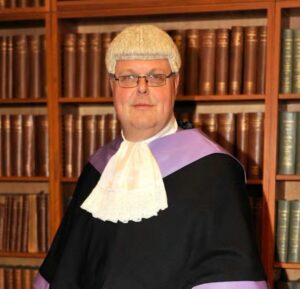
The current Chief Magistrate of England and Wales is Senior District Judge Paul Goldspring.

The current Deputy Chief Magistrate of England and Wales is Senior Deputy District Judge Tanweer Ikram CBE.

The position of Chief Magistrate, often laden with authority and responsibility, embodies the essence of governance, justice, and leadership within a jurisdiction.

The Chief Magistrate is responsible for:

  • hearing many of the most sensitive or complex cases in the magistrates’ courts and in particular extradition and special jurisdiction cases.
  • supporting and guiding district judge (magistrates’ court) colleagues.
  • liaising with the senior judiciary and Presiding Judges on matters relating to magistrates’ courts and district judges (magistrates’ courts).

The Chief Magistrate’s Office is also responsible for arranging sittings of Deputy DJMCs across England and Wales, and managing the hearings of disciplinary adjudications in prisons. Where a disciplinary offence by a prisoner merits additional days of imprisonment, full-time district judges are deployed to prisons to hear the cases. Requests come from prisons throughout the country – a list of cases is then built up, and when a sufficient number of cases has been generated, a judge attends the prison to hear them.

Chief Magistrate Courts and Tribunal Judiciary

Deputy Chief Magistrate of England and Wales Controvesy

Three women convicted of terror offence for ‘celebrating’ Hamas attack on Israel by displaying images of paragliders at pro-Palestinian march were spared jail as the Deputy Chief Magistrate of England and Wales, Senior Deputy District Judge Tanweer Ikram CBE says he ‘decided not to punish’ them after ’emotions ran very high’.

For this offence, Section 13(1) of the Terrorism Act 2000 allows for :-

(a)imprisonment for a term not exceeding six months,
(b)a fine not exceeding level 5 on the standard scale, or
(c)both.

Why did the Deputy Chief Magistrate “let them off” so lightly ?

On the 11th June 2024 Deputy Senior District Judge Tanweer Ikram CBE was issued with a formal warning for misconduct by the JCIO.

The Deputy Chief Magistrate of England and Wales inadvertent ‘liking’ of a post had resulted in a perception of bias. The Lord Chancellor and the Lady Chief Justice were not satisfied that a sanction of formal advice was sufficient in this case as he had caused “significant reputational damage to the judiciary”.

A row has broken out after a judge who decided to let three women wearing parachute images at a pro-Palestine march walk free admitted to liking a social media post branding Israel a ‘terrorist’.

Tanweer Ikram is facing calls to be investigated for a conflict of interest after he liked a LinkedIn post calling for a ‘free Palestine ‘ by a barrister who had previously promoted conspiracy theories claiming that Israel allowed the October 7 attack.

The senior district judge admitted to liking the post ‘by mistake’ three weeks ago, but was told by the Judicial Office that the matter would not be investigated further.

Daily Mail – Senior Deputy District Judge Tanweer Ikram

History of the Chief Magistrate

From ancient times to modern democracies, the chief magistrate has played a pivotal role in upholding the rule of law, ensuring the administration of justice, and maintaining social order.

Historically, the term “magistrate” finds its roots in ancient Rome, where magistrates held considerable power in the Roman Republic.

They were responsible for the administration of justice, overseeing public ceremonies, and enforcing laws. The chief magistrate, known as the “consul,” was the highest-ranking official elected to lead the republic for a term of one year. Their authority was balanced by the Senate and other governmental bodies, reflecting a system of checks and balances.

When the first Chief Magistrate began sitting at Bow Street in 1735, the title wasn’t confusing at all – at the time, magistrates in London were paid judicial office-holders, and magistrates’ courts in London were presided over by Metropolitan Stipendiary Magistrates.  All magistrates – paid and unpaid – are Justices of the Peace. Nowadays the word magistrate is more commonly used for the unpaid judicial office holders, also commonly known as JPs.

Early holders of the post also had responsibility for the Bow Street Runners, until they were replaced by the Metropolitan Police in the 19th century.

Chief Magistrate’s Office

The Chief Magistrate’s Office provides administrative support both to the Chief Magistrate and to district judges sitting at all the magistrates’ courts in England and Wales.

The Chief Magistrate’s Office is based at:

181 Marylebone Road
London
NW1 5BR

DX 120551, Marylebone 9

Email addresses:

Chief Magistrates’ Office enquiries mailbox: [email protected]

Judicial Deployment mailbox: [email protected]

Independent Adjudication mailbox : [email protected]

Chief Magistrate’s Office
ContactPosition
Paul GoldspringSenior District Judge (Chief Magistrate)
Tanweer Ikram CBEDeputy Senior District Judge (Deputy Chief Magistrate)
Stephen SmithPA and Business Support to the Senior District (Chief Magistrate) and Deputy Senior District (Chief Magistrate)
Claire-Louise ManningLegal Adviser and Researcher for the Chief Magistrate
Rahat SiddiqiDelivery Manager
Khalilur RahmanAdmin officer – Deployment Section
Jabir AhmedAdmin officer – Deployment Section
Karen JenningsTeam Leader – Prison Section
Karolina ZukauskaiteAdmin officer – Prison Section
Gold Fax 01264 887 396
Contacts at the Chief Magistrates Office

Check out our related articles on Judiciary, Complain About a Magistrate, Dodgy Magistrates, Rule of Law, Open Justice, Is the Law Black and White ?, Abuse of Process, What Does Lady Justice Symbolise ?, McKenzie Friend, Law Society, Law Commission, McKenzie Friend Right of Audience, Solicitors, Solicitors Regulation Authority, Barristers, Bar Council of England and Wales, Bar Standards Board, R v Sussex Justices, Police Impartiality and the highly questionable Sussex Family Justice Board.


The Ministry of Injustice is not the Ministry of Justice nor is it affiliated in any way with the justice system, legal profession, police or any other law enforcement agencies.


Latest Articles


Most Popular


You should always seek formal legal advice from a qualified and reputable lawyer (solicitor or barrister).

There are a number of links to Free and Paid For Legal Resources and Legal Organisations on the Free Legal Advice , Legal Aid and Pro Bono pages.

Categories
Judiciary Legal Professionals

Dodgy Judges

Here are a few examples of dodgy judges of England and Wales, otherwise known as rogue judges, that have been dismissed, disciplined, resigned or just been badly behaved. Some judges even managed to get criminal convictions.

“Publicity is the very soul of justice. . . . It keeps the judge himself, while trying, under trial….Where there is no publicity there is no justice”

Jeremy BenthamMr Justice Cobb: ‘Justice must be seen to be done’

The three key values which are central to the role of judicial office holders (JOHs) in England and Wales are:
• Independence
• Impartiality
• Integrity

HHJ Helen Lusty

Someone sent a little legal valentines love by post ❤️ Is HHJ Helen Lusty corrupt ? Sussex Family Justice Board ?

In my opinion, these judges are almost as questionable as His Honour Judge Melbourne Inman KC, Mr Justice Williams, Sussex Family Justice Board and the Sussex judges HHJ Farquhar, HHJ Bedford and HHJ Lusty !

  1. Judge Constance Briscoe was dismissed from the judiciary in 2014 after being found guilty of perverting the course of justice. She was sentenced to 16 months in prison for lying to the police during an investigation into former cabinet minister Chris Huhne’s speeding points.

Reference: https://www.bbc.co.uk/news/uk-28675376

  1. Judge Peter Smith resigned in 2016 after the JCIO began investigating Smith’s conduct in July 2015 about a matter involving British Airways and his luggage.

Reference : https://www.lawgazette.co.uk/law/conduct-probe-into-high-court-judge-ends-with-retirement/5063448.article

  1. Judge Beatrice Bolton. The Crown Court judge who was convicted of failing to control a dangerous dog will face no further disciplinary action after she handed in her resignation..

Reference : https://www.chroniclelive.co.uk/news/north-east-news/judge-beatrice-bolton-quits-after-1340889

4. Judge Heather Perrin was dismissed from the judiciary in 2012 after being found guilty of professional misconduct for deceiving a client in a property deal.

Reference: https://www.bbc.co.uk/news/world-europe-20525832

5.  Deputy Senior District Judge Tanweer Ikram CBE was issued with a formal warning for misconduct by the JCIO.

The Deputy Chief Magistrate of England and Wales inadvertent ‘liking’ of a post had resulted in a perception of bias. The Lord Chancellor and the Lady Chief Justice were not satisfied that a sanction of formal advice was sufficient in this case as he had caused “significant reputational damage to the judiciary”.

JCIO Disciplinary Statements 2026/2027

JCIO Disciplinary Statements 2025/2026

JCIO Disciplinary Statements 2024/2025

JCIO Disciplinary Statements 2023/2024

JCIO Disciplinary Statements are published by year on the JCIO website

A statement will normally be published when a disciplinary sanction has been issued to a judicial office-holder for misconduct.

The Lord Chief Justice and Lord Chancellor may decide jointly to:

  • issue a statement in any case;
  • decline to issue a statement in any case;
  • delete a statement prior to the expiration of the relevant publication period.

Publication Periods

Statements published before 22 August 2022

Statements about cases which resulted in a sanction below removal from office will be deleted after one year. Statements about cases which resulted in removal from office will be deleted after five years.

Statements published from 22 August 2022

The following publication periods apply to statements published from 22 August 2022. Following the outcome of the 2020-22 review of the disciplinary system, statements now contain more detail. The JCIO privacy notice has been updated to reflect this change.

Sanction ImposedPublication Period
Formal AdviceTwo Years
Formal WarningFour Years
ReprimandSix Years
Removal from Office (except for failure to meet minimum sitting requirements)Indefinite
Removal from Office for failure to meet minimum sitting requirementsFive years
JCIO Sanctions and Publication Period

Requesting a Copy of a Deleted Statement

A copy of any statement which has been deleted following expiration of its publication period can be requested by emailing: [email protected]

Requesters must state the name of the office-holder. It will also help to locate statements if requesters give as much information as possible about the nature of the conduct for which the office-holder received a disciplinary sanction, and the year in which they believe the statement was published.

JCIO aims to reply to all requests for deleted statements within 10 working days.

Disciplinary Statements – JCIO

These example only represent a small fraction of judicial misconduct cases in the UK. These cases demonstrate the importance of judicial ethics and the need for accountability within the justice system.

The importance of maintaining high ethical standards in the UK judiciary cannot be overstated, and the consequences that judges may face if they engage in misconduct.

While it is important to hold judges accountable for their actions, instances of judges being dismissed for misconduct are relatively rare.

It is worth noting that the vast majority of judges in the UK are ethical and diligent in carrying out their duties. When instances of misconduct do occur, they are usually dealt with through disciplinary proceedings or other forms of corrective action.

Complain about a judge to the JCIO ?

The Judicial Conduct Investigations Office (JCIO) are an independent office which supports the Lord Chancellor and Lord Chief Justice in considering complaints about the personal conduct of judicial office holders.

JCIO Complaint

Here is the complaint I made to the JCIO in November 2020 against DDJ Mills (Deputy District Judge Mills) that was unfortunately dismissed.

a) Was “rude and condescending” and spelt out his name M-I-L-L-S, he:
• “Appeared to have superiority complex by the language used”. He spelt out his name in “an incredibly patronising way”.
• Stated, “I suggest you continue your studies in English Law Mr Watts as you appear to know nothing“.

Amnesia ?

DDJ Mills and Miss Eleanor Harriet Battie of 1 Crown Office Reach (1COR) both appear to have suffered from amnesia. Deputy District Judge Chris Mills continues to sit (fee paid) and inflict himself on the public.

Fortunately for both of them the Court failed in its legal duty to record the hearing. How convenient ! Hearings at the Crown Court and at civil and family courts are always recorded.

“Having searched all the BT Meet Me recordings for the 1st of October it is unfortunate that I have to advise you that there must have been a technical glitch on that day and your hearing was not recorded.

Brighton County and Family Courts Court Clerk and Court Usher manager

“a particular burden on the court and herself, as an officer of the court, to ensure that everyone involved understood clearly what was being said.”

Eleanor Battie Barrister JCIO

This statement is clearly untrue and misleading

“In the UK, barristers are not officers of the court unlike solicitors”.

It is possible that the JCIO misquoted Miss Battie, but as a barrister Eleanor Battie is bound by the Bar Standards Board (BSB) rules and code of conduct. Ms Battie, I believe, had a duty to immediately apologise for misleading the JCIO and to correct the record. I do not believe that this ever happened.

In my opinion, this is shameful behaviour or legal ignorance by the barrister Eleanor Battie and no doubt in breach of the Bar Standards Handbook 4.8

Check out the articles on Judges Salaries and Fees, Lady Chief Justice, Mr Justice Williams, His Honour Now His Dishonour, His Honour Judge Michael Slater, His Honour Judge Martin Davis, His Honour Judge Guy Kearl, Can you Criticise a Judge, Can you Email a Judge ? and the highly dubious Sussex Family Justice Board.

His Honour Judge Melbourne Inman KC on X !

Fair dealing for criticism, review or quotation is allowed for any type of copyright work. All sources acknowledged. Article updated 16th April 2025 to update latest JCIO Disciplinary Statements.


The Ministry of Injustice is not the Ministry of Justice nor is it affiliated in any way with the justice system, legal profession, police or any other law enforcement agencies.


Latest Articles


Most Popular


You should always seek formal legal advice from a qualified and reputable lawyer (solicitor or barrister).

There are a number of links to Free and Paid For Legal Resources and Legal Organisations on the Free Legal Advice , Legal Aid and Pro Bono pages.
Categories
Legal Analysis

Solicitors from Hell

Solicitors from Hell (www.solicitorsfromhell.co.uk) was a website that gained notoriety for allowing users to post negative reviews and complaints about solicitors and legal professionals.

Created by Rick Kordowski, the site became a platform for airing grievances and sharing experiences related to legal services. However, it also faced legal challenges due to its controversial content.

Mr. Justice Tugendhat ordered the immediate removal of the entire Solicitors from Hell website in November 2011, but it is still available on the Wayback Machine from the Internet Archive.

The Internet Archive (archive.org) is believed to be hosted outside of England and Wales and is therefore not subject to the injunction.

It should be noted – What happens on the internet stays on the internet forever !

The last version of the Solicitors from Hell (www.solicitorsfromhell.co.uk) website was captured by the Internet Archive on the 12th November 2011.

https://solicitorsfromhell.co.uk now leads to a blank WordPress site.

Please Note : This article is for educational purposes and contains information freely available on the Internet. Solicitors are regularly named or shamed on the Internet.

Background and Purpose of the Website

  • The Solicitors from Hell website was established in 2005. It allowed individuals to anonymously share their experiences with specific solicitors and law firms.
  • Contributors were required to pay a fee (ranging from £1 to £100) based on the prominence of their posting.
  • The website also charged solicitors a £299 “administration fee” to have their names removed from the site.
  • The website aimed to expose wrongdoing and “blacklist” firms and solicitors to avoid.

The Website’s Impact

The Solicitors From Hell website allowed users to anonymously share their experiences with specific solicitors and law firms. While some saw it as a valuable resource for holding legal professionals accountable, others criticized it for its lack of verification and potential for defamation.

  • Being included on a website purporting to list “solicitors from hell” was considered defamatory in itself.
  • The website caused serious damage to the reputations of solicitors, firms, and others listed, resulting in loss, embarrassment, anxiety, and distress.
  • By publishing and republishing such material, the website operator knowingly harassed those listed, as the information was widely disseminated via search engines.

Legal Battles

  1. High Court Victory for Rick Kordowski
    • Rick Kordowski, the founder of Solicitors From Hell, faced numerous lawsuits related to the website. In most cases, he lost.
    • Rick Kordowski was sued 18 times in relation to the Solicitors from Hell website he founded.
    • However, there was one unexpected victory.
    • In December 2014, Mr. Kordowski successfully applied to set aside a judgment in default and an injunction imposed on him by Mr. Justice Stuart-Smith. Representing himself, he argued that he had nothing to do with the construction and publication of certain websites, including a Solicitors From Hell successor referred to as XYZ.net.
    • Although it was “highly improbable” that Mr. Kordowski had no involvement with XYZ.net, the judge acknowledged that his arguments could succeed. The court concluded that he had a “real prospect of successfully defending the claim”.
  2. Interim Injunctions Against the Website Owner
    • In October 2010, a second High Court judge issued an interim injunction banning Rick Kordowski from publishing or republishing defamatory material about a lawyer from a London firm. This was the second time in less than a month that a court had issued such an order against him.
  3. Defamatory Statements and Damages
    • A law firm, described as “shameless, corrupt, fraudulent, dishonest, unethical, incompetent, and oppressive,” sued the operators of a spin-off of the Solicitors From Hell website. The judge ruled that the comments made were defamatory, and damages were awarded.
  4. Class Action Lawsuit
    • Brett Wilson LLP brought a claim on behalf of the Law Society, Hine Solicitors, and Kevin McGrath against Rick Kordowski. The lawsuit aimed to address the impact of the Solicitors From Hell website on legal professionals.
    • Mr. Justice Tugendhat handed down a judgment in a claim brought by Brett Wilson LLP on behalf of the Law Society, Hine Solicitors, and Kevin McGrath against Rick Kordowski, the operator and publisher of the Solicitors from Hell website.
    • Mr. Justice Tugendhat ordered the immediate removal of the entire Solicitors from Hell website.
    • An injunction granted on November 2, 2011, preventing the defendant from transferring data related to the website, continued.
    • Further orders prohibited the defendant from publishing or establishing similar websites inviting negative comments about legal professionals, where such comments could lead to harassment or unlawful processing of personal data.

The class action highlighted the delicate balance between freedom of expression and the potential harm caused by unverified online content related to legal professionals.

The Solicitors From Hell website stirred controversy and legal battles, highlighting the delicate balance between freedom of expression and the potential harm caused by unverified online content. While it provided an outlet for grievances, it also faced criticism for its lack of accountability.

  • Do you think solicitors and other legal professionals should be held to account ?
  • Was the Solicitors From Hell website published in the public interest ?
  • Would the legal profession succeed, in the Courts in 2024, to stifle legitimate criticism and concerns ?
  • Was your solicitor or legal professional ever listed on Solicitors From Hell ?

Check out our articles on Solicitors, Mayo Wynne Baxter Solicitors, Solicitors Regulation Authority (SRA), Solicitors Disciplinary Tribunal (SDT), Barristers, Direct Access Barristers, Bar Standards Board, Bar Council, Law Society, Legal Services Board, Rule of Law and the highly questionable Sussex Family Justice Board.


The Ministry of Injustice is not the Ministry of Justice nor is it affiliated in any way with the justice system, legal profession, police or any other law enforcement agencies.


Latest Articles


Most Popular


You should always seek formal legal advice from a qualified and reputable lawyer (solicitor or barrister).

There are a number of links to Free and Paid For Legal Resources and Legal Organisations on the Free Legal Advice , Legal Aid and Pro Bono pages.
Categories
Family Law Law

Sussex Family Justice Board

  • Is the Sussex Family Justice Board membership biased in favour of the 1 Crown Office Row barristers chambers based in Brighton Sussex ?
  • How are Judicial Observers selected as this appears unduly biased towards members of the Brighton judiciary ?
  • Why were these judges listed as board members as this is clearly incompatible with the independent position of the judiciary ?
    • Mr Justice Williams – Former Family Division Liaison Judge for the South Eastern Circuit (Kent, Surrey, Sussex & Thames Valley) 
    • HHJ Bedford – Designated Family Judge for Sussex
    • HHJ Farquhar – Lead Judge of the Kent, Surrey & Sussex Financial Remedies Court (FRC)
    • HHJ Lusty – Family Judge
    • DJ Pollard – Family Judge
  • Who are the Sussex Family Justice Board accountable to ?
  • A treasurer is listed as a board member. Where does the money come from and where are the accounts ?
  • Does the Sussex Family Justice Board website comply with UK law ?
  • What is the Cafcass involvement with the Sussex Family Justice Board ?
  • Is “Justice” being done in secret by the Sussex Family Justice Board ?
  • Are there any grounds for suspicion that there has been an improper interference with the course of justice by the Sussex Family Justice Board ? R v Sussex Justices, Ex parte McCarthy [1924] 1 KB 256

There are significant concerns of bias, secrecy and judicial independence, which relate to the operation of the Sussex Family Justice Board.

‘Family justice boards and the like everywhere now panicking as they finally realise what happens on the internet stays on the internet forever!’

Twitter and the Sussex Family Justice Board

Update 21st March 2023 : Sir Andrew McFarlane who is the President of the Family Division [email protected] has been contacted for his response.

Update 3rd April 2023 : HHJ Farquhar denies he has ever been a member of the Sussex Family Justice Board despite clear evidence that shows he has been a member of the SFJB for at least 5 years.

Update 24th April 2023 : HHJ Farquhar, HHJ Lusty and DJ Pollard have mysteriously vanished from the list of board members published on the Sussex Family Justice Board website.

A large number of pages and links have also been removed from the SFJB website. This is believed to have happened on the 18th April 2023 at 20:37.

Is this a cynical attempt at a cover up ? Who removed them and why ?

Update 5th June 2024 : The Sussex Family Justice Board website is offline. Has this highly dubious family justice cartel in Sussex finally been shut down for good by the Ministry of Injustice ?

Were the Lady Chief Justice, Lord Chancellor or President of the Family Division involved in its demise ? I wonder what the Treasurer did with the money ?

Update 28th June 2024: The Sussex Family Justice Board website is back online.

SFJB-List-of-Members.docx dated September 2018 was found in the Google cache and clearly shows that HHJ Bedford, HHJ Farquhar and DJ Pollard were board members.

Update 9th June 2023FOI request sent to Ministry of Justice

Update 18th June 2023 – All Sussex Judges and One High Court Judge have now vanished from the SFJB website.

Update 3rd July 2023 – Complaint filed.

Update 4th July 2023Ministry of Justice response to FOI request about Sussex Family Justice Board

  • The MoJ is not responsible for the Sussex Family Justice Board. 
  • The MoJ does not fund the Sussex Family Justice Board. 
  • The MoJ does not audit the Sussex Family Justice Board. 
  • The MoJ does not have a Terms of Reference document for the Sussex Family 
    Justice Board. 
  • The MoJ are not the correct authority to ask about this matter. Anything published regarding local roles, responsibilities and processes are locally determined and published by the relevant Local Family Justice Board(s). You may wish to contact Sussex Family Justice Board. Information on how to contact them can be found at: https://www.sussexfamilyjusticeboard.org.uk/
  • To advise and assist you, please note that Local Family Justice Boards are not public authorities under the Freedom of Information Act (FOIA). They are not named 
    in schedule 1 of FOIA or in an order of the Secretary of State, and are not a wholly owned company, so do not meet the definition under section 3 of FOIA and thus are not subject to Freedom of Information Requests.   
230609011 – FReedom of Information Request (FOI) Ministry of Justice

Update 7th August 2023 – The Sussex Family Justice Board website is now in maintenance mode (since 27th July 2023). Has the family justice cartel in Sussex finally been shut down for good ??

Sussex Family Justice Board (SFJB) RSS Feed XML <lastBuildDate>Thu, 27 Jul 2023 13:04:32 +0000</lastBuildDate>

Update 14th August 2023 – The Sussex Family Justice Board website is now partially back up as of 14th August 12:26. There are now 11 pages in total according to the SFJB XML Sitemap. Notably a Privacy policy is still missing !

*PLEASE NOTE THIS WEBSITE IS CURRENTLY UNDERGOING IMPORTANT UPDATES*

The Sussex Family Justice Board is a subsidiary of the National Family Justice Board and works collaboratively to improve the performance and efficiency of the local family justice system.

Please note that this website is up to date as at June 2023; it will be reviewed periodically by members of the Sussex Family Justice Board but we cannot guarantee that it is up-to-date at the time of reading.

Sussex Family Justice Board 14th August 2023

Four Sussex judges are now listed as observers and the board has a number of new members including 1-6 Crown Office Row ! Is HHJ Farquhar aware that he is now an observer ?

Sussex Family Justice Board Observers 14th August 2023
sussex family justce board rss feed 14th august 2023
Sussex Family Justice Board (SFJB) RSS Feed XML Mon, 14 Aug 2023 12:26:42 +0000

The National sponsor of the SFJB is listed as Tom Glynn Policy Unit Ministry of Justice. What is the real involvement of the MoJ in the SFJB ?

Fortunately, a copy of the Sussex Family Justice Board website was legally taken on the 19th March 2023 using HTTrack software and is safely and securely stored by the MOI as evidence.

A Google Search on the 3rd April 2023 returned the following :-

Google Search 3rd April 2023

A Bing Search on the 3rd April 2023 returned the following :-

Bing Search 3rd April 2023

The Sussex Family Justice Board website showed :-

Sussex Family Justice Board Members 3rd April 2023
Sussex Family Justice Board Judicial Board Members 3rd April 2023

The Sussex Family Justice Board website, according to their public RSS Feed, was updated on the 18th April 2023 at 20:37.

Sussex Family Justice Board (SFJB) RSS Feed XML <lastBuildDate>Tue, 18 Apr 2023 20:37:32 +0000</lastBuildDate>

HHJ Farquhar, HHJ Lusty and DJ Pollard have mysteriously been removed as board members.

Sussex Family Justice Board Judicial Board Members as of 22nd April 2023

The Sussex Family Justice Board website, according to their public RSS Feed, was yet again updated on the 18th June 2023 at 18:16:58. No judges are now listed as board members. It is assumed that all judges were removed as board members on this date.

Is this another cynical attempt at a cover up ? Who removed them and why ?

Sussex Family Justice Board (SFJB) RSS Feed XML <lastBuildDate>Tue, 18 June 2023 18:16:58 +0000</lastBuildDate>
SFJB-List-of-Members.docx dated September 2018

The open justice principle “that justice must be seen to be done as well as done” is a fundamental principle of the UK legal system.

“…there is a significant and important public interest in our society having and maintaining confidence in the work of the Family Court. Conversely, a largely closed system, where the public are given no account of how the court operates, leads to accusations that this is ‘secret’ justice and that the approach of the court is unsound, unfair or downright wrong….”

Sir Andrew McFarlane – President of the Family Division in his document Confidence and Confidentiality: Transparency in the Family Courts published 28th October 2021

The Guide to Judicial Conduct – Revised March 2018 (Updated September 2020) is clear about bias, in particular :-

“They should also bear in mind that too close a social relationship with a practitioner who is regularly involved in litigation before the officeholder’s court may create a perception of bias.”

Contact with the Legal Profession – The Guide to Judicial Conduct

It is extremely perverse and worrying that a board that supposedly promotes justice has a website that does not comply with UK law.

Multiple requests for information using the Sussex Family Justice Board Contact Us page have not resulted in any response.

A Freedom of Information (FOI) Request Information about the Sussex Family Justice Board (LFJB) was therefore made on the 17th March 2023 on WhatDoTheyKnow ?

Dear Sussex Local Family Justice Board,

Do you have a Terms of Reference document for the Sussex Family Justice Board similar to the Family Justice Board?

gov.uk Family Justice Board

Do you publish minutes and if so where ?

How are members of the Sussex Family Justice Board selected or elected ?

How does the Sussex Family Justice Board ensure there is no bias in the selection or election of board members ?

Do you have an updated members list as the list published and dated November 2020 appears out of date ?

Sussex Family Justice Board

Do 1 Crown Office Row (1COR) still sponsor the Sussex Family Justice Board website ?

1COR sponsor Sussex Family Justice Board

Who is legally responsible for the Sussex Family Justice Board website as this does appear to comply with UK law ?

How are the Judicial Observers selected as this appears biased towards the Brighton judiciary ?

How is the Sussex Family Justice Board funded ?

Do the Sussex Family Justice Board publish accounts and if so where ?

Are roles and responsibilities of the board and other policy documents published and if so where ?

Is the Sussex Family Justice Board audited by the Ministry of Justice or any other government or independent bodies ?

Please provide all relevant documents.

Yours faithfully,

Rev Dominic Watts

Ministry of Injustice
https://ministryofinjustice.co.uk

Information about the Sussex Family Justice Board (LFJB)

The Family Justice Board is the primary forum for setting direction for the family justice system and overseeing performance.

“The judge is not a member of the board as to be so would be incompatible with the independent position of the judiciary.”

Judiciary and the local justice system

Check out our articles on Sussex PoliceChief Constable Jo Shiner Sussex Police, HHJ FarquharHHJ Bedford and Fraud in the Justice System.

Read the reviews of Gavin Howe Barrister

“He is awful, underhanded and should not be practising law!”

“Family justice boards” and the like everywhere now panicking as they finally realise what happens on the internet stays on the internet forever!

Twitter
10:39 PM · Mar 18, 2023 14.9K Views
32.6K Views
14.7K Views

Check out our related articles on Rule of Law, Open Justice, Is the Law Black and White ?, Family Justice Board, Civil Justice Council, Youth Justice Board, Abuse of Process, What Does Lady Justice Symbolise ?, McKenzie Friend, Wasted Costs Order, Can a Judge Direct a Jury to Find a Defendant Not Guilty ?, Law Society, Law Commission, McKenzie Friend Right of Audience, Solicitors, Solicitors Regulation Authority, Barristers, Bar Council of England and Wales, Bar Standards Board, Contra Mundum, R v Sussex Justices and Police Impartiality .


The Ministry of Injustice is not the Ministry of Justice nor is it affiliated in any way with the justice system, legal profession, police or any other law enforcement agencies.


Latest Articles


Most Popular


You should always seek formal legal advice from a qualified and reputable lawyer (solicitor or barrister).

There are a number of links to Free and Paid For Legal Resources and Legal Organisations on the Free Legal Advice , Legal Aid and Pro Bono pages.

Categories
Law Legal Analysis

R v Sussex Justices

“It is not merely of some importance but is of fundamental importance that justice should not only be done, but should manifestly and undoubtedly be seen to be done”

Lord Hewart

In the case of R v Sussex Justices, Ex parte McCarthy [1924] 1 KB 256, Mr. McCarthy was convicted of dangerous driving by two justices of the peace sitting in petty sessions.

It later emerged that one of the justices had a personal interest in the outcome of the case, as he was the chairman of the local road transport committee and was therefore responsible for road safety in the area.

This raised concerns of bias, as the justice’s involvement in road safety could have influenced his decision-making in the case.

Mr. McCarthy sought to have his conviction quashed on the grounds of bias, and the case eventually reached the King’s Bench Division of the High Court of Justice.

In his judgment made almost 100 years ago, Lord Chief Justice Hewart established the principle that :-

It is not merely of some importance, but is of fundamental importance that justice should not only be done, but should manifestly and undoubtedly be seen to be done.

Lord Hewart

This principle became known as the rule against bias, and it established that justice must not only be impartial, but must also be seen to be impartial.

In other words, a decision-maker must be free from any personal interest or bias that could affect their judgment, and the appearance of impartiality is just as important as the reality of impartiality.

Nothing is to be done that creates even a suspicion that there has been an improper interference with the course of justice.

Lord Hewart

The significance of the Rex (The King) v Sussex Justices case lies in its establishment of the principle of natural justice and the rule against bias.

The case set an important precedent for future cases, and it remains a cornerstone of the UK legal system to this day.

The case also highlighted the importance of procedural fairness and transparency in the legal system, which ensures that justice is not only done, but is also seen to be done.

COMMON LAWS OF ENGLAND – THE KING v. SUSSEX JUSTICES Ex parte McCARTHY

November 9 1923 [1924] – KINGS BENCH DIVISION

Justices – Possibility of Bias – Justices’ Clerk interested professionally in Civil Proceedings arising out of Subject Matter of Complaint.

Arising out of a collision between a motor vehicle belonging to the applicant and one belonging to W., a summons was taken out by the police against the applicant for having driven his motor vehicle in a manner dangerous to the public. At the hearing of the summons the acting clerk to the justices was a member of the firm of solicitors who were acting for W. in a claim for damages against the applicant for injuries received in the collision. At the conclusion of the evidence the justices retired to consider their decision, the acting clerk retiring with them in case they should desire to be advised on any point of law. The justices convicted the applicant, and it was stated on affidavit that they came to that conclusion without consulting the acting clerk, who in fact abstained from referring to the case:-

  Held: the the conviction must be quashed, as it was improper for the acting clerk, having regard to his firm’s relation to the case, to be present with the justices when they were considering their decision.

RULE NISI for a writ of certiorari to bring up, for the purpose of being quashed, a conviction of McCarthy, the applicant for the rule, for having driven a motor car on a certain highway in a manner which was dangerous to the public, having regard to all the circumstances of the case.

On August 22, 1923, a collision took place between a motor cycle driven by the applicant and a motor cycle and side-car driven by one Whitworth, and it was alleged that the latter and his wife sustained injuries in the collision. In respect of those injuries Messrs. Langham, Son & Douglas, solicitors, Hastings, by a letter dated August 28, 1923, made a claim on behalf of Whitworth against the applicant for damages, and the police, after making inquiries into the circumstances of the collision, applied for and obtained a summons against the applicant for driving his motor cycle in a manner dangerous to the public.

At the hearing of that summons on September 22, 1923, the applicant’s solicitor, who stated in his affidavit that he had no knowledge of the officials of the court, inquired whether Mr. F. G. Langham, the clerk to the justices and a member of the said firm of Langham, Son & Douglas, was then sitting as a clerk, and was informed that he was not, but had been appointed a deputy for that day.

The case was then heard, and at the conclusion of the evidence the justices retired to consider their decision, the deputy clerk retiring with them. When the justices returned into the court they intimated that they had decided to convict the applicant, and they imposed a fine of 10 shillings and costs.

Thereupon the applicant’s solicitor brought to the notice of the justices the fact, of which he said he had only become aware when the justices retired, that the deputy clerk was a brother of Mr. F, G. Langham, Son & Douglas, and so was interested as solicitor for Whitworth in the civil proceedings arising out of the collision in respect of which they had convicted the applicant.

The solicitor in his affidavit stated that had he known the above facts he would have taken the objection before the case began. This rule was thereafter obtained on the ground that it was irregular for the deputy clerk in the circumstances to retire with the justices when considering their decision.

In their affidavit the justices stated that the clerk to the justices, Mr F. G. Langham, was on holiday at the date of the hearing and had no knowledge of the proceeding, that in his absence his brother and partner Mr F. G. Langham acted as his deputy, that no formal objection was taken to the latter acting, that at the conclusion of the evidence the justices retired, the deputy clerk retiring with them in the usual way, taking with him the notes of the evidence in case they should be required, or in case the justices should desire to be advised upon any point of law, that in fact the justices came to their decision to convict the applicant without consulting the deputy clerk, who scrupulously abstained from referring to the case, and that the justices were not in any way biased by the fact that a member of the deputy clerk’s firm had written the said letter before action.

The justices added that it appeared to them that the applicant’s solicitor must have had knowledge of the deputy clerk’s connection with the firm of Langham, Son & Douglas, and that he waived any formal objection; and that is a formal objection has been taken at the commencement of the proceedings the justices would have followed their usual course in such circumstances by adjourning the hearing and requesting the clerk to arrange with one of his colleagues from a neighbouring division to act at the adjourned hearing.

Russell Davies for the justices showed cause. However undesirable it may have been in the circumstances for the deputy clerk to retire with the justices when they were considering their decision, the fact that he did so does not invalidate the conviction, seeing that he took no part in the justices’ deliberations.

[LORD HEWART C.J. In a recent unreported case,* this Court quashed a conviction where the chief constable, who was then prosecuting, retired with the justices]

There it was not the duty of the chief constable to retire with the justices; here it was the duty of the deputy clerk to do so in case the justices should desire to consult him upon any point of law. If, however, there was any irregularity in the proceedings, the applicant, through his solicitor; must be taken to have waived it.

*[He referred to Regina v Brakenridge (1) (1884) 48 J.P. 203]

W. T. Moncton for the superintendent of police, who had been served with the rule. H. D. Samuels in support of the rule was not called upon.

LORD HEWART C.J. stated the grounds of the rule and continued: It is clear that the deputy clerk was a member of the firm of solicitors engaged in the conduct of the proceedings for damages against the applicant in respect of the same collision as that which gave rise to the charge that the justices were considering. It is said, and, no doubt, truly, that when the gentleman retired in the usual way with the justices, taking with him the notes of the evidence in case the justices might desire to consult him, the justices came to a conclusion without consulting him, and that he scrupulously abstained from referring to the case in any way.

But while that is so, a long line of cases shows that it is not merely of some importance but is of fundamental importance that justice should not only be done, but should manifestly and undoubtedly be seen to be done.

The question therefore is not whether in this case the deputy clerk made an observation of offered any criticism where he might not properly have made or offered; the question is whether he was so related to the case in its civil aspect as to be unfit to act as clerk to the justices in the criminal matter.

The answer to that question depends not upon what actually was done but upon what might appear to be done. Nothing is to be done that creates even a suspicion that there has been an improper interference with the course of justice.

Speaking for myself, I accept that statements contained in the justices’ affidavit, but they show very clearly that the deputy clerk was connected with the case in a capacity which made it right that he should scrupulously abstain from referring to the matter in any way, although he retired with the justices; in other words, his one position was such that he could not, if he had been required to do so, discharge the duties which his other position involved. His twofold position was a manifest contradiction.

In those circumstances I am satisfied that this conviction must be quashed, unless it can be shown that the applicant or his solicitor was aware of the point that might be taken, refrained from taking it, and took his chance of an acquittal on the facts, and then, on a conviction being recorded, decided to take the point. On the facts I am satisfied that being no waiver of the irregularity, and, that being so, the rule must be made absolute and the conviction quashed.

LUSH J. I agree. It must be clearly understood that if justices allow their clerk to be present at their consultation when either he of his firm is professionally engaged in those proceedings or in other proceedings involving the same subject matter, it is irrelevant to inquire whether the clerk did or did not give advice and influence the justices.

What is objectionable is his presence at the consultation, when he is in a position necessarily make in impossible for him to give absolutely impartial advice. I have no doubt that these justices did not intend to do anything irregular or wrong, but they have placed themselves in an impossible position by allowing the clerk in those circumstances to retire with them into their consultation room. The result, there being no waiver, is that the conviction must be quashed.

SANKEY J. I agree.

Rule absolute; conviction quashed.

Solicitors for the applicant: W. C. Crocker

Solicitors for justices: Pettitt & Ramsey, for Langham Son & Douglas, Hastings.

Solicitors for police superintendent: Taylor, Willcocks & Co., for Lawson Lewis, Eastbourne.

J.S.H.

Check out our related articles on Rule of Law, Open Justice, Is the Law Black and White ?, Lady Chief Justice, Lord Chancellor, What Does Lady Justice Symbolise ?, Can a Judge Direct a Jury to Find a Defendant Not Guilty ?, Law Society, Law Commission, Solicitors, Solicitors Regulation Authority, Barristers, Bar Council of England and Wales, Bar Standards Board, Contra Mundum, R v Sussex Justices, Police Impartiality and the highly questionable Sussex Family Justice Board.


The Ministry of Injustice is not the Ministry of Justice nor is it affiliated in any way with the justice system, legal profession, police or any other law enforcement agencies.


Latest Articles


Most Popular


You should always seek formal legal advice from a qualified and reputable lawyer (solicitor or barrister).

There are a number of links to Free and Paid For Legal Resources and Legal Organisations on the Free Legal Advice , Legal Aid and Pro Bono pages.

Categories
Legal Professionals

Solicitors Regulation Authority (SRA)

The Solicitors Regulation Authority (SRA) is the independent regulatory body responsible for overseeing and “policing” solicitors in England and Wales. Formed in January 2007 by the Legal Services Act 2007, the SRA operates independently of the Law Society, although it is formally an arm of the Law Society.

History

The SRA’s origins trace back to the Legal Services Act, which received Royal Assent on 30 October 2007. This landmark legislation ushered in significant opportunities for solicitors, allowing them to collaborate with non-lawyers and attract capital for their businesses within a carefully regulated environment. Prior to the SRA’s establishment, regulation of legal services followed a different framework, but the Act brought about radical changes in how legal services were overseen.

Powers and Responsibilities

The SRA wields substantial powers to regulate solicitors and maintain professional standards. Some of its key responsibilities include:

  1. Investigating Misconduct: The SRA has the authority to investigate allegations of misconduct by solicitors. This includes the power to require solicitors to explain their conduct, produce information, and submit relevant documents.
  2. Gathering Evidence: The SRA can compel solicitors and other relevant parties to provide information during investigations. Statutory provisions, such as Section 44B of the Solicitors Act 1974 and Section 93 of the Legal Services Act 2007, empower the SRA to gather evidence effectively.
  3. Regulatory Changes: The SRA aims to provide solicitors with clear, authoritative guidance on how the Legal Services Act impacts their practices. It facilitates opportunities for solicitors to collaborate with non-lawyers and access capital while ensuring compliance with regulations.

SRA Principles

The Solicitors Regulation Authority (SRA) 7 Principles represent the core ethical standards that are expected to be upheld by those who are regulated.

Should these Principles come into conflict, those which safeguard the wider public interest (such as the rule of law, and public confidence in a trustworthy solicitors’ profession and a safe and effective market for regulated legal services) take precedence over an individual client’s interests. They should, where relevant, inform their client of the circumstances in which their duty to the Court and other professional obligations will outweigh your duty to them.

You act:

  1. in a way that upholds the constitutional principle of the rule of law, and the proper administration of justice.
  2. in a way that upholds public trust and confidence in the solicitors’ profession and in legal services provided by authorised persons.
  3. with independence.
  4. with honesty.
  5. with integrity.
  6. in a way that encourages equality, diversity and inclusion.
  7. in the best interests of each client.
SRA 7 Principles

Standards and Regulations

The SRA sets out clear standards and regulations that solicitors must follow. These include ethical guidelines, professional conduct rules, and compliance requirements. By enforcing these standards, the SRA aims to maintain public trust in the legal profession.

SRA Code of Conduct for Solicitors, RELs and RFLs

SRA Code of Conduct for Firms

The SRA Code of Conduct for Solicitors, RELs and RFLs, describes the standards of professionalism that the SRA, and the public expect of individuals (solicitors, registered European lawyers and registered foreign lawyers) authorised by us to provide legal services.

Anti-Money Laundering (AML) Compliance

One critical area of focus for the SRA is anti-money laundering. Solicitors and law firms play a pivotal role in preventing money laundering and terrorist financing. The SRA provides guidance to legal professionals on identifying suspicious transactions, conducting due diligence, and reporting any concerns promptly.

The SRA Code of Conduct for Firms describes the standards and business controls that the SRA, and the public expect of firms (including sole practices) authorised by the SRA to provide legal services.

Choosing a Solicitor

When selecting a solicitor, individuals can use the SRA’s solicitors register to verify a solicitor’s credentials and track record. The register provides essential information about practicing solicitors, including their areas of expertise, qualifications, and any disciplinary history.

Reporting Concerns

If someone encounters issues with a solicitor’s conduct, they can report it to the SRA. Whether it’s unethical behaviour, negligence, or other concerns, the SRA investigates complaints and takes appropriate action when necessary.

Training and Qualification

Aspiring solicitors follow specific pathways to qualification. The SRA oversees the Solicitors Qualifying Examination (SQE), which assesses candidates’ legal knowledge and practical skills. Yearly reviews ensure that the SQE remains effective and relevant.

We recommend you should always seek formal legal advice if required, from a qualified and reputable lawyer (solicitor or barrister).

We have a number of links to Free Legal Resources and Legal Organisations on our Free Legal Advice , Legal Aid and Pro Bono pages.

Check out our articles on Solicitors, Mayo Wynne Baxter Solicitors, Solicitors Disciplinary Tribunal (SDT), Legal Ombudsman, Solicitors from Hell, Barristers, Direct Access Barristers, Bar Standards Board, Bar Council, Law Society, Legal Services Board, Rule of Law and the highly questionable Sussex Family Justice Board.


The Ministry of Injustice is not the Ministry of Justice nor is it affiliated in any way with the justice system, legal profession, police or any other law enforcement agencies.


Latest Articles


Most Popular


You should always seek formal legal advice from a qualified and reputable lawyer (solicitor or barrister).

There are a number of links to Free and Paid For Legal Resources and Legal Organisations on the Free Legal Advice , Legal Aid and Pro Bono pages.

Categories
Legal Analysis

What does Lady Justice Symbolise ?

Lady Justice, often depicted as a graceful figure holding a sword, scales, and sometimes wearing a blindfold, is an iconic symbol of the judicial system.

Her image evokes a sense of impartiality, fairness, and the pursuit of justice. Through the ages, Lady Justice has come to embody the ideals of a just society, representing the principles upon which legal systems are built.

In this article, we will explore the history, meaning, and significance of Lady Justice, focusing on the symbolism behind her scales, sword, and blindfold.

Historical Origins and Evolution

The origins of Lady Justice can be traced back to ancient Greek and Roman civilizations. In Greece, she was known as “Themis,” the daughter of Uranus (Heaven) and Gaia (Earth). Themis was the personification of divine law, order, and justice.

The Romans adopted this concept and named her “Justitia” – the goddess of Justice within Roman mythology. Over time, her imagery and symbolism evolved to what we now recognise as Lady Justice.

The Scales of Justice

One of the most prominent features of Lady Justice is the scales she holds in her hand. The scales symbolize the weighing of evidence and arguments in a court of law. They represent the need for a balanced and impartial consideration of facts and arguments before reaching a fair judgment. Lady Justice reminds us that justice must be meted out objectively, based on the merits of each case.

The Sword

Lady Justice also holds a sword. The sword represents the power and authority of the judiciary to enforce the law and protect society. It signifies the role of justice in upholding the rule of law and maintaining order. The sword reminds us that justice has the strength to cut through falsehoods, expose the truth, and hold accountable those who have violated the law.

The Blindfold

Lady Justice’s blindfold, if depicted, is a powerful symbol of impartiality and the fair application of the law. By covering her eyes, she demonstrates her commitment to judge each case solely on its merits, without bias or favouritism. The blindfold represents the ideal that justice should be blind to factors such as wealth, status, race, or gender. It ensures that all individuals, regardless of their background, are treated equally under the law.

It has been said that the addition of the blindfold in the 16th century was intended to show Lady Justice as blind to the injustice carried on before her.

The Fight Against Injustice

Lady Justice stands as a potent symbol in the ongoing struggle against injustice. Throughout history, societies have faced numerous instances of injustice, where the principles of fairness and equity have been disregarded. There have been many cases where the blindfold has been lifted, and justice has been influenced by prejudice, political pressure, or systemic biases.

Lady Justice serves as a constant reminder of the importance of upholding these principles and working towards a just society. She encourages us to fight against corruption, discrimination, and inequality, and to advocate for the rights of the marginalised and oppressed.

‘Injustice anywhere is a threat to justice everywhere’

Dr Martin Luther King, Jr

Lady Justice, with her scales, blindfold, and sword, represents the pillars of fairness, equity, and the pursuit of justice. Her image has evolved over time, reflecting the ideals of different civilizations.

Lady Justice serves as a constant reminder of the need for a balanced consideration of evidence, an unbiased application of the law, and the power of justice to combat injustice.

As society continues to strive for a just and equitable future, Lady Justice will remain an emblematic figure, inspiring us to fight for a world where fairness and equity prevail.

Check out our related articles on Rule of Law, Innocent until Proven GuiltyOpen Justice, R v Sussex Justices and the highly questionable Sussex Family Justice Board.


The Ministry of Injustice is not the Ministry of Justice nor is it affiliated in any way with the justice system, legal profession, police or any other law enforcement agencies.


Latest Articles


Most Popular


You should always seek formal legal advice from a qualified and reputable lawyer (solicitor or barrister).

There are a number of links to Free and Paid For Legal Resources and Legal Organisations on the Free Legal Advice , Legal Aid and Pro Bono pages.

Categories
Legal Professionals

What is the Legal Services Board ?

The Legal Services Board (LSB) is an independent regulatory body that oversees the legal services sector in England and Wales. Its role is multifaceted, encompassing standards-setting, approval, regulation of legal services providers, and consumer guidance. Here are the key aspects of the LSB:

  1. Purpose and Oversight:
  2. Reshaping Legal Services Strategy:
    • The LSB’s strategy aims to reshape legal services to better meet society’s needs.
    • It focuses on fair outcomes, confidence-building, and improved services.
    • The Reshaping Legal Services Conference 2024 explored these themes.
  3. Ethics, Transparency, and Diversity:
    • The LSB works on projects related to professional ethics, market transparency, and legal technology and innovation.
    • It promotes a diverse legal services sector accessible to all.

History and Role of the Legal Services Board

The primary mission of the Legal Services Board is to ensure the effective regulation of legal services, promoting transparency, fairness, and consumer protection.

  1. Background and Reforms:
    • The Legal Service Act 2007 aimed to modernize the legal sector by introducing independent oversight.
    • It designated professional representative bodies (such as the Bar Council and the Law Society) as approved regulators.
    • These regulators were required to delegate their regulatory functions to independent arms overseen by the LSB.
  2. Approved Regulators and Licensing Authorities:
    • The LSB directly regulates lawyers practicing in England and Wales through approved regulators.
    • Some of these regulators also serve as licensing authorities, granting licenses to alternative business structures (ABS) that provide reserved legal activities.
    • Let’s explore the approved regulators and their areas of regulation:
    • Solicitors:
      • Approved Regulator (AR): Law Society (representative body)
      • Independent Regulatory Body: Solicitors Regulation Authority (SRA)
      • Reserved Legal Activities Regulated:
        • Right of audience
        • Conduct of litigation
        • Reserved instrument activities
        • Probate activities
        • Administration of oaths
    • Barristers:
      • Approved Regulator (AR): Bar Council (representative body)
      • Independent Regulatory Body: Bar Standards Board (BSB)
      • Reserved Legal Activities Regulated (similar to solicitors)
    • Chartered Legal Executives:
      • Approved Regulator (AR): Chartered Institute of Legal Executives (CILEX) (representative body)
      • Independent Regulatory Body: CILEx Regulation
      • Reserved Legal Activities Regulated (similar to solicitors)
    • Licensed Conveyancers:
      • Approved Regulator (AR): Council for Licensed Conveyancers (CLC) (regulatory body, no representative functions)
      • Reserved Legal Activities Regulated (specific to conveyancing)
    • Patent Attorneys:
    • Trade Mark Attorneys:
  3. Oversight and Recommendations:
    • The LSB supervises the entire regulatory framework.
    • It oversees the Solicitors Disciplinary Tribunal and recommends amendments to the list of reserved legal activities.
    • The LSB also ensures the Office for Legal Complaints (which administers the Legal Ombudsman scheme) operates effectively.

For more detailed information, visit the Legal Services Board website.

Check out our articles on What is the Law ?, Rule of Law, Open Justice, Law Society, Law Commission and the highly questionable Sussex Family Justice Board.


The Ministry of Injustice is not the Ministry of Justice nor is it affiliated in any way with the justice system, legal profession, police or any other law enforcement agencies.


Latest Articles


Most Popular


You should always seek formal legal advice from a qualified and reputable lawyer (solicitor or barrister).

There are a number of links to Free and Paid For Legal Resources and Legal Organisations on the Free Legal Advice , Legal Aid and Pro Bono pages.

Categories
Legal Professionals

Direct Access Barrister

A Direct Access Barrister, also known as a Public Access Barrister, enables members of the public to directly instruct a qualified barrister without the need for an intermediary such as a solicitor. This scheme provides individuals and companies with a more accessible and cost-effective way to seek legal advice and representation.

The Direct Access Scheme

The Direct Access Scheme allows clients to bypass the traditional route of engaging a solicitor and directly engage a barrister. Here’s what you need to know:

  • Instructing an Authorised Barrister: Under this scheme, you can instruct an authorised barrister directly. These barristers are qualified and regulated by the Bar Standards Board (BSB).
  • Scope of Services: A direct access barrister can provide a range of legal services, including:
    • Expert legal advice on case merits and potential outcomes.
    • Assistance with drafting correspondence.
    • Drafting statements from litigants and witnesses.
    • Preparing formal court documents.
    • Advising on suitable experts and drafting instructions to expert witnesses.
    • Guidance on the next steps in legal proceedings.
    • Assistance in resolving your case.
    • Representation in court.
  • Limitations: Most direct access barristers do not conduct litigation. Therefore, the day-to-day management of your case remains your responsibility.

Eligibility and Legal Aid

Here are some important points regarding eligibility and legal aid:

  • Legal Aid Exclusion: Direct access barristers cannot undertake publicly funded (legal aid) work. If you believe you qualify for legal aid, you can check your eligibility using the Legal Aid Eligibility Calculator.
  • Privately Funded Basis: If you are eligible for legal aid but prefer direct access, you can still instruct a barrister on a privately funded basis.

Benefits of a Direct Access Barrister

Why choose a direct access barrister?

  • Cost Savings: By eliminating the need for a solicitor, you can save on legal fees.
  • Control and Efficiency: You have direct control over your case, allowing for efficient communication and decision-making.
  • Specialist Advice: Direct access barristers often specialize in specific areas of law, providing tailored expertise.

Using the Direct Access Portal

The Direct Access Portal (DAP), launched in March 2022, offers an improved process for finding suitable direct access barristers. Run by the Bar Council, the DAP ensures that all listed barristers meet the necessary qualifications and standards.

  • Search and Contact: Use the DAP to search for and contact specialist barristers directly.
  • Complaints: The DAP does not handle complaints against barristers. If you have a complaint, contact the barrister directly and request their complaints procedure or contact the Bar Standards Board.

In summary, direct access barristers empower individuals and businesses to access legal services efficiently, while maintaining control over their cases.

Whether you need advice, representation, or assistance, a direct access barrister offers a transparent and accessible path to justice.

Check out our articles on Barristers, Four Inns of Court, Council of the Inns of Court, Bar Standards Board, Bar Council, Bar Standards Board Justice ?, Solicitors, Rule of Law and the highly questionable Sussex Family Justice Board.


The Ministry of Injustice is not the Ministry of Justice nor is it affiliated in any way with the justice system, legal profession, police or any other law enforcement agencies.


Latest Articles


Most Popular


You should always seek formal legal advice from a qualified and reputable lawyer (solicitor or barrister).

There are a number of links to Free and Paid For Legal Resources and Legal Organisations on the Free Legal Advice , Legal Aid and Pro Bono pages.

Categories
Legal Analysis

What is a Public Spaces Protection Order (PSPO)?

A Public Spaces Protection Order (PSPO) is a powerful tool introduced in 2014 under the Anti-Social Behaviour, Crime and Policing Act 2014. These orders empower local authorities to address anti-social behaviour (ASB) in specific public spaces within their jurisdictions. PSPOs aim to ensure that public spaces can be enjoyed without interference from anti-social behaviour.

Legislative Background

The Anti-Social Behaviour, Crime and Policing Act 2014 brought several new tools and powers for local councils and their partners to combat ASB. These tools replaced and streamlined previous measures, emphasizing the impact of behaviour on both communities and vulnerable individuals. PSPOs are one such tool available under this act.

Key Features of PSPOs

  • Wide-Ranging and Flexible: PSPOs grant local authorities broad and flexible powers to address specific nuisances in designated public spaces.
  • Targeted Approach: PSPOs focus on particular behaviours that negatively impact the quality of life for people in those spaces.
  • Replacing Previous Measures: PSPOs replace earlier measures such as designated public place orders, gating orders, and dog control orders.

Purpose of PSPOs

PSPOs are not about restricting responsible use of public spaces or preventing young people from socializing. Instead, they provide councils with an additional instrument to tackle persistent issues that harm their communities. When used appropriately, proportionately, and with local support, PSPOs can effectively prevent anti-social behaviour.

PSPO Validity

Public Spaces Protection Order (PSPO) can last for up to three years. After this initial period, it must be reviewed. If the review supports an extension and other requirements are met, the PSPO may be extended for an additional three years. There is no limit on the number of times an order can be reviewed and renewed

Example PSPO

The image used in this article was taken at Tilgate Park in Crawley West Sussex. There is a PSPO in place that states all dogs must be kept on a lead.

Dog control – Tilgate Park Public Spaces Protection Order (PDF, 10.22 MB)

Dog control – Tilgate Park Public Spaces Protection Order map (JPG, 258.98 KB)

Practical Guidance

Local areas contemplating the introduction of a PSPO should consider the following steps:

  1. Assess the Need: Identify specific anti-social behavior issues affecting the locality.
  2. Consult with Stakeholders: Engage with residents, businesses, and community groups to understand their concerns.
  3. Draft the PSPO: Define the prohibited behaviors and geographical area.
  4. Statutory Guidance: Read the Home Office’s statutory guidance on the Anti-social Behaviour, Crime and Policing Act 2014.

Relevant Guidance

For more detailed information, refer to the following resources:

Remember, PSPOs can be a positive tool when used judiciously to enhance community safety and well-being.

Check out our related articles on Wasted Costs Order, Defendant’s Costs Order, Norwich Pharmacal Orders, Rule of Law, Open Justice, Is the Law Black and White ?, Abuse of Process, What Does Lady Justice Symbolise ?, McKenzie Friend, Can a Judge Direct a Jury to Find a Defendant Not Guilty ?,Law Society, Law Commission, McKenzie Friend Right of Audience, Solicitors, Solicitors Regulation Authority, Barristers, Bar Council of England and Wales, Bar Standards Board, Contra Mundum, R v Sussex Justices, Police Impartiality and the highly questionable Sussex Family Justice Board.


The Ministry of Injustice is not the Ministry of Justice nor is it affiliated in any way with the justice system, legal profession, police or any other law enforcement agencies.


Latest Articles


Most Popular


You should always seek formal legal advice from a qualified and reputable lawyer (solicitor or barrister).

There are a number of links to Free and Paid For Legal Resources and Legal Organisations on the Free Legal Advice , Legal Aid and Pro Bono pages.

Rule of Law - Open Justice - Policing By Consent